
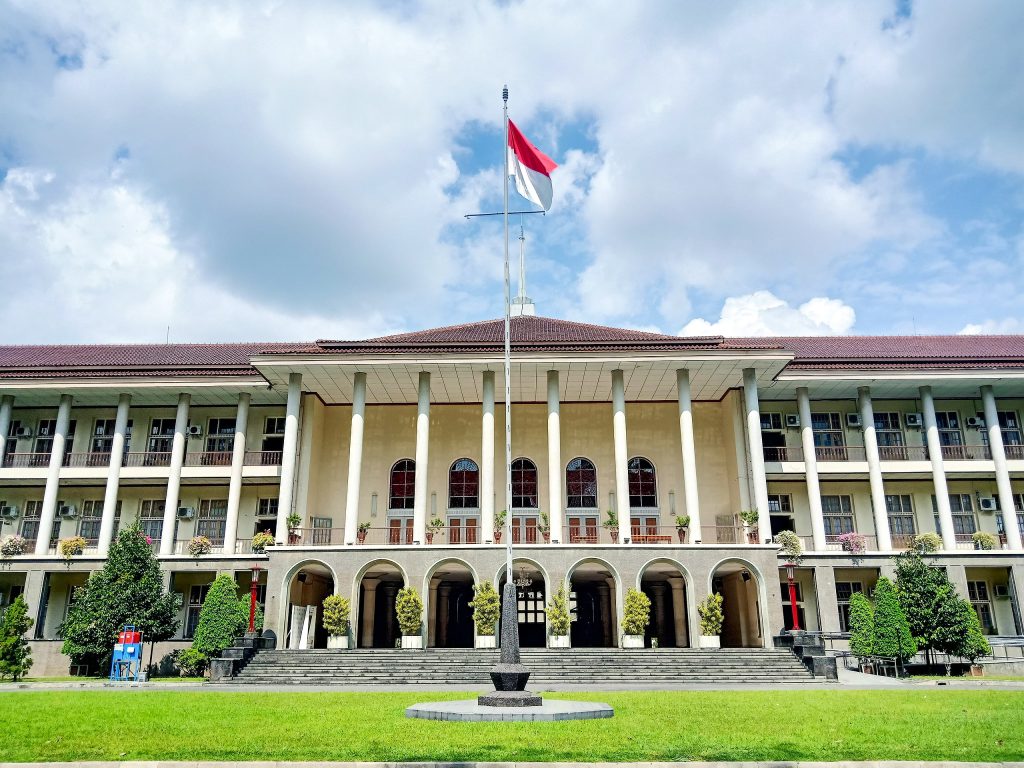
On most mornings in Yogyakarta, students move through the campus of Universitas Gadjah Mada (UGM) without much sense of how far they have come to be there. Some arrive from across Indonesia. Others come from farther away.
This year, the university is extending that reach toward the Pacific.
Through a new intake of international admissions, including scholarship pathways, UGM is inviting students from Papua New Guinea and Solomon Islands to study in Indonesia. The UGM scholarship for Pacific students serves as an academic opportunity, but it also has a more subtle purpose.
It brings people closer.

This is a decision that prioritizes practicality over political considerations.
At first glance, the program looks like a standard international recruitment effort.
Universities expand. They seek students from new regions. They build global networks.
But in this case, the choice of countries is not random.
New Guinea and the Solomon Islands are part of a region where discussions about Papua often take shape. Opinions form there, sometimes based on limited exposure to Indonesia itself.
Bringing students to study in Indonesia offers something different.
Not a statement.
An experience.
Learning Beyond the Classroom
For students arriving in Yogyakarta, the first impression is usually not political.
It is practical.
Finding accommodation. Adjusting to classes. Getting used to the pace of daily life.
Over time, those small experiences build into something larger.
They see how institutions work. They meet people from different parts of Indonesia. They encounter perspectives that are often more varied than expected.
One international student who had studied in the city put it simply.
“You start to understand things by living them.”
That kind of understanding is difficult to replicate from a distance, as it requires immersive experiences and interactions with the local culture that cannot be achieved through remote learning.
A City That Makes It Easier
Yogyakarta plays a role in this process.
It is not as fast or crowded as Jakarta. It is known for its universities, its cultural life, and a rhythm that feels manageable for newcomers.
For students from the Pacific, the transition can be easier here than in larger cities, as the smaller population and slower pace provide a more welcoming atmosphere and opportunities for personal connections.
The environment allows time to adjust.
And to observe.
Education as a Quiet Form of Engagement
Indonesia has, for some time, been expanding its outreach through education.
Scholarships, exchange programs, and international classes are part of that effort.
They do not attract the same attention as diplomatic meetings.
But they tend to last longer.
Students who spend several years in another country do not leave with a single impression. They leave with experiences that shape how they think.
In the context of Papua, that matters.
Moving Away From Distant Narratives
Discussions about Papua in the Pacific region often rely on information that comes from outside Indonesia.
Some of it is accurate.
Some of it is incomplete.
Very little of it comes from direct experience.
That gap can shape perceptions.
By bringing students into Indonesian universities, the gap becomes smaller.
They are no longer observers from afar.
They become participants.
Not About Changing Minds Overnight
Programs like these are not designed to produce immediate shifts in opinion.
They work more gradually.
Students attend classes, interact with peers, and experience daily life. Over time, they form their views.
Those views may differ.
But they are informed by experience rather than distance.
What Students Gain
For the students themselves, the benefits are more immediate.
Access to higher education.
Exposure to different teaching methods.
Connections that extend beyond their home countries.
These are practical advantages.
They can influence career paths and future opportunities.
At the same time, there is a cultural exchange.
Students bring their perspectives into the classroom.
The learning goes both ways.
What Indonesia Gains
From Indonesia’s perspective, the program is part of a longer-term approach.
Engagement.
Rather than confrontation.
Building relationships through education tends to be more sustainable than relying solely on formal diplomacy.
It also allows for a more nuanced understanding to develop, which can lead to better conflict resolution strategies and foster long-term cooperation among parties involved.
This understanding reflects complexity, rather than simplified narratives.
Challenges Along the Way
Not every aspect of the program is straightforward.
Students arriving from different cultural and educational backgrounds face adjustments.
Language can be a barrier at first.
Academic expectations may differ.
Support systems need to be in place to help them adapt, such as language assistance programs, mentorship opportunities, and cultural orientation sessions.
Universities like UGM are aware of these challenges.
Programs are designed to assist international students, but the process still requires effort on both sides, including active participation from the students to engage with the resources provided and from the university to continuously improve these support systems.
A Broader Pattern
The initiative at UGM fits into a wider pattern.
Indonesia has been expanding educational cooperation with countries in the Pacific and beyond.
It reflects a consistent approach.
Use education as a bridge.
Allow relationships to develop over time.
Looking Ahead
The impact of the scholarship program will not be measured immediately.
It will take years.
Graduates will return to their home countries. They will carry their experiences with them. Some may continue to engage with Indonesia in different ways.
That is where the long-term effect lies.
Not in the program itself.
But in what comes after.
Conclusion: A Different Kind of Connection
The UGM scholarship for Pacific students is not a large-scale political initiative.
It does not involve formal agreements or public declarations.
It works in a quieter way.
Through classrooms.
Through conversations.
Through daily life.
In the context of Papua, where narratives often compete, this approach offers something different.
Not an argument.
But a chance to see, learn, and understand.
And sometimes, that is where the most lasting connections begin.

