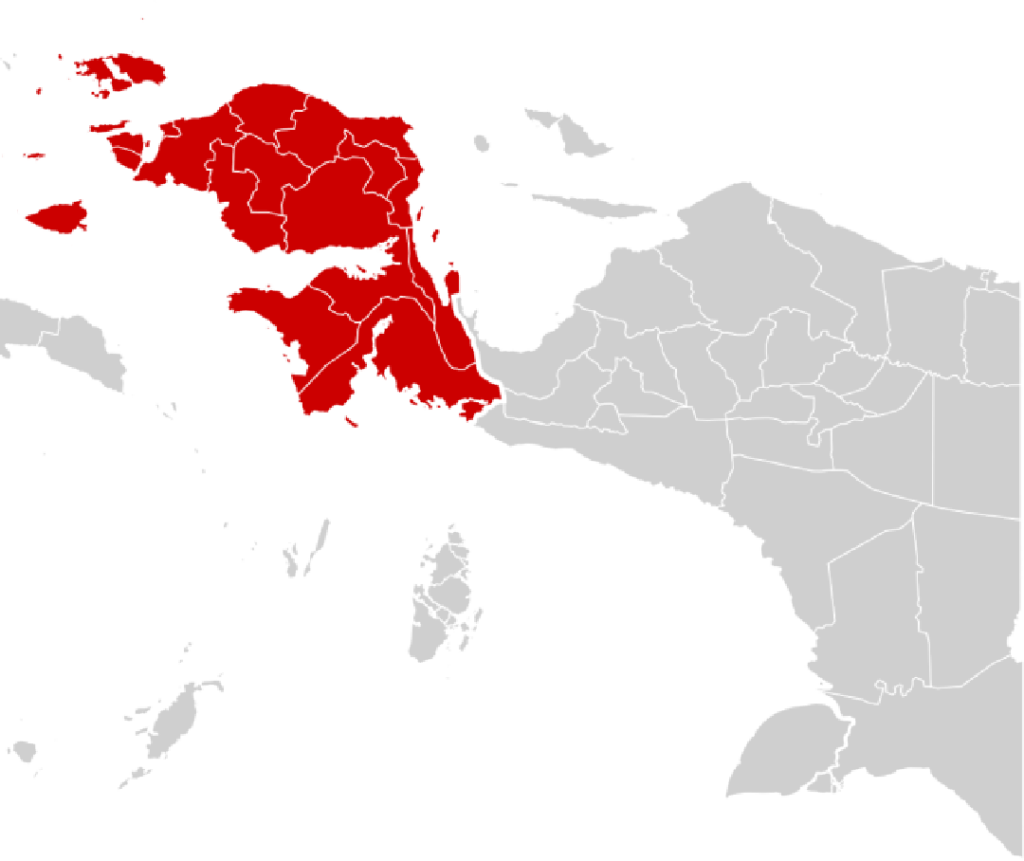
A growing number of immigrant civil servants in Papua, including from Toraja Utara (North Toraja) Regency, Sulawesi Selatan (South Sulawesi) Province, have reportedly requested transfers to their home region following a series of deadly attacks on civilians, including the killings of public servant Aprida Rapi and travel driver Aris Sanda. The requests have brought renewed attention to the relationship between security, workforce stability, and the delivery of essential public services in Indonesia’s easternmost region.
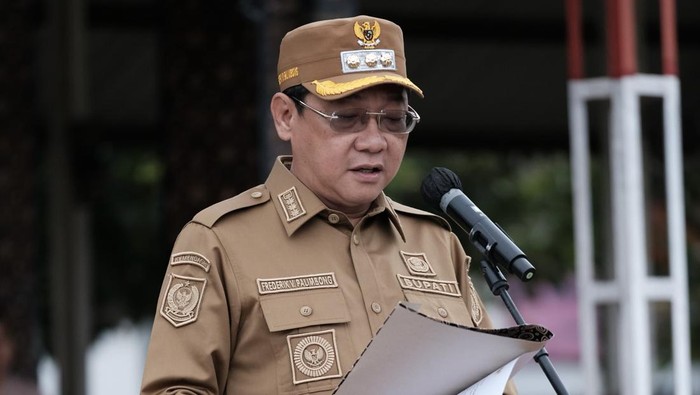
Toraja Utara Regent Frederik Victor Palimbong said many Toraja civil servants had asked to return home because they feared for their safety. The requests, reported by Indonesian media on September 26 and 27, 2026, are now being considered by the local administration, although any transfer would depend on staffing needs, administrative procedures, and the authority of the institutions involved.
The issue has emerged against a painful backdrop. In September, violence in Papua Pegunungan (Highland Papua) Province claimed the lives of agricultural officials travelling on government assignments and a civilian driver working along a regional transport route. For immigrants from Toraja in Papua, the incidents have turned into concerns about personal safety.
A Wave of Transfer Requests
Frederik told detikSulsel that numerous civil servants from Toraja Utara serving in Papua had submitted requests to move to Toraja. He linked the growing concern to attacks attributed to the armed group commonly referred to as the West Papua National Liberation Army from the Free Papua Movement (TPNPB OPM) and said police records indicated that 13 Toraja residents had been killed in incidents attributed to the group between 2021 and 2026.
Frederik stated, as reported by detikSulsel, that many civil servants are requesting transfers to Toraja. He added that some applicants felt their safety was under threat.
The reports do not establish the exact number of applicants, their employing agencies, or how many requests have formally entered the transfer process. Nor do they indicate that any transfers have been approved. The distinction matters: an expression of concern, a submitted application, and an authorized personnel decision are separate stages.
Frederik said the Toraja Utara administration was considering the requests while weighing its staffing requirements. He identified job-position analysis, workload analysis, and the proportion of the regional budget allocated to personnel spending as important considerations.
The regent also referred to the 30 percent personnel-spending limit associated with Indonesia’s Law No. 1 of 2022 on Financial Relations between the Central Government and Regional Governments. In practical terms, the administration must consider whether it has suitable positions and sufficient fiscal room to accommodate incoming employees.
The situation therefore presents a difficult administrative balance. The concerns of employees who fear for their lives require attention, but a transfer cannot be treated as an automatic process when it involves different government institutions, staffing structures, and budget responsibilities.
The September Killings Behind the Anxiety
Aprida Rapi and the Agricultural Mission
One of the incidents shaping the current concerns was the September 9 attack in Muliama District, Jayawijaya, in which three employees of the Jayawijaya Agriculture Agency were killed. They were Aprida Rapi, 49, head of the agency’s Livestock and Animal Health Division; veterinarian Alfonsius Albinus Mehan, 35; and Wili Mbuik.
The three officials had been travelling as part of an agricultural field mission involving livestock assistance and rice-field development. The government aimed to support rural livelihoods, enhance agricultural activity, and provide technical assistance to communities through their work.
According to a report published by West Papua Voice, Aprida Rapi, who had served in Jayawijaya Regency for over 20 years since 2003, was shot dead by the TPNPB-OPM, alongside his colleagues Alfonsius Albius Mehan and Wili Mbuik (migrants from East Nusa Tenggara, or NTT). Five colleagues survived and were brought to safety. Indonesian authorities suspected the attack involved an armed group associated with Egianus Kogoya, while investigations continued.
Aprida’s death was especially significant for the communities and colleagues connected to her work. Agricultural officers are often the link between government programs and farmers, particularly in areas where distance and difficult transport conditions make regular access to technical support challenging.
Her killing illustrated how insecurity can affect more than the immediate victims. When field personnel cannot safely travel, agricultural assistance, livestock programs, and development activities may face delays or require additional security arrangements.
Aprida’s body was flown from Wamena on September 11 and arrived in Tana Toraja the following morning, where relatives and community members gathered to mourn her. The journey home underscored the personal cost of violence for families separated by thousands of kilometers.
Aris Sanda’s Killing on the Road
Less than a week later, another incident further heightened concerns among the Toraja community. Aris Sanda, a transport driver from North Toraja who had been living in Jayawijaya since 2013, was killed by the TPNPB-OPM.
Reports said Aris had been driving passengers from Wamena toward Mbua when armed men stopped the vehicle near Gunung Boy. The passengers were ordered out, while Aris was reportedly kept behind. West Papua Voice reported that he was allegedly forced to make a video expressing support for Papua’s independence before he was subsequently reported shot. His vehicle was found burned in the Danau Habema area of Jayawijaya on September 15.
TPNPB OPM claimed responsibility and alleged that Aris was an Indonesian military intelligence agent. However, the available reporting does not independently establish that allegation. It is important to distinguish the group’s claim from verified facts about Aris’s civilian occupation and the circumstances reported by local media.
Aris’s death resonated beyond his immediate family. Drivers are an essential part of daily life in remote areas, connecting residents with workplaces, markets, health services, and neighboring communities. Violence affecting transport workers can increase anxiety among passengers and disrupt mobility, with potential consequences for local economic activity.
His body was later returned to Toraja Utara and buried on September 23, according to detikSulsel. The loss added to the grief already experienced by families following the Muliama killings.
Public Service Continuity at Risk
The transfer requests raise a question that extends beyond the personal decisions of individual employees: what happens if insecurity leads to a sustained loss of experienced personnel?
Papua’s public services depend on workers who can reach communities across challenging terrain. Agricultural officers, health workers, teachers, and administrators may need to travel between towns and remote settlements to deliver programs and maintain regular contact with residents.
If employees leave faster than agencies can recruit or reassign replacements, some services could face staffing pressure. Agricultural extension visits may become less frequent, administrative workloads may increase for remaining employees, and local programs could require adjustments. These are potential consequences, not confirmed outcomes of the current transfer requests.
The effects would depend on the number of employees seeking relocation, their roles, the locations where they work, and whether replacements are available. The reports so far do not provide enough detail to quantify any service disruption.
Nevertheless, the situation highlights the close connection between civilian security and development. Government programs require more than budgets and policy announcements. They also depend on personnel being able to carry out their duties safely and consistently.
Toraja Utara Weighs Safety and Administrative Limits
Frederik has acknowledged the concerns of Toraja residents working in Papua and said safety remains a priority. He also explained that his administration must evaluate whether it can accommodate incoming employees within its staffing and financial framework.
The process may also require coordination with the employees’ current institutions and the authorities responsible for approving transfers. Toraja Utara cannot unilaterally determine the movement of civil servants employed by other administrations or agencies.
LambeTurah reported that the regent urged residents to remain calm and avoid making rushed decisions, while leaving security matters to the authorities with the relevant responsibilities. The local government also said it would consider the circumstances and needs of Aris Sanda’s family when determining what assistance it could provide within its capacity.
These statements point to two parallel responsibilities: responding to the immediate concerns of employees and families and managing the longer-term administrative implications. Clear communication about transfer procedures, available support, and workplace safety arrangements could help employees make informed decisions while allowing institutions to plan for staffing needs.
Security and Development Must Move Together
The incidents have renewed attention to the challenge of protecting civilians in areas affected by armed violence. For the Indonesian government, the response involves both law enforcement and the practical task of ensuring that public services remain accessible.
Security measures need to account for the geography of Papua Pegunungan, where long distances and difficult terrain can complicate movement and emergency response. Coordination among relevant authorities, reliable communications, and engagement with local communities can all contribute to civilian protection. Any response must also be grounded in the law and respect for civilian life.
For public institutions, the transfer issue may require a careful review of vulnerable work locations, travel arrangements, and continuity plans. Such measures cannot remove every risk, but they can form part of a broader effort to maintain services while authorities investigate attacks and address security concerns.
The situation also calls for precision in public reporting. The deaths of Aprida Rapi and Aris Sanda are documented tragedies, while responsibility and specific allegations in individual cases must be established through evidence and due process. Maintaining that distinction is essential to public trust and to a clear understanding of the security challenges facing the region.
Conclusion
The requests by Toraja civil servants to leave Papua reflect the human consequences of insecurity and the difficult choices faced by employees working far from their families. The deaths of Aprida Rapi and Aris Sanda have made those concerns more immediate while raising broader questions about the resilience of public institutions in areas affected by violence.
Toraja Utara’s response will depend on administrative capacity, available positions, and coordination with the employees’ current institutions. In Papua, the longer-term challenge is to protect civilians and ensure that essential services can continue reaching communities.
The outcome will be shaped not only by the number of transfers approved but also by whether employees feel their safety concerns are being addressed and whether public agencies can maintain adequate staffing. Security and development are closely connected: programs can only deliver lasting benefits when the people responsible for implementing them can work without unacceptable risk.
Read Also
The TPNPB OPM’s Terror Message Prompts Transfer Requests from 21 Civil Servants
Aris Sanda: A Migrant Driver Killed by TPNPB OPM in Papua
Aprida Rapi: A Civil Servant Killed by TPNPB OPM di Jayawijaya