Long before the morning prayers began, volunteers were already arranging rows of chairs outside temples.
In several places across Papua, candles were unpacked carefully while worshippers carrying flowers slowly arrived with family members. Some came early to avoid traffic. Others simply wanted extra time for prayer before ceremonies started.
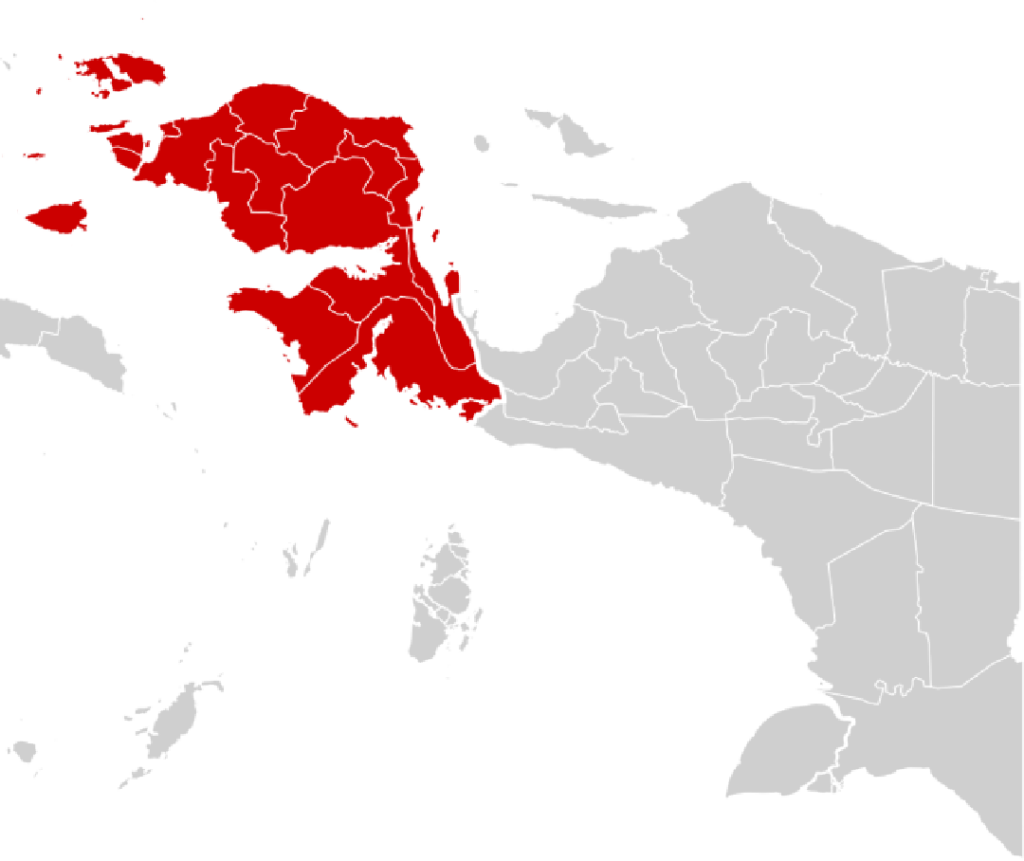
Across Jayapura, Timika, Nabire, and several other parts of Papua, Buddhist communities marked Vesak celebrations on May 31, 2026 with familiar rituals.
Prayer.
Reflection.
Food sharing.
Charity work.
This year, however, another theme repeatedly surfaced during ceremonies and public messages.
Peace.
For many communities, Vesak arrived at a moment when discussions about social cohesion, economic change, and rapid development continue shaping conversations across Papua. Religious leaders and community figures, therefore, used celebrations not only for worship but also to remind residents about something they described as increasingly important.
Maintaining harmony.
Buddhist Communities Gather Across Papua
Temples Fill With Worshippers Before Sunrise
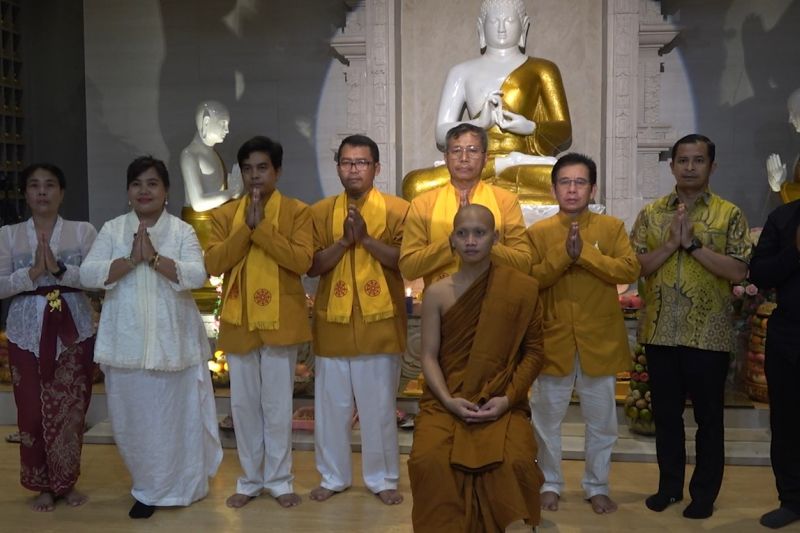
In Jayapura, Buddhist worshippers gathered to commemorate Tri Suci Waisak 2570 BE with prayers and meditation sessions that continued throughout the morning.
Inside temples, the atmosphere remained relatively quiet.
Children followed parents carrying offerings.
Volunteers moved between prayer areas distributing drinking water.
Outside, people removed shoes before entering buildings decorated with flowers and lanterns.
Several worshippers described Vesak less as celebration and more as reflection.
One participant interviewed during local coverage said Vesak provides an opportunity to pause from everyday pressures and focus again on compassion and self-control.
Religious leaders repeatedly encouraged communities to bring those values outside temple walls.
Not only during celebrations.
But afterwards too.
Nabire Celebrations Focus On Love And Social Harmony.
Similar messages appeared in Nabire.
During Vesak activities there, Buddhist communities celebrated with themes centred around love, compassion, and peaceful coexistence.
Organisers encouraged participants to view tolerance not merely as a ceremonial language.
Instead, they described tolerance as daily practice.
Papua’s social reality partly explains why those messages resonate.
Different religions.
Different ethnic backgrounds.
Different languages.
They often reside in the same neighbourhood.
Several local leaders therefore argued that social harmony requires continuous effort rather than assumptions.
Timika Communities Combine Prayer With Social Activities
Preparations in Timika extended beyond religious ceremonies.
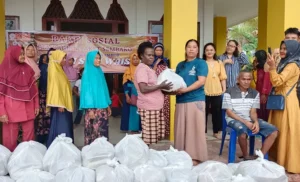
Ahead of Vesak celebrations, Buddhist communities organised social activities and charity programmes involving volunteers and local residents.
Community members distributed assistance packages while preparing temple activities.
Several organisers explained that charity work remains closely connected with Vesak traditions because compassion should be visible through action rather than remaining symbolic.
One organiser in Timika explained that social programmes also create opportunities for interaction between communities.
“People come together first as neighbours,” he said during local coverage.
Only afterward, he added, do religious differences become visible.
Religious Leaders Repeatedly Return To One Theme
Harmony Needs Continuous Protection
During multiple celebrations across Papua, religious figures repeatedly returned to similar concerns.
Social division.
Polarisation.
There is a growing hostility in public spaces.
Officials from the Ministry of Religious Affairs in Papua encouraged Buddhist communities to continue protecting harmony while strengthening communication between religious groups.
Their message remained relatively straightforward.
Tolerance works when practised continuously.
Not only during holidays.
Several community leaders echoed similar statements.
According to them, Papua’s diversity remains one of its strengths, but it also requires constant maintenance.
They warned that social cohesion can weaken when communities stop interacting.
Peace Is Easier to Lose than Rebuild
Several speakers also reminded communities that conflict prevention frequently begins through ordinary interactions.
Neighbours visiting one another.
Helping during religious events.
Participating in community activities.
Several local figures emphasise the importance of these small interactions, as social trust typically builds slowly but can vanish quickly.
That partly explains why many speakers emphasised peace rather than politics during the celebrations.
Environmental Messages Also Become Part Of Vesak
Another topic repeatedly discussed ahead of Vesak involved environmental responsibility.
The Ministry of Religious Affairs in Papua continued promoting ecological campaigns connected with religious activities.
Officials encouraged communities to reduce waste and strengthen environmental awareness during celebrations.
The message carried particular relevance in Papua.
Large forests.
Long coastlines.
Marine ecosystems.
Communities whose livelihoods remain connected with nature.
Several religious figures argued that we should not treat protecting the environment and protecting communities as separate issues.
Both, they said, require long-term thinking.
Vesak Shows Another Side of Papua
International conversations about Papua frequently focus on politics, security, or development projects.
Those discussions remain important.
Yet during Vesak celebrations, another picture also emerged.
Families arriving together before sunrise.
Volunteers preparing food.
Children were running around temple yards after ceremonies finished.
Neighbours visiting despite their different religious backgrounds.
These scenes usually receive little media attention.
But they remain part of everyday life across many communities.
Conclusion
As ceremonies gradually ended, volunteers began cleaning prayer areas while worshippers slowly returned home.
Candles became shorter.
Parking areas emptied.
Daily routines resumed.
The messages repeated throughout celebrations, however, remained similar whether spoken in Jayapura, Nabire, or Timika.
Protect harmony.
Protect peace.
Look after one another.
Because for many communities across Papua, coexistence is not something practised once a year.
It is part of ordinary life.