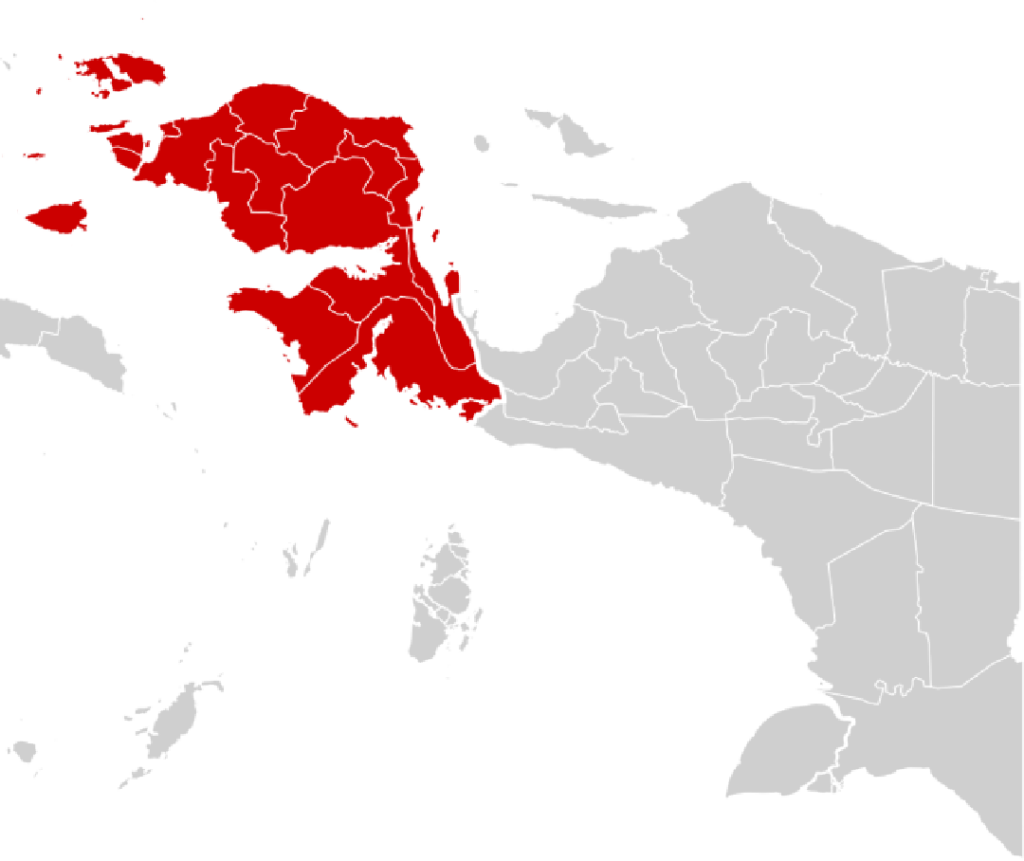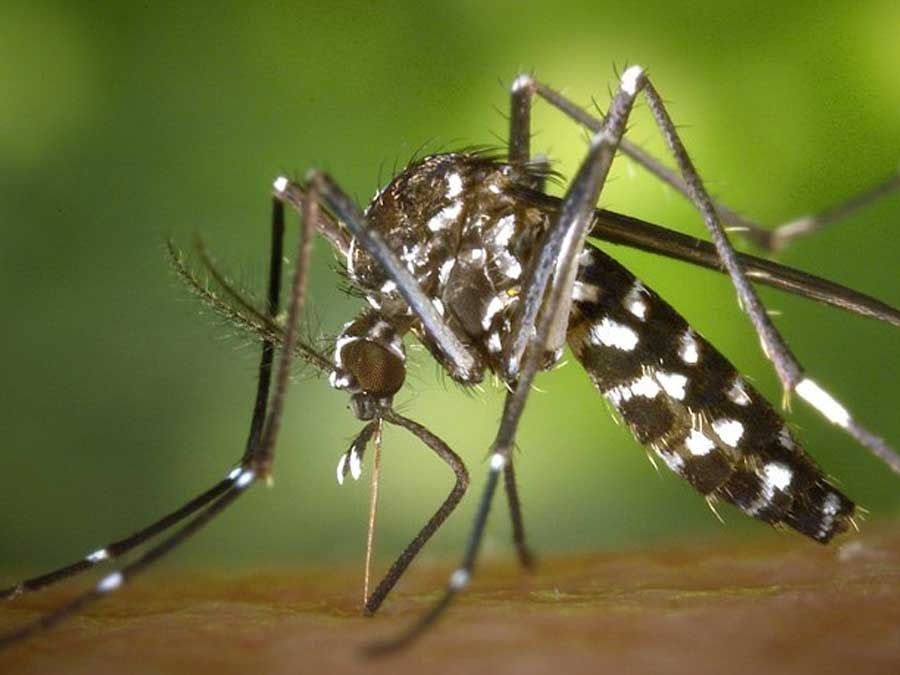
The malaria control programme in Papua Selatan (South Papua) has entered a new phase with the provincial government stepping up collaboration with health institutions, district administrations, and local communities to tackle one of the most pressing public health issues in the region.
Provincial health officials said the figure was an average of 225 people diagnosed with malaria every day in Papua Selatan, showing the continued burden of mosquito-borne disease across the province. The diagram highlights the need for continued intervention, especially in the tropics, where environmental conditions favour malaria transmission all year round.
Aware of the challenge’s scale, the Papua Selatan Provincial Government has made malaria prevention a top public health priority and has intensified immunisation programmes and improved disease surveillance.
Malaria cannot be controlled by medical treatment alone, officials say. Effective prevention requires coordinated action by health care providers, local government, community leaders, educational institutions and residents themselves.
More collaboration is expected to help authorities reduce rates of transmission, improve early diagnosis and access to treatment, and ultimately improve the overall quality of life for communities across Papua Selatan.”
Malaria Remains a Significant Public Health Challenge
Indonesia has made great strides to reduce malaria nationally over the past decade, but eastern Indonesia (especially Papua) continues to contribute a large proportion of reported cases.
Health officials in the province say they are diagnosing about 225 cases of malaria a day in Papua Selatan, which points to the need for broad-based prevention and treatment strategies.
Health experts say malaria is still very much tied to environmental factors such as tropical climates, a large number of places for mosquitos to breed and remote communities with little access to health care.
People living in communities closer to forests, rivers, wetlands and agricultural areas tend to be more exposed to mosquitoes that carry malaria, so it is especially important that prevention efforts continue.
The control of malaria is therefore viewed by provincial authorities not only as a health issue but also as an important component of wider regional development.
As malaria transmission wanes, communities are healthier, children go to school more consistently, the workforce is more productive and the economy is more resilient.
Officials believe the long-term benefits of sustained investment in disease prevention will go beyond the health sector.
Government Strengthens Cross-Sector Collaboration
In response to the continued malaria burden, the Papua Selatan Provincial Government has strengthened collaboration among provincial agencies, district governments, health facilities, and national partners.
More than the work of hospitals or community health centres is needed to eliminate malaria, say health officials.
However, effective control requires coordinated planning involving public health agencies, environmental authorities, village administrations, educational institutions and community organisations.
In recent meetings with provinces, we have stressed the importance of working across sectors to strengthen disease surveillance, accelerate preventative programmes and improve healthcare delivery.
The provincial government has also linked malaria control to broader public health objectives, such as routine immunisation and maternal and child health services.
Officials said the mix of these programmes means healthcare workers can reach more communities and be more efficient in remote areas where medical resources are scarce.
Authorities also want to encourage closer coordination among institutions to create a more responsive healthcare system that can identify and deal with malaria cases more rapidly.
Disease Surveillance Becomes a Key Strategy
Strengthening disease surveillance is one of the most important components of the malaria control strategy in Papua Selatan.
Health officials say good surveillance helps authorities identify transmission patterns, detect outbreaks early, track high-risk areas and use health care resources more efficiently.
Provincial surveillance teams continue to collect epidemiological data from hospitals, community health centres, laboratories and village health workers across South Papua.
Timely and accurate reporting enables public health authorities to identify areas where more aggressive intervention efforts are needed and assess the success of existing prevention programmes.
There is also an emphasis by officials that diagnosis in a timely manner remains important, as patients who are under early treatment are more likely to recover fast, which will also cut down opportunities for continued transmission.
Improved surveillance thus benefits patient care and guides evidence-based policymaking, serving both clinical and public health needs.
Improved surveillance capacity will allow provincial authorities to respond more rapidly to changing disease patterns while strengthening long-term malaria control throughout Papua Selatan.
Integrating Malaria Control With Immunisation Programmes
Another key element of the provincial strategy is integrating malaria control with other health programmes, particularly routine immunisation services.
“Bringing together multiple public health programmes means that healthcare workers can maximise outreach activities and increase efficiency in geographically dispersed communities,” said provincial health officials.
Immunisation campaigns are an opportunity for healthcare personnel to teach people about malaria and preventive measures, to identify symptomatic individuals, and to encourage families to seek early diagnosis when illness occurs.
Officials say the integrated approach helps to reinforce primary healthcare services and to use limited medical resources more effectively.
It also supports broader government efforts to improve maternal and child health, prevent disease and build community resilience to infectious disease.
Health specialists say integrated public health services are essential in remote areas where people may have fewer opportunities to visit health facilities on a regular basis.
Healthcare Workers Remain on the Front Line
Every effort to prevent malaria is behind healthcare professionals who work in the various landscapes of Papua Selatan.
Doctors, nurses, laboratory technicians, epidemiologists, community health workers, and village health volunteers serve as the primary defence against malaria transmission.
They are involved in a lot more than just the clinical treatment.
In public health interventions, healthcare workers are engaged in active case detection, educating families on prevention measures, collecting surveillance data, tracking treatment results, investigating disease clusters and liaising with local authorities.
Provincial officials praised the dedication of frontline health workers who often travel long distances to serve isolated communities scattered across forests, rivers and coastal regions.
Their work is critical to ensuring that malaria prevention programmes reach populations most at risk of infection.
Community Participation Remains Essential
Government leadership provides the framework for malaria control, but health authorities stress that lasting progress depends heavily on the active participation of local communities. Malaria prevention needs to ensure that health information reaches remote settlements, it must be a constant action at the household and village levels, where daily practices can greatly reduce the chance of transmission by mosquitoes.
Consequently, the Papua Selatan Provincial Government continues to campaign for public education to make residents aware of the early symptoms of malaria, to seek immediate medical treatment, and to support the efforts to reduce mosquito breeding sites through environmental sanitation.
Community health workers and village health volunteers are particularly important in this process. Besides offering basic health services, they are also trusted sources of information, guiding families to appreciate the value of early diagnosis, completing prescribed treatment, and adopting preventive measures.
Health officials also promote collaboration with village leaders, houses of worship, schools, women’s groups and youth groups to help with health awareness activities. These community-based approaches help to ensure that health information reaches remote settlements which might have limited access to formal healthcare facilities.
Provincial health authorities know that better community engagement makes government programmes more effective by encouraging people to report symptoms early and helping them understand how to prevent malaria.
Strengthening Healthcare Capacity Across Papua Selatan
The anti-malaria drive is part of wider efforts to improve health infrastructure in Papua Selatan.
Provincial officials continue to work on better coordination between hospitals, community health centres, laboratories, district health offices and village-level healthcare providers. The aim is to ensure that patients are diagnosed and treated in a timely manner and that health authorities can respond rapidly when malaria cases increase in certain locations.
Papua Selatan’s healthcare capacity is especially important because many communities are located in geographically isolated areas separated by forests, rivers, wetlands, and long transportation routes.
Providing healthcare in such circumstances calls for dependable logistics, trained medical personnel, adequate laboratory support and effective communication between provincial and district authorities.
Officials say continued investment in healthcare infrastructure, workforce development, medical equipment and disease surveillance will improve the province’s ability to contain malaria and respond to other infectious diseases.
Thus, the provincial government’s strategy considers malaria control as one component of a broader effort to improve primary health care services across Papua Selatan.
Malaria Control Supports Social and Economic Development
Public health experts say the benefits of eradicating malaria transmission extend far beyond the health sector.
Repeated bouts of malaria can result in lower school attendance and workforce productivity, higher medical costs to households, and pressure on health systems.
On the other hand, healthy communities are often better equipped to participate in education, agriculture, small business activities and other economic opportunities.
Better public health directly supports the long-term development goals in Papua Selatan. Agriculture, fisheries, forestry and local commerce are important for the regional economy.
Provincial officials therefore view malaria control as an investment in human capital, which underpins broader efforts to improve education, support local economies and improve quality of life.
The authorities are seeking to reduce the burden of preventable disease to create conditions that will enable communities to become more involved in regional development ventures.
Global Perspectives on Malaria Elimination
Malaria is one of the most important mosquito-borne diseases in the world, according to the World Health Organisation. Climatic conditions in tropical regions support year-round transmission.
Experience has shown that malaria control must be comprehensive, including disease surveillance, rapid diagnosis, effective treatment, vector control, community education and strong political commitment.
Countries that have made large reductions in malaria cases have typically done so with sustained investment, not short-term interventions.
Public health experts also highlight the need to mainstream malaria control into broader primary health care systems to enable health workers to provide multiple essential services during community outreach activities.
Many of these internationally recognised principles are reflected in the strategy being implemented in Papua Selatan, with its focus on surveillance, cross-sector coordination, healthcare strengthening and community participation.
Geographic conditions continue to be a big challenge, but provincial authorities say that the steady enforcement of these measures can lead to a gradual decrease in malaria transmission and better public health in the long run.
Looking Ahead
Malaria control continues to be one of the highest public health priorities for the Papua Selatan provincial government in the coming years.
Future efforts will focus on expanding disease surveillance, strengthening health care facilities, improving laboratory capacity, improving community education, and increasing collaboration between provincial and district governments.
Officials also intend to improve efficiencies and broaden service coverage by further integrating malaria prevention into routine immunisation and other primary health care programmes.
Health officials admit reducing malaria will require a long-term commitment from government institutions, health professionals, community leaders and residents.
Papua Selatan will continue to work in collaboration with partners to reduce the burden of malaria, build a resilient health system and improve the well-being of the community.
Conclusion
The South Papua Provincial Government is beefing up its malaria control strategy through the enhancement of disease surveillance, integrated public health services, increased collaboration across government sectors and active community participation. Health officials in the province say they are diagnosing an average of 225 cases of malaria a day, and authorities concede that malaria remains one of the most serious health challenges in the region. “The province is actively working to reduce transmission through surveillance, early diagnosis, improved healthcare services, routine immunisation and public education while strengthening long-term health resilience. This work shows that the fight against malaria goes beyond medical treatment. It requires sustained cooperation between government bodies, health practitioners, local communities and development partners. As Papua Selatan continues to invest in stronger public health systems, effective malaria control will continue to be an important foundation for improving education, economic productivity and the overall quality of life for communities across the province.