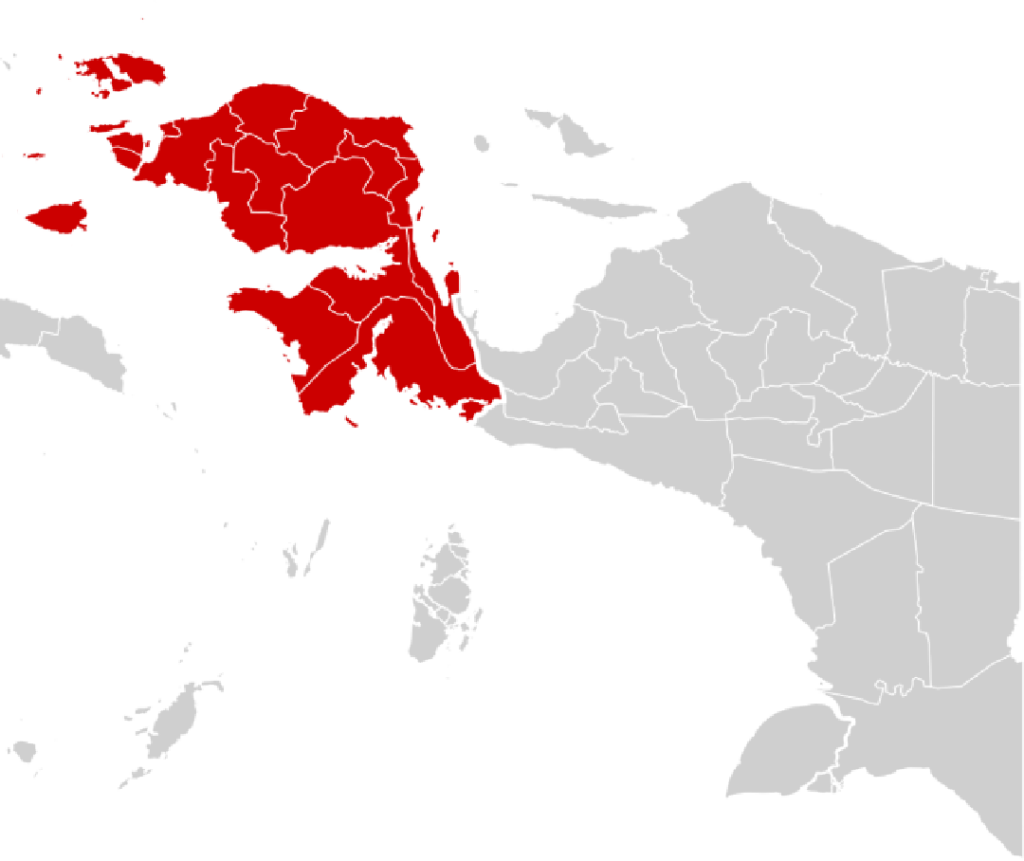
For decades, food imported from other parts of Indonesia has been a mainstay for many communities in Papua Pegunungan (Papua Highlands). Long supply chains, rough terrain, and transportation expenses have contributed to higher food prices and occasional supply disruptions, particularly in remote districts.
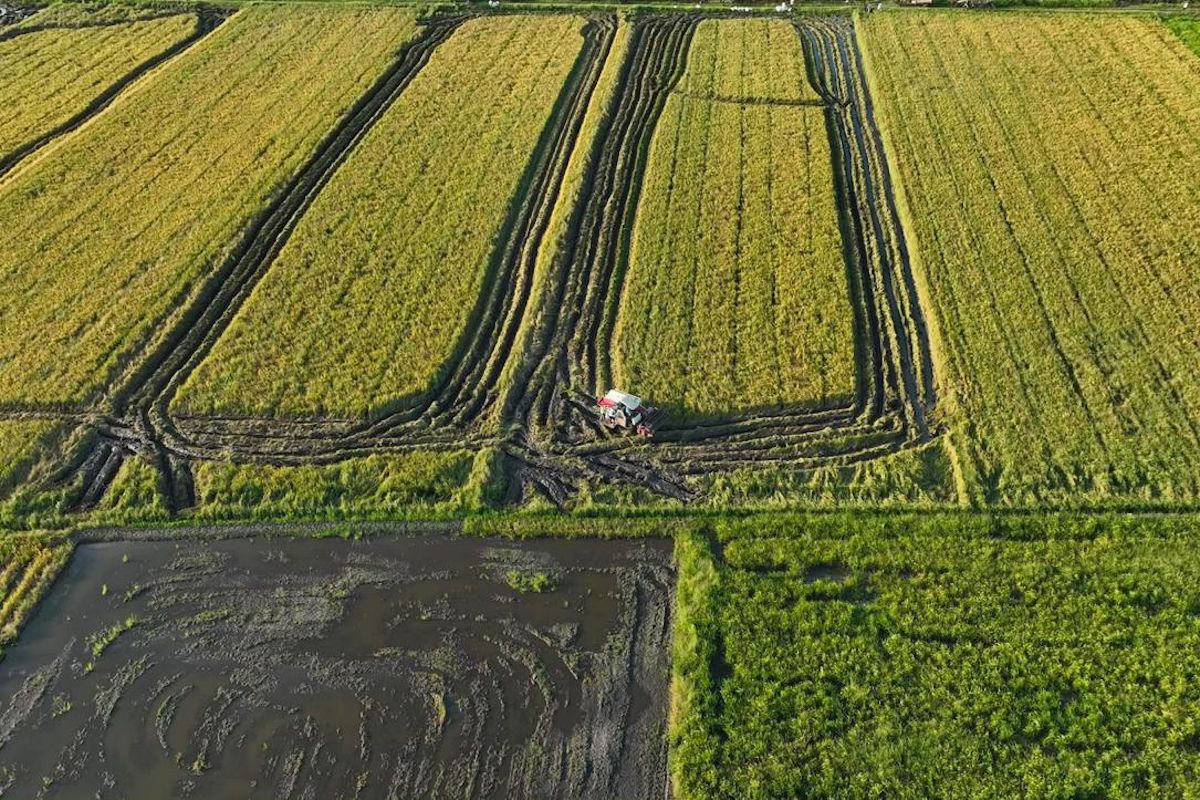
Indonesia’s Ministry of Agriculture now hopes to gradually alter that image through a program of rice field development to increase local food production and encourage more agricultural self-reliance.
The initiative aims to improve food availability, create employment, and strengthen the province’s agricultural sector while preserving existing local food traditions, according to the officials. Instead, rice farming is expected to complement traditional crops that have sustained Papuan communities for generations.
The program is part of Indonesia’s wider attempt to increase national food resilience by increasing domestic agricultural production in several provinces, including areas with undeveloped farming potential.
A Long-Term Investment in Regional Food Security
Despite the tough terrain, Papua Pegunungan has a lot of agricultural potential, according to the Ministry of Agriculture. Some valleys and lowlands have fertile soil for growing rice and plenty of rain for agriculture.
The ministry plans to accelerate the development of around 2,000 hectares of new rice fields in selected locations in Papua Pegunungan. Officials describe the project as gradual, involving site preparation, irrigation design, farmer support, and agricultural training.
During discussions on the program, Agriculture Minister Andi Amran Sulaiman emphasized that strengthening food production is one of the strategic priorities of the government.
He said enhancing local agricultural capability is key to reducing dependence on imported food and boosting national food resilience amid global uncertainty, climate change, and supply chain disruptions.
Papua Pegunungan is expected to become one of several emerging agricultural centers that would support food availability in eastern Indonesia, officials said.
Reducing Dependence on Food from Outside Papua
For many residents, the project’s significance is about more than agricultural production.
Much of the rice eaten in Papua Pegunungan now arrives by air or sea and is then carried over mountain roads, so transport expenses are a big part of the price consumers pay.
Local production could reduce supply chain length and enhance market stability.
“An increase in agricultural production in Papua Pegunungan could also help mitigate logistical vulnerabilities that sometimes affect remote districts during periods of extreme weather or transportation disruptions, government officials said.
Authorities say locally produced rice is expected to complement existing supply systems and provide communities with greater resilience, rather than replace commercial trade with other provinces.
Supporting Local Farmers with Technology and Training
The Ministry of Agriculture officials stated that the project’s success will not solely depend on infrastructure development.
The program is expected to equally prioritize farmer training, agricultural extension services, improved seed varieties, irrigation systems, and modern farming equipment.
Experts in agriculture working on the initiative intend to implement cultivation practices that are adapted to the local environmental conditions and to provide technical support for farmers during planting and harvesting seasons.
The ministry also plans to foster cooperation among local governments, agricultural universities, farmer groups, and extension officers to boost productivity and sustainability in the long run.
Officials say the aim is not just to boost the amount of land under cultivation but to build a farming system that can deliver consistent crops and be environmentally responsible.
Local Communities Express Support
Local media report that the community’s reaction has generally been one of cautious optimism.
Youth representatives in Tolikara Regency, Wali Wonda welcomed plans to develop some 300 hectares of rice fields, saying that increased agricultural production could bolster local food supplies and create new economic opportunities for young Papuans.
Community leaders said expanding agricultural activities can help diversify local livelihoods and encourage young people to get involved in modern farming in addition to traditional economic activities.
The project also generated some local employment opportunities in land preparation, planting, harvesting, transportation, and post-harvest processing.
Officials stressed that community involvement remains the core of the implementation process, and agricultural development should be done in consultation with local stakeholders.
Balancing Modern Agriculture and Local Food Traditions
Papua Pegunungan has a rich food culture that is based on crops such as sweet potatoes, taro, bananas, and other locally adapted plants that have supported indigenous communities for centuries.
Government representatives have therefore emphasized that rice development aims to complement traditional food systems rather than replace them.
“Agricultural diversification can improve household food security by offering communities additional production options while protecting local culinary heritage and customary agricultural knowledge, officials say.
Researchers also mention that a combination of traditional crops and well-planned rice cultivation could improve resilience to changing weather patterns and market fluctuations.
Conclusion
The push to grow rice in Papua Pegunungan is about more than agriculture. It is part of a broader effort to develop regional food resilience by increasing local production, creating new economic opportunities, and reducing dependence on food trucked into the province. The program will require sustained investment in infrastructure, farmer training, environmental stewardship, and community participation, but it also signals Papua Pegunungan’s increasing relevance to Indonesia’s long-term development strategy. If done with strategic planning and environmentally sustainable farming practices, the initiative could help families to have enough food, boost local economies, and enable indigenous communities to be major contributors in shaping a stronger and more independent future for Papua Pegunungan.