
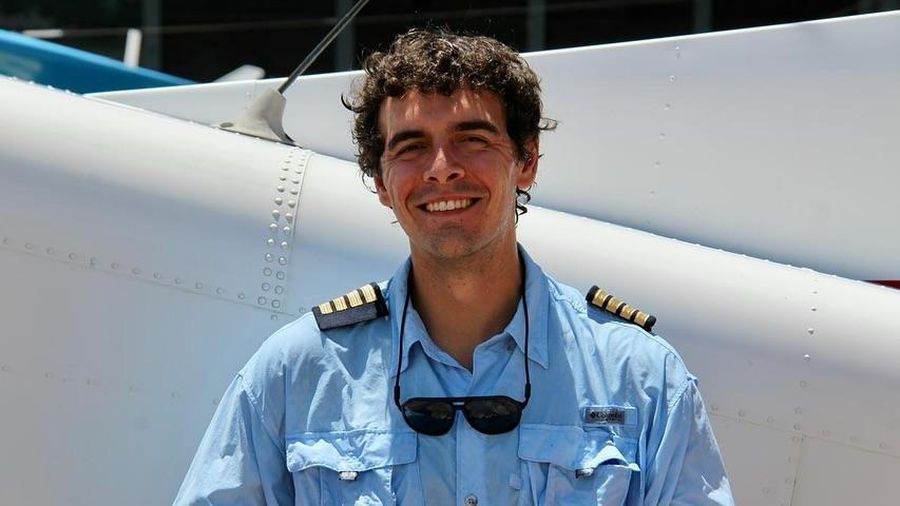
Indonesian authorities have stepped up their investigation into the deadly attack that killed American pilot Captain Nicholas Francis Gosselin, working for Associated Mission Aviation (AMA), after an armed attack by the West Papua National Liberation Army (TPNPB) under Elkius Kobak linked to the Free Papua Movement (OPM) at Ipdeheik Airstrip in Balinggama Village, Sobaham District, Yahukimo Regency, Papua Pegunungan (Papua Highlands) Provinces on 2 July 2026.
The incident has drawn international attention because it involved a civilian humanitarian flight operating in one of Indonesia’s most remote areas and ended with the plane being destroyed on landing. Authorities later confirmed that all seven passengers on the aircraft survived and that each passenger was a Papuan civilian, countering claims made by the armed group that the aircraft had been transporting Indonesian military personnel.
The plane took off from Wamena and landed at Ipdeheik, where it lost contact shortly afterwards, government officials said. Security forces later secured the location, evacuated the pilot’s body, and assisted the surviving passengers, who safely returned to their respective communities.
The incident has reignited international debate about the safety of civilian aviation servicing remote communities across Papua, where aircraft are still a vital lifeline for transport, healthcare, education, and humanitarian logistics.
Seven Civilian Passengers Survived
Indonesian authorities said seven Papuan civilians survived the attack. Without Indonesian authorities, reports indicated that seven Papuan civilians survived the attack unharmed, despite their absence. Officials said the passengers were not members of the Indonesian military or security forces but civilians on the inaugural flight. This clarification was subsequently echoed in reports by several international media outlets, including Reuters and The Guardian, which debunked the West Papuan Liberation Army (TPNPB) propaganda that the plane was carrying Indonesian military personnel.
The confirmation has become a key fact in understanding the circumstances of the incident, as the aircraft was operated by Associated Mission Aviation, an organization that provides transport services to remote communities.
AMA aircraft routinely fly food supplies, fuel, medical equipment, humanitarian workers, mail, and local residents to places that are inaccessible by road for much of the year. In the Papua Pegunungan, small aircraft often provide the only reliable link between isolated villages and regional service centers.
“It is still important to keep these air links open to support public services in mountainous areas where geographical conditions continue to limit ground transportation,” said transportation experts.
The TPNPB OPM Commander Elkius Kobak is Involved
The attack in Yahukimo also sparked worries of a wider pattern of violence associated with the armed group headed by Elkius Kobak. Indonesian authorities say the group carried out two separate attacks on civilian aircraft in 2026, killing three flight crew members. In February, a Smart Air plane was attacked by gunmen after landing at Korowai Batu Airstrip in South Papua, killing pilot Egon Erawan and co-pilot Baskoro Adi Anggoro. All 13 civilian passengers survived the incident. Most recently, on 2 July, the same group was identified by authorities as being behind the fatal shooting of American missionary pilot Captain Nicholas Francis Gosselin and the burning of an Associated Mission Aviation (AMA) aircraft in Yahukimo, with all seven Papuan civilian passengers escaping safely. The repeated attacks on civilian aviation have raised security concerns among humanitarian agencies and aviation operators, as pioneer aircraft are a vital lifeline for ferrying people, medical supplies, food, and other essential services to Papua’s isolated highland communities.
Pilot Remembered for Humanitarian Service
Captain Nicholas Francis Gosselin, a citizen of the United States, was a missionary pilot with Associated Mission Aviation at the time of the event.
He was an experienced aviator who was dedicated to serving isolated communities through humanitarian aviation, his colleagues said. His responsibilities included the delivery of essential supplies, aid to missionary work, and support of communities that depend heavily on regular air services.
Although pioneer aviation is often overlooked by the general public, the pilots who work in Papua play an important role in maintaining health services, access to schools, emergency assistance, and local businesses in remote districts.
So the death of Captain Gosselin has resonated far beyond the aviation fraternity, drawing attention to the wider humanitarian significance of civilian flights over the Papua Pegunungan.
Authorities Recover the Pilot’s Body
In a coordinated evacuation operation in difficult terrain and security conditions, Indonesian military personnel successfully recovered the body of Captain Gosselin.
Subsequent medical examinations determined that the pilot died of gunshot wounds. Forensic results indicated the pilot sustained fatal injuries to the face from firearm projectiles. Indonesian investigators are still examining more evidence as part of the criminal probe.
Officials also finished evacuating the aircraft’s remains and secured the airstrip for further investigative work.
The operation was carried out with the cooperation of the Indonesian military, police, aviation authorities, and local officials working in difficult logistical conditions in the mountainous region.
Indonesia Condemns the Attack
Senior Indonesian officials condemned the attack in the strongest terms and said violence against civilian aviation was unacceptable.
The Indonesian Coordinating Minister for Political, Legal, and Security Affairs, Djamari Chaniago emphasized the significance of humanitarian and civilian transportation in serving remote communities across Papua. They also said law enforcement agencies would continue to investigate the incident and identify those responsible.
The Indonesian Deputy Minister of Home Affairs, Ribka Haluk publicly condemned the attack, while other officials reaffirmed the government’s commitment to ensuring security for civilian transport operating throughout Papua.
The Deputy Chairman of Commission I of the Indonesian House of Representatives, Dave Laksono also urged continued assessment of aviation security measures and increased protection for aircraft operating in remote areas.
Safe access is still needed for humanitarian and commercial flights, observers say, and this is an important part of broader efforts to improve public services across Papua.
United States and AMA Coordinate Repatriation
Associated Mission Aviation said after the incident that arrangements were being made to return the remains of Captain Gosselin to the United States with the help of the U.S. Embassy in Jakarta.
The airline stated it was assisting employees affected by the tragedy and offered its condolences to the pilot’s family.
While no detailed public statement was issued immediately by the U.S. Embassy following the incident, coordination for consular assistance and repatriation was reported through Indonesian authorities and Associated Mission Aviation.
The death of an American pilot in Papua attracted coverage around the world, with leading news organisations in North America, Europe, Asia, and Oceania all reporting on the case.
International Coverage Highlights Humanitarian Aviation
The incident quickly became one of the most reported developments related to Papua in 2026.
The attack was reported by international organizations such as Reuters, The Guardian, BBC, ABC Australia, Nikkei Asia, NBC News, Anadolu Agency, and many others; it highlights the humanitarian role that civilian aircraft have in Papua’s mountainous interior.
Most international reports have said pioneer aircraft are critical for transportation to isolated communities, carrying food, fuel, medicine, teachers, health workers, and local residents.
It is this humanitarian aspect that explains why attacks involving civilian aviation attract attention beyond Indonesia, especially when foreign nationals are involved.
Human Rights Commission Condemns Attack on Civilian Aviation
The incident also prompted a response from the representative office of Indonesia’s National Human Rights Commission (Komnas HAM) in Papua as investigations continue. “The attack was condemned by Frits Ramandey, head of the Papua office, who stressed that violence against civilian aviation cannot be justified because of the humanitarian consequences.
Aircraft that serve the highlands of Papua are not just a commercial means of transportation but a lifeline for isolated communities, Ramandey said. They deliver emergency treatment patients, health workers, teachers, medicines, food supplies, election logistics, and other essential services to villages disconnected from roads.
He urged all parties to respect humanitarian principles and to adopt measures to ensure civilian transportation is not subject to violence, stressing that attacks on non-combatant aircraft threaten the safety of vulnerable communities. His comments echoed worries expressed by humanitarian organizations and aviation specialists that disruptions to pioneer aviation affect not only airline operators but also thousands of Papuans who depend on regular flights to access basic public services.
Indonesian Authorities Reject Allegation That the Aircraft Carried Troops
One of the major developments following the attack was the clarification of the passengers on board the AMA aircraft.
The aircraft was carrying seven indigenous Papuan civilians, including women, and no members of the Indonesian military or police, Indonesian authorities said. All seven passengers were safely evacuated, and this information was confirmed through flight manifests and subsequent investigations, officials said.
The clarification came after the armed group said the aircraft had been supporting military operations. The group’s spokesperson, Sebby Sambom has publicly repeated those claims, but no independent verification has been provided. Indonesian authorities maintained the flight was a civilian operation to serve remote communities, and international reports also carried official confirmation that the passengers were civilians.
For aviation watchers, the confirmation underlines the humanitarian character of many of the pioneer flights that operate in the mountainous interior of Papua, where aircraft routinely transport civilians and essential supplies between isolated districts.
International Response Expands Beyond Indonesia
The death of Captain Nicholas Francis Gosselin raised an international response, since the victim was an American citizen involved in humanitarian aviation.
Associated Mission Aviation said it was coordinating with the support of the United States Embassy in Jakarta for the repatriation of the pilot’s remains, while the organization was focused on supporting the pilot’s family and colleagues. Indonesian authorities also assisted in the evacuation and repatriation.
International media outlets from North America, Europe, Australia, Asia, and Africa widely reported the incident. Across outlets such as Reuters, BBC, The Guardian, ABC Australia, Nikkei Asia, Associated Press, Anadolu Agency, NBC News, and more, two themes kept coming up: the death of an American humanitarian pilot and the importance of civilian aviation to isolated communities across Papua.
Editorial approaches varied, but many of the reports detailed the difficult geography of Papua and highlighted the fact that small aircraft are often the only feasible way to bring healthcare, education, food, and emergency aid to remote villages.
A Pattern of Attacks Raises Aviation Security Concerns
The Yahukimo attack has also renewed attention to a series of violent incidents involving civilian aviation in recent years.
New Zealand pilot Philip Mark Mehrtens was taken hostage in February 2023 after landing a Susi Air aircraft in Nduga Regency, Papua Pegunungan, and later released a year later after lengthy negotiations. New Zealand helicopter pilot Glen Malcolm Conning shot dead after landing in Alama District, Mimika Regency, Papua Tengah (Central Papua), in August 2024. Earlier in 2026, two Indonesian Smart Air pilots, Captain Egon Erawan and Captain Baskoro Adi Anggoro, were also killed in an attack during a landing operation in Boven Digoel Regency, Papua Selatan (South Papua). These incidents have raised alarms for aviation operators that serve remote areas.
Security analysts say repeated attacks on pioneer aviation can have ramifications beyond immediate casualties. Reduced flight operations could restrict the access to healthcare, education, humanitarian assistance, and economic activity of communities that rely almost exclusively on air transport.
Civilian Aviation Remains Essential for Papua
Dense networks of roads connect most of the regions, but large areas of Papua can be reached only by air.
Missionary aviation agencies, commercial trail-blazing airlines, and government-funded operators regularly fly in doctors, nurses, teachers, medicines, election supplies, food supplies, building supplies, and emergency patients to isolated mountain communities.
Development experts agree that reliable aviation services directly support better health, improved access to education, disaster response, and local economic resilience. Any extended disruption, therefore, impacts not just transport providers but wider public service delivery across Papua.
For this reason, besides investments in roads, telecommunications, healthcare, and education, aviation safety is still considered an important part of regional development.
Looking Ahead
Indonesian authorities have said criminal investigations into the Yahukimo attack will continue while security agencies work to maintain safe access for civilian flights operating across Papua’s remote highlands. The incident has also rekindled international interest in the role of pioneer aviation in linking isolated communities that rely on air transport for vital services. Continued cooperation between aviation operators, local authorities, and security institutions will be important to ensure that humanitarian flights can continue to serve remote populations while minimizing risks to civilian personnel.
Conclusion
The death of Captain Nicholas Francis Gosselin is not only a loss of an experienced humanitarian pilot but also highlights the broader challenges facing civilian aviation in Papua’s remote interior. The official confirmation that all seven passengers were Papuan civilians points to the humanitarian nature of the flight and underlines the need to protect noncombatant air services. As investigations continue and international focus continues to be drawn to the incident, strengthening aviation security while maintaining reliable humanitarian access will remain critical to supporting health care, education, emergency response, and the daily needs of isolated communities throughout Papua.

