Long before modern state boundaries divided the Pacific Ocean into separate countries, communities throughout the region were connected by migration routes, maritime traditions, languages, and cultural practices that spanned from island to island.
The historical connection is likely to be back in the forefront again when the return of the Biak Munara Wampasi Festival 2026 to Biak Numfor Regency, Papua, on 17–21 October 2026.
From a local cultural festivity, it has become one of the biggest indigenous festivals in Indonesia. Organizers are planning something bigger this year. The festival will be a showcase of Biak traditions and a platform for cultural diplomacy between Papua and Pacific nations with common Austronesian roots and centuries of historical interaction, local authorities and cultural leaders say.
The Biak Numfor administration said the event’s preparations were about 90 percent complete. The festival has also been incorporated into Indonesia’s prestigious national tourism calendar, the Karisma Event Nusantara (KEN) 2026, managed by the Ministry of Tourism.
For the people of Biak, the festival is much more than just a matter of tourism statistics or the number of visitors.
It’s about affirming identity, maintaining ancestral traditions, and positioning Papua as a conduit between Indonesia and the wider Pacific community.
A Festival Rooted in History and Maritime Heritage
Munara Wampasi’s name is well-known in Biak’s cultural memory.
For generations the people of Biak have maintained a close relationship with the sea. Their forebears possessed traditional navigational skills long before modern technology that allowed them to navigate across the vastness of the Pacific Ocean.
Such maritime traditions created networks of interaction linking Biak to communities throughout what is now Papua New Guinea and the rest of the Pacific islands.
Local leaders today believe those historical ties remain.
In the lead-up to the festival, Head of the Biak Numfor Regency Tourism Office Turbey Onesimus Dangeubun stressed that cultural heritage can be a key tool for fostering understanding and cooperation in the Pacific of today.
More Than a Tourism Event
Organizers plan the 2026 edition as a strategic cultural platform, not merely as an entertainment event.
The festival will include traditional dances, indigenous music, maritime rituals, culinary exhibitions, cultural talks, and performances that highlight the unique heritage of Biak and Papua.
These activities, the local authorities hope, will promote opportunities for dialogue between Papua and visitors from other Pacific communities.
Culture, officials involved in the preparations said, often works where politics and formal diplomacy have constraints.
Shared traditions, language similarities, and historical connections between communities can lead to trust and mutual respect.
Consequently, people increasingly view the festival as a form of people-to-people diplomacy.
Papua’s Cultural Gateway to the Pacific
The festival has gained national attention, in part because of the strategic location of Biak.
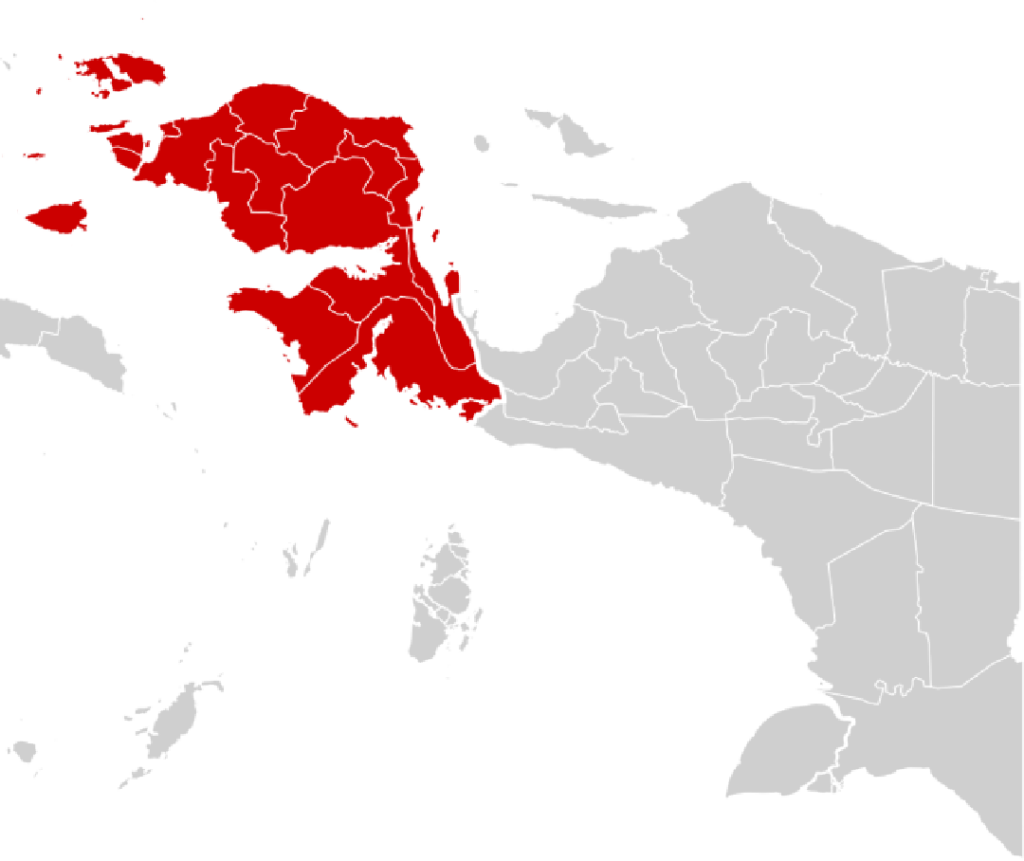
Biak, located on the northern coast of Papua, has long been an important meeting point between Southeast Asia and the Pacific.
Its location makes it ideal for the holding of international cultural exchanges.
Building Bridges Through Shared Heritage
Officials in Biak Numfor Regency have repeatedly stated that the festival is part of a broader vision to make Papua an active participant in regional cultural engagement.
The initiative highlights community ties rather than just government-to-government contact.
The approach recognizes that many Pacific societies share common values such as respect for customary traditions, communal solidarity, environmental stewardship, and strong family ties.
The organizers hope these similarities will be used to forge deeper cultural links and understanding between the two.
In the Pacific, where identity and heritage are often at the heart of international relations, the importance of cultural diplomacy is growing, observers said.
Preserving Indigenous Culture for Future Generations
But the festival also has an important local purpose, in addition to its diplomatic aims.
“Traditional knowledge is slowly fading from the younger generations in Papua, and many cultural practitioners have expressed their concern about the trend.
Across the Pacific, globalization, urbanization, and changing ways of life have reshaped communities.
Many indigenous traditions are therefore coming under increasing pressure.
Keeping Local Traditions Alive
Elders in Biak can pass on knowledge from one generation to another at festivals like Munara Wampasi.
Traditional dances, songs, oral histories, and customary practices are more than performances.
They are the living expression of identity and collective memory.
One of the main aims of the festival, organizers say, is to ensure young Papuans still learn and understand their ancestors’ history and cultural values.
Schools, youth organizations, artists, and cultural groups are expected to be active participants in the event.
The hope is that cultural preservation will be a collective endeavor and not the burden of elders alone.
Economic Opportunities for Local Communities
The benefits of the festival are also expected to extend beyond the preservation of culture.
The event is expected to give a boost to the economic activity of local businesses, artisans, food vendors, and tourism operators.
Previous editions have drawn visitors from across Papua and other parts of Indonesia.
Supporting Community-Based Tourism
Small and medium enterprises are getting ready to present traditional products, local culinary specials, and handicrafts.
Cultural festivals offer significant seasonal revenue for many families.
The event is also a platform to promote community-based tourism initiatives that present authentic cultural experiences.
Regional officials believe cultural tourism can help spur sustainable economic growth and promote the preservation of indigenous heritage.
Several Pacific destinations have successfully adopted this model where cultural identity has become a valuable economic asset.
Recognition on Indonesia’s National Tourism Calendar
The inclusion of Biak Munara Wampasi in the Karisma Event Nusantara 2026 program reflects the growing awareness of its importance at the national level.
KEN is the flagship platform for tourism promotion in Indonesia and covers events that are considered capable of attracting visitors while also promoting the uniqueness of regions.
Elevating Papua’s Global Visibility
Tourism stakeholders say international awareness of Papua is often low, despite the region’s extraordinary cultural diversity.
Biak Munara Wampasi and other events offer an opportunity to tell a more nuanced and complete story of Papua to national and international audiences.
The festival emphasizes cultural creativity and social resilience and historical continuity, not just political narratives.
This wider view may also contribute to strengthening Papua’s position within Indonesia’s cultural field and its visibility across the Pacific region.
Why Cultural Diplomacy Matters in the Pacific
Pacific affairs have drawn greater international attention in recent years, driven by geopolitical competition, armed conflict, climate change, and initiatives for economic cooperation.
But cultural ties remain one of the most durable bases of regional relationships.
Soft Power Through Tradition
Cultural diplomacy, unlike formal diplomacy, is based on shared experiences and human connections.
Music and dance, language, and traditional practices often establish emotional connections that cross political divides.
Cultural diplomacy in Papua is an opportunity to interact with the surrounding community based on the same culture, not political discussions.
Experts often refer to this as a type of soft power that can help build trust and long-term partnerships.
Biak Munara Wampasi 2026 is an embodiment of this philosophy.
The festival is a celebration of cultural traditions and a call to action for wider Pacific participation, and an example of how heritage can be a driver of regional engagement.
A Festival with Regional Significance
Preparations are in their final stages as excitement is building throughout Biak Numfor.
Local communities are preparing for performances, cultural displays, and traditional ceremonies that are expected to draw visitors from across Indonesia and abroad.
The festival is more than an annual celebration for residents.
It is a chance to tell their story, share their heritage, and build relationships with communities with similar historical roots across the Pacific Ocean.
Looking Beyond 2026
Officials who have been involved in organizing the event say the festival has a lot of future potential.
If Biak Munara Wampasi is successfully implemented, it could be one of the most prominent cultural diplomacy platforms in Eastern Indonesia.
Such a role would enhance tourism and strengthen cultural cooperation, academic exchanges, and people-to-people ties across the Pacific.
Conclusion
Biak Munara Wampasi Festival 2026 shows how culture can be many things at the same time. It maintains indigenous traditions, builds local identity, creates economic opportunities, and builds ties with Pacific communities that share historical and cultural roots with Papua. Biak will be hosting visitors from 17 to 21 October 2026, and the festival is set to be more than just a tourist attraction but a symbol of Papua’s increasing role in cultural diplomacy across the Pacific. In this era of heightened geopolitical rivalry, the festival reminds us that shared heritage and human connection are still potent tools for understanding and cooperation.