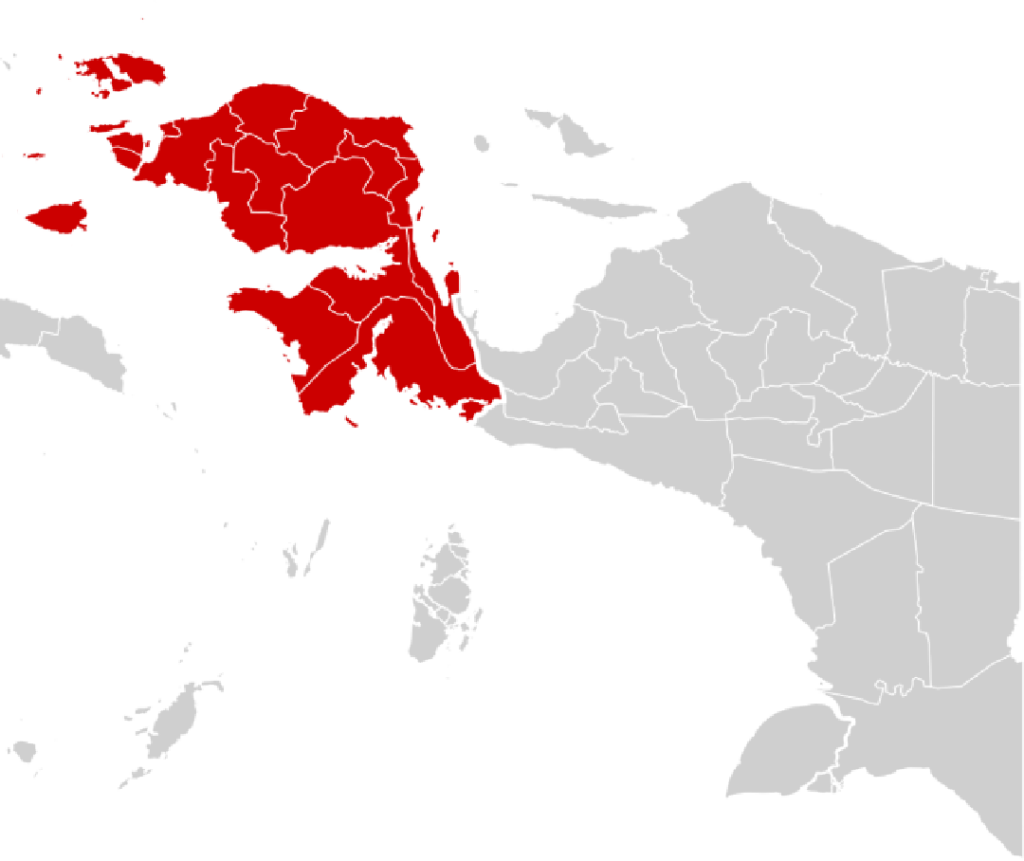
In Merauke, Papua Selatan (South Papua) province, the land stretches quietly toward the sea. It is a place where distances feel wide, where daily life moves without much interruption, and where the border is both a line on the map and a lived reality.
For most residents, the outside world arrives in predictable ways. Scheduled flights, occasional visitors, and official crossings. Nothing unusual.
That is why, when news spread that three foreign nationals had entered the area without proper documents, it quickly became a topic of conversation.
Not because incidents like these never occur.
However, authorities take such incidents seriously when they do occur.
How It Started
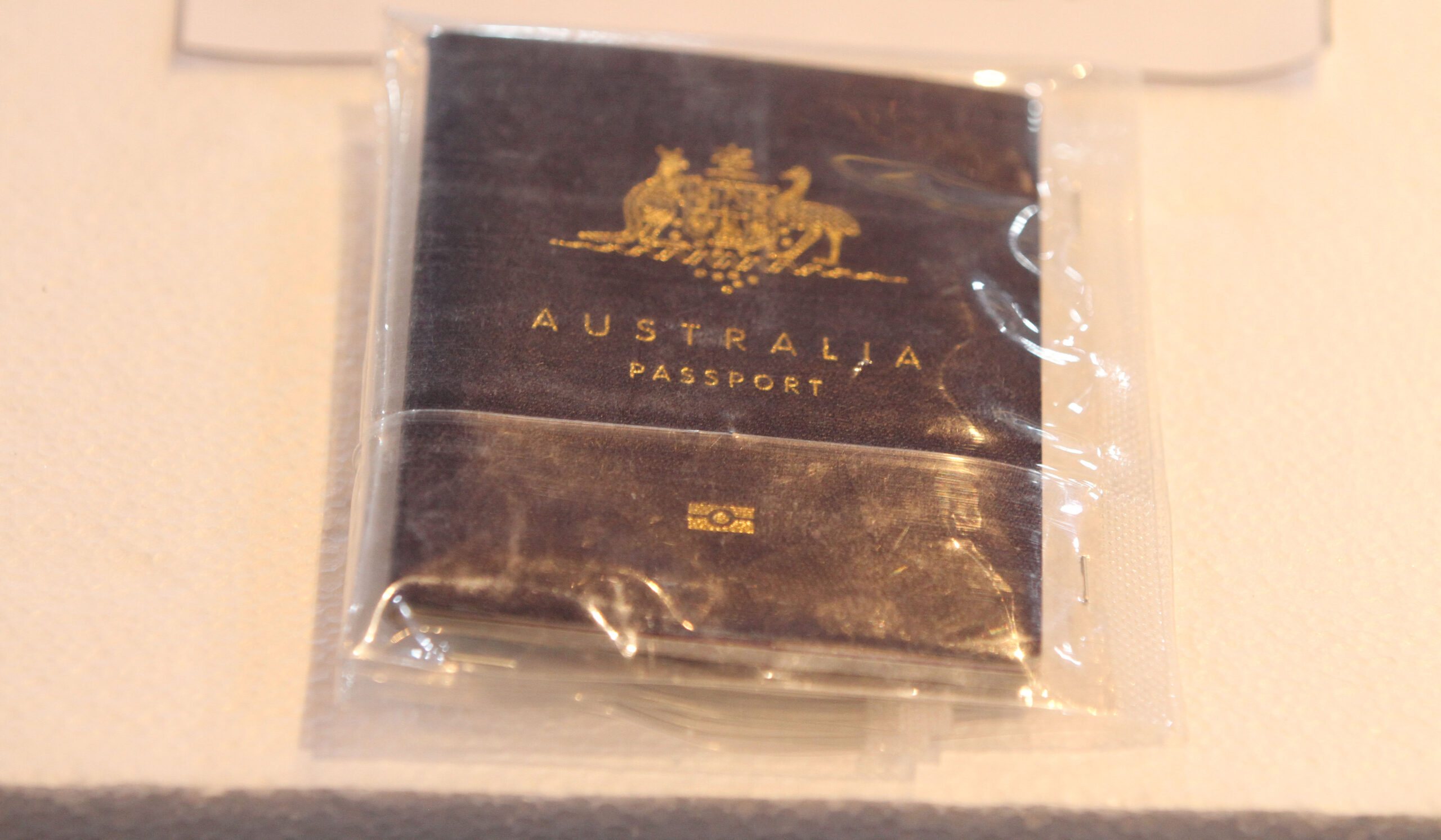
According to Indonesian immigration officials, on April 8, 2026, the three individuals ZA, DTL, and JVD, all Australian citizens, were found to have entered Papua without completing standard entry procedures since November 17, 2025.
There were no valid travel documents. No official permits.
In a region like Papua, that matters.
Authorities in Merauke identified the irregularity early. Once the situation became clear, officers moved to secure the individuals and begin verification.
There was no dramatic chase.
No public confrontation.
Just a quiet but firm response.
“They didn’t obey the rules,” an officer familiar with the case said. “So we handled it according to procedure.”
Why Papua Is Different
For travelers unfamiliar with Indonesia, Papua can seem like just another destination.
It is not.
Certain areas in Papua require additional permissions for foreign visitors. These rules are not arbitrary. They are tied to geography, security considerations, and administrative needs.
In practical terms, this means that entering Papua involves more than booking a flight and arriving at an airport.
Documentation must be complete.
Permits must be in place.
And in some cases, travel plans must be reported.
Failing to follow these steps can lead to consequences.
As this case shows.
The Moment Authorities Stepped In
Once the three Australians were identified, officers from Indonesia’s immigration office began a standard process.
Identity checks. Document verification. Interviews.
The absence of valid paperwork immediately raised concerns.
From there, the decision was straightforward.
The individuals were detained for further investigation.
Officials emphasized that the process followed established legal procedures. There was no deviation, no special handling.
“It’s the same for everyone,” one official explained. “Nationality doesn’t change the rules.”
What Happens Next
Cases like these do not end quickly.
After initial detention, authorities continue to gather information. They examine how the individuals entered, why they did so, and whether there were any additional violations.
Communication with diplomatic representatives is also part of the process.
In this case, Indonesian authorities have coordinated with Australian officials to ensure that the situation is handled appropriately, which may involve discussions about the legal ramifications and potential penalties for the individuals involved.
For the individuals involved, the outcome could include deportation, fines, or other administrative actions, depending on the findings.
The Results of Coordination between Indonesian and Australian Authorities
Two Australian identified as ZA and DTL, who were reportedly under city arrest in Australia, attempted to flee to Indonesia’s Papua region with the assistance of a fellow Australian pilot.
According to Indonesian immigration authorities, the pair entered the country illegally via Mopah Airport in Merauke after being secretly picked up during a transit at a remote airstrip in Australia that lacked immigration controls.
Their names were not listed on the official flight manifest, raising suspicion upon arrival. The aircraft, a small Piper PA23 Aztec, was piloted by an Australian identified as JVD, who allegedly facilitated their entry by concealing their presence during the journey.
Preliminary findings suggest that the motive behind ZA and DTL’s attempt to enter Indonesia was linked to their effort to evade legal restrictions in Australia, where they were under supervised detention status.
By exploiting a private flight route and weak oversight at a remote transit point, they sought to bypass immigration procedures entirely. Indonesian authorities swiftly detained all three individuals upon arrival, later naming them as suspects for illegal entry into Indonesian territory.
The case has since progressed legally, with prosecutors declaring the investigation complete and ready for trial, underscoring Indonesia’s strict stance on border violations and transnational evasion attempts.
A Matter of Law, Not Politics
From the government’s perspective, the issue is clear.
This is not about nationality or intent.
It is about compliance.
Indonesia’s immigration system operates on defined rules. Entry into the country requires documentation. Entry into specific regions may require additional permits.
These rules are not optional.
And enforcement, officials say, is consistent.
Why Enforcement Matters
For residents of border regions like Merauke, enforcement is not just a legal concept.
It is part of daily life.
Borders are not abstract lines. They shape movement, trade, and interaction.
When someone enters without following procedures, it raises concerns about security, legality, and the integrity of the border system.
A local resident described it simply.
“If people can enter without permission, then what does the border mean?”
That question reflects a broader understanding.
Rules exist to maintain order.
A Wider Pattern
While this incident has drawn attention, it is not entirely unique.
Indonesia has previously taken action against foreign nationals who violated entry regulations, particularly in sensitive areas.
These cases tend to follow a similar pattern.
Detection. Detention. Investigation. Resolution.
The consistency of this pattern reinforces the message that compliance is expected.
The Balance Between Openness and Control
Indonesia welcomes millions of visitors each year.
Tourism is a major part of the economy. International travel is encouraged.
But openness comes with structure.
Entry requirements exist for a reason.
They help manage movement, ensure security, and maintain administrative order.
The situation in Merauke highlights this balance.
Visitors are welcome.
But only if they obey the rules.
The Local Impact
For people in Merauke, the incident is less about international relations and more about immediate reality.
It is about maintaining stability.
Life in border areas depends on predictability. Knowing who is entering and why matters.
When that predictability is disrupted, even briefly, it becomes noticeable, leading to increased anxiety among residents about their safety and security.
At the same time, the way authorities handled the situation has reassured some residents.
“There was no chaos,” one shop owner said. “They handled it calmly.”
That calm response is part of what keeps situations from escalating.
Lessons for Travelers
For international travelers, the case offers a straightforward lesson.
Preparation matters.
Understanding entry requirements is not optional. It is part of responsible travel.
This principle is especially true for regions with specific regulations.
Papua is one of them.
Failing to prepare can turn a trip into a legal issue.
Looking Ahead
As of now, the case remains under review.
Authorities continue to assess the details. Decisions regarding the individuals involved will follow legal procedures, which may include hearings, appeals, and potential outcomes such as deportation or legal status adjustments.
For immigration officials, the focus is not only on resolving this case but also on maintaining broader compliance.
Each incident becomes a reminder.
Rules are in place.
And they will be enforced.
Conclusion
In Merauke, the arrival of three Australians without proper documentation was not just a minor irregularity.
It was a test of how rules are applied.
The response from Indonesian authorities was measured but firm.
Detention. Investigation. Coordination.
No drama, but no leniency either.
For the wider audience, the message is clear.
Travel is not just about reaching a destination.
It is about respecting the systems that govern it.
And in places like Papua, where geography and regulation intersect, that respect becomes even more important.