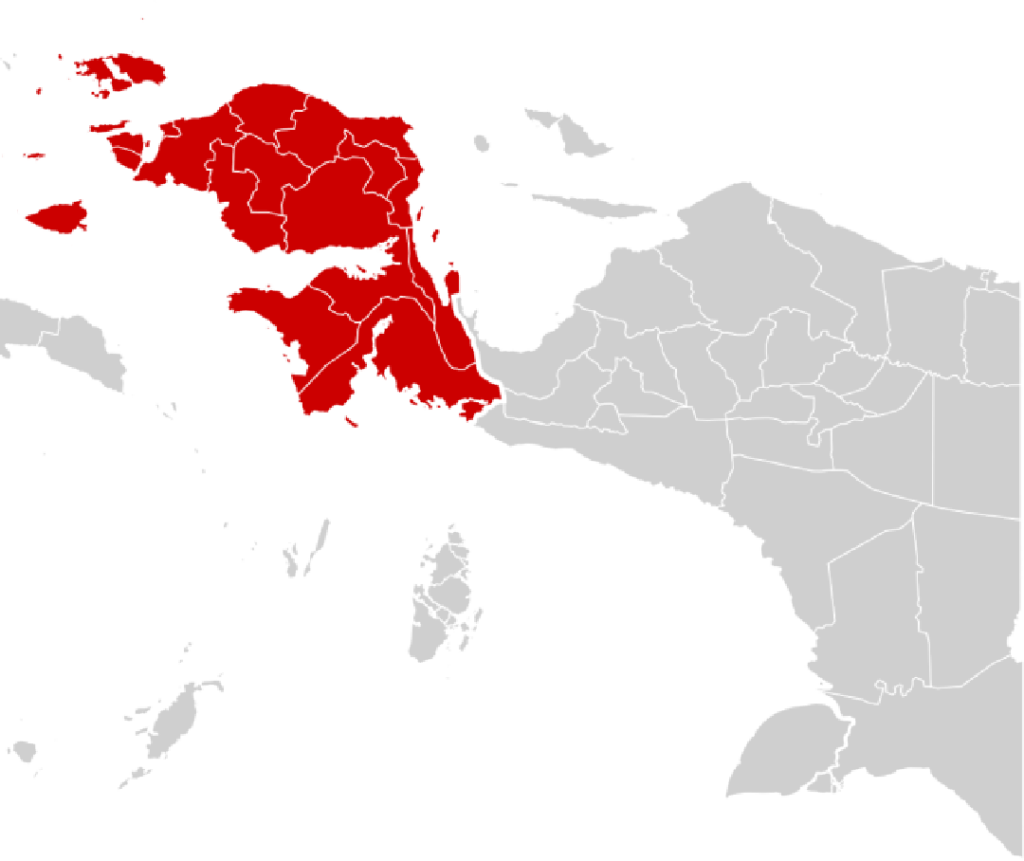
What began as a discussion around an independent film quickly evolved into a wider political conversation about Papua, freedom of expression, and the role of the Indonesian state.
Over the past week, public debate intensified after reports circulated online claiming that several community screenings and discussion events for the controversial film Pesta Babi had been forcibly dissolved. The issue spread rapidly across social media platforms, student groups, and activist circles, especially because the film reportedly touches on sensitive themes involving Papua, Indigenous communities, and government food security projects.
As criticism intensified, questions arose about the increasing restrictions on public discussions regarding Papua.
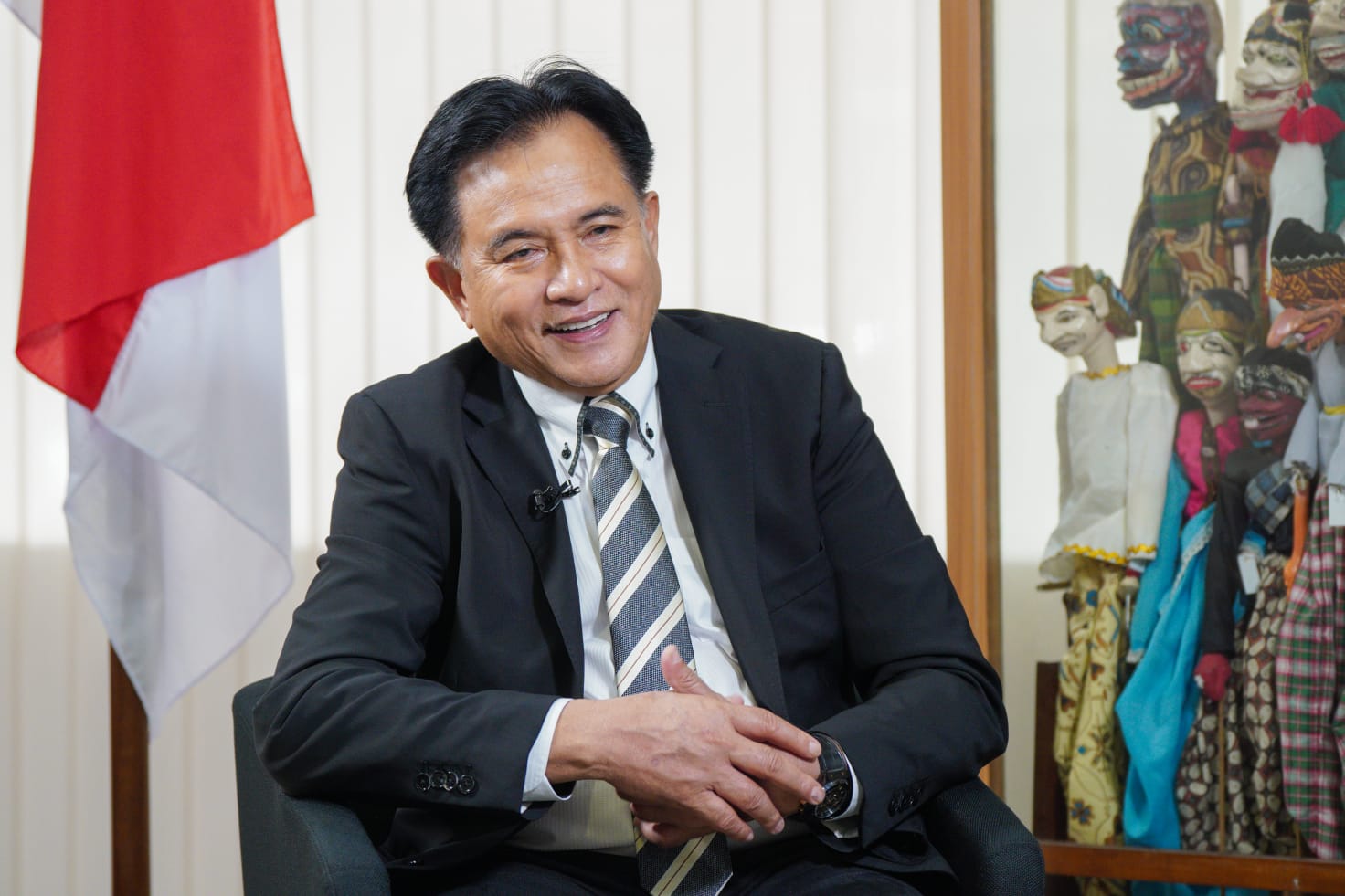
On May 19, Coordinating Minister for Law, Human Rights, Immigration, and Corrections Yusril Ihza Mahendra publicly responded to the controversy.
“The government never prohibited public screenings of the film,” Yusril said in Jakarta on May 19, according to statements quoted by Detik and official ministry channels. “Criticism and discussion spaces must remain open.”
At the same time, Yusril also rejected narratives connected to the film suggesting Indonesia was “colonizing” Papua through food security programs, insisting Papua remains an inseparable part of Indonesia both constitutionally and historically.
The Debate Started With Allegations of Forced Dissolution
The controversy surrounding Pesta Babi intensified after allegations spread online claiming several screening events connected to the film had faced pressure or forced cancellation.
Although details surrounding each incident varied, the narrative quickly developed into a broader debate involving freedom of expression and public discussion surrounding Papua.
Student organizations and civil society groups began questioning whether criticism involving Papua was facing informal restrictions.
Several online discussions linked the controversy to wider concerns regarding academic freedom, cultural expression, and state sensitivity over Papuan political issues.
By May 19, the issue had become prominent enough that national government officials directly addressed it publicly.
Yusril Says Government Never Ordered a Ban
“Criticism Is Part of Democracy”
Speaking to journalists on May 19, Yusril denied accusations that the Indonesian government had instructed authorities to ban or dissolve public screenings of Pesta Babi.
“The government never ordered the dissolution of public screenings,” he said.
Yusril stated that one should not automatically interpret criticism directed toward the government as hostile activity.
“Criticism and public discussion are part of democracy,” he stated. “Those things can become material for evaluation by the government itself.”
His remarks were later repeated through official government communication channels, including statements published by the Ministry of Law and Human Rights.
The comments seemed intended to alleviate public anxiety over the narrowing of open discussions involving Papua.
Government Says Public Discussion Must Stay Open
In statements published through official ministry platforms on May 19, Yusril emphasized that Indonesia remains committed to constitutional guarantees regarding freedom of expression.
“The space for discussion and criticism must remain open,” he said.
At the same time, he acknowledged that public criticism regarding state policies would continue emerging, particularly in regions as politically sensitive as Papua.
Several legal observers noted that the government’s response reflected an effort to balance democratic openness with concerns over narratives viewed as politically divisive.
Papua Narrative Inside the Film Sparks Strong Response
Yusril Rejects “Colonialism” Claims
While defending open discussion, Yusril also directly challenged the political narrative associated with the film.
One of the most debated aspects of Pesta Babi involved claims suggesting Indonesia was “colonizing” Papua through food security and agricultural development programs.
Yusril firmly rejected that characterization.
“Papua is part of the Republic of Indonesia,” he said on May 19. “The government has never colonized Papua.”
According to him, state programs involving agriculture and food security were designed to improve economic welfare and strengthen food resilience, not to exploit Papuan communities.
The minister argued that describing government programs as colonialism ignored Papua’s constitutional position within Indonesia.
Food Security Programs Become Part of Wider Debate
The controversy surrounding Pesta Babi also drew attention because it touched on Indonesia’s food security agenda in Papua.
Recently, the government has promoted agricultural expansion and food resilience projects across eastern Indonesia, including several Papuan regions.
Officials argue the programs are necessary to strengthen national food supply chains, reduce logistical dependence, and improve local economic opportunities.
However, some activists and civil society groups have raised concerns regarding land use, environmental impacts, and Indigenous participation.
Yusril acknowledged that criticism of public policy remains legitimate within democratic discussion, but he rejected framing the programs as evidence of colonial control over Papua.
Papua Remains Highly Sensitive in National Discourse
Discussions Often Carry Political Weight
Public conversations involving Papua often extend beyond cultural or development issues.
Questions involving identity, sovereignty, Indigenous welfare, and political history often overlap in ways that quickly intensify public reactions.
That partly explains why a film discussion could rapidly evolve into a national political debate.
Several political analysts noted this week that Papua continues occupying a uniquely sensitive position in Indonesian public discourse because discussions there frequently involve both democratic freedoms and national unity concerns simultaneously.
Government Continues Balancing Openness and Stability
Indonesia’s government has repeatedly stated that criticism and discussion are protected under democratic principles.
At the same time, authorities also remain cautious regarding narratives considered capable of encouraging separatism or undermining national cohesion.
Yusril’s response clearly demonstrated this delicate balance.
On one hand, he defended public discussion and denied allegations of censorship.
On the other hand, he strongly rejected political narratives portraying Indonesia as a colonial force in Papua.
The dual response reflected how the government continues trying to navigate increasingly complex discussions involving Papua in the digital era.
Papua Development Policies Continue Expanding
Infrastructure and Welfare Programs Remain Priorities
The debate surrounding Pesta Babi emerged while the Indonesian government continues expanding infrastructure, education, healthcare, and economic programs across Papua.
Food security initiatives themselves have become part of broader national development efforts aimed at reducing inequality between eastern Indonesia and more developed western regions.
Recently, Jakarta has increased investment in transportation access, internet connectivity, electricity distribution, schools, and agricultural development throughout several Papuan provinces.
Government officials assert that these programs aim to enhance welfare and bolster long-term economic resilience.
Criticism Still Appears Openly Across Indonesia
Despite recurring controversy surrounding Papua, criticism and debate regarding government policy continue appearing openly across universities, civil society forums, online platforms, and the national media.
Discussions involving autonomy, Indigenous rights, resource management, and governance remain active within Indonesia’s democratic landscape.
Yusril’s statements also indirectly referenced that reality.
He argued that criticism itself should not be feared because democratic systems require public evaluation and open discussion.
Public Reactions Continue Dividing Opinion
Some Defend Artistic Freedom
Several activists and student groups continued defending public screenings of Pesta Babi after the controversy escalated.
They argued that films and artistic expression should remain part of legitimate public discourse, especially regarding sensitive social issues.
Some civil society organizations also called for authorities to ensure discussions involving Papua can occur peacefully without intimidation.
Others Warn Against Political Exploitation
Meanwhile, several public figures cautioned that cultural products related to Papua can occasionally serve to amplify political narratives associated with separatism or anti-state propaganda.
Those concerns remain highly sensitive because Papua continues experiencing periodic political tension involving armed separatist groups and debates over sovereignty.
Government officials have repeatedly stated they distinguish between democratic criticism and narratives considered threatening to national integrity.
Conclusion
The controversy surrounding Pesta Babi revealed how discussions involving Papua continue carrying deep political, cultural, and emotional weight inside Indonesia.
By publicly denying allegations that the government banned public screenings of the film, Coordinating Minister Yusril Ihza Mahendra attempted to reassure the public that criticism and democratic discussion remain protected.
At the same time, his rejection of claims portraying Indonesia as “colonizing” Papua reflected Jakarta’s firm position regarding sovereignty and national unity.
The broader debate also showed how Papua is increasingly discussed not only through security and politics but also through films, culture, digital media, and public narratives competing for influence in Indonesia’s democratic space.
For now, the government insists the discussion remains open.
But the reaction surrounding Pesta Babi also demonstrated that conversations involving Papua continue demanding careful balance between freedom of expression, public sensitivity, and political stability.