Concern over Papua’s Special Autonomy (Otsus) Fund spread quickly across local governments and community discussions in early May after rumors began circulating that Jakarta planned to reduce the region’s Otsus allocation for 2026.
In several provinces across Papua, the issue triggered anxiety because the Special Autonomy Fund remains one of the most important sources of financing for healthcare, education, infrastructure, and Indigenous empowerment programs.
Questions intensified after reports discussing budget efficiency measures at the national level appeared alongside public debate over fiscal allocations for other regions, including Aceh.
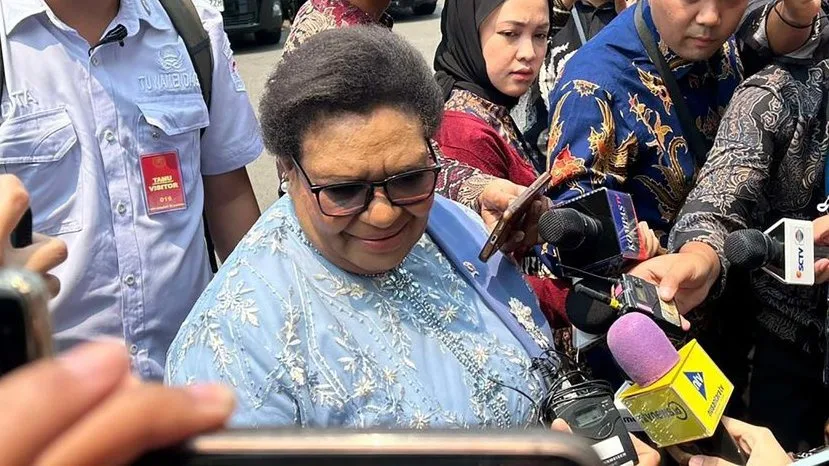
By mid May, the issue had become serious enough that Deputy Home Affairs Minister Ribka Haluk addressed it directly during meetings with Papuan regional leaders.
“The Special Autonomy Fund for Papua was not cut,” Ribka said on May 15 in remarks quoted by several national and regional media outlets. “Distribution is currently in process and almost completed.”
Ribka aimed to alleviate the increasing anxiety among local governments in Papua, who had started to doubt the continuity of this year’s development programs.
Rumors Spread Quickly Across Papua
The issue first gained wider attention after discussions emerged questioning whether the central government planned to reduce Otsus’ funding allocations as part of broader fiscal adjustments in 2026.
In Papua, even speculation surrounding Otsus funding immediately attracts public attention.
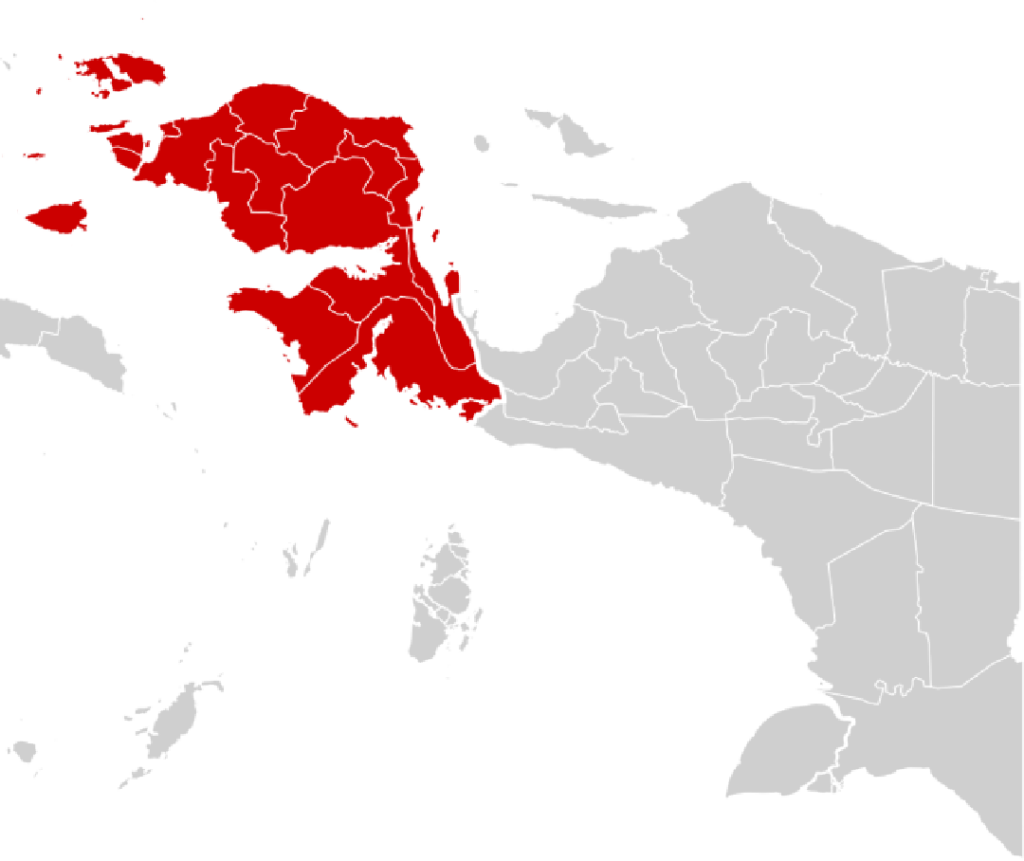
The fund is deeply tied to regional development programs and has become one of the main financial instruments supporting the provinces of Papua, Highland Papua, Central Papua, South Papua, Southwest Papua, and West Papua.
Several regional politicians publicly questioned the rumors after hearing concerns from local governments and communities.
In Southwest Papua, members of special autonomy legislative bodies warned that Otsus funding should not be reduced because many public programs still depend heavily on those allocations.
Local discussions intensified further after comparisons emerged regarding additional fiscal support for Aceh, prompting questions from some Papuan representatives about equal treatment in national policy.
Ribka Haluk Responds Publicly
“There Is No Reduction”
Deputy Minister of Home Affairs Ribka Haluk delivered one of the clearest responses during regional coordination meetings in Papua in mid May 2026.
On May 15, Ribka firmly rejected claims that the central government had reduced Papua’s Otsus funds.
“There is no cut,” she said in statements quoted by Tirto and Merdeka on Friday, May 15.
She explained that the delay in disbursement had contributed to public misunderstanding.
According to Ribka, the transfer process for the Special Autonomy Fund was still ongoing and would continue between May and June 2026.
“The distribution process is almost complete,” she added.
The clarification quickly became widely reported across Papuan media because of growing public concern surrounding the issue.
Ribka Speaks as a Papuan Figure Inside Government
Ribka’s remarks carried particular weight partly because she is one of the highest-ranking Papuan officials currently serving inside Indonesia’s central government.
Before becoming Deputy Home Affairs Minister, Ribka built much of her career in Papua’s regional bureaucracy and administration.
That background made her clarification especially important for many local leaders seeking reassurance about Jakarta’s commitment to Papua’s development funding.
Several regional officials later said the statement helped calm concerns among district governments waiting for Otsu disbursement schedules.
Otsus Funds Remain Crucial Across Papua
Education, Healthcare, and Infrastructure Depend on Otsus
Across Papua, Otsus funding supports a large portion of regional development spending.
Schools, health programs, road construction, village empowerment initiatives, scholarships, and Indigenous welfare programs often rely directly on special autonomy allocations.
In remote districts, especially in mountainous areas where infrastructure remains limited, Otsus funds frequently become the backbone of public services financing.
Because of that dependence, delays or uncertainty surrounding disbursement can quickly affect local government planning.
Several district officials in Papua acknowledged privately that they had become concerned after rumors spread about possible reductions.
Delayed Transfers Fueled Public Anxiety
Although Jakarta denied cutting the funds, several local officials admitted the timing of disbursement had already created nervousness among regional administrations.
Some districts were still waiting for full transfer schedules during May 2026, while local governments had already begun preparing operational budgets tied to healthcare services, schools, and infrastructure projects.
That gap between expectations and disbursement timing partly explains why the rumors spread quickly.
In Papua, where fiscal transfers from Jakarta remain central to development planning, uncertainty over funding often becomes politically sensitive.
President Prabowo Also Addressed the Issue
The controversy surrounding Otsus funding gained broader national attention after reports indicated President Prabowo Subianto also discussed the matter during meetings involving Papuan regional leaders.
According to statements quoted by Metro TV on May 16, Prabowo said the government was working to ensure Papua’s Special Autonomy Fund would not be reduced.
The president’s involvement reflected how sensitive the issue remains politically and socially in Papua.
For many communities, Otsus funding is viewed not only as a financial mechanism but also as part of Jakarta’s long-term political commitment to Papua’s welfare and development.
Papua Leaders Continue Monitoring the Process
Regional Representatives Demand Transparency
Even after Ribka’s clarification, regional representatives across Papua said they would continue monitoring the disbursement process carefully.
Some lawmakers and Otsus representatives publicly urged the central government to maintain transparency regarding distribution schedules and allocation mechanisms.
In Southwest Papua, local legislative figures issued warnings that Otsus allocations should remain protected because the funds directly affect welfare programs for Indigenous Papuan communities.
The concerns reflected broader sensitivity surrounding fiscal issues in Papua, where development gaps remain significant compared with many western Indonesian provinces.
Development Challenges Remain Large
Papua continues facing major infrastructure and service disparities across several sectors.
Transportation access remains difficult in remote districts. Healthcare and education quality remain uneven. Internet and electricity coverage also vary significantly between urban and isolated regions.
Because of those conditions, regional governments remain highly dependent on fiscal transfers from Jakarta, including Otsus funding.
Economists and development observers have repeatedly warned that interruptions or uncertainty surrounding those allocations could affect long-term planning across the region.
Otsus Debate Reflects Broader Political Sensitivity.
Fiscal Issues Often Become Emotional in Papua
Discussions involving special autonomy funding rarely remain technical budget matters in Papua.
For many Papuans, Otsus closely intertwines with issues of trust, development, political recognition, and the central government’s commitment to eastern Indonesia.
That partly explains why rumors surrounding possible budget cuts spread so quickly and generated strong reactions even before official clarification was issued.
Several local leaders later urged communities not to spread unverified information related to the funding issue.
At the same time, they also encouraged Jakarta to communicate more openly regarding fiscal policy decisions affecting Papua.
Distribution Expected to Continue Through June
According to Ribka Haluk’s statements on May 15 and 16, the Otsus distribution process is expected to continue gradually through May and June 2026.
Officials from the Ministry of Home Affairs said administrative processes and budget transfer mechanisms were still ongoing during the disbursement stage.
Local governments across Papua are now waiting for the remaining allocations to arrive so regional programs can proceed according to schedule.
For many district administrations, the issue is not simply about accounting procedures.
It directly affects schools, clinics, roads, village services, and public welfare programs operating across some of Indonesia’s most geographically challenging regions.
Conclusion
The clarification delivered by Deputy Home Affairs Minister Ribka Haluk during May 2026 reflected growing concern in Papua after rumors spread that Jakarta planned to reduce special autonomy funding.
By publicly stating that the funds had not been cut and that distribution would continue between May and June, the central government sought to reassure local governments and communities heavily dependent on Otsus allocations.
The episode also revealed how sensitive fiscal issues remain in Papua, where special autonomy funding continues shaping development programs, public services, and perceptions of Jakarta’s long-term commitment to the region.
For many Papuans, the debate was never only about budget figures.
It was about certainty that development promises linked to autonomy will continue reaching communities spread across one of Indonesia’s most difficult and diverse regions.