Inside the parliamentary complex in Jakarta on Thursday evening, May 22, discussion about Papua no longer centered only on security reports or political tensions.
Instead, lawmakers spoke increasingly about displaced families, disrupted schools, humanitarian concerns, and the growing fatigue felt by ordinary civilians living in areas affected by conflict.
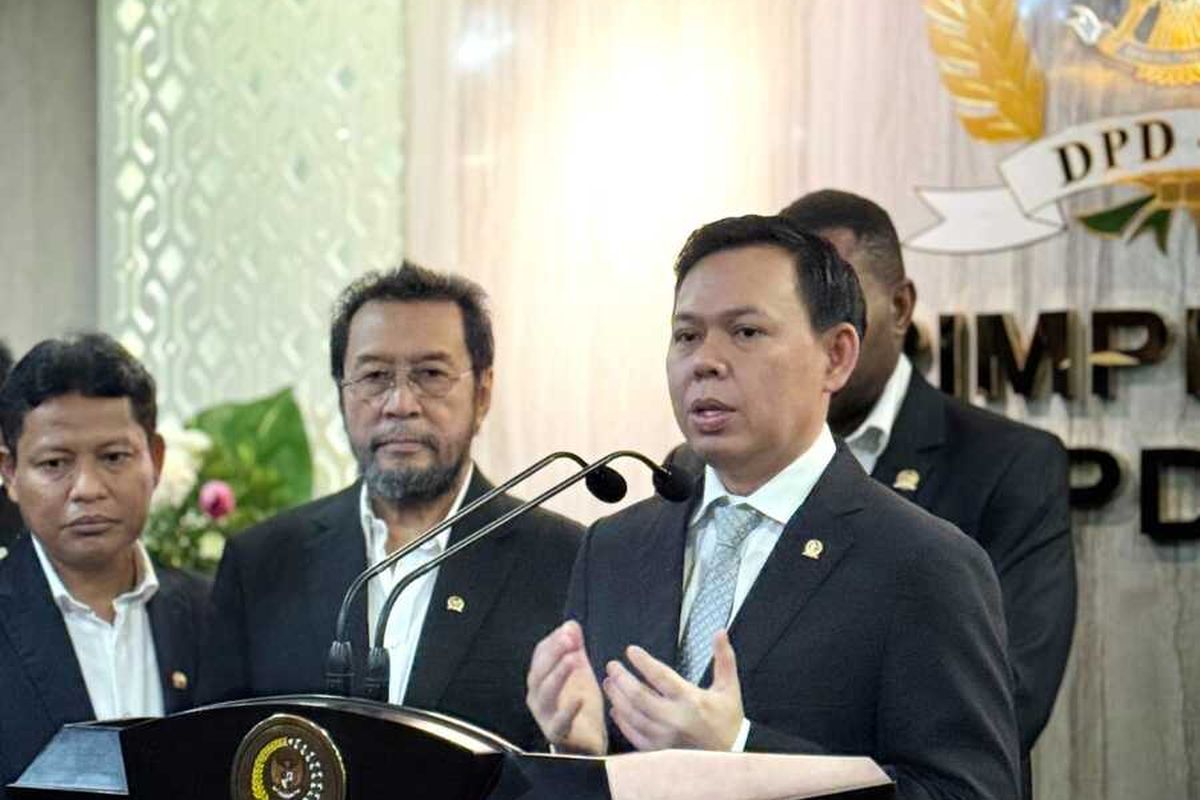
That atmosphere shaped the decision by Indonesia’s Regional Representative Council to approve the formation of a special committee dedicated to handling conflict and humanitarian issues in Papua.
The agreement, announced during a plenary session on May 22, came after weeks of meetings, national media reports, and appeals from Papuan representatives who said local communities were demanding something simple but urgent: peace, safety, and a stronger humanitarian response from the state.
Several senators acknowledged during the session that Papua’s challenges could no longer be approached only through a narrow security framework.
“Papua needs serious attention from the state,” lawmakers said during parliamentary discussions quoted by national media after the meeting.
For many Papuan representatives who traveled to Jakarta this month, the committee’s formation was seen not as a final answer but as a sign that humanitarian concerns in Papua were finally receiving broader national attention.
Parliamentary Decision Emerged After Intense Discussions
DPD RI Approved the Committee on May 22.
The decision was formally agreed upon during the DPD RI plenary meeting in Jakarta on May 22, 2026.
According to reports from the parliament after the meeting, senators agreed that the situation in Papua needed better coordination, especially for handling humanitarian issues, displacement, and protecting civilians in areas affected by conflict.
The committee, known locally as a panitia khusus or pansus, is expected to gather field information, coordinate with local governments, receive community aspirations, and evaluate humanitarian conditions across several Papuan regions.
Lawmakers involved in the discussion said many of the reports arriving from Papua carried similar themes.
Communities wanted violence reduced.
Parents wanted children to return to school safely.
Villagers wanted public services to function normally again.
And displaced families wanted certainty about when they could return home.
One senator involved in the discussions reportedly described the committee as an attempt to ensure that “the state is fully present” in addressing humanitarian conditions in Papua.
Papua Representatives Brought Concerns Directly to Jakarta
The parliamentary move did not emerge suddenly.
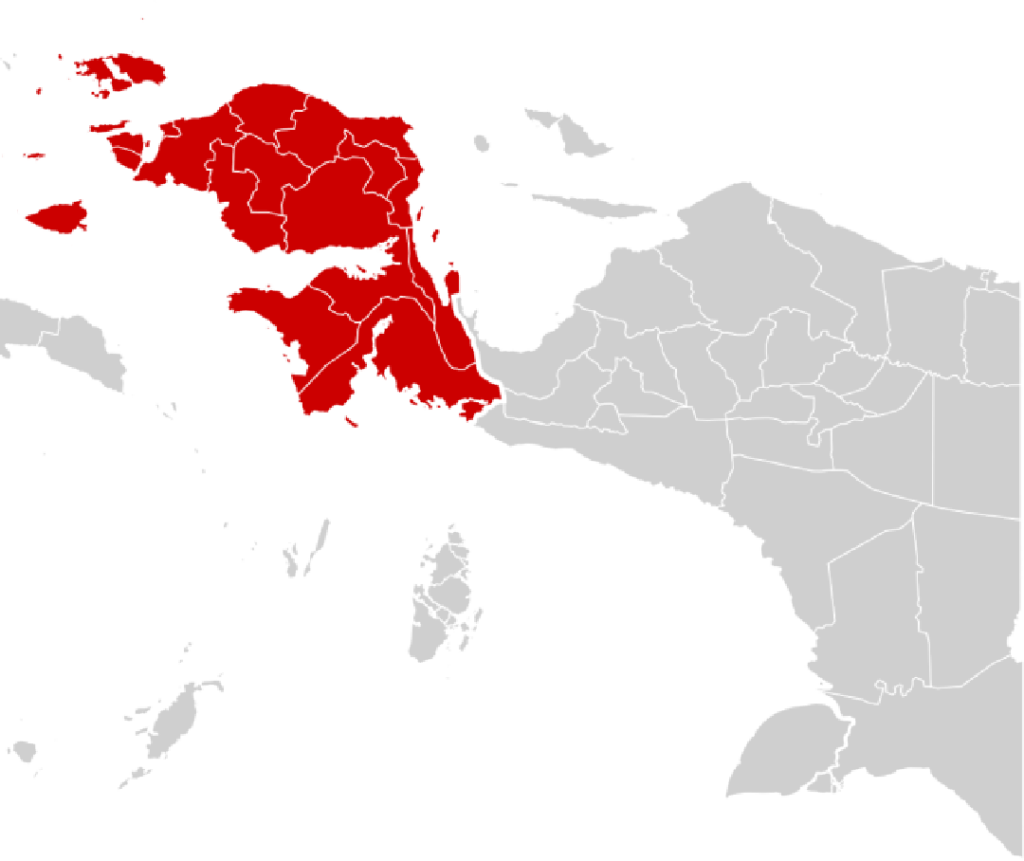
In the days leading to the plenary session, members of the humanitarian special committee from the Papua Tengah (Central Papua) Regional House of Representatives (DPRD) traveled to Jakarta to meet DPD leaders and deliver reports regarding conditions in several affected areas.
During those meetings, Papuan representatives spoke about civilian displacement, interrupted social services, and the need for more coordinated assistance between the central government and regional administrations.
Reports published on May 24 quoted regional representatives urging authorities not to treat humanitarian issues as temporary emergencies alone.
Instead, they argued, recovery efforts must also include education access, healthcare services, housing support, trauma recovery, and economic assistance for affected communities.
Several officials warned that prolonged instability could leave long-term social consequences if humanitarian handling remained fragmented.
Humanitarian Concerns Becoming Central in Papua Policy
Lawmakers Increasingly Focus on Civilian Impact
For years, national discussion surrounding Papua often focused heavily on political tensions and security operations.
But during recent parliamentary discussions, lawmakers increasingly highlighted the civilian impact of instability.
Several senators said ordinary residents often become the most vulnerable whenever conflict escalates.
In some regions, schools have temporarily stopped operating. Health services have become harder to access. Economic activity slowed as families moved to safer locations.
Two DPD RI members quoted by regional media on May 24 said reports from Papua indicated that humanitarian handling required far more serious coordination from the state.
The lawmakers stressed that communities in Papua repeatedly conveyed the same aspiration during meetings with representatives: they wanted peaceful conditions allowing daily life to continue normally.
“People in Papua want peace and security,” one representative stated during discussions referenced by local media.
That sentence, repeated several times during recent meetings, became one of the strongest themes surrounding the committee’s formation.
Displacement Remains Sensitive Issue
Humanitarian concerns in Papua have increasingly focused on displaced civilians living in temporary conditions after local security disturbances.
Regional lawmakers from Papua Tengah told parliamentary leaders in Jakarta that refugee handling requires more comprehensive coordination between ministries, regional governments, and humanitarian institutions.
Several representatives also emphasized that children displaced by instability often face interruptions in education and social development.
Others highlighted psychological impacts experienced by families forced to leave their homes during periods of insecurity.
For that reason, some lawmakers argued the new committee should prioritize field visits and direct engagement with affected communities rather than relying solely on formal reports.
Government Expanding Broader Approach Toward Papua
Security and Development Increasingly Linked
The committee’s formation also mirrors the broader shifts in the discussion of Papua within Indonesian policymaking circles.
Over recent years, the government has increasingly combined security efforts with development, welfare, and humanitarian programs across Papua.
Through special autonomy funding and regional development initiatives, authorities have expanded infrastructure, healthcare, education, and food security programs in several provinces.
However, officials acknowledged that instability can disrupt development efforts already underway.
Several senators involved in the May 22 discussions argued that lasting stability in Papua depends not only on law enforcement but also on whether communities feel socially protected and economically included.
That perspective appeared repeatedly during parliamentary debates this week.
Local Governments Asked to Strengthen Coordination
During meetings with DPD leadership in Jakarta, representatives from Papua Tengah also urged stronger involvement from local governments in handling humanitarian conditions.
Several officials stressed that coordination between provincial administrations and central institutions still needed improvement, especially regarding displaced residents and delivery of public services.
One representative reportedly told lawmakers that humanitarian programs should not stop after emergency aid distribution.
Communities, he said, also need long-term recovery support capable of restoring normal social and economic life.
Papuans Hope Committee Produces Real Outcomes
Public Expectations Remain High
Although many regional figures welcomed the committee’s formation, expectations among communities remain cautious.
In Papua, residents have heard promises of coordination and humanitarian improvement many times before.
What many people want now is practical change that is visible in daily life.
Community leaders interviewed by regional media said success would depend on whether the committee could encourage stronger policy coordination and faster humanitarian response.
Some observers also noted that Papua’s geography makes humanitarian handling particularly difficult because many affected areas are remote and challenging to access.
Still, the formation of the committee was widely viewed as politically significant because it signaled growing recognition in Jakarta that humanitarian concerns in Papua require sustained national attention.
Conclusion
The decision by the Regional Representative Council of Indonesia on May 22, 2026, to establish a special committee on the Papua conflict and humanitarian issues marked a decisive moment in Indonesia’s ongoing efforts to address instability in the eastern region.
The move came after Papuan representatives delivered reports about civilian displacement, humanitarian concerns, and public demands for stronger state involvement in restoring peace and stability.
Lawmakers recognized that addressing Papua’s challenges requires not only security discussions but also humanitarian recovery, governance coordination, and civilian welfare.
For many residents across Papua, however, the issue remains deeply personal rather than political.
Parents want children back in classrooms.
Families want safer villages.
Communities want roads, healthcare, and economic activity to continue without fear.
And above all, many Papuans continue hoping that peace discussions in Jakarta eventually translate into calmer conditions at home.