
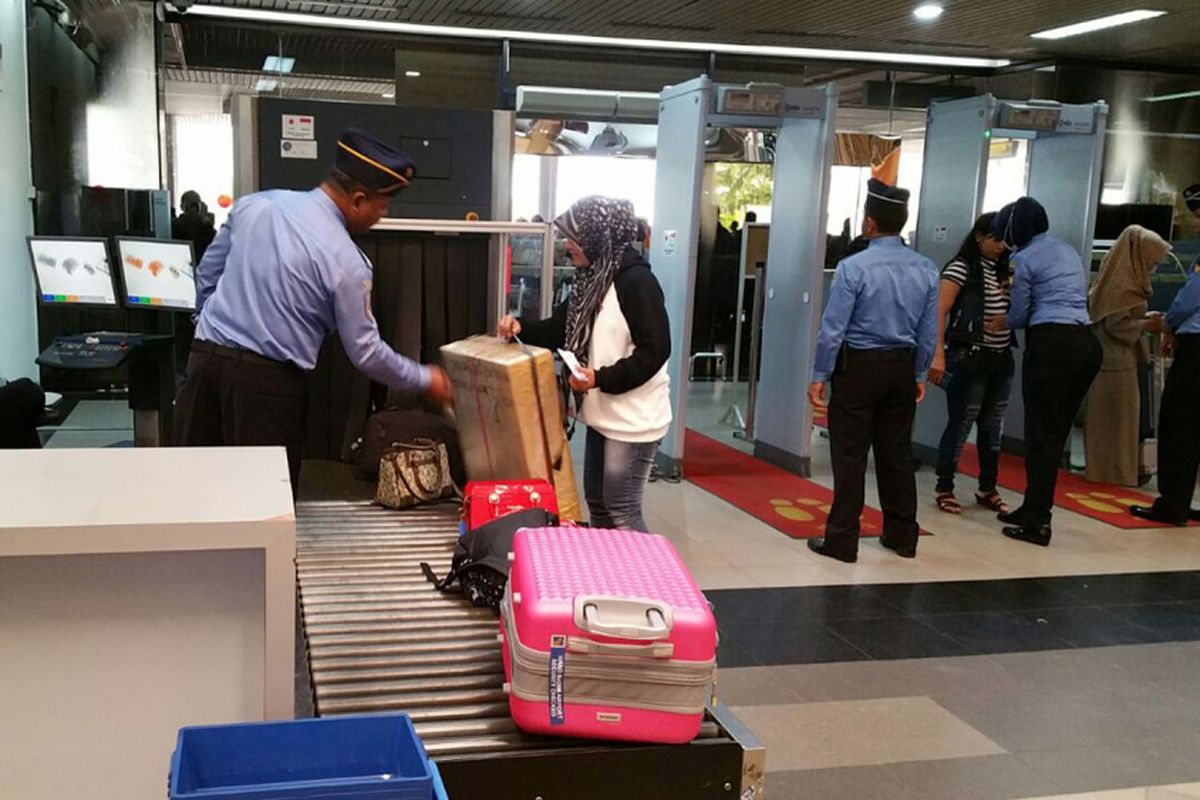
The Indonesia’s Customs drug crackdown has resulted in 45 enforcement actions against narcotics, psychotropic substances, and precursor chemicals between January and September 2026, with seized drugs estimated to be worth Rp2.24 billion, according to Indonesia’s Customs and Excise authorities. The operation yielded approximately 25.16 kilograms of suspected illicit drugs, predominantly cannabis, as the government intensifies efforts to disrupt illegal distribution and protect communities across Papua.
The figures, announced on October 14 by Indonesia’s Special Regional Office for Papua, offer a snapshot of the continuing challenge posed by illicit drugs in Indonesia’s easternmost region. Officials reported seizing 24,906.92 grams of cannabis and 248.97 grams of methamphetamine during the nine-month period. The combined quantity was estimated to have a market value of Rp2.24 billion, while the authorities also calculated potential savings of Rp9.96 billion in rehabilitation costs.
For the Indonesian government, the results represent more than a series of seizures. They reflect the role of border and goods-control agencies in preventing dangerous substances from entering distribution networks while reinforcing the need for cooperation among law enforcement agencies, local authorities, and communities.
However, the figures also highlight the importance of sustained prevention. Seizing drugs can interrupt illegal supply, but lasting progress depends on identifying distribution networks, enforcing the law through due process, expanding public awareness, and ensuring that people affected by substance misuse can access appropriate support.
Nine Months of Enforcement Across Papua
January to September: 45 Enforcement Actions Recorded
The reported enforcement period began in January and ended in September 2026. During those nine months, the Directorate General of Customs and Excise’s Special Regional Office for Papua, together with its subordinate operational units, recorded 45 enforcement actions involving narcotics, psychotropic substances, and precursor materials, collectively referred to in Indonesia as NPP.
The announcement provides an overall account of the results rather than a case-by-case timeline. It does not specify the dates, locations, routes, concealment methods, or circumstances of each individual seizure. Consequently, the 45 actions should be understood as the aggregate enforcement record for the reporting period, not as 45 cases whose investigations and court proceedings have necessarily concluded.
That distinction is important when evaluating the results. An enforcement action may lead to the seizure of suspected illegal substances, but subsequent investigations are needed to establish where the drugs originated, who was responsible for transporting or distributing them, and whether wider networks were involved.
Customs officers have a particular role in this process because they monitor the movement of goods and help prevent prohibited or restricted items from entering circulation. In a geographically extensive region such as Papua, that responsibility forms part of a wider system of public protection involving multiple government institutions.
The available figures do not identify which individual units handled each seizure. Nor do they provide a breakdown of how many actions involved cannabis, methamphetamine, or other substances. What they establish is the combined outcome reported by the regional office over the first nine months of the year.
Authorities Announce the Results
Encep Dudi Ginanjar, head of Indonesia’s Special Customs Regional Office for Papua, publicly announced the results on Wednesday, October 14. His statement was reported by Inilah.com and was consistent with information published by the regional customs office itself.
Encep said the total quantity of seized drugs reached approximately 25.16 kilograms, with an estimated value of Rp2.24 billion. The authorities also estimated that the seizures could prevent Rp9.96 billion in rehabilitation-related costs. These figures were presented as estimates, rather than as confirmed financial savings already recorded in government expenditure.
The announcement placed particular emphasis on protecting the public, especially younger people, from illicit drug distribution and the consequences of substance misuse.
“We cannot work alone. Synergy and collaboration with all parties must continue to be strengthened,” Encep said in remarks reported by Inilah.com, referring to the need for a coordinated approach to preventing and combating illegal narcotics distribution.
His message reflects a central challenge for drug enforcement. Customs officers can intercept suspected narcotics and gather initial evidence, but broader investigations may require police, the National Narcotics Agency, and other relevant institutions to work together.
Cannabis Accounts for Most of the Seized Drugs
The composition of the seized substances was one of the clearest findings in the report. Cannabis accounted for the overwhelming majority of the total quantity, while methamphetamine constituted a smaller proportion by weight.
The difference between the quantities is substantial. Cannabis represented nearly all the seized material by weight, while the methamphetamine seizure totalled less than a quarter of a kilogram. However, these amounts should not be used alone to assess the relative public-health risks of the two substances. Drug potency, patterns of use, individual circumstances, and the nature of distribution all affect the potential harm.
The figures also do not establish how many separate shipments or individuals were involved. Without a detailed breakdown of the 45 enforcement actions, it would be premature to conclude that the seized cannabis came from a single source or that the methamphetamine was connected to the same distribution network.
Nevertheless, the seizures show why continued monitoring is important. Effective enforcement requires authorities to understand how different substances move through supply chains, identify vulnerabilities in distribution systems, and share relevant information across jurisdictions.
Customs’ Role in Protecting Papua’s Communities
Indonesia’s Customs and Excise service is not solely responsible for collecting duties and taxes. It also performs a public-protection function by monitoring the movement of goods and taking action against prohibited or dangerous items.
In its October 14 announcement, the Papua regional office described this role as community protection. It said enforcement measures were intended not only to secure evidence but also to prevent the wider social and health consequences associated with drug misuse.
That responsibility is particularly relevant in Papua, where the region’s size and varied geography create complex logistical conditions for public services and law enforcement. Effective oversight depends on coordination among operational units, accurate intelligence, appropriate inspection capacity, and cooperation with institutions responsible for criminal investigations.
The latest figures provide evidence of enforcement activity, but they do not offer a complete assessment of the regional drug market. The report does not specify how many suspects were arrested, how many cases were referred for prosecution, whether any convictions resulted, or whether the seizures disrupted particular trafficking networks. Those outcomes would need to be documented separately before the broader impact could be measured.
For the government, a credible response therefore requires two complementary priorities: maintaining the ability to intercept illicit substances and ensuring that investigations proceed effectively after a seizure. Evidence must be documented, suspected offenses investigated, and responsibility established through the legal process.
Such an approach strengthens public confidence because enforcement results are judged not only by the quantity of material seized but also by the quality of investigations and the extent to which illegal distribution is disrupted.
Encep Dudi Ginanjar Calls for Stronger Cooperation
Encep said the seizures formed part of an ongoing commitment to prevent illegal narcotics distribution and protect residents, particularly young people. He also stressed that Customs could not address the problem in isolation.
The regional office said it would continue strengthening cooperation with the Indonesian National Police, the Indonesian National Armed Forces, the National Narcotics Agency, and other relevant institutions to improve monitoring and combat illegal distribution.
“Through continued collaboration, we are committed to maintaining public safety, protecting the younger generation, and supporting the realization of a healthier Papua free from the threat of narcotics,” Encep said, according to the report.
Cooperation matters because drug distribution can involve several stages, from production and transport to storage, retail distribution, and the movement of proceeds. Different institutions may hold different pieces of information. Authorities can get a better picture of a case by sharing evidence and working together on investigations than any one agency could get on its own.
At the same time, successful enforcement should be accompanied by public education. Young people, families, schools, and community organizations can play a role in recognizing risks, resisting pressure to use drugs, and reporting suspected illegal activity through appropriate channels. Prevention initiatives are most useful when they provide credible information and avoid stigmatizing people who need medical or social support.
The customs announcement did not detail any specific public-awareness campaign associated with the 45 actions. However, its emphasis on protecting young people indicates that officials view the issue as both a law enforcement concern and a broader public health challenge.
Why the Results Matter for Papua’s Development
Illicit drugs can affect communities in ways that extend beyond individual health. Substance abuse can put stress on families and healthcare services, make it harder to get an education or a job, and make other social problems worse. Illegal distribution can also create criminal profits that operate outside legitimate economic activity.
For a region pursuing stronger public services, education, and economic opportunities, preventing the circulation of dangerous substances is part of creating conditions in which communities can thrive. Young people, in particular, need environments that support their education, health, and participation in local economic life.
Yet the relationship between drug enforcement and development should be assessed carefully. The reported seizures demonstrate that Customs conducted enforcement actions and removed suspected narcotics from circulation. They do not, by themselves, prove that drug use has declined, that crime rates have fallen or that the wider market has been dismantled.
Those questions require further evidence, including trends in drug availability, health-service data, investigative outcomes, and information on whether suspected distribution networks continue operating.
A sustained strategy would combine enforcement with prevention, treatment, and community engagement. It would also require reliable information-sharing among institutions so that resources can be directed towards emerging risks rather than relying solely on the quantity of drugs seized.
The estimated Rp9.96 billion in avoided rehabilitation costs cited by Customs offers one indication of the potential wider economic implications. However, it remains an estimate supplied by the authorities, and the announcement does not explain the calculation method. It should therefore be treated as an indicative figure rather than a verified budget saving.
Conclusion
The 45 narcotics enforcement actions recorded by Indonesia’s Customs between January and September 2026 represent a significant operational result. With approximately 25.16 kilograms of cannabis and methamphetamine seized and an estimated value of Rp2.24 billion, the figures demonstrate the role of Indonesia’s Customs Service in protecting communities from the circulation of illegal drugs.
The next challenge is to translate these seizures into lasting results. Stronger coordination with the police, the armed forces, the National Narcotics Agency, and other institutions can help investigators trace distribution networks and establish legal responsibility. At the same time, prevention programs, public awareness, and access to appropriate support remain important to reducing the harm associated with drug misuse.
For Papua, progress should ultimately be measured not only by the amount of narcotics removed from circulation but also by the effectiveness of follow-up investigations and the resilience of communities against illegal distribution. The latest figures provide a basis for continued action. Sustained enforcement, transparent reporting, and cooperation across government and society will determine how far those efforts translate into a safer and healthier future for the region.
Read Also
Papua Police Seize 10 kg of Marijuana in Jayapura
Papua Tengah Antik Noken Operation Uncovers 9 Narcotic Cases
Papua Drug Cases Rise as Police Step Up Enforcement

