
Indonesian police have made significant progress in dismantling an alleged illegal firearms and ammunition network in Papua, detaining 17 suspects since March 2026 and advancing 13 of their cases to the second stage of the criminal justice process. The Damai Cartenz Task Force, in cooperation with Papua Regional Police, conducts the investigation to disrupt a supply chain that authorities suspect connects to armed groups operating in the region.
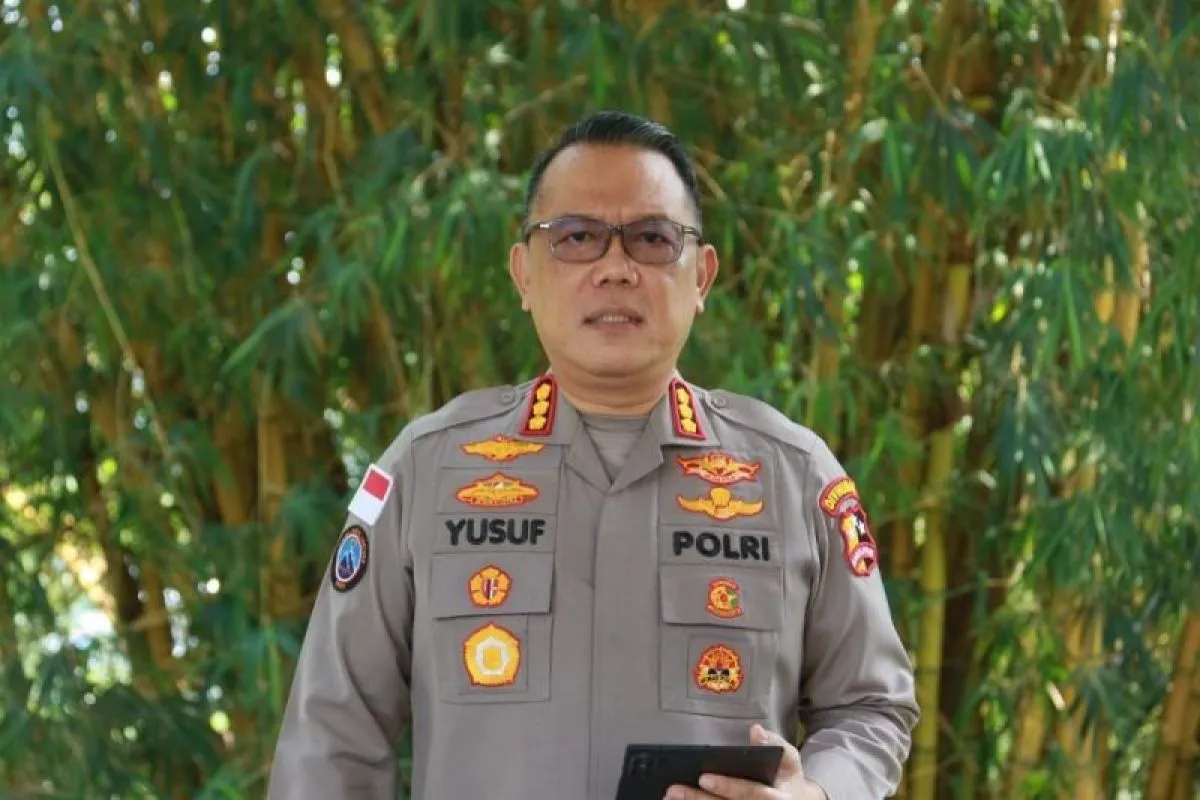
The latest update, announced on October 8 by Damai Cartenz Public Relations Task Force Chief Commissioner Yusuf Sutejo, shows that the cases have reached different stages of legal processing. Thirteen suspects have entered Tahap II (Second Phase), meaning investigators have transferred the suspects and case evidence to the public prosecutor. Two others have entered Tahap I (First Phase), the stage at which investigators submit case files to prosecutors for review, while two remain under investigation.
The distinction matters because the investigation is not yet complete. The transfer of a case to prosecutors represents progress in the legal process, but it does not mean that a court has found the accused guilty. Police say they are continuing to investigate possible links and identify other people involved in the alleged network.
The case is significant for Papua’s security environment because illegal ammunition supplies can sustain armed violence and make it more difficult for authorities to protect civilians. By pursuing suspected buyers, suppliers, financiers, and intermediaries, investigators are seeking to address not only individual possession of weapons or ammunition but also the connections that allow illegal items to circulate.
How the Investigation Developed from March
The investigation began with a police report dated March 13, 2026, according to the account provided by Yusuf and published by ANTARA. The subsequent inquiry expanded into a broader case involving alleged transactions and distribution of firearms and ammunition.
One of the first publicly reported developments came in late March, when the Damai Cartenz Task Force announced the detention of four suspects in a series of actions conducted on March 25 and 26. The suspects were identified by their initials as KO, SMM, HM, and AKW. Investigators said the four allegedly had different roles in the network.
The March arrests represented an early step in an investigation that would subsequently expand. Rather than treating the case as an isolated incident, investigators pursued information that could help establish how ammunition and other weapons-related materials were obtained, transferred, and distributed.
The later investigation identified a wider group of alleged participants, including people suspected of financing purchases, acting as intermediaries, or supplying ammunition. Those distinctions are important because illegal weapons networks can involve multiple people performing separate functions. Establishing each person’s alleged role is necessary to build a case that can be assessed by prosecutors and, ultimately, the courts.
The authorities have not publicly established through a final judicial ruling that every suspect was involved in supplying weapons or ammunition to a particular armed group. The alleged connections remain part of the investigation and should be treated as such.
The September Arrests Led Investigators to Another Suspect
The investigation continued into September, when officers detained another suspect identified as YYS, also known by the aliases OS and K. According to subsequent reporting by MetroTV, YYS was arrested on September 29, 2026, in the Argapura area of Jayapura. Authorities described him as a wanted person in the same alleged weapons distribution case.
Investigators then pursued further leads, culminating in another arrest in October.
On Tuesday, October 6, a joint team from the Damai Cartenz Task Force and the Papua Regional Police’s General Criminal Investigation Directorate detained IHB, also known by the alias H. The arrest took place in Padang Bulan, Heram District, Jayapura City. Police said IHB was also on the wanted list in connection with the case and was suspected of acting as an intermediary in the alleged network.
The arrest marked the latest publicly reported development in the investigation before Yusuf’s October 8 briefing on the status of all 17 suspects.
The sequence illustrates how an investigation can develop over several months, with later arrests following leads from earlier cases. Authorities have said the inquiry remains active, with the aim of identifying additional links and interrupting the circulation of illegal firearms and ammunition.
However, the public reports do not provide a complete account of every operation or arrest conducted between March and October. It would therefore be inaccurate to present the available dates as a full day-by-day chronology of all 17 detentions.
Seventeen Suspects, Three Stages of Legal Processing
Yusuf said the 17 suspects were being processed in three groups, depending on the progress of their respective cases.
The largest group, comprising 13 suspects, had entered Tahap II. In Indonesia’s criminal procedure, the Tahap II is the stage at which investigators transfer the suspect and evidence to the public prosecutor after the case file has been considered ready for further legal proceedings.
The 13 suspects were identified by initials and their alleged roles as follows:
SP was suspected of acting as a buyer of firearms and ammunition. OB was allegedly involved in financing purchases and buying weapons and ammunition, while YP was suspected of providing funds.
MKM was described as an alleged firearms intermediary. DK, KO, and SM were suspected of acting as intermediaries for firearms and ammunition. HM was allegedly involved in selling ammunition and magazines, while AKW was identified as a suspected ammunition supplier.
NH was suspected of providing funding, and HLT was allegedly involved in supplying ammunition to AKW. YK and AG were described as suspected intermediaries in firearms and ammunition transactions.
Two additional suspects, LNR and BEI, had entered Tahap I, in which investigators submit their case files to prosecutors for review. At this stage, prosecutors may assess whether the evidence and documentation meet the requirements for further proceedings and request additional work where necessary.
The remaining two suspects were still under investigation. They were identified as YYS, also known as OS or K, and IHB, also known as H. Both were suspected of serving as intermediaries or connecting figures within the alleged network.
These procedural differences are more than administrative details. They show that the investigation is progressing at different rates and that the evidence concerning each suspect must be considered separately.
The 13 cases transferred to prosecutors represent a substantial step forward, but the legal process still requires the relevant authorities to assess the evidence and establish individual responsibility in court.
Ammunition and Weapons-Related Evidence Seized
During the investigation, authorities reported seizing 298 rounds of ammunition, four long SS1 magazines, one short SS1 magazine, one improvised firearm, and six rusty firearm barrels described as remnants from the Second World War. The items were collected during the series of operations conducted since March 2026.
The seizure of ammunition and magazines is relevant to the investigation because such items can be part of the supply chain supporting illegal firearms. The improvised firearm is also part of the evidence that investigators will need to examine in relation to the alleged offenses.
The six old firearm barrels require a separate distinction. Their discovery alone does not prove they were functional weapons or meant for immediate use. Further examination would be necessary to determine their condition, origin, and relevance to the case.
Likewise, the quantity of ammunition seized does not alone reveal the full scale of the alleged network. Investigators must establish where the items came from, how they changed hands, who financed or facilitated the transactions, and whether the available evidence connects the individual suspects to specific criminal acts.
The reported seizures nevertheless provide a tangible basis for further investigation. Evidence must be documented, examined, and linked to the alleged conduct of individual suspects if it is to support a prosecution.
Police Say the Network Investigation Is Not Over
Yusuf said the joint team would continue developing the investigation to uncover other links in the alleged illegal firearms and ammunition network. The stated objective is to break the chain of supply rather than stop at the individuals already detained.
That approach is particularly relevant in cases where different participants may be responsible for financing, procurement, transport, brokerage, or distribution. Arresting one intermediary may yield information about other suspected participants, but verifying those leads is essential before justifying further legal action.
Authorities suspect the network was connected to the supply of ammunition and firearms to armed groups in Papua, including groups commonly referred to by Indonesian officials as armed criminal groups. However, the public reports cited here do not establish that every one of the 17 suspects had a direct relationship with the West Papua National Liberation Army of the Free Papua Movement (TPNPB OPM) leadership or that each item seized was destined for a specific unit.
A credible investigation must distinguish between suspected links and connections supported by admissible evidence. This is important both for the integrity of prosecutions and for public confidence in law enforcement.
The police operation also demonstrates why investigations into illegal weapons distribution require coordination between specialized task forces and regional investigators. The Damai Cartenz Task Force and Papua Regional Police have worked together to develop the case, track suspects, and prepare files for prosecutors.
The next phase will depend on the strength of the evidence, the outcome of prosecutorial review, and the identification of any additional individuals who may have participated in the alleged transactions.
Why Disrupting Illegal Ammunition Supplies Matters for Papua
The case has implications beyond the 17 individuals named in the police reports. Illegal ammunition can sustain armed groups, increase the risk of shootings, and make security operations more dangerous. Disrupting supply channels can therefore contribute to efforts to protect residents and reduce the availability of materials used in armed violence.
For communities affected by insecurity, the consequences of armed violence can extend into everyday life. Residents may face uncertainty when travelling, accessing public services, or carrying out economic activities in areas where attacks are feared. Public institutions may also face difficulties maintaining consistent services when security conditions deteriorate.
These concerns make lawful and effective investigations an important component of broader security policy. Police work can address suspected criminal networks, while civilian authorities must continue to support public services, infrastructure, and economic opportunities.
At the same time, enforcement outcomes should be measured by more than the number of arrests. The quality of the evidence, the lawful handling of suspects, the successful prosecution where guilt is established, and the prevention of future illegal transfers are all relevant indicators of progress.
The presumption of innocence remains essential throughout the process. Every suspect must have the opportunity to respond to the allegations through the applicable legal procedures, and guilt must be established by a competent court.
Conclusion
The detention of 17 suspects and the transfer of 13 cases to prosecutors mark an important development in Indonesia’s effort to investigate illegal firearms and ammunition distribution in Papua. Beginning with a police report dated March 13, the investigation has expanded through a series of arrests, including the late-September detention of YYS and the October 6 arrest of IHB in Jayapura.
The reported seizure of ammunition, magazines, an improvised firearm, and old firearm barrels provides evidence for investigators to examine as they work to establish the alleged roles of those involved. The three different stages of legal processing also show that the cases remain at different points in the criminal justice system.
For Papua, disrupting illegal arms and ammunition supplies is relevant to the wider objective of protecting public safety and preventing armed violence. Yet durable progress depends on a process that is both effective and legally sound: investigations must follow the evidence, prosecutors must assess the cases, and courts must determine guilt.
As the Damai Cartenz Task Force and Papua Regional Police continue their work, the central question is whether investigators can trace the remaining links in the alleged network and prevent further illegal transfers. The outcome will be measured not only by the cases already advanced but also by whether the effort helps reduce the risks posed by illicit weapons while upholding the rule of law.
Read Also
TNI Maybrat Operation Kills OPM Commander Manfret Fatem
Indonesia Seizes 200 Ammunition Rounds in Jayapura

