
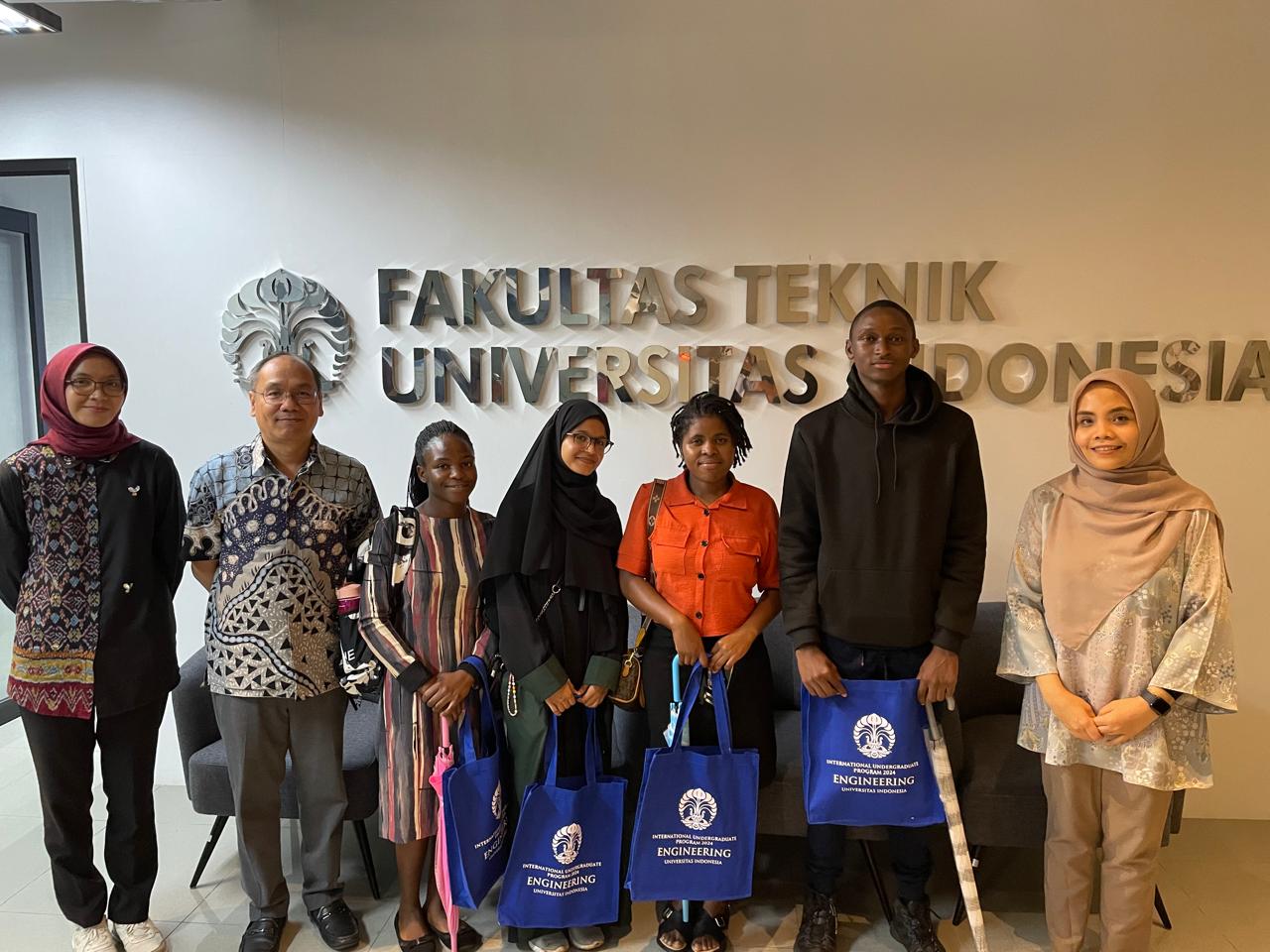
Indonesia has awarded scholarships to 76 students from Papua New Guinea (PNG) and the Solomon Islands, giving young people from its Pacific neighbours the opportunity to pursue higher education while strengthening academic ties between the two countries.
The Indonesia scholarships for Pacific students support recipients studying at universities across the Indonesian archipelago, including the Sepuluh Nopember Institute of Technology in Surabaya, Bandung Institute of Technology, the University of Indonesia, Padjadjaran University and Syiah Kuala University in Banda Aceh. The programme covers a range of academic disciplines, with economics, agriculture, engineering and health among the main fields of study.
Arief Kusdwiadnanto, the Education and Culture Attaché at the Indonesian Embassy in Port Moresby, confirmed the figures to Indonesia’s national news agency, ANTARA, on October 23. He said the scholarships came through several channels, including the Kemitraan Negara Berkembang programme, known internationally as the Developing Countries Partnership Scholarship (KNB) and the Indonesian Aid Scholarship (TIAS), and funding provided directly by individual universities.
The initiative is part of a broader effort to expand access to Indonesian higher education for students from neighbouring Pacific countries. Beyond the financial assistance, the programme includes Indonesian-language preparation, helping recipients adjust to academic life and everyday communication in their host country.
For Indonesia, the scholarships also create opportunities to deepen educational, cultural and people-to-people relations with two countries that share close geographical links with the Indonesian provinces of Papua. Their long-term value will depend not only on the number of students supported but also on the skills graduates develop and the professional connections they maintain after completing their studies.
Scholarship Programme Reaches Students Across Indonesia
Five Universities Among the Participating Institutions
The 76 scholarship recipients are enrolled at a number of Indonesian higher education institutions, reflecting the range of academic opportunities available to international students.
According to Arief, the participating institutions include the Sepuluh Nopember Institute of Technology in Surabaya, Bandung Institute of Technology, the University of Indonesia, Padjadjaran University and Syiah Kuala University in Banda Aceh.
These universities offer different academic environments and areas of specialisation. Technology-focused institutions can provide opportunities for engineering and technical education, while comprehensive universities offer programmes across fields such as economics, health and social sciences. The report did not provide a detailed breakdown of the 76 students by institution and degree programme.
The geographic spread also means that scholarship recipients experience different parts of Indonesia while pursuing their education. For students arriving from PNG and the Solomon Islands, studying in cities across Java and Sumatra can provide exposure to new academic settings, cultures and professional networks.
Such experiences can have benefits beyond formal qualifications. Students may develop relationships with Indonesian classmates, lecturers and potential employers, creating connections that could continue into their professional lives. These outcomes, however, will depend on the students’ individual experiences and the opportunities available after graduation.
The programme’s significance, therefore, extends beyond university admissions. It offers a framework through which students from neighbouring Pacific countries can become familiar with Indonesia’s educational institutions and develop knowledge that may be relevant to their home communities.
Government and University Funding Support
The scholarships are not financed through a single programme. Arief identified three sources: the Developing Countries Partnership Scholarship, the Indonesian Aid Scholarship and scholarship assistance provided by individual universities.
Using several funding channels allows educational support to be offered through different institutional arrangements. Government programmes can provide structured opportunities for international students, while university scholarships can reflect institutional priorities and available resources.
The ANTARA report did not provide the total value of the assistance, the precise financial benefits attached to each scholarship, or a breakdown of the 76 recipients by funding source. It is therefore not possible to determine from the published figures how much funding has been committed overall or whether every scholarship covers identical expenses.
Nevertheless, the programme illustrates how government-to-government educational cooperation and university-level support can work together to widen access to higher education.
For prospective applicants, clear information about eligibility, academic requirements, application deadlines and scholarship coverage will be important. Greater awareness of these details can help students in PNG and the Solomon Islands identify suitable programmes and prepare their applications.
New Scholarship Recipients in 2026
Solomon Islands and Papua New Guinea Students Benefit
Arief reported that, during 2026, 26 students from the Solomon Islands and 10 from Papua New Guinea had successfully obtained scholarships.
Those figures refer to students who secured scholarships in 2026, while the total of 76 represents students from the two countries currently receiving scholarship support in Indonesia. The figures should not be treated as interchangeable: the annual awards are part of the wider group of scholarship recipients studying in the country.
The distinction is important when assessing the programme’s reach. The total number of current recipients indicates the scale of the existing student community, while the number awarded scholarships during a particular year offers a snapshot of new opportunities.
For both countries, access to higher education abroad can help students acquire specialist knowledge that may be difficult to obtain through their existing educational options. Whether studying engineering, agriculture, economics or health, graduates can potentially contribute to public services, businesses, research or community initiatives when they return home.
The scholarships do not guarantee employment or specific development outcomes. Their longer-term contribution will depend on the quality of education, the relevance of graduates’ skills to labour-market needs and the availability of opportunities to apply what they have learned.
Still, sustained access to university education can help build the human capital required for economic diversification and public-service development. For countries across the Pacific, investment in qualified graduates is an important part of preparing younger generations for changing technical, economic and social demands.
Indonesian-Language Training Prepares Students for University
Language Skills Are Part of the Scholarship Pathway
Before beginning their university studies, scholarship recipients take Indonesian-language courses. According to Arief, the courses are organised either through the Indonesian Embassy in Port Moresby or in Indonesia.
Language preparation is a practical part of studying abroad. Although many academic institutions use English in some courses or research settings, students who can communicate in Indonesian are better positioned to navigate everyday life, interact with local communities and participate in settings where Indonesian is the main language.
The embassy’s role is particularly relevant for students preparing to travel. Arief said the Indonesian Embassy in Port Moresby provides a teacher for PNG residents who are keen to learn Indonesian, helping them prepare for their education in Indonesia.
“KBRI di Port Moresby menyediakan guru untuk warga PNG yang ingin belajar Bahasa Indonesia, sehingga memudahkan saat menempuh pendidikan di Indonesia,” Arief said, according to ANTARA. In English, he explained that the embassy provides an Indonesian-language teacher to help PNG residents prepare for their studies in Indonesia.
This preparation can help reduce some of the challenges associated with moving to a new country. Students studying far from home must adjust not only to academic expectations but also to different food, customs, transport systems and social environments. Language learning can make those transitions easier, although individual students will still require support as they settle into university life.
The programme also creates an opportunity for cultural exchange. Students can share their experiences and perspectives with Indonesian classmates while learning about Indonesian society. Such interactions can foster mutual understanding through everyday contact rather than relying exclusively on formal diplomatic meetings.
Support Extends to School Students in Jambi
The Indonesian government extends its educational assistance beyond university students.
Arief also confirmed that five school students were receiving scholarships and studying in Jambi, on the Indonesian island of Sumatra.
Their participation broadens the scope of the educational relationship, extending opportunities to younger learners who are still completing their school education. Exposure to a different education system at this stage can help students become familiar with the Indonesian language and culture before they reach university age.
However, the ANTARA report did not identify the five students’ nationalities individually, detail their scholarship arrangements or specify their expected graduation dates. It is therefore not possible to establish whether all five students are from PNG or whether the group includes students from both countries.
What is clear is that educational cooperation operates at more than one level. University scholarships support advanced academic training, while school-level assistance gives younger students an opportunity to continue their education in Indonesia.
Together, these programmes provide a foundation for a longer-term educational relationship, although their future expansion will depend on funding, student demand and the ability of participating institutions to provide appropriate support.
Education Becomes a Bridge Between Indonesia and the Pacific
Building Connections Beyond Formal Diplomacy
Indonesia’s scholarship programme is part of a wider effort to strengthen educational links with PNG and the Solomon Islands. Earlier in 2026, Indonesian education officials encouraged universities in the country to develop partnerships with institutions in both Pacific nations. The proposed cooperation included opportunities for scholarships, student exchanges, short courses, research and innovation.
Arief has described educational cooperation as a way to strengthen relations between Indonesia and Pacific countries. In August, he said that closer university engagement was expected to encourage more students from PNG and the Solomon Islands to pursue higher education in Indonesia.
The scholarship programme can support that objective by creating direct links among students, lecturers and institutions. Unlike one-off diplomatic events, university education often involves years of interaction, giving participants time to build relationships and develop a more profound understanding of another society.
The geographical relationship adds another dimension. Indonesia’s Papua region lies along the country’s eastern frontier, sharing a land border with Papua New Guinea. The wider Pacific neighbourhood is also important for Indonesia’s regional engagement. Educational cooperation can complement diplomatic and economic relationships by giving younger generations practical experience of working and studying across national boundaries.
We should not view such engagement as a replacement for other forms of cooperation. Trade, infrastructure, health, environmental management and regional security all involve distinct priorities and policy mechanisms. Education can nevertheless help create professional networks that may be useful across these areas over time.
For the scholarship programme to deliver lasting benefits, institutional relationships will need to continue after students complete their degrees. Alumni networks, joint research, professional exchanges and accessible information about further study could help maintain links between graduates and Indonesian universities.
From Scholarship Awards to Long-Term Development
The 76 scholarship recipients represent a concrete measure of educational cooperation, but the broader impact will emerge over time.
One important consideration is whether students can apply their qualifications in fields where their home countries need skilled professionals. Agriculture, engineering, health and economics are relevant to a wide range of development priorities, from improving services and technical capacity to strengthening business management and food production.
The benefit to PNG and the Solomon Islands could be greater if graduates are able to share their knowledge with colleagues, contribute to local institutions or develop partnerships with Indonesian organisations. This is a potential pathway, not a confirmed outcome of the current scholarship programme.
Indonesia’s universities also have an opportunity to learn from international students. Diverse student communities can broaden classroom discussions, strengthen cross-cultural experience and create new links with institutions abroad. Over time, these connections may support collaborative projects and academic exchanges.
Several practical factors will shape the results. Students need adequate academic guidance, language assistance and support in adjusting to life away from home. Scholarship providers need transparent selection procedures and clear information about what each award covers. Universities also need ways to track student progress and understand what happens after graduation.
Governments and educational institutions would benefit from reporting these outcomes to assess the effectiveness of various programme components and identify areas for improvement. The number of recipients is an important starting point, but completion rates, graduate employment, professional contributions and continuing institutional partnerships would provide a fuller picture of its long-term value.
Conclusion
Indonesia’s scholarships for 76 students from Papua New Guinea and the Solomon Islands demonstrate how education can serve both individual aspirations and wider regional cooperation. With recipients studying at universities across Indonesia, support from government and institutional scholarship schemes, and Indonesian-language preparation before university, the programme offers a structured route into higher education.
The award of scholarships to 26 Solomon Islands students and 10 PNG students during 2026 adds to the existing community of recipients. Meanwhile, assistance for five school students in Jambi shows that educational cooperation also reaches beyond university-level study.
The next challenge is to ensure that access to education leads to lasting opportunities. Continued academic support, clear scholarship arrangements and stronger links between universities will be important, as will opportunities for graduates to apply their knowledge in their home countries.
For Indonesia, the programme provides a practical channel for building relationships with neighbouring Pacific nations through classrooms, campuses and personal connections. For students, it offers a chance to gain qualifications and experience that may shape their future careers. Its lasting success will depend on how effectively these opportunities translate into skills, professional networks and contributions to communities across the region.
Read Also
Biak Melanesian Festival Showcases Papua to the Pacific
Indonesian Navy Rescues 11 PNG Fishermen in Pacific

