
For people living with HIV in Papua Selatan, getting treatment no longer necessarily means travelling to a hospital in a major town. 18 health centers in Papua Selatan (South Papua) are now providing HIV/AIDS services, bringing antiretroviral treatment and medical consultations closer to communities that previously faced longer journeys for care.
The expansion is an important step in Papua Selatan’s effort to protect the right to health of people living with HIV/AIDS while making treatment more accessible across the province. The provincial Health, Population Control and Family Planning Office currently operates the HIV services through 18 of its 83 health centers, distributed across three of the province’s four regencies.
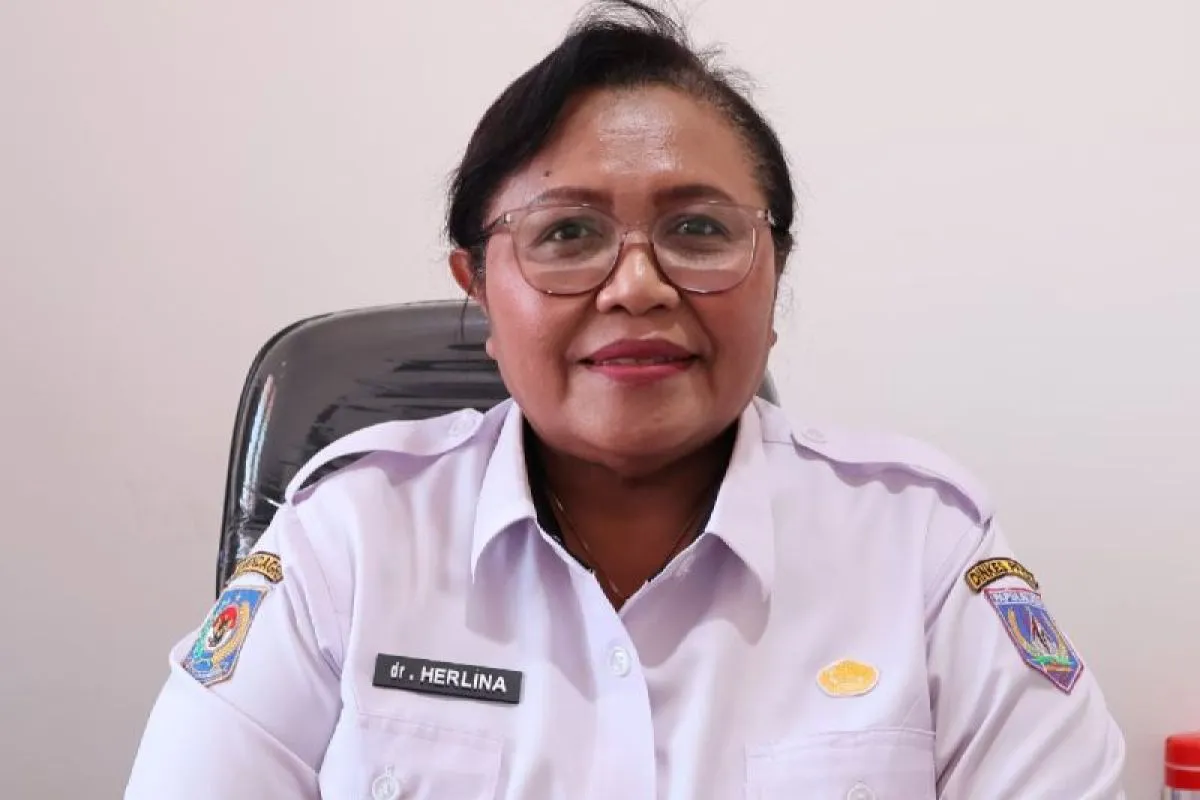
The largest concentration is in Merauke, with 14 health centers providing HIV services. Mappi and Asmat each have two. Boven Digoel currently does not have a health center offering HIV/AIDS treatment, according to Papua Selatan Health Office chief Dr. Benedicta Rahangiar.
The move matters because HIV treatment depends on continuity. For people who need to take antiretroviral medicines throughout their lives, distance can become more than an inconvenience. It can affect whether patients are able to collect medicines, attend consultations, and maintain treatment consistently.
By bringing services closer to communities, Papua Selatan is attempting to reduce one of the practical barriers standing between patients and long-term care.
Bringing HIV Treatment Closer to Communities
For many people living in remote parts of Papua, geography is closely connected to access to healthcare.
The distance between villages and urban centers can involve difficult roads, transportation costs, and considerable travel time. These challenges can become particularly significant for patients who need regular access to medication.
The provincial government’s decision to expand HIV services through community health centers addresses that problem at the primary-care level.
According to ANTARA, people living with HIV can now collect free antiretroviral, or ARV, medicines from the designated health centers and receive medical consultations without having to travel to hospitals in larger towns.
That shift is important because HIV treatment is not a one-time intervention.
Patients receiving ARV therapy need to maintain treatment over the long term. The health centers therefore provide not only medicine but also support intended to help patients remain consistent with their treatment.
Dr. Benedicta said health workers at the participating centers provide assistance to encourage patients to continue taking their medicines consistently.
In practical terms, the program is moving part of HIV care closer to where people live.
From Hospital-Based Care to Primary Healthcare
The expansion also reflects a broader principle in healthcare delivery: essential services are more effective when they are accessible at the primary-care level.
Hospitals remain important for complex medical cases, but routine treatment and monitoring can often be brought closer to communities.
For Papua Selatan, this model could reduce unnecessary travel to urban hospitals while allowing health workers at the community level to maintain closer contact with patients.
That proximity may also make it easier for healthcare workers to identify challenges affecting treatment continuity.
The value of the program, therefore, is not simply the number of health centers involved. Its importance lies in creating a more accessible pathway between patients, healthcare workers, and the treatment they need.
18 Health Centers Across Three Regencies
The distribution of the 18 health centers provides an indication of how Papua Selatan is currently structuring its HIV response.
Merauke accounts for the overwhelming majority, with 14 participating health centers. Mappi and Asmat each have two. Boven Digoel remains the only one of the province’s four regencies without a health center currently providing HIV/AIDS services.
The geographical distribution reflects both the scale of the existing program and the work that remains.
The fact that 18 health centers are already providing services is a significant step toward decentralized treatment. At the same time, the absence of a designated facility in Boven Digoel indicates that access is not yet uniform across the province.
That gap should not necessarily be interpreted as a failure of the program. Rather, it identifies the next stage of health service expansion.
As Papua Selatan strengthens its HIV response, extending primary HIV services to underserved areas could become an important policy priority.
Why Local Access Matters
Access is one of the most practical dimensions of the right to health.
A treatment program can be well designed, medicines can be available, and health workers can be trained. But if patients cannot reasonably reach the service, the system remains difficult to use.
This issue is especially relevant in Papua, where mountainous terrain, rivers, forests, and long distances between settlements can make transportation a major part of healthcare access.
Decentralized HIV services therefore have a value that extends beyond convenience.
They can reduce travel burdens, lower indirect costs, and make regular engagement with healthcare workers more realistic for patients living outside major urban centers.
For people who need lifelong treatment, these seemingly small improvements can have significant consequences.
2,429 People Living With HIV/AIDS Recorded
The expansion of services comes amid a substantial HIV/AIDS challenge in Papua Selatan.
According to the Papua Selatan Health Office, 2,429 people living with HIV/AIDS are currently recorded in the province. The largest age group is people between 25 and 49 years old, who account for approximately 61 percent of the total.
The figures underline why healthcare access remains a public policy issue.
HIV is not only a medical concern. It also intersects with employment, family welfare, education, household finances, and social inclusion.
A person who cannot access treatment regularly may face health complications that can affect their ability to work or care for family members.
Conversely, reliable access to treatment can help people living with HIV maintain their health and continue participating in everyday economic and social life.
That is why the expansion of primary healthcare services should be understood as part of a broader investment in human development.
Protecting the Rights of People Living With HIV
The language surrounding HIV is important.
People living with HIV are patients and members of their communities. Their access to healthcare should not depend on stigma, fear, or social exclusion.
Papua Selatan’s expansion of treatment through public health centers reinforces the principle that healthcare services should be accessible to people who need them.
Providing free ARV medication is particularly significant because the cost of long-term treatment can otherwise become a barrier for vulnerable households.
According to ANTARA, the medicines provided through the participating health centers are free, meaning patients do not have to travel to city hospitals simply to obtain their regular medication.
This can reduce both financial and logistical pressure.
It can also help create a more supportive relationship between patients and local healthcare workers.
Treatment Consistency Is Critical
The provincial government’s emphasis on treatment adherence is another important component.
Providing medicine is only one part of HIV care. Patients also need information, medical monitoring, and consistent support to maintain their treatment.
Health workers at the participating centers therefore have a role that goes beyond dispensing medication.
They provide guidance and encouragement to help patients remain consistent with their ARV treatment.
This community-level support could become increasingly important as Papua Selatan expands its HIV program.
Regular contact with trained healthcare workers can give patients a place to discuss difficulties and seek medical advice without always travelling to a distant hospital.
In remote areas, that relationship can be particularly valuable.
The Challenge of Reaching Boven Digoel
The absence of a designated HIV service center in Boven Digoel represents one of the clearest remaining gaps.
Papua Selatan consists of four regencies, but the current 18 health centers providing HIV/AIDS services are located in only three of them.
For policymakers, the situation presents a practical question: how can the province ensure that residents in Boven Digoel have comparable access to HIV treatment?
There may be several logistical considerations, including trained personnel, medicine distribution, diagnostic capacity, and patient confidentiality.
These factors make HIV services different from simply adding another general outpatient service to a health center.
A successful expansion requires trained staff, reliable ARV supply chains, appropriate record keeping, and an environment where patients feel safe seeking treatment.
The current program provides a foundation on which such expansion can be built.
Health Services and the Wider Development Agenda
The HIV program also fits into Papua Selatan’s broader effort to strengthen its health system.
In July 2026, provincial authorities and health-sector partners discussed strengthening HIV/AIDS, tuberculosis, and malaria prevention as part of a wider effort toward disease elimination. At that time, Papua Selatan authorities stressed the necessity of systematic and sustainable approaches involving multiple sectors.
The current expansion of HIV services serves as a practical example of implementing such strategies.
Instead of concentrating treatment exclusively in major hospitals, services are being distributed through primary healthcare facilities.
This approach can potentially strengthen the overall health system because health centers become more capable of addressing complex public health needs within their communities.
The same principle can be applied to other health challenges facing Papua.
Linking Health with Economic Security
Healthcare access also has an economic dimension.
For families living in remote communities, travelling to a city for medical treatment can involve transportation expenses, accommodation costs, and lost working days.
When essential treatment becomes available closer to home, families can reduce some of those indirect costs.
This is particularly relevant for long-term treatment.
A person who needs regular ARV medication should not have to repeatedly absorb the full economic burden of long-distance travel simply to maintain treatment.
By moving services closer to communities, Papua Selatan can potentially protect not only patients’ health but also household economic stability.
That makes primary healthcare an important part of inclusive development.
A Model That Can Be Strengthened
The 18 health centers represent a meaningful step, but the next phase should focus on sustainability.
Papua Selatan will need to ensure that participating facilities have sufficient stocks of ARV medicines, trained health workers, and reliable systems for patient monitoring.
Continuity is especially important.
A program can only succeed if patients can consistently obtain their medication when they need it.
This requires coordination between provincial health authorities, district governments, health centers, medical personnel, and medicine supply systems.
The experience of the 18 existing facilities can also provide lessons for future expansion.
Merauke, with 14 participating health centers, represents the most extensive implementation. Mappi and Asmat provide additional models for delivering HIV care outside the provincial capital.
Those experiences could help Papua Selatan develop appropriate approaches for Boven Digoel and other underserved communities.
Beyond Numbers: Restoring Confidence in Healthcare
One of the less visible benefits of decentralized healthcare is trust.
Patients are more likely to remain engaged with healthcare services when those services are accessible, respectful, and consistent.
For people living with HIV, such accessibility can be particularly important because social stigma has historically complicated access to testing and treatment in many communities.
A health center that provides confidential, professional, and non-judgmental services can become an important point of connection between the healthcare system and the community.
The provincial government’s investment in such services can therefore contribute to a wider culture of preventive healthcare.
People should be able to seek treatment without feeling that doing so makes them socially vulnerable.
That principle is important not only for HIV but for public health more broadly.
What Comes Next for HIV Care in Papua Selatan?
The immediate priority is to maintain the services already operating.
The next priority is to close the remaining geographical gaps in HIV services.
Boven Digoel is the clearest example. Expanding HIV services there would move the province closer to a more evenly distributed primary-care system.
But geographical expansion should be accompanied by quality improvements.
More facilities are useful only when they have the medicines, personnel, training, and systems required to provide reliable treatment.
Papua Selatan could also strengthen community-based education and early detection and referral mechanisms so that people can enter care earlier and remain connected to treatment.
The province’s wider disease-control strategy, which also addresses tuberculosis and malaria, provides an opportunity to strengthen integrated public health systems.
HIV treatment should not exist in isolation from other healthcare services.
Conclusion
The decision by Papua Selatan to provide HIV/AIDS services through 18 community health centers marks an important step in making healthcare more accessible to people living with HIV.
The program currently reaches three of the province’s four regencies, with 14 facilities in Merauke and two each in Mappi and Asmat. Boven Digoel remains outside the current network.
For the 2,429 people living with HIV/AIDS recorded by the provincial Health Office, access to treatment is not an abstract policy issue. It is connected to everyday life, family responsibilities, work, and personal well-being.
Free ARV medicines, medical consultations, and treatment support closer to communities can reduce the burden of travelling to urban hospitals and help patients maintain long-term treatment.
The program also sends a broader message about public healthcare in Papua: protecting health rights requires more than building hospitals. It requires bringing essential services closer to people.
The next measure of success will be whether Papua Selatan can maintain medicine availability, strengthen treatment adherence, expand coverage to underserved areas such as Boven Digoel, and continue reducing the practical barriers faced by patients.
If those efforts continue, the province’s 18 health centers can become more than treatment points. They can become part of a stronger community-based health system in which people living with HIV can access care with greater dignity, consistency, and confidence.
For Papua Selatan, that is an important part of building a healthier and more inclusive future.
Read Also
Papua Secures ARV Supply for HIV/AIDS Patients
Paniai Model Inspires Papua Tengah HIV Response
Papua Tengah Strengthens HIV Care Services Through Clinical Mentoring
Breaking the Silence: How Glorya Stevanny from Papua Is Challenging HIV Stigma and Empowering Women

