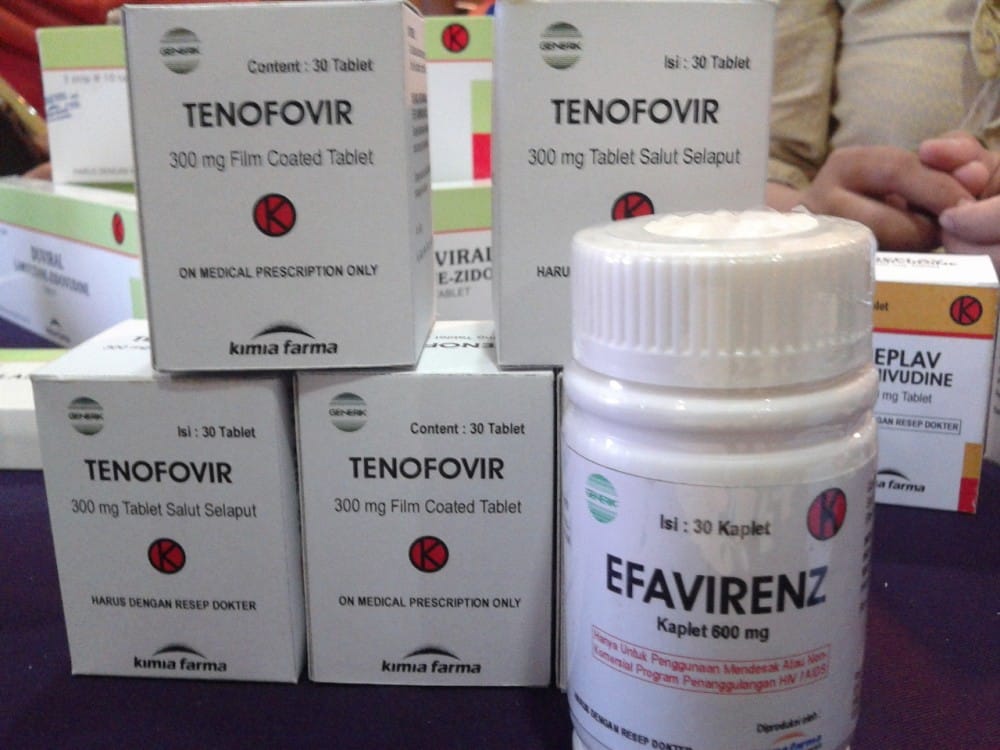
For people living with Human Immunodeficiency Virus/Acquired Immune Deficiency Syndrome (HIV/AIDS), access to medicine is not a matter that can easily be postponed. Antiretroviral therapy, commonly known as ARV treatment, is taken continuously to control the virus and maintain the body’s immune system. In Papua, health authorities are now emphasizing that this essential treatment remains available as part of the government’s effort to maintain continuous and inclusive healthcare.
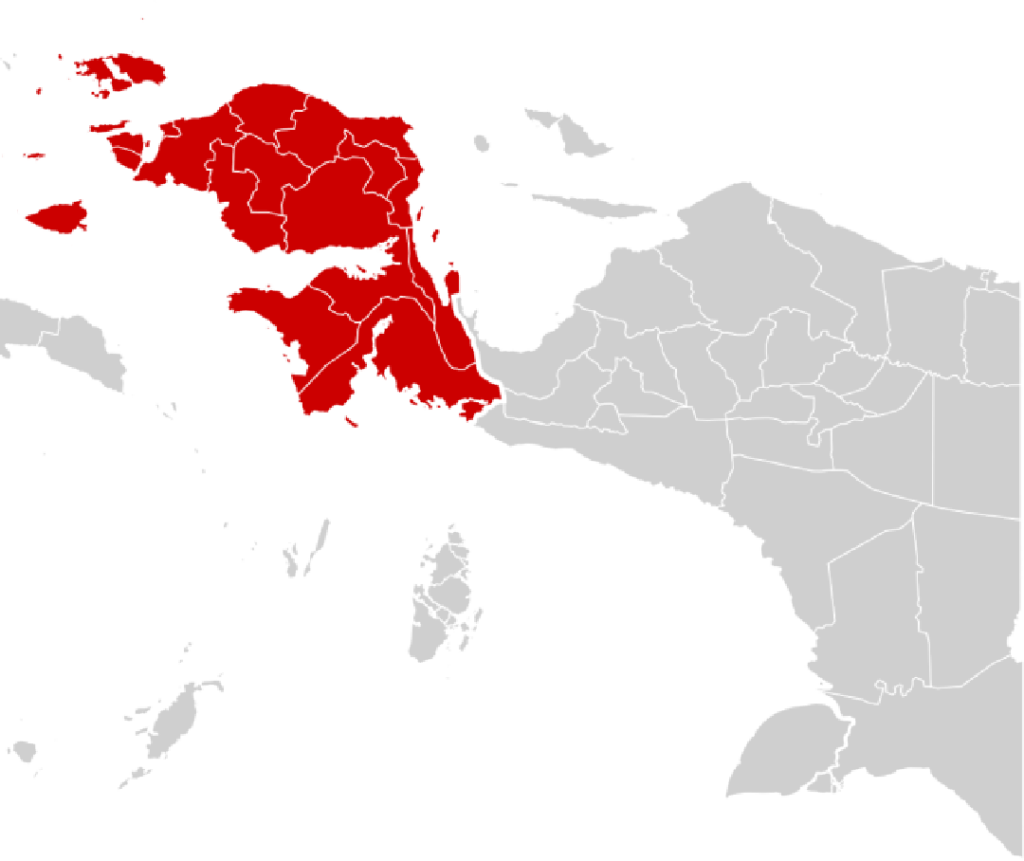
The ARV supply in Papua and Papua Selatan (South Papua) has been declared secure for thousands of people receiving treatment. In Papua Selatan alone, health authorities said medicine is currently available for 4,208 people living with HIV/AIDS, while a separate report from Papua’s provincial health authority put the number of recorded HIV/AIDS cases in the province at 26,271.
The figures underline the scale of the public health challenge. They also point to another issue that is less visible in statistics: continuity of care.
For patients who rely on ARV medication every day, an interruption in supply can become a serious concern. The authorities’ emphasis on regular distribution therefore carries significance beyond the availability of medicine itself. It reflects an attempt to build a health system in which patients can remain connected to treatment regardless of where they live.
In a geographically challenging region such as Papua, that objective is particularly important.
Why Continuity of ARV Treatment Matters
HIV Treatment is a Lifelong Commitment
According to Papua Selatan’s Health, Population Control, and Family Planning Agency, ARV medicines are provided free of charge and supplied periodically. Health chief Benedicta Rahangiar said patients should not be concerned about availability because the medicines continue to be supplied.
The statement is important because ARV treatment differs from many short-term medical treatments. Patients are expected to take the medication consistently over the long term. The provincial health authority has stressed that ARV therapy must be taken every day throughout a patient’s life.
Meanwhile, Papua’s acting provincial health chief, Beeri Wopari, said people undergoing ARV therapy should continue taking their medication routinely even when HIV is no longer detected during examination. The provincial government provides the medicines free of charge.
The treatment does not eliminate HIV from the body. Instead, it suppresses the virus and helps protect the immune system. That distinction is important for public understanding because effective treatment can significantly improve health outcomes, but continued adherence remains essential.
For Papua, maintaining that continuity is therefore not simply a pharmaceutical issue. It is part of a wider public health strategy.
Moving Treatment Closer to Communities
One of the more significant developments reported by Papua’s health authority is the expansion of medicine collection points beyond hospitals.
Patients can now obtain ARV medication through community health centers, or puskesmas, rather than relying exclusively on hospitals. According to Beeri, making treatment available through primary healthcare facilities is intended to make access easier and support patients in maintaining regular treatment.
This approach is especially relevant in Papua, where distance can influence access to healthcare.
A patient who has to travel long distances simply to collect medicine faces practical obstacles that may not appear in conventional health statistics. Transportation expenses, travel time, weather, and geographic conditions can all affect whether treatment remains consistent.
By bringing services closer to communities, the health system can reduce some of those barriers.
The policy also illustrates why healthcare infrastructure cannot be measured only by the number of hospitals. Primary healthcare facilities play an important role in sustaining treatment for chronic conditions, particularly when patients require repeated access to medication.
Papua Selatan Faces a Distinct Distribution Challenge
Papua Selatan provides a useful illustration of both progress and remaining gaps.
The province has 83 puskesmas, but only 18 currently provide ARV medication services. Fourteen of those facilities are located in Merauke, while Mappi and Asmat each have two. Boven Digoel does not yet have a puskesmas providing ARV services, according to the provincial health authorities.
That gap has been identified as an area for future improvement.
Rahangiar said the provincial government intends to establish ARV services at a puskesmas in Boven Digoel. The district has 304 recorded people living with HIV/AIDS, making the expansion of local services particularly relevant.
The distribution of cases also demonstrates why a one-size-fits-all approach would be difficult.
Merauke recorded the largest number, with 3,157 cases, followed by Asmat with 434, Mappi with 313, and Boven Digoel with 304. The majority of patients in Papua Selatan are reported to be between 25 and 49 years old.
These figures suggest that healthcare planning must combine medicine availability with geographic accessibility.
Papua’s Wider HIV/AIDS Picture
The situation in Papua Selatan forms part of a larger provincial picture.
Data cited by Papua’s Health Office indicate that 26,271 people living with HIV/AIDS have been recorded in the province. Most are within the productive age range of 15 to 50 years. Jayapura City has the highest reported number, at 11,235 cases, while Mamberamo Raya has the lowest among the province’s nine regencies and municipalities, with 131 cases.
The concentration among working-age residents adds an economic dimension to the health issue.
Healthy working-age populations contribute to households, businesses, and local economies. Maintaining access to effective HIV treatment can therefore be viewed not only as a medical responsibility but also as part of human capital development.
This is particularly relevant for Papua, where the government is pursuing broader development goals in education, infrastructure, employment, and social welfare.
Healthcare outcomes are closely connected to those objectives. A person who can access treatment consistently has a better opportunity to remain active within family and community life.
At the same time, public health policies need to remain sensitive to the social realities surrounding HIV. Medical access alone cannot address every challenge. Awareness, early testing, adherence to treatment, and reducing stigma are also important components of an effective response.
Inclusive Healthcare is About Access and Dignity
Beyond Hospitals and Medicine
The government’s emphasis on free ARV medicine and wider access through puskesmas points toward a broader principle: healthcare should reach people where they live.
For international observers, Papua presents a particularly interesting case because geographic scale and infrastructure conditions can complicate the delivery of public services. Expanding access to primary healthcare can help address those challenges without requiring every patient to depend on major hospitals.
The Papua Selatan example shows both progress and unfinished work. Eighteen puskesmas already provide ARV services, but the absence of such services in Boven Digoel shows that the system still has room to expand.
That is not necessarily a contradiction. Public health systems evolve incrementally, especially across large and geographically diverse territories.
The important question is whether gaps are identified and addressed.
In this case, local authorities have publicly acknowledged the gap and stated their intention to establish services in Boven Digoel.
Reducing Barriers to Treatment
The shift toward Puskesmas-based services can also contribute to a more patient-centered model of care.
For someone living far from a hospital, collecting medication locally can mean fewer journeys and lower transportation costs. It can also make treatment feel less disruptive to everyday life.
Such practical considerations matter.
A health policy may be well designed on paper, but its success ultimately depends on whether people can use it consistently. In chronic disease management, convenience and continuity can become decisive factors.
For HIV/AIDS, this is particularly important because ARV therapy is not a one-time intervention.
The government’s reported commitment to maintaining medicine supplies therefore needs to be understood alongside its efforts to expand points of access.
The Economic and Social Dimension
The HIV/AIDS response also has implications beyond healthcare.
Papua’s development agenda depends heavily on strengthening its human resources. People in the productive age group are central to local economic activity, from agriculture and fisheries to services, education, and government.
Ensuring that people living with HIV can remain healthy and continue participating in society is therefore part of a broader development strategy.
This perspective also helps explain why inclusive healthcare matters for communities.
When treatment is accessible and stigma is reduced, patients have greater opportunities to remain engaged with their families and workplaces. Health services can consequently become a foundation for social resilience.
For government institutions, the challenge is to maintain a balance between expanding access and ensuring the quality of treatment. More distribution points should be accompanied by adequate medical personnel, reliable supply chains, appropriate counseling, and patient confidentiality.
The current focus on ARV availability is an important first step, but sustained healthcare outcomes will depend on the entire system working together.
Papua’s Healthcare Agenda is Becoming More Accessible.
The latest reports from Papua and Papua Selatan offer a relatively straightforward message: authorities are working to ensure that people living with HIV/AIDS can continue receiving the medication they need.
In Papua Selatan, the provincial government says ARV stocks for 4,208 people are secure and medicines are supplied periodically. In Papua province, officials have likewise assured patients that ARV supplies remain available and free, while services have increasingly been made accessible through puskesmas.
These measures do not indicate a resolution to the HIV/AIDS challenge.
The figures remain significant, and the geographic distribution of services shows that some communities still face greater barriers than others. For example, authorities have identified the absence of ARV services at the puskesmas level in Boven Digoel as a gap they want to address.
The next phase will therefore require consistency.
Maintaining stocks, expanding local services, improving public awareness, and encouraging patients to remain adherent to treatment will be important if the progress is to translate into stronger long-term health outcomes.
A Test of Papua’s Inclusive Development
Papua’s HIV/AIDS response illustrates a broader reality about development in eastern Indonesia. While infrastructure and economic growth are important, access to essential services when needed is also a key measure of development.
For people living with HIV, the availability of ARV medication can make the difference between uncertainty and continuity.
The government’s reported effort to secure supplies, provide medication free of charge, and move services closer to communities represents a practical component of inclusive healthcare. It also reflects an approach in which provincial health authorities identify local gaps rather than treating Papua as a single, uniform territory.
That approach will become increasingly important as the region continues to develop.
The immediate priority is clear: patients must not lose access to essential treatment. In the longer term, Papua will need stronger primary healthcare networks capable of reaching communities across its vast geography.
For international readers following Papua’s development, the HIV/AIDS program offers a useful reminder that public policy is often most meaningful in the everyday details. A functioning supply chain, a nearby health center, and medicine that is available when a patient needs it may not make international headlines. Yet for thousands of people, those details are what make healthcare real.
Conclusion
Securing ARV supplies in Papua and Papua Selatan represents an important step in strengthening inclusive healthcare, but the real measure of success will be continuity. With 4,208 people receiving care in Papua Selatan and 26,271 recorded cases in Papua province, authorities face a substantial and continuing responsibility.
The government’s emphasis on free medication and broader access through puskesmas provides a foundation for that effort. The planned expansion of ARV services in Boven Digoel also shows how local gaps can become targets for future improvement.
For Papua, healthcare policy is ultimately inseparable from development policy. Keeping people healthy supports families, communities and the productive workforce, while accessible services strengthen public confidence in institutions.
The challenge ahead is to sustain the supply, expand access, and ensure that treatment remains available not only in major population centers but also in communities farther from provincial hospitals. If that continuity can be maintained, Papua’s HIV response can become an increasingly important example of how inclusive healthcare contributes to wider human development.