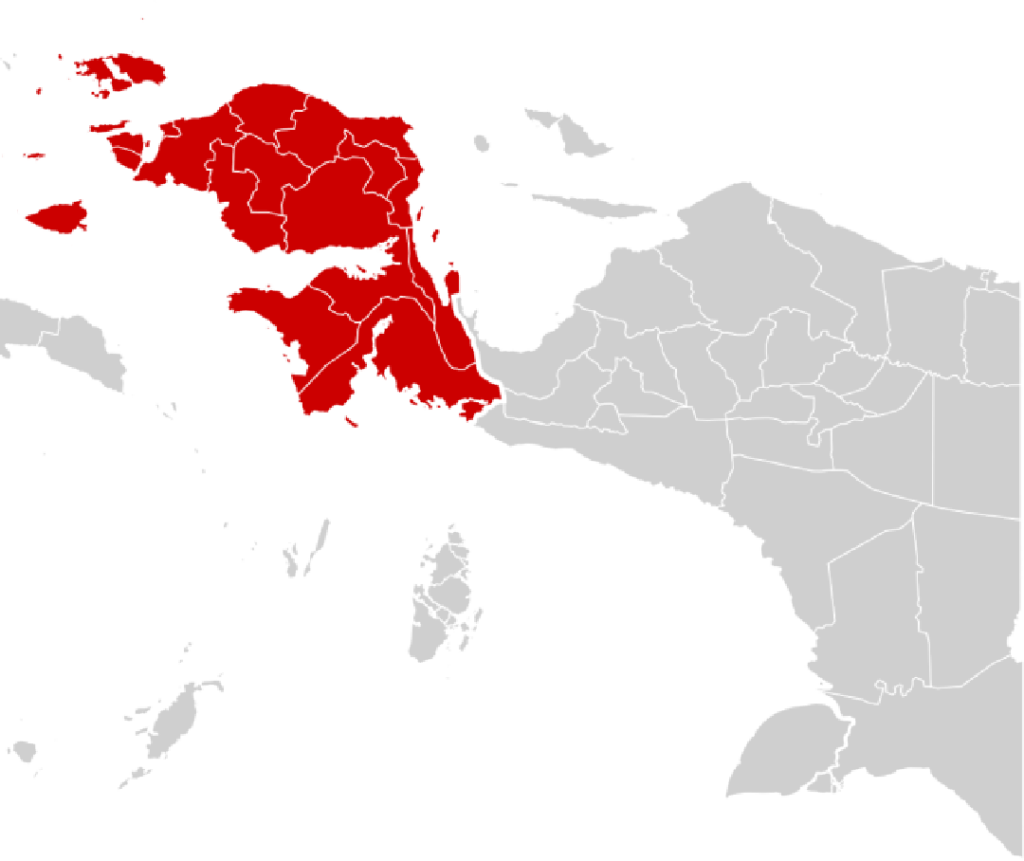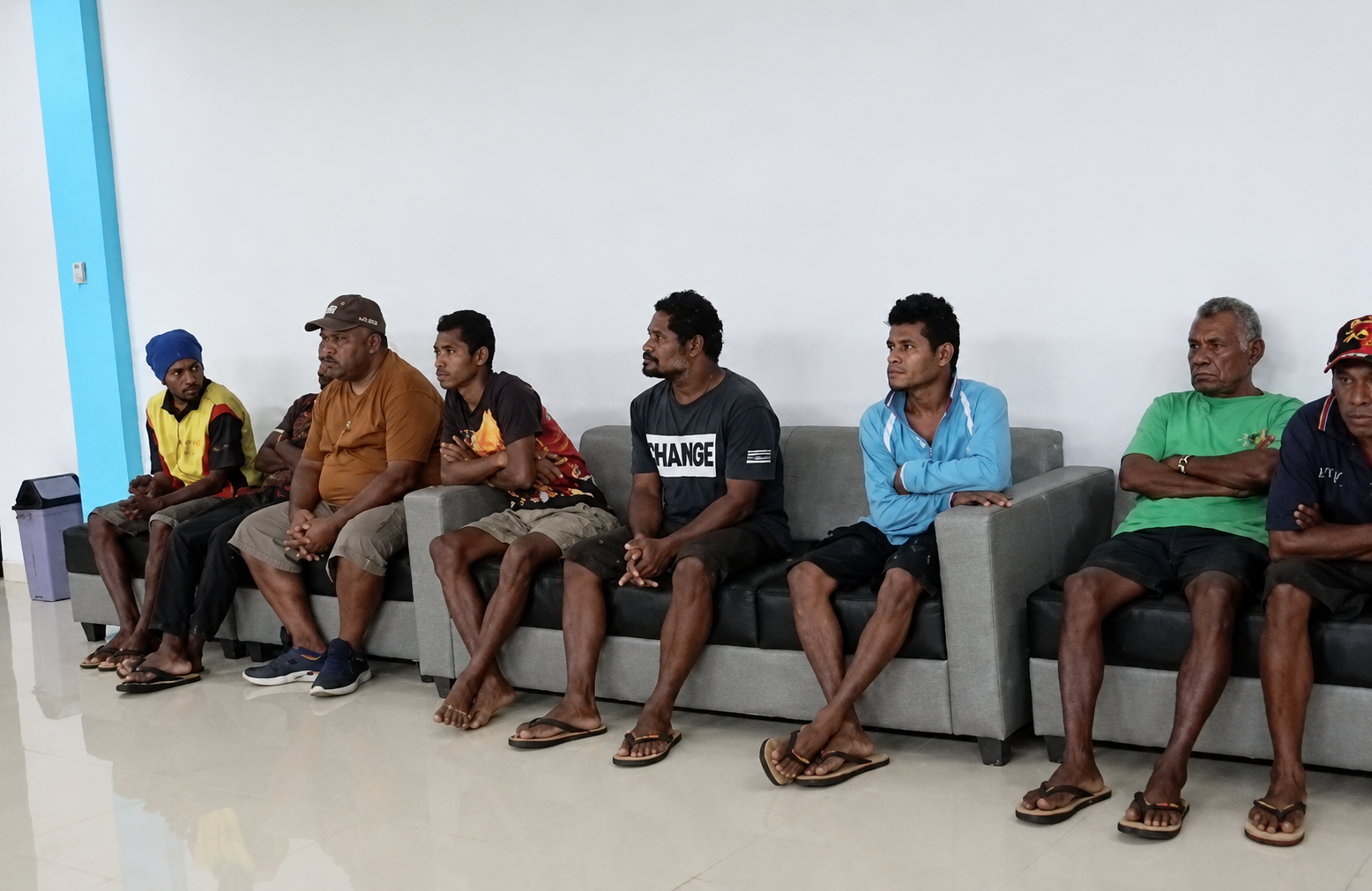
The Jayapura Immigration deportation of 28 Papua New Guinea (PNG) nationals during the first half of 2026 reflects Indonesia’s continuing commitment to enforcing immigration regulations while maintaining orderly cross border movement along the country’s frontier with Papua New Guinea. Immigration officials stated that the deportations were primarily linked to violations of immigration rules, including the misuse or expiration of stay permits, demonstrating the government’s emphasis on lawful mobility across one of Indonesia’s most strategically important international borders.
The deportations were carried out by the Class I Immigration Office in Jayapura through established immigration procedures, with individuals returned to Papua New Guinea after administrative and legal requirements had been completed. Authorities emphasized that enforcement measures were implemented in accordance with Indonesia’s immigration legislation and applicable procedures governing foreign nationals.
Although the Indonesia and Papua New Guinea border facilitates longstanding social, cultural, and economic interaction between neighboring communities, immigration officials noted that cross border movement must continue to comply with national regulations. Maintaining this balance remains essential to protecting border security while allowing legitimate travel and cooperation to continue.
The latest figures also illustrate the broader role of immigration authorities in Papua, where officers are responsible not only for processing travel documents but also for safeguarding national sovereignty, supporting public order, and facilitating legal international mobility.
Managing One of Indonesia’s Longest Land Borders
Indonesia shares an approximately 812 kilometer land border with Papua New Guinea, stretching through dense tropical forests, mountainous terrain, and remote settlements before reaching the Pacific coast.
Unlike many international borders separated by significant natural barriers or urban checkpoints, sections of the Indonesia and Papua New Guinea frontier are characterized by closely connected indigenous communities whose family, cultural, and traditional relationships often extend across both sides of the border.
For decades, residents have maintained legitimate cross border interaction through traditional crossings, local trade, customary activities, and family visits conducted under bilateral arrangements and national regulations.
This unique geographical and social environment requires immigration authorities to perform responsibilities that extend beyond conventional border inspection.
Officials must facilitate lawful movement while preventing immigration violations, unauthorized entry, document misuse, and other activities inconsistent with Indonesian law.
Because of these conditions, immigration officers stationed in Jayapura work closely with personnel assigned to official border checkpoints as well as traditional crossing posts located in several frontier districts.
Authorities have consistently emphasized that effective border management depends upon maintaining both security and accessibility, ensuring that legitimate travelers can cross efficiently while violations receive appropriate legal action.
Immigration Enforcement Supports National Sovereignty
Immigration administration forms one of the principal instruments through which states regulate international movement.
Officials explained that every foreign national entering Indonesia is expected to comply with visa requirements, travel documentation rules, and the conditions attached to authorized stay permits.
When violations occur, administrative immigration measures, including deportation, may be applied in accordance with Indonesian law.
According to immigration authorities, most enforcement actions in Papua involve administrative violations such as illegal entry or problems relating to immigration documentation rather than more serious criminal offenses.
The deportation of 28 Papua New Guinea nationals during the first semester of 2026 therefore reflects the routine implementation of immigration regulations rather than extraordinary enforcement measures.
Officials stressed that consistent enforcement helps preserve the credibility of the immigration system while providing legal certainty for foreign visitors who comply with Indonesian regulations.
Maintaining effective immigration controls also contributes to broader government objectives relating to national security, public administration, and orderly international mobility.
Cooperation Along the Indonesia and Papua New Guinea Frontier
Border management between Indonesia and Papua New Guinea relies heavily on cooperation between multiple institutions.
Immigration authorities regularly coordinate with the Indonesian National Armed Forces, the National Police, customs officials, quarantine agencies, local governments, and other institutions involved in border administration.
This multiagency approach supports information sharing, coordinated inspections, and more effective responses to immigration violations.
Officials have also highlighted the importance of maintaining constructive communication with Papua New Guinea authorities to facilitate lawful returns and ensure that deportation procedures are conducted smoothly and respectfully.
Cross border cooperation remains particularly important because communities living near the frontier frequently interact through trade, education, healthcare, religious activities, and family relationships.
Managing these interactions effectively requires policies that combine firm law enforcement with practical mechanisms supporting legitimate cross border movement.
Immigration officials therefore continue strengthening institutional cooperation while encouraging communities to comply with applicable travel documentation requirements.
Border Communities Share Deep Historical Connections
Life along the Indonesia and Papua New Guinea border differs considerably from that experienced in many other international frontier regions.
Communities on both sides often share linguistic, cultural, and customary traditions that predate the establishment of modern national boundaries.
These historical connections contribute to regular interaction between border residents while creating unique administrative responsibilities for immigration authorities.
Government officials recognize that border regions function not only as security zones but also as important gateways for regional cooperation, cultural exchange, and economic interaction.
Consequently, immigration management seeks to facilitate legitimate cross border activities while ensuring that international travel continues to follow national legal procedures.
Balancing these objectives requires continuous public outreach, effective documentation systems, and close cooperation between government institutions and local communities.
For residents living near official crossing points such as PLBN Skouw, efficient immigration services remain an important element supporting lawful mobility and bilateral relations.
Modern Immigration Management in Papua
The deportation of 28 Papua New Guinea nationals during the first half of 2026 also reflects the continuing modernization of Indonesia’s immigration administration, particularly in border provinces such as Papua where international mobility requires careful oversight.
In recent years, immigration authorities have strengthened administrative procedures through improved data management, enhanced document verification, and closer coordination between border checkpoints and regional immigration offices. These improvements enable officers to identify immigration violations more efficiently while facilitating legal travel for visitors who comply with Indonesian regulations.
Officials note that immigration services today extend far beyond passport control. Modern immigration institutions are expected to combine law enforcement, public service, border management, and international cooperation within an integrated framework that supports both national security and economic development.
At border crossings such as Skouw Cross Border Post (PLBN Skouw), immigration officers play a central role in processing travelers, verifying documentation, and ensuring that cross border movements remain orderly and consistent with applicable regulations.
As mobility between Indonesia and Papua New Guinea continues to grow through trade, tourism, education, and family visits, efficient immigration administration will remain increasingly important for maintaining public confidence while supporting regional connectivity.
Border Security Supports Regional Stability
Effective immigration enforcement also contributes to broader regional stability.
Indonesia’s eastern border is not only an international boundary but also an important gateway connecting two neighboring countries with longstanding diplomatic relations.
Maintaining orderly cross border movement helps reduce administrative irregularities while supporting legal economic interaction between communities on both sides of the frontier.
Officials have consistently emphasized that immigration enforcement should be understood as part of routine governance rather than an indication of deteriorating bilateral relations.
The deportation of foreign nationals who violate immigration regulations is a common administrative measure practiced by many countries around the world.
By applying immigration laws consistently, authorities seek to ensure fairness for travelers who comply with legal requirements while maintaining confidence in Indonesia’s border management system.
Border security also complements broader government efforts to combat transnational crimes such as document fraud, human trafficking, smuggling, and other activities that may exploit weak border controls.
Although the Jayapura deportation cases involved immigration violations rather than allegations of organized transnational crime, officials note that consistent immigration enforcement strengthens the overall integrity of border administration.
Facilitating Legal Cross Border Mobility
While immigration authorities enforce regulations against violations, they also continue facilitating legitimate travel between Indonesia and Papua New Guinea.
Border communities maintain extensive social, cultural, educational, religious, and commercial interactions that contribute to local prosperity and strengthen bilateral relations.
Government policies therefore seek to balance two complementary objectives, ensuring effective law enforcement while supporting lawful mobility.
Immigration officials continue providing services for travelers who meet documentation requirements while conducting public outreach to improve understanding of immigration regulations among border residents.
Educational campaigns encouraging compliance with visa requirements and stay permits are viewed as preventive measures capable of reducing future administrative violations.
Officials also encourage foreign nationals residing or traveling within Indonesia to maintain valid documentation and report changes in immigration status through appropriate administrative procedures.
Such efforts help minimize misunderstandings while supporting more efficient immigration services for both Indonesian citizens and international visitors.
Strengthening Indonesia’s Presence Along the Frontier
The work carried out by the Jayapura Immigration Office illustrates the broader role of state institutions in strengthening governance across Indonesia’s frontier regions.
Border management today involves more than maintaining territorial boundaries.
It includes improving public services, facilitating legal trade, supporting regional economic development, encouraging international cooperation, and strengthening institutional capacity.
The presence of immigration officers, customs personnel, quarantine authorities, security agencies, and local governments contributes to creating an integrated border management system capable of responding to both administrative and security challenges.
Officials have repeatedly emphasized that effective governance in border regions supports national resilience while enhancing public confidence in government institutions.
As Papua continues developing transportation infrastructure, cross border facilities, and economic cooperation with neighboring Papua New Guinea, immigration services are expected to remain a key component supporting sustainable regional development.
Looking Ahead
Indonesia is expected to continue strengthening immigration services throughout Papua while improving cooperation with Papua New Guinea in managing lawful cross border movement. Future priorities are likely to include enhanced digital immigration systems, closer coordination among border management agencies, improved public awareness regarding immigration regulations, and continued modernization of services at official border crossings. As economic and social interaction between neighboring communities continues to expand, effective immigration governance will remain essential for balancing security, legal mobility, and regional cooperation along the Indonesia and Papua New Guinea frontier.
Conclusion
The deportation of 28 Papua New Guinea nationals during the first half of 2026 demonstrates Indonesia’s continued commitment to enforcing immigration regulations while maintaining orderly management of its approximately 812 kilometer border with Papua New Guinea. Conducted through established legal procedures, the administrative actions underscore the important role of the Jayapura Immigration Office in safeguarding national sovereignty, facilitating lawful international mobility, and supporting effective border governance. As cross border interaction continues to grow, consistent immigration enforcement, combined with regional cooperation and modern public services, will remain essential for promoting security, stability, and sustainable development in Papua’s frontier regions.