As the sun sets over Jayapura and the first call to prayer rings out across the hills, Ramadan in Papua has a rhythm that feels both close and far away. Families get together at home to eat simple meals. Street vendors make sweet drinks and fried snacks for iftar. Fishermen come back to coastal towns earlier than usual so they can break their fast with family and friends. In the highlands, small stores stay open a little longer because they expect customers to be getting ready for Eid.
Another kind of preparation is going on quietly behind this spiritual and social atmosphere. It is just as important as the lanterns in front of mosques or the crowds at night markets, but you can’t see it as well. It’s about gas.
In a province as big and hard to get around as Papua, energy is more than just a product. It is a lifeline. Fuel keeps public transportation running on winding mountain roads. It gives power to fishing boats that help people make a living along the coast. It keeps hospitals running and makes sure that electricity flows in towns where the infrastructure is still weak.
The Papua Provincial Government and PT Pertamina Patra Niaga Regional Papua Maluku took steps early this year to make sure that fuel supplies stay steady during the holiday season, before Ramadan and Eid al-Fitr 1447 Hijri. Their work together is more than just organizing things. It shows that people know that stability during Ramadan is about more than just prayer and tradition. It’s about making sure that everyday life goes on without a hitch.
A Season of Higher Demand
During Ramadan and Eid, people in Indonesia usually use a lot more fuel. Families going back to their hometowns makes travel go up. As markets get ready for the holiday season, business picks up. In Papua, these patterns are even stronger because of the way the land is set up.
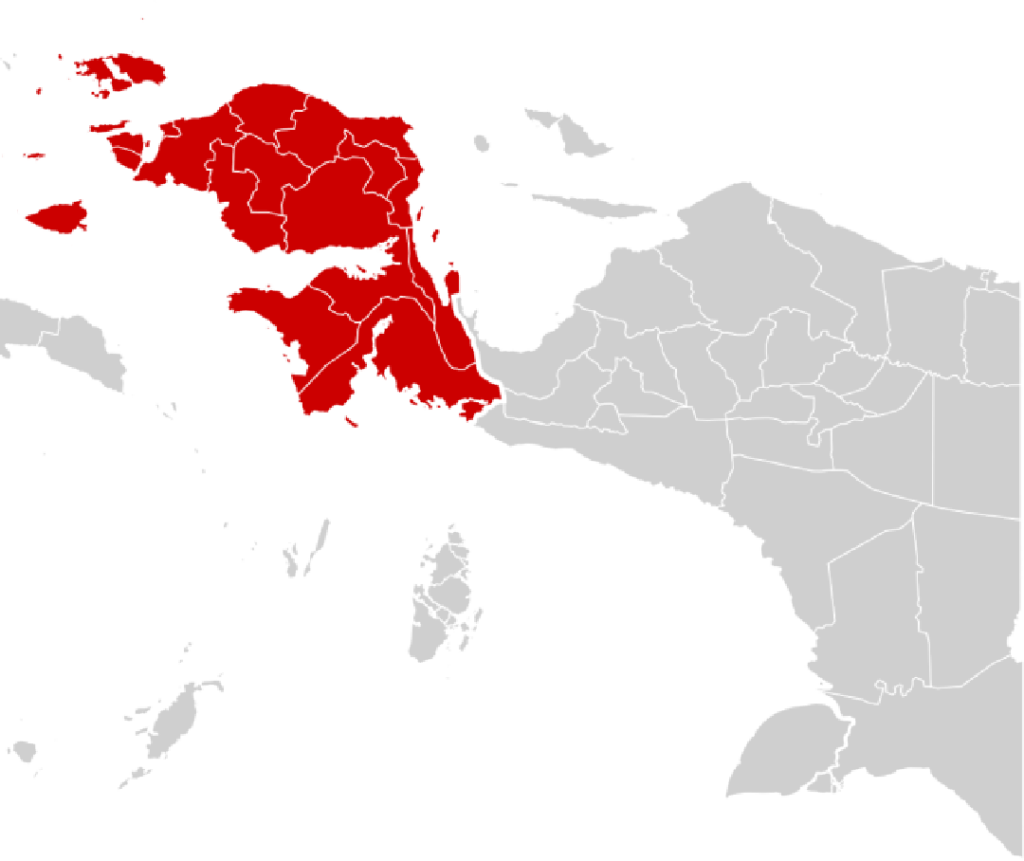
Papua has some of the most difficult terrain in Southeast Asia. The interior is full of mountain ranges. Dense forests make it hard for roads to connect. Many remote areas rely on small planes or boats to bring them fuel. Shipments can be delayed by the weather without warning.
With this in mind, careful planning is needed to make sure there is a steady supply of fuel.
Regional news outlets reported that Pertamina confirmed that Papua has enough fuel stocks and that they are well above the minimum levels. The company stressed that it had set aside strategic reserves in case demand rose during Ramadan and Eid.
This promise means a lot to the people who live there. Even a short delay in getting fuel to remote areas can have a big effect on the local economy.
Direct Oversight and Field Inspections
The government of Papua Province didn’t just rely on reports. To make sure everything was ready, provincial officials went to the fuel storage and distribution centers and checked them out in person.
These visits were not just for show. Leaders talked about backup plans, looked at stock levels, and talked about how to get things to people with Pertamina managers. They wanted to make sure that every possible situation had been thought of, from bad weather to sudden spikes in demand.
Officials said that buffer stocks had been placed in key supply points in a way that made sense. Monitoring systems were improved to keep an eye on fuel flow and find possible problems before they get worse.
The inspections also told the public something. There is active oversight. People in charge are paying attention. There is no need for panic buying or speculation when the supply is stable.
Keeping Communities Connected
Fuel in Papua isn’t just for cars. It keeps people alive.
In coastal areas, diesel powers fishing boats that bring fresh fish to markets. In farming areas, fuel makes it possible to move crops to city centers. In the faraway highlands, aviation fuel is used for flights that bring important goods and medical supplies.
During Ramadan, people move around more because families go to communal prayers and visit each other. Making sure that fuel is always available means making sure that these connections stay strong.
Stable fuel prices keep small business owners from having to pay more for things all of a sudden. For drivers of transportation, a steady supply means a steady income.
During the holy month, energy security and economic stability go hand in hand.
Pertamina’s Role in Eastern Indonesia
PT Pertamina Patra Niaga is a key player in getting fuel to eastern Indonesia. In places like Papua, logistics need to be strong and flexible.
Tanker ships bring fuel to big ports. From there, trucks, smaller boats, or planes take it to faraway districts. Each step needs to be coordinated.
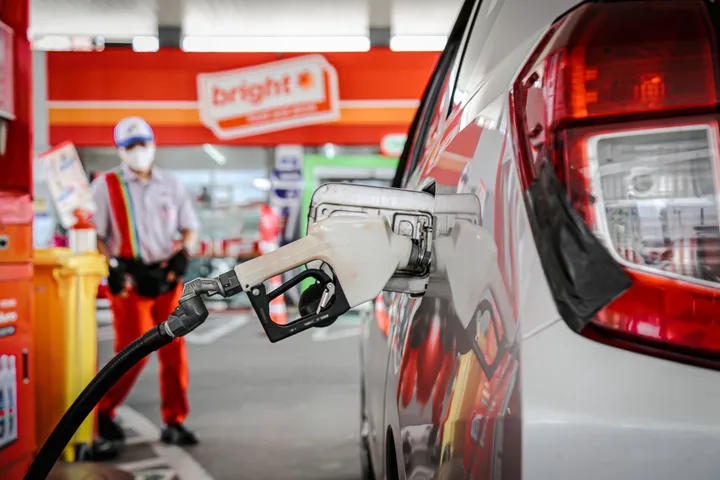
During Ramadan and Eid, some fuel stations stay open longer than usual. Extra staff are brought in to handle busy times. Emergency response teams are always ready to help in case something goes wrong.
Pertamina officials have stressed that their Ramadan task force will be watched more closely during the holiday season. Tracking data in real time lets you quickly respond to changes in demand patterns.
Preventing Speculation and Maintaining Calm
One of the biggest dangers during the holidays is getting the wrong information. People can quickly spread rumors about shortages, which can cause people to stock up for no reason.
The provincial government and Pertamina want to keep things calm by publicly confirming that there are stocks available and inviting the media to cover inspections.
Transparency is a way to keep things stable.
People in Papua know how quickly panic can break down supply chains. Clear communication lowers that risk.
After Eid and Ramadan
The main goal is long-term energy resilience, but the immediate focus is on Ramadan and Eid al-Fitr 1447 Hijri, which are important Islamic holidays.
Papua is still building infrastructure and making the economy stronger. These goals can be reached all year long with a steady supply of fuel.
Working together with energy companies builds trust in government. Every successful holiday season makes people more sure of the system.
The lessons learned while getting ready for Ramadan can help with planning for other busy times, like national holidays and busy tourist seasons.
Energy as a Source of Social Stability
In a lot of ways, fuel security is about keeping society stable.
Markets work well when the energy supply is stable. Schools are still open. Hospitals work all the time. Public services are still running as usual.
During Ramadan, when people focus on reflection, charity, and being together, families don’t need to worry about fuel.
The Papua Provincial Government and Pertamina show that they understand that stable infrastructure helps keep the peace by acting quickly and working together.
A Quiet but Important Task
The story of how fuel is delivered during Ramadan might not be very exciting. There are no big ceremonies or long speeches.
Instead, it’s a story about tankers arriving on time. Of trucks leaving depots before dawn. Of engineers keeping an eye on gauges. Of provincial officials going over reports late into the night.
It is about making sure that the trip is easy when families get together for iftar or go to Eid.
In a province where geography tests every supply chain, this kind of coordination is no small feat.
Papua’s energy network is ready as Ramadan goes on and Eid approaches.
And for a lot of people who live there, the most helpful kind of support is the quiet kind.