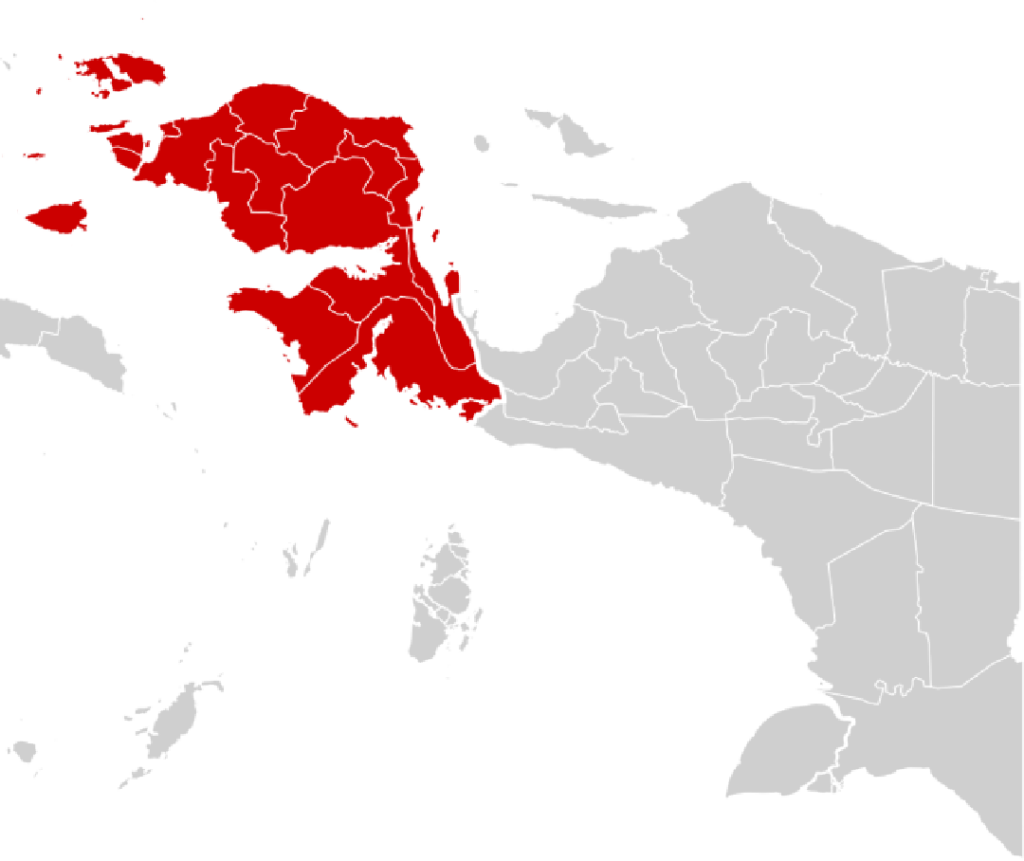
In the early morning sunshine that filters through the dense rainforest canopy of Papua, small families cultivate sago palms by hand. They tend the trees and process the starch with care, as their ancestors did for generations. Sago is more than a staple food here. It is part of cultural identity. It is sustenance. It is a tradition woven into daily life.
For decades, Papua’s sago products remained a local treasure. They fed families and small markets but rarely traveled far beyond the island. That is beginning to change.
On 20 February 2026, officials from the Provincial Government of Papua announced a major push to develop downstream sago products and position them for export to international markets, including Japan, Australia, and Germany. The government’s support is part of an effort to enhance economic opportunity for sago farmers, strengthen food processing industries, and elevate Papua as a globally recognized producer of sago goods.
This initiative reflects not only commercial ambition but also a deep commitment to preserving cultural heritage while building sustainable livelihoods connected to global demand.
The Push to Elevate Sago
At a press briefing in Jayapura, Papua’s capital, provincial officials detailed plans to support the hilirisasi sagu, which means downstream processing of sago. The term refers to moving beyond raw starch extraction to produce value-added products such as sago flour, snacks, baked goods, and even specialty food items that appeal to discerning overseas markets.
According to statements reported by local media on 20 February 2026, the provincial government is actively facilitating partnerships between local producers, private sector investors, and international buyers. The goal is to make sago a competitive export commodity.
Sago, known for its versatility and nutritional profile, is gaining attention abroad as a gluten-free alternative and a source of traditional carbohydrates. Japan, Germany, and Australia are markets where health food trends and sustainable product demand are on the rise.
In the announcement, provincial leaders emphasized that Papua’s sago is uniquely positioned to meet these demands. The region’s sago products carry not only nutritional value but also cultural richness that distinguishes them in global markets.
International Interest Takes Shape
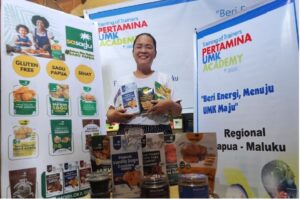
Interest in Papua’s sago reached a new level after the Colo Sagu Festival 2025, an event that showcased local sago products and traditional food preparations. The festival drew both domestic and international visitors, highlighting not only culinary heritage but also the commercial potential of adding value to what was once strictly a subsistence crop. Of the many outlets from festival participants, Sasagu Sago Snack was the most popular product among visitors.
Regional media outlets, including West Papua Voice, reported that representatives from Australia, Japan, and Germany have expressed curiosity about importing sago derivatives. These markets are known for their interest in gluten-free ingredients and health-oriented foods.
Australia’s proximity and shared focus on sustainable agriculture make it a natural early target for sago exports. Japan’s sophisticated food processing industry and longstanding interest in exotic food ingredients position it as a valuable partner. Germany’s robust market for organic and health food products adds further promise.
Provincial officials were careful to stress that exporting sago products is not about replacing domestic consumption. Instead, it is about building economic inclusion that benefits producers, processors, and communities across Papua.
Government Support and Strategic Plans
Provincial leadership is playing a central role in coordinating this effort. Officials have promised streamlined support for product certification, quality assurance, transportation logistics, and participation in international trade events.
One official noted that navigating export regulations is complex. It requires alignment with international food safety standards, packaging requirements, and market analysis that small producers often cannot manage on their own. The government’s role is to bridge that gap.
Support includes technical assistance for farmers, workshops on product development, and incentives for companies willing to invest in processing facilities. The provincial government is also facilitating access to financing and partnerships with private firms that can help scale production.
This multi-pronged support aims to ensure that sago farmers, many of whom live in rural and often remote areas, are not left behind as the industry grows.
Stories From the Field
In villages around Jayapura and the central highlands, where sago palms are tapped and processed as part of daily life, the prospect of international markets has sparked excitement.
One sago farmer recalled how her family sustained itself for years with sago as a primary food source. She described the process of harvesting pith and extracting starch as labor intensive but rewarding. Her eyes lit up when asked about the possibility of earning income from sago products beyond local markets.
“I have always believed that what we grow here is special,” she said. “If people abroad can enjoy it and we can earn more, my kids will have better futures.”
In local processing units, workers are experimenting with sago flour baking, packaged snacks, and modern recipes incorporating traditional starch. These efforts are not only commercial. They represent a fusion of cultural heritage and modern innovation.
One small business owner described traveling to Surabaya and Jakarta to attend food expos and connect with industry professionals. She said that interest in sago snacks was already noticeable among health food enthusiasts.
Economic Inclusion and Food Security
Governor Papua links his support for sago export to broader goals that extend beyond commerce. It is tied to food security and economic inclusion, especially for rural populations.
Sago has historically been a food safety net in Papua. During times of seasonal scarcity or crop loss, sago roots ensured that families did not go hungry. Strengthening sago as an economic commodity ensures that this vital crop continues to receive attention and investment.
Provincial officials maintain that downstream processing and export can elevate living standards in rural sago-growing regions. With greater income opportunities, families can afford education, healthcare, and improved living conditions without abandoning their villages for urban centers.
This kind of rural economic bolstering contributes to a balanced development strategy in Papua, a region that has long faced infrastructure and investment challenges.
Export Potential and Market Trends
Global demand for gluten-free and alternative grain products has been rising. Consumers in developed markets such as Japan, Germany, and Australia are increasingly seeking foods that fit specific dietary trends, including “free from” diets and traditional superfoods.
Sago’s profile, a naturally gluten-free, low-glycemic starch, fits these preferences well. European markets in particular have a strong interest in ethnic and healthy food products. German importers have expressed interest in marketing sago flour and specialty goods to health food stores.
In Japan, where food culture includes wide acceptance of diverse starch sources, sago offers novelty and nutritional appeal.
Australian businesses, already familiar with regional products from the Pacific, also see sago as a promising addition to their offerings.
Provincial officials have signaled that they are preparing delegations to participate in select trade exhibitions and food fairs in these countries. Their participation will aim to introduce Papua’s sago products to buyers, share product samples, and secure export contracts.
Challenges and Pathways Forward
Despite optimism, there are hurdles to overcome. Papua’s logistical constraints, including limited transportation infrastructure, pose challenges for efficient supply chain management. Many sago products must travel by sea or air to reach distribution centers, making cost management a priority.
Quality standards for international markets are also demanding. Ensuring that Papua’s sago products meet certification requirements for food safety and labeling is a complex task that involves training, testing, and ongoing quality control.
Infrastructure for processing and packaging needs scaling. Small business owners and cooperatives require equipment that meets international standards.
In response, provincial authorities have vowed to work with national agencies, private sector partners, and international development organizations to build capacity.
They emphasize that export success will not be immediate. Export success requires consistent quality, reliable delivery, and strong market feedback.
Cultural Pride and Global Identity
For many in Papua, the push to export sago is not simply economic. It is a moment of cultural affirmation.
Sago is deeply rooted in local traditions, ceremonies, and daily life. Elevating it to a global profile allows Papuans to share a piece of their heritage with the world. It creates opportunities for cultural exchange that go beyond trade.
In the words of one festival participant at the 2025 Colo Sagu Festival, “When people overseas taste sago from Papua, they taste our land, our history, and our stories.”
This sentiment resonates with officials who view the export drive as a way to celebrate Papua’s identity on the world stage.
Looking Ahead
As the province of Papua continues to prepare for international marketing and export development, it finds itself at a significant juncture. Sago is no longer just a local staple. It has become a bright spot for rural economies, a bridge to global markets, and a symbol of what happens when cultural heritage meets opportunity.
The provincial government’s backing, now clear in official announcements from 20 February 2026, shows a commitment to transforming traditional agriculture into sustainable economic growth. It signals a future where Papua’s people and products participate fully in the global economy.
Farmers in small villages may still rise with the sun to tend their sago palms, but now they do so with the knowledge that their work has value far beyond their communities. Export markets in Japan, Germany, and Australia are watching. Buyers overseas are curious. And in the markets at home, the conversation has changed: sago is no longer just survival food. It is Papua’s rising export.