
The Papuan craft brand Ticia, founded by Beatrix Antonieta Manggo, is preparing to take a distinctive combination of traditional craftsmanship and contemporary fashion to South Korea, offering an international audience a closer look at the cultural creativity and business potential of Indigenous Papuans.
Ticia is scheduled to participate in the Multicultural Festival of Asia (MAMF) 2026, taking place in South Korea from October 23 to 25. The opportunity comes through collaboration with partners associated with Wastra Nusantara, with support from the Artara Kreasi Indonesia Foundation. For Beatrix, the exhibition is more than a chance to display handmade products. It is an opportunity to show that Papua’s cultural heritage can inspire commercially viable designs for customers beyond Indonesia.
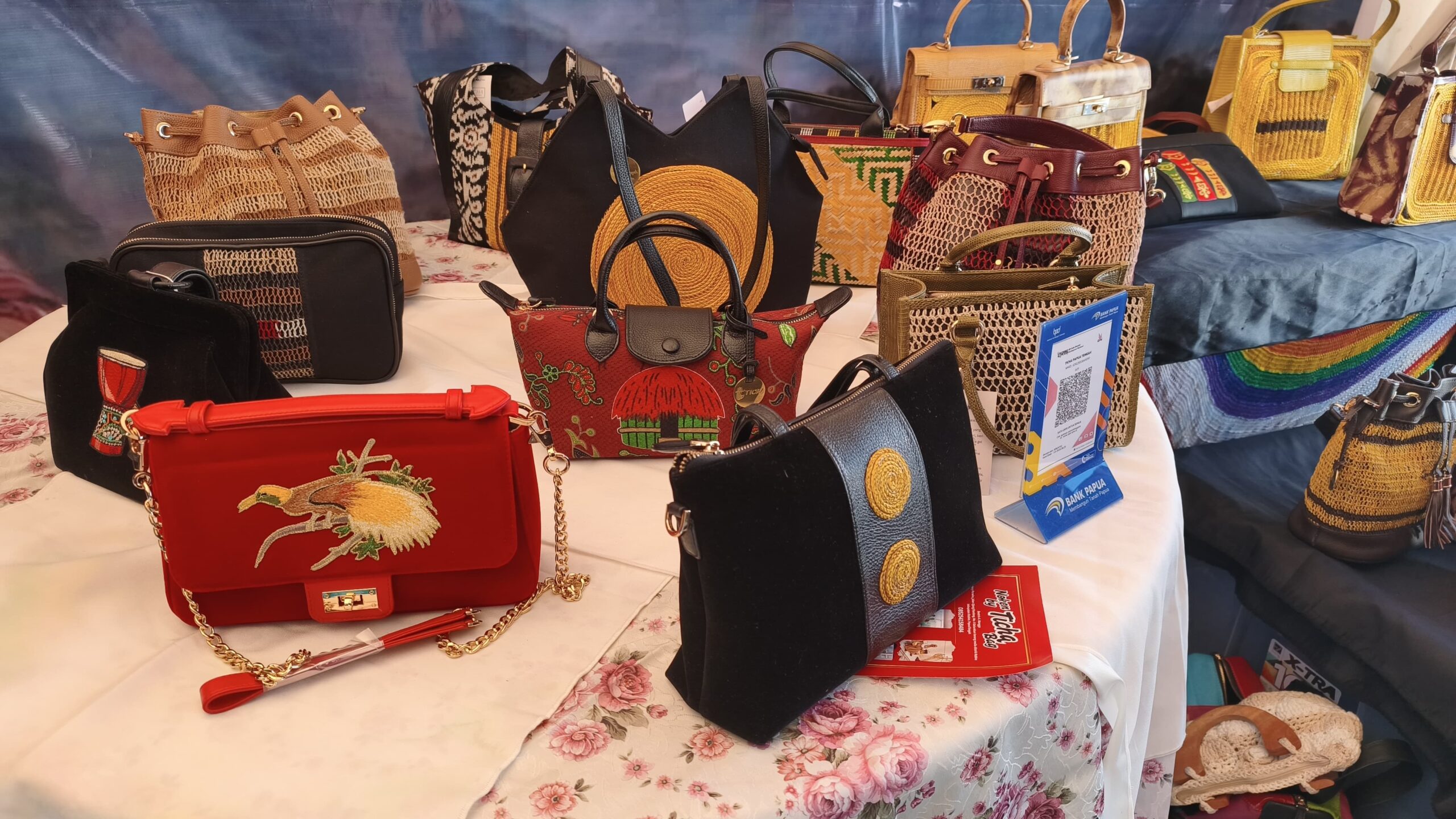
Her products combine traditional Papuan noken with leather, batik, woven materials, and other locally inspired elements, transforming familiar cultural forms into bags and fashion items designed for everyday use, travel, and formal occasions. The approach reflects a wider opportunity for Indigenous Papuan small and medium-sized enterprises (MSMEs): preserving cultural knowledge while developing products that can compete in modern markets.
The planned South Korean appearance also builds on a journey that began with experimentation in 2024, continued through local exhibitions and overseas exposure, and has increasingly focused on connecting traditional craftsmanship with international customers. It illustrates how local entrepreneurs can create new economic opportunities by investing in design, product quality, and the stories behind their work.

From Papua’s Cultural Heritage to Contemporary Design
The Idea Behind Ticia
Beatrix, whose family has roots in Puncak Regency in Central Papua, established Ticia around a simple creative principle: traditional culture need not remain confined to its familiar forms to retain its meaning.
In an interview published by Jubi on September 5, 2026, she explained that the brand name was inspired by a word associated with silence and tranquillity in Slavic languages, including Czech and Slovak. She connected the idea with the calm and concentration required to develop a piece of art.
“To create a piece of work, we really need to be still and calm. From there, new inspirations emerge and can lead to the creation of our best work,” Beatrix told Jubi during the 15th Sentani Lake Festival in Jayapura Regency.
That philosophy informs the way she approaches Papuan craft. Rather than treating noken solely as a traditional bag used to carry produce or everyday belongings, she sees it as a starting point for products that can appeal to a wider range of consumers.
Noken is deeply associated with Papuan cultural life and traditional craftsmanship. Beatrix’s approach does not seek to replace that identity. Instead, she combines noken with materials such as leather and batik to create products that retain a recognizable Papuan character while adopting contemporary shapes and functions.
She began developing this concept in 2024. Since then, her work has expanded into bags and other fashion products designed for different settings, from daily activities to formal events.
The distinction is important in a competitive fashion market. A product may attract attention because of its cultural origin, but sustained demand also depends on its usability, construction, finish, and design. By bringing traditional materials into modern products, Beatrix is seeking to connect those two dimensions.
Bringing Together Noken, Batik, and Natural Materials
The South Korean exhibition will showcase a range of bags crafted from cowhide, monitor lizard leather, and crocodile leather, all combined with Papuan noken. Ticia also plans to present contemporary clothing made from Papuan batik and bark cloth, alongside printed batik designs adapted for modern garments.
These combinations demonstrate the variety of materials and techniques that can contribute to Papua-inspired design. Noken provides a distinctive woven or knitted texture, while batik introduces visual patterns connected to local identity. Bark cloth brings another dimension of material heritage to contemporary clothing.
The use of animal-derived materials also makes responsible sourcing and compliance with applicable wildlife and trade regulations important considerations for any business seeking international markets. The available reporting describes the materials planned for Ticia’s products but does not provide details of sourcing documentation or regulatory arrangements. As the business expands into overseas markets, it should establish those details.
Beatrix’s broader design philosophy extends beyond familiar cultural symbols. Her batik work has drawn inspiration from Papuan flora and fauna, traditional objects, and stories associated with local communities. One example is the cuscus, an animal whose place in the lives and experiences of communities in Papua has inspired her designs.
By incorporating such subjects, she aims to give customers more than a recognizable image. Each design can serve as an introduction to the natural environment and cultural experiences that inform the work.
The result is an approach to fashion in which traditional identity is not treated as decoration alone. It becomes part of the product’s story, giving buyers a way to engage with Papua through objects they can use.
From Local Exhibitions to an International Opportunity
Building Experience Before MAMF 2026
The upcoming appearance in South Korea follows earlier efforts to introduce Ticia’s products to customers outside Papua.
Beatrix has been working with partners connected to Wastra Nusantara for approximately two years. Through that relationship, her noken-based products have been introduced to overseas audiences, including through a store in Busan, South Korea, featuring Indonesian traditional textiles and fashion products. She has also taken Noken products to the Netherlands.
These experiences have helped reinforce her belief that products rooted in Papua’s cultural heritage can attract interest beyond their place of origin when they combine distinctive design with quality.
The MAMF 2026 exhibition represents another opportunity to build that visibility. The festival brings together multicultural expressions and products from Asian countries, including ASEAN nations, according to Jubi’s report on the event.
For a small craft brand, an international exhibition can serve several purposes. It provides a venue to display products, introduce the story behind their design, and observe how potential customers respond. It can also create opportunities to meet prospective partners and learn about preferences in different markets.
However, one should not automatically equate participation in an exhibition with securing export contracts or establishing a permanent international customer base. Follow-up, pricing, production capacity, delivery arrangements, and the ability to meet buyers’ requirements determine those outcomes.
For Ticia, the immediate goal is to make Papuan craft more visible and demonstrate how local materials and cultural knowledge can be translated into products suitable for contemporary use. The exhibition will clarify whether it leads to repeat orders or longer-term commercial partnerships.
A Platform for Telling Papua’s Story
Beatrix has said that Papua is often introduced to wider audiences through traditional bags, dance, painting, and cultural performances. She wants visitors to recognize another dimension of Papuan creativity: products that can be worn, carried, and incorporated into everyday life.
“I want to introduce outstanding products that show Papua’s creativity and distinctive character to Indonesia and the world,” she said in an interview with Jubi. She added that she wants people outside Papua to understand not only where Papua is but also what makes its products distinctive and useful.
This ambition links cultural representation with economic participation. A traditional object displayed in a museum or cultural performance can communicate history and identity. A well-designed product can carry that identity into daily life, creating additional opportunities for artisans and businesses to earn income from their skills.
For Beatrix, the two purposes are complementary. Cultural heritage can remain relevant when it is used and adapted thoughtfully, while commercial development can give artisans a stronger incentive to maintain their skills and pass them on.
The challenge is to ensure that adaptation does not strip products of the cultural meaning that makes them distinctive. Designers and entrepreneurs must understand the traditions they draw upon and respect the communities whose knowledge and practices inform their work.
Sentani Lake Festival: Connecting Craft with the Local Market
A Local Showcase Before the Overseas Exhibition
Before preparing for MAMF 2026, Beatrix displayed Ticia’s products at the 15th Sentani Lake Festival, held in Jayapura Regency. The festival provided an opportunity to introduce her work to local visitors and observe how customers responded to the combination of noken, batik, and modern designs.
Beatrix said the experience also highlighted the room for growth in Papua’s craft sector. In her assessment, festival stalls often give considerable space to food and local agricultural products, while craft and handmade fashion offerings remain more limited or similar in style.
She believes cultural festivals can do more than provide a place to sell goods or stage performances. Cultural festivals can transform into informal learning spaces, allowing young people to witness the development of traditional skills into products and businesses.
Visitors, including schoolchildren, can learn about design, production, entrepreneurship, and the effort required to bring an idea to market. Such exposure may help them understand that cultural knowledge can support creative careers as well as community identity.
Beatrix also called for more opportunities for artisans from different parts of Papua to present distinctive products at public events. Wider participation could help entrepreneurs discover new ideas, learn from one another, and avoid relying on a narrow range of familiar designs.
Customers Respond to Quality and Cultural Identity
At the festival, some visitors showed interest in Ticia’s products because of the combination of materials and the distinctive appearance of the designs.
One visitor, Magdalifa Siombing, told Jubi that the modified noken and batik products offered a variety of styles. She had purchased Papuan batik, describing its distinctive aesthetic and appeal when worn. She also said visitors could gain knowledge about the process of making noken by speaking with the artisan, rather than simply buying a finished product.
That response points to an additional strength of craft-based entrepreneurship: the maker can share the story behind a product directly with customers. Such interactions help buyers understand the work involved and the cultural context that distinguishes an item from mass-produced alternatives.
Beatrix has also expressed her deep appreciation for the interest shown in Papuan noken overseas. She recalled seeing people respond emotionally to the presence of the traditional bags outside Indonesia, interpreting that response as recognition of their cultural value.
For her, the experience reinforced the idea that Papuan products should not be valued only by the communities that produce them. They can also appeal to people from different backgrounds when quality and cultural meaning are clearly communicated.
Creating Economic Opportunities for Indigenous Papuans
From Craft Skills to Stronger Livelihoods
The development of Ticia illustrates a wider opportunity for Indigenous Papuan entrepreneurs: using existing cultural skills as a foundation for business innovation.
For many craft producers, the difficulty is not a lack of creativity or knowledge. It is finding ways to turn that expertise into products that can reach customers consistently. Access to suitable materials, training, equipment, financing, and marketing channels can all influence whether a small enterprise is able to grow.
Beatrix has argued that artisans need sustained support rather than opportunities limited to occasional exhibitions. She has called for more training to improve local human-resource capacity, alongside assistance with design, marketing, and access to capital.
Such support can be particularly important for women who depend on noken-making, craft production, and small-scale trading for household income. Their work may carry both economic and cultural value, yet access to larger markets can remain difficult without stronger business networks.
Beatrix believes economic empowerment should begin at the grassroots level, including among Papuan women and local entrepreneurs. Her argument is that community prosperity must involve the people who produce the goods and preserve the skills on which those goods depend.
For government institutions and development partners, the report points to several practical areas for support: business training, access to exhibitions, mentoring, financing options, and connections with buyers. Support is most effective when it responds to the actual needs of entrepreneurs and continues beyond the launch of a program or a single event.
At the same time, business growth depends on the decisions of the entrepreneurs themselves. Consistent product quality, realistic pricing, reliable delivery, and an understanding of customer demand remain essential. Public and private support can create opportunities, but it cannot replace sound business management.
Cultural Preservation Through Everyday Use
Beatrix’s view of cultural preservation closely connects to the economic value of Ticia. She believes that culture remains alive when people continue to use, develop, and pass it on, rather than treating it only as something to be displayed.
In her view, incorporating noken and Papuan motifs into bags, clothing, and other useful products gives traditional forms a place in contemporary life. That approach can encourage younger generations to see cultural knowledge as something they can actively develop.
This approach also initiates a discussion on how to safeguard traditional skills while fostering innovation. Not every adaptation will suit every community or tradition. Careful design, respect for cultural knowledge, and collaboration with artisans are important to ensure that commercialization supports rather than weakens the heritage behind the product.
When creative businesses take those considerations seriously, they can help sustain the people and skills that make cultural products possible. Income from craft production may help artisans continue their work, while wider recognition can encourage younger people to learn traditional techniques.
What the South Korean Exhibition Could Mean for Ticia
The scheduled appearance at MAMF 2026 is an important opportunity for Ticia, but it is one step in a longer business journey.
The immediate task is to present the products clearly, communicate their cultural background, and understand the response of potential customers. If interest develops into commercial inquiries, the next challenge will be maintaining quality, meeting production requirements, and ensuring that the business can fulfill orders reliably.
International growth may also require attention to product specifications, packaging, pricing, shipping, and any rules that apply to the materials used. Establishing clear sourcing records and ensuring compliance with relevant regulations will be particularly important when products incorporate animal-derived materials.
The experience could provide lessons for other Indigenous Papuan entrepreneurs considering international markets. It may demonstrate the value of collaboration, product innovation, and a clear cultural identity. It may also highlight the areas where additional investment or training is necessary for a small enterprise to expand.
No single exhibition can guarantee long-term commercial success. But the opportunity to introduce Papuan craft to an international audience can help build visibility, develop business relationships, and strengthen confidence in the value of locally created products.
Conclusion
Beatrix Antonieta Beatrix’s Ticia brand shows how traditional Papuan craftsmanship can be developed into contemporary products without abandoning its cultural roots. By combining noken with leather, batik, and other materials, she is creating bags and fashion items designed for modern use while retaining a connection to Papua’s artistic identity.
Her planned participation in the Multicultural Festival of Asia in South Korea from October 23 to 25, 2026, marks another step in efforts to introduce those products to international audiences. It follows earlier overseas exposure in Busan and the Netherlands, as well as local promotion through the Sentani Lake Festival.
The wider significance extends beyond one brand. Ticia’s experience illustrates how Indigenous Papuan MSMEs can create economic opportunities by improving design, developing product quality, and presenting cultural stories in ways that resonate with customers.
The next stage will depend on whether the exhibition produces lasting commercial connections and whether the business can meet the demands of a wider market. Training, financing, responsible sourcing, effective marketing, and continued collaboration will remain important.
For Papua, the opportunity is to ensure that cultural heritage can generate practical benefits for the people who sustain it. When traditional skills support viable businesses, artisans can earn income, younger generations can find reasons to learn those skills, and Papuan culture can reach new audiences through products used in everyday life.
Ticia’s journey is still developing. Its appearance in South Korea will not, by itself, determine the future of Papua’s creative economy. But it offers a concrete example of how a local idea can open a door to wider markets, bringing Papuan craftsmanship and its stories to people who may encounter them for the first time.
Read Also
Nabire Backs Papuan MSMEs Through Skills and Innovation
Indonesia Expands MSMEs Credit in Papua Barat and Papua Barat Daya Province
Papua’s Crafts Take Centre Stage at Kriyanusa 2026
Papua Souvenirs: Culture, Craft, and Local Enterprise

