Papua’s economy continued to demonstrate resilience during the first half of 2026, with the Central Statistics Agency (BPS Papua) reporting economic growth of 4.73 percent compared with the same period a year earlier. The encouraging performance was accompanied by a 15.53 percent increase in exports during June 2026 and a 1.47 percent rise in the Farmers’ Terms of Trade (NTP) for the smallholder plantation subsector in July, indicating improving conditions across several important sectors of the regional economy.
Taken together, these indicators point to strengthening economic activity in Papua. Higher exports reflect expanding trade performance, while improvements in the Farmers’ Terms of Trade suggest increasing purchasing power among plantation farmers. Officials view these developments as positive signals that economic recovery and development programs are continuing to generate measurable results throughout the province.
The latest figures also align with Indonesia’s broader effort to promote more balanced regional development by expanding infrastructure, improving connectivity, supporting agriculture, and encouraging investment across eastern Indonesia.
Papua’s Economy Records Strong First Half Growth
According to BPS Papua, the provincial economy expanded by 4.73 percent during the first semester of 2026, illustrating continued economic resilience despite global uncertainty affecting many international markets.
The growth reflects stronger performance across several productive sectors that contribute to Papua’s regional economy.
Government officials noted that sustained economic expansion remains important for creating employment opportunities, encouraging business activity, and improving household incomes.
Although every region experiences different economic conditions, steady growth provides a stronger foundation for expanding investment and improving public welfare over the long term.
Economists generally view consistent economic growth as an indicator that production, consumption, investment, and trade continue functioning effectively.
For Papua, where development priorities include improving infrastructure, strengthening human capital, and expanding regional connectivity, maintaining positive economic momentum supports broader efforts to reduce development disparities while creating more opportunities for local communities.
The latest BPS figures therefore represent more than statistical progress.
They also provide evidence that Papua’s economy continues moving forward alongside national development initiatives aimed at promoting inclusive and sustainable growth.
Export Performance Strengthens Economic Momentum
International trade also contributed encouraging signals during the reporting period.
According to BPS Papua, the value of Papua’s exports increased by 15.53 percent in June 2026 compared with the previous month.
Export growth remains an important indicator because it reflects stronger demand for products originating from the province while contributing to broader economic activity.
Higher export performance can stimulate production, encourage investment, strengthen business confidence, and support employment opportunities throughout related industries.
Although export performance naturally fluctuates depending on global market conditions, commodity prices, and international demand, the June increase demonstrates positive momentum for Papua’s external trade sector.
Officials explain that export growth also contributes to regional economic resilience by expanding commercial activity beyond domestic markets.
For businesses operating in Papua, stronger exports provide opportunities to reach international customers while increasing production capacity and supporting long term competitiveness.
The positive trend further complements Indonesia’s broader strategy of strengthening exports as part of sustainable economic development.
Plantation Farmers Experience Improving Purchasing Power
Another encouraging indicator released by BPS Papua concerns the Farmers’ Terms of Trade (Nilai Tukar Petani or NTP).
During July 2026, the NTP for the Smallholder Plantation subsector increased by 1.47 percent, indicating improved purchasing power among plantation farmers.
The Farmers’ Terms of Trade compares prices received by farmers for agricultural products with the costs they incur for household consumption and production inputs.
An improving NTP generally indicates that farmers’ income conditions are strengthening relative to their expenditures.
For policymakers, this indicator serves as one measure of rural economic welfare.
A higher NTP suggests that farmers are in a relatively stronger economic position because the value of their agricultural output has improved compared with the costs they face.
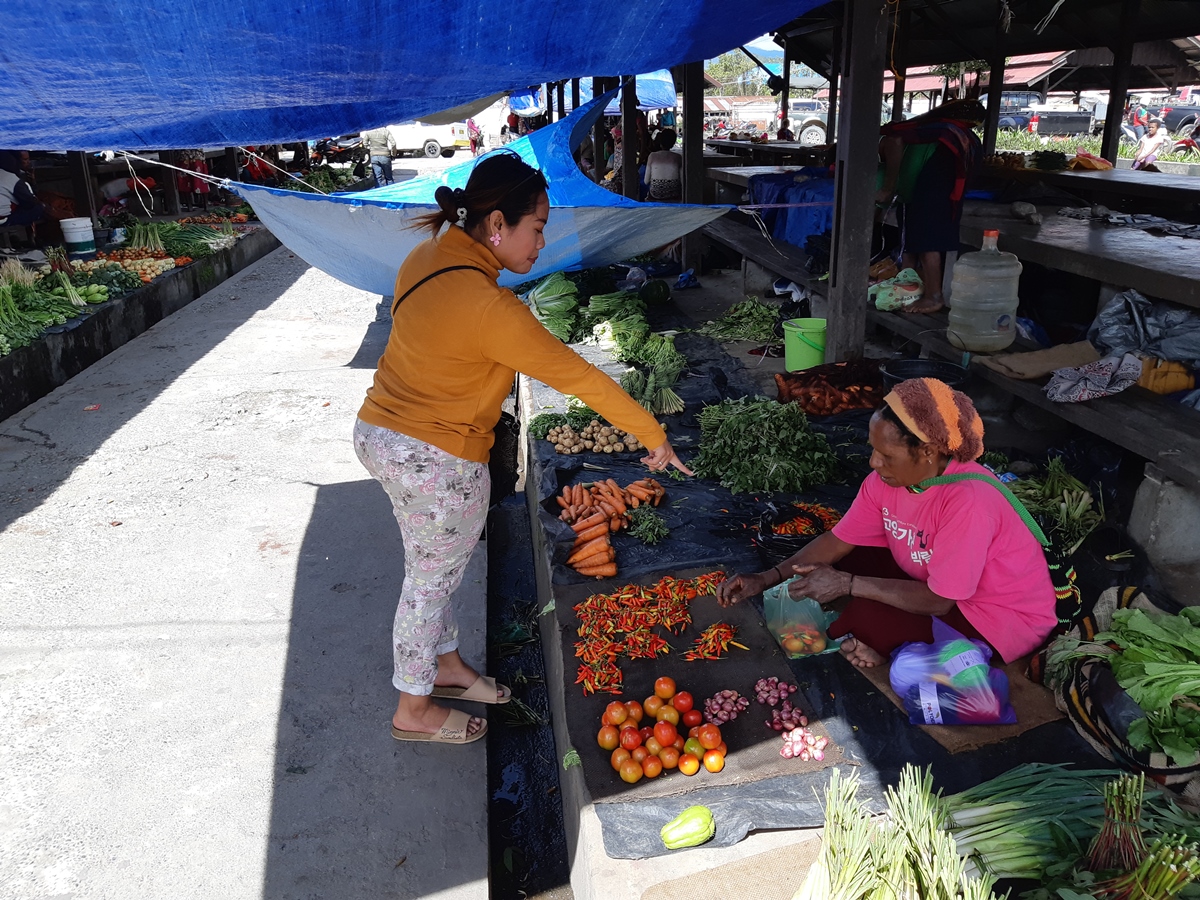
Smallholder plantation agriculture remains an important source of livelihood for many communities across Papua.
Consequently, improvements in farmers’ purchasing power may contribute positively to household welfare while encouraging continued agricultural production.
Officials note that strengthening agricultural productivity and supporting rural economies remain important components of Papua’s broader development agenda.
Multiple Indicators Reflect Broad Economic Progress
Viewed together, the three indicators released by BPS provide a more comprehensive picture of Papua’s economic performance.
Economic growth demonstrates expanding overall activity.
Export growth reflects stronger engagement with external markets.
Improving Farmers’ Terms of Trade points toward strengthening conditions within the rural economy.
Rather than depending upon a single economic measure, policymakers increasingly evaluate multiple indicators simultaneously to understand how different sectors contribute to regional development.
This broader perspective helps governments design policies that support sustainable growth while ensuring that economic benefits extend to businesses, workers, farmers, and local communities.
For Papua, continued improvements across these indicators suggest that development efforts are contributing to a more diversified and resilient regional economy capable of supporting long term prosperity.
Coordinated Development Supports Inclusive Growth
Papua’s economic performance during the first half of 2026 reflects the combined contribution of national and provincial development initiatives aimed at strengthening regional productivity, improving connectivity, and expanding opportunities across multiple sectors.
While economic growth is influenced by both domestic and global factors, government investments in infrastructure, transportation, agriculture, trade facilitation, and public services have provided an important foundation for supporting long term development.
The province has witnessed continued progress in road construction, maritime connectivity, logistics improvements, digital infrastructure, and agricultural development. These initiatives complement policies designed to improve the investment climate while expanding market access for businesses operating throughout Papua.
Infrastructure projects, including the continued development of the Trans Papua Highway, improved port facilities, and expanded transportation services, are expected to contribute to more efficient movement of goods and people.
At the same time, government programs supporting agriculture, small enterprises, and rural communities continue helping strengthen local economic resilience.
The improvement in the Farmers’ Terms of Trade illustrates how broader economic policies can also benefit rural households.
When farmers receive better returns for their agricultural products relative to production costs and household expenditures, purchasing power improves and local economic activity becomes stronger.
Similarly, stronger export performance demonstrates Papua’s ability to participate more actively in domestic and international markets.
These complementary developments indicate that economic progress is increasingly supported by multiple sectors rather than relying upon a single source of growth.
Papua’s Economic Outlook Remains Positive
Economists generally emphasize that sustainable regional development depends on maintaining balanced growth across production, trade, agriculture, investment, and household welfare.
The latest indicators released by BPS Papua suggest encouraging momentum in each of these areas.
Continued export growth strengthens commercial confidence and supports production activities.
Improving purchasing power among plantation farmers contributes to stronger rural consumption.
Meanwhile, overall economic expansion creates a more favorable environment for investment and business development.
Government officials have also highlighted the importance of maintaining policy coordination between central and regional governments to ensure that development programs generate long term benefits for local communities.
Efforts to improve education, healthcare, transportation, digital connectivity, and logistics continue complementing economic initiatives designed to strengthen Papua’s competitiveness.
As infrastructure projects gradually reach completion and connectivity improves, businesses are expected to gain more efficient access to domestic markets.
Lower logistics costs may also enhance competitiveness while creating additional opportunities for local producers and entrepreneurs.
Analysts note that continued diversification of Papua’s economy will remain important for sustaining long term resilience.
Strengthening sectors such as agriculture, tourism, fisheries, downstream industries, trade, and services can help create broader sources of economic growth while expanding employment opportunities throughout the province.
Looking Ahead
The encouraging economic indicators recorded during the first half of 2026 provide a positive foundation for Papua’s continued development.
Maintaining this momentum will require sustained investment in infrastructure, human capital, productive industries, and public services.
Government institutions are expected to continue supporting policies that strengthen regional competitiveness while improving opportunities for businesses, workers, and rural communities.
Continued improvements in transportation networks, export performance, agricultural productivity, and investment are likely to reinforce Papua’s role within Indonesia’s broader economic development strategy.
At the same time, expanding financial inclusion, improving logistics efficiency, and strengthening digital connectivity can further support long term growth throughout the province.
As regional and national development initiatives continue progressing together, Papua is well positioned to enhance economic resilience while improving living standards for its communities.
Conclusion
Papua’s economic performance during the first half of 2026 presents several encouraging indicators of sustained regional development.
According to BPS Papua, the province recorded 4.73 percent economic growth, while exports increased by 15.53 percent during June 2026 and the Farmers’ Terms of Trade for the Smallholder Plantation subsector rose by 1.47 percent in July.
Together, these indicators demonstrate strengthening activity across production, trade, and agriculture.
They also suggest improving conditions for businesses and rural households while reflecting continued progress toward more inclusive economic development.
Supported by investments in infrastructure, transportation, agriculture, and regional connectivity, Papua continues building a stronger economic foundation capable of supporting long term prosperity.
As Indonesia advances its broader development agenda, Papua’s positive economic momentum highlights the growing contribution of the province to national economic growth while creating new opportunities for local communities and future investment.