
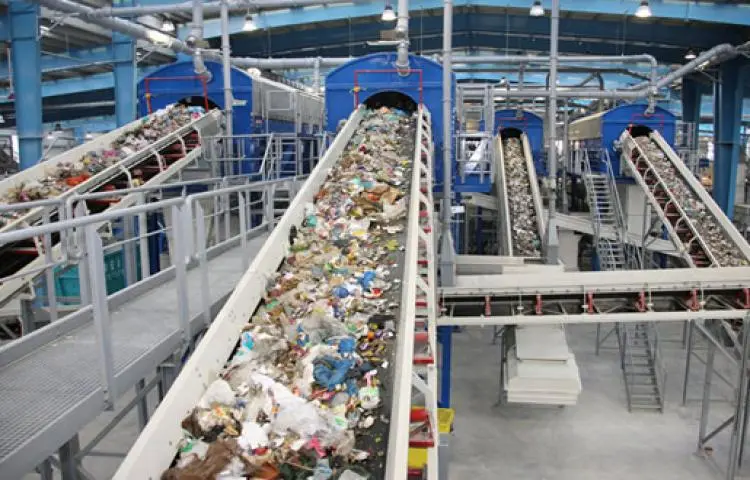
The Papua Barat (West Papua) Provincial Government has started to consider the plan to build a waste-to-energy (WtE) power plant in Manokwari worth around 300 million US dollars or more than Rp. 5 trillion. This is a significant step towards the expansion of renewable energy, improving urban waste management and supporting long term sustainable development in eastern Indonesia.
Deputy Governor Mohamad Lakotani and provincial officials held talks with potential investors from China Huachuang Investment about technological and investment prospects for converting municipal waste into electricity late May 2026. Officials stressed the project is still in the early planning stages and will undergo feasibility studies, environmental reviews and regulatory processes before any decisions on implementation are made.
If realised, the project would be one of the most significant environmental infrastructure projects in Papua Barat, addressing two major challenges at the same time: reducing the volume of urban solid waste and producing renewable electricity that can support regional energy resilience.
The effort also dovetails with Indonesia’s broader aim to accelerate the shift to cleaner energy sources while fostering sustainable urban development across its provinces.
Turning Waste Into Renewable Energy
In cities around the world, waste-to-energy technology has become one of several options available to reduce landfill dependence while creating useful energy.
Modern waste-to-energy facilities process carefully sorted solid waste through controlled thermal conversion technologies that generate electricity, rather than allowing large quantities of municipal waste to accumulate in disposal sites, while operating under environmental standards designed to minimize emissions.
The Manokwari plan aims to include a technology known worldwide to maintain environmental management and electricity production, the officials involved in the talks said.
The details are still being worked out and technical specifications are being developed, but the idea is part of a growing trend around the world where cities are starting to see urban waste not just as an environmental burden but as a potential resource.
This approach can be useful for fast-growing urban areas, because it can help reduce pressure on landfills and provide additional electricity to local power systems.
Environmental planners say waste-to-energy facilities work best as part of comprehensive waste management strategies that include waste reduction, recycling, composting and improved collection systems.
Therefore, the Manokwari initiative is expected to complement, not replace, conventional waste management programs.
Supporting Indonesia’s Renewable Energy Transition
As part of its national efforts to diversify energy sources and strengthen long term energy security, Indonesia is also continuing to build its renewable energy portfolio.
This wider strategy includes projects in hydropower, geothermal energy, solar power, wind energy, biomass and waste-to-energy.
In this national context, the proposed Manokwari facility provides an opportunity for Papua Barat to play a more active role in Indonesia’s transition to cleaner and more sustainable energy systems.
Renewable energy projects are increasingly seen not only as environmental projects but also as important drivers of economic competitiveness, technological innovation and regional development.
Government officials have emphasized that building out renewable energy infrastructure addresses multiple policy objectives at once, including increasing the reliability of electricity, driving investment, reducing environmental pressures and creating new job opportunities.
The exploration of waste to energy technology thus reflects wider efforts to align regional development with Indonesia’s sustainable future goals.”
International Cooperation for Green Infrastructure
A key part of the proposal is communication from the provincial government to potential investors from China about technological cooperation and possible financing for the project.
Officials said the talks will focus on investment opportunities and learning from international experience in processing waste and renewable energy technologies.
But at this point no final investment deal has been announced.
Provincial authorities said any future cooperation would still be subject to Indonesian laws, environmental regulations, technical feasibility studies and government approval procedures.
International cooperation has become more common in renewable energy development, as many countries have specialized expertise in waste processing technologies, engineering, equipment manufacturing, and project management.
For Papua Barat, access to international knowledge, under national regulatory oversight, could help to improve the quality of projects and their operational sustainability.
Energy economists often note that successful renewable energy projects need not only financing but also good governance, transparent procurement, technical expertise and long term operational planning.
Creating Cleaner Cities Through Modern Waste Management
The project is also expected to improve waste management in Manokwari, the administrative capital of Papua Barat Province, in addition to generating electricity.
As with many expanding urban centers, Manokwari is facing growing problems from the increasing amounts of domestic and commercial waste produced by population and economic growth.
Without proper management, such waste accumulates, leading to environmental degradation, public health concerns and inefficient use of land.
A modern waste-to-energy plant can reduce the amount of waste that is sent to landfills and promote a more organized system of waste collection and processing.
Urban development experts say city waste management can be improved with wider benefits than just protecting the environment.
Cleaner public spaces mean healthier lives, better urban aesthetics, greater tourism potential and better quality of life for residents.
For Manokwari, this could be the simultaneous achievement of multiple development goals by combining renewable electricity generation with modern waste management.
Renewable Energy Supports Sustainable Regional Growth
The reliability and sustainability of electricity supply is becoming more and more important for Papua Barat as the province continues to invest in transportation infrastructure, education, healthcare, digital connectivity and tourism.
Over time, expanding renewable capacity can help improve the resilience and reduce the dependence of regional power systems on traditional fossil fuel generation.
Reliable power is the essential ingredient required by hospitals, schools, public administration, telecommunications, businesses, tourism facilities, fisheries, manufacturing and small enterprises that are the engines of regional economic growth.
The officials think that the integration of clean energy infrastructure with environmental management will lay a better foundation for sustainable development and attract more private investment to the province.
Where urban populations are expanding rapidly, renewable energy projects are also showing how environmental protection and economic development can progress together, rather than seeming to be competing priorities.
Environmental Benefits Extend Beyond Electricity Generation
One of the main objectives of the project is renewable electricity. But the proposed waste-to-energy facility can also provide significant environmental benefits for Manokwari if it is implemented in accordance with national regulations and internationally recognized environmental standards.
Rapid urbanization inevitably increases the volume of municipal solid waste. Without good management, landfill sites may become more and more difficult to maintain, and there are challenges for land availability, sanitation, methane emissions and water quality.
A modern waste-to-energy plant can contribute to reducing waste trucked to landfills and support a more integrated waste management system. But environmental experts say these should be in addition to, not instead of, programs to cut waste, recycling, composting and public education campaigns.
This integrated approach could assist Manokwari in having cleaner neighborhoods, healthier public spaces, and more efficient urban planning.
Better waste management has beneficial effects not only on the environment but also on other sectors. Clean surroundings and healthy ecosystems are key to tourism, fisheries, coastal conservation, and public health.
Manokwari, as one of Papua’s gateways for visitors, has a long term economic competitiveness that is closely related to the environmental quality.
Strengthening Regional Energy Security
This proposed project is part of a larger effort to improve regional energy security.
Reliable electric power is one of the fundamental needs of sustainable development. Hospitals need electricity for medical services to run 24/7 . Schools use digital learning which requires electricity . Businesses need a reliable power source for their operations to expand . Government institutions are going digital to improve public services .
Renewable energy projects also help to diversify energy sources, reduce dependence on conventional fuels and enhance resilience in local electricity systems.
While the proposed waste-to-energy plant would be one part of Papua Barat’s energy mix, it could expand the province’s power generation capacity and serve as a demonstration of willingness to pursue innovative energy solutions.
You will hear energy economists say that, in general, diversification of the energy system makes it more resilient because it reduces dependence on any one source of electricity generation.
Improving regional energy resilience is becoming an important component of long term national development planning for an archipelagic country like Indonesia.
Green Investment Supports Sustainable Economic Growth
The Manokwari initiative also reflects the growing importance of green investment for regional development.
Around the world investors are increasingly backing projects that generate economic value and measurable environmental and social benefits.
Renewable energy infrastructure, sustainable transportation, circular economy initiatives and environmentally responsible industrial development have become central pillars of modern economic strategies.
Therefore, the waste-to-energy technology process pursued by Papua Barat is in line with the global international drive towards low carbon development.
The project, subject to detailed feasibility studies and environmental safeguards, could provide jobs in the engineering, construction, environmental management, plant operations, maintenance, logistics and support services sectors.
Partnerships with local universities and vocational institutions for technical training and workforce development could also help local universities and vocational institutions, allowing more Papuan professionals to participate in emerging green industries.
Renewable energy investments often have multiplier effects, spurring technological innovation, strengthening local supply chains and boosting investor confidence, development specialists often note.
The integration of environmental sustainability and economic development in West Papua could make the province more attractive as a destination for responsible long term investment.
Good Governance Remains Central to Project Success
The proposal is very promising, but officials say it is still important to continue to implement it responsibly.
Planning renewable energy infrastructure projects is a complex process that includes technical feasibility studies, environmental impact assessments, financial evaluations, community consultations, regulatory compliance, and long-term operational planning.
Officials said talks with potential international partners are only the first step in the exploration of the project.
Any future investment will continue to be made in accordance with Indonesian laws, procurement regulations, environmental standards and government approval procedures before construction decisions are made.
Experts in energy policy always emphasize the need for transparent governance, public accountability and strong institutional oversight as the foundation for ensuring that renewable energy projects deliver sustainable long term benefits.
The project will be developed with these principles in mind so that environmental innovation can support economic progress and public confidence in Papua Barat.
Looking Ahead
While the feasibility studies and technical discussions are ongoing, the proposed waste-to-energy project provides an important opportunity for Papua Barat to expand its portfolio of renewable energy and improve urban environmental management. If future assessments confirm the technical and economic feasibility, the project could be a model for the integration of sustainable waste management, clean electricity generation and environmentally sound infrastructure development in eastern Indonesia. The initiative’s capacity to provide lasting economic, environmental and social benefits will continue to rely on the ongoing cooperation of governments, technical specialists, investors and local communities.
Conclusion
Papua Barat’s plan to explore a waste to energy power plant in Manokwari is a forward looking approach to addressing two critical development priorities at the same time: improving municipal waste management and expanding renewable energy generation. While the project is still in the planning and feasibility assessment stage, it reflects the province’s commitment to embracing innovative and sustainable solutions that contribute to environmental protection, energy resilience and long-term economic growth. The project, backed by transparent governance, strong environmental protections and productive international collaboration under Indonesia’s regulatory regime, could support regional infrastructure development as well as national renewable energy goals and the quality of life for communities across Papua Barat.

