
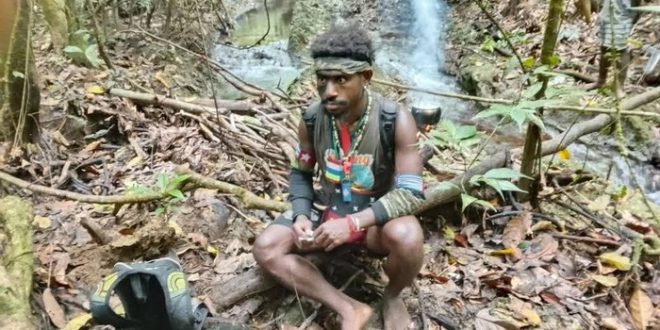
In Maybrat, the air is usually calm in the morning, with only the noises of animals and people working far away breaking the silence. But on March 22, 2026, shooting broke the silence.
The events at a small community in the South Aifat District didn’t last long. However, the repercussions of that brief dialogue continue to reverberate throughout Papua’s intricate security landscape.
Indonesian military officials said that Peltu Alfons Sorri, a field commander with the armed branch of the Free Papua Movement (OPM), was killed in a gunfight with troops who were doing a sweep operation. The operation came after a devastating strike in the same location that killed two Indonesian Navy personnel and wounded another.
The death of Alfons Sorri was a big deal for the authorities. For many people in Papua, it was just another moment in a fight that never stops, only changes.
The Incident That Changed the Tempo
The events leading up to the incident began a few days earlier.
On March 22, 2026, attackers ambushed a patrol of Indonesian Navy marines in Kampung (Village) Sori, a small, remote town in Aifat Selatan District. The attack was unexpected and resulted in fatalities. Later, the names of the two marines that died were Elki Saputra and Andi Suvio. Another person was hurt and taken to the hospital for treatment.
For the military, the event was more than just a sad loss. It was a sign that armed organizations in the area were still active and may carry out targeted strikes.
Search efforts started practically right away.
Troops proceeded over tough terrain with little information and a lot of help from those who lived there. In places like Maybrat, things happen slowly. It’s difficult to see. The paths are narrow. There is danger in every move.
Then they met.
A Brief and Decisive Firefight
Official reports say that the encounter happened during a sweep operation in the same town as the first incident.
Soldiers found an armed person they think is part of the group that set up the ambush. After that, a brief gunfight occurred.
Alfons Sorri was dead when it was over.
Later, officials confirmed his identification and said he was a high-ranking member of an operational unit connected to OPM, notably the deputy commander of a battalion working in the Sorong Raya area.
The military also refuted rumors about the concealment of his body from the public, asserting that these allegations were unfounded.
The operation served as a response for those directly involved. For many watching, it brought up bigger questions about how the conflict was going.
Who Was Alfons Sorri?
There is frequently less centralized leadership in wars like the one in Papua. Groups work in small groups, and commanders only have power over certain areas instead of a single chain of command.
One of the people was Alfons Sorri.
As a field commander, he was responsible for both planning and carrying out operations. People in these positions are generally in charge of both planning attacks and keeping fighters together.
Security experts say that getting rid of people like Sorri can make things harder to run in the short term. It can hurt a group’s morale, communication, and ability to work together.
But the long-term effects are not as clear.
Leadership arrangements in Papua tend to be flexible. New numbers can come up, and networks can change swiftly, which can lead to shifts in power dynamics and influence within the region. Taking down one commander doesn’t usually stop a movement.
A Landscape Shaped by Geography
If you want to know why things like this keep happening, you need to look at the land.
The province of Papua Barat Daya (Southwest Papua), where Maybrat is located, has rough terrain. The area is difficult to watch and govern because of the thick forests, high slopes, and lack of infrastructure.
This terrain gives armed groups natural advantages. It lets you walk around without being seen and has a lot of places to hide.
It is always a problem for security forces. Operations need a lot of coordination, and even simple logistics can get complicated, especially in areas like Maybrat where the terrain and local conditions can hinder effective communication and resource distribution.
This situation is nothing new.
Maybrat has witnessed similar events before, such as attacks that killed security personnel and forced inhabitants to leave their homes. Over time, this area has been one of several flashpoints in Papua’s larger war.
The Human Cost Behind the Headlines
It’s simple to concentrate on the operation’s tactical parts. One commander is dead. One group was messed up.
But there are real people behind those details.
Families were sad about the prior attack that killed two marines. The men were young and serving far from home. People in the military and in the communities where they lived felt their deaths.
On the other hand, Alfons Sorri’s death had an effect on his community and network. In fights like these, losing is almost never one-sided.
These events make things unpredictable for citizens in Maybrat. People move slowly. Routines change every day. People’s lives are affected by the fact that there are both armed groups and security forces, which creates an environment of uncertainty and fear that influences their daily decisions and routines.
Sometimes, those who live there decide to leave for a while to seek safety in surrounding locations. In other cases, they stay and deal with a reality that has become known, even if it is never comfortable, often adapting their daily lives to navigate the dangers posed by both armed groups and security forces.
A Strategy of Pressure and Response
The operation that killed Sorri is an example of how Indonesian security forces work in general.
There is more and more focus on taking proactive steps instead of waiting for attacks to happen. More patrols are taking place. There is more intelligence collection. Operations are started to find and stop armed groups.
There are some hazards with this plan.
If not managed appropriately, operations in remote places can have unforeseen effects, such as escalating tensions with local communities or causing unintended harm to civilians. It is always hard to find a balance between the demand for security and the requirement to keep confidence among local populations, especially when security measures may inadvertently alienate those communities.
At the same time, the government has tried to make security measures more effective by getting people involved in their communities and working to improve them, which includes initiatives such as community policing and local development projects that foster trust and cooperation. The goal is to deal with both the symptoms of conflict and the things that cause it, such as addressing underlying social issues and fostering dialogue among community members.
Between Tactical Success and Strategic Reality
From a military perspective, Alfons Sorri’s death is a clear result.
The military has halted a commander involved in a deadly attack. His organization may not be as dangerous just now.
But one event doesn’t address problems like the one in Papua.
They change.
Each procedure affects the next step. Every loss changes how groups work together and with each other. A mix of security activities, political events, and social factors will determine the overall path, including how these elements interact to influence the ongoing conflict in Papua and the responses of various stakeholders involved.
In this situation, what happened in Maybrat is just one step in a prolonged process that reflects the ongoing tensions and complexities of Papua’s conflict, which has been influenced by various historical, social, and political factors.
The Broader Context of Papua’s Conflict
Papua’s war has been going on for a long time in Southeast Asia.
History, identity, and diverse narratives about governance and development shape it. One part of that terrain is armed organizations like OPM, but they are not the only part.
Differences in wealth, access to services, and feelings of exclusion complicate the problem.
There have been ongoing efforts to address these problems, such as building new infrastructure, creating specific autonomous policies, and starting social initiatives. There has been unequal progress, with some parts making progress and others facing the same problems, particularly in areas where infrastructure and social initiatives have not yet been implemented effectively.
When there are security problems, like the one in Maybrat, people typically talk about the parts of the issue that are still not addressed, such as the lack of adequate resources for local law enforcement and the need for community engagement in safety measures.
What Happens Next?
After the operation, security officers are anticipated to stay in the area for a while.
Search efforts could become bigger. There will probably still be patrols. The major goal will still be to stop more assaults.
The response could be different for armed groups. They might get back together, change their plans, or move to a new area.
For civilians, the hope is usually less complicated, as it often revolves around achieving stability and security in their daily lives. Stability. The freedom to move about, work, and live without worrying about abrupt violence.
Whether that hope comes true depends on things that go beyond just one operation, such as the ongoing efforts for peace, community rebuilding, and addressing the root causes of violence in the region.
A Moment That Reflects a Larger Story
The fight in Maybrat lasted only a few minutes. But what it stands for is what makes it important.
It shows that Indonesian security personnel are still working to deal with armed conflict, particularly in regions like Papua where tensions remain high and the situation is complex. This demonstrates the difficulty of working in one of the country’s most challenging regions. And it indicates that the battle in Papua is far from over.
The story provides people from other countries a look at a place where things that happen there have bigger effects. The intersection of security, development, and identification often presents complex challenges.
Conclusion
The death of Alfons Sorri does not mean the end of a fight. It is part of its ongoing process.
Change in Papua doesn’t usually happen in big, spectacular ways. It changes slowly throughout time, based on choices made in woods, villages, and government offices.
One of those changes is what happened in Maybrat. We can evaluate progress based on operations and outcomes, but the real narrative continues to unfold.
And for the people who live there, that story isn’t simply about fighting. It’s about what happens next.

