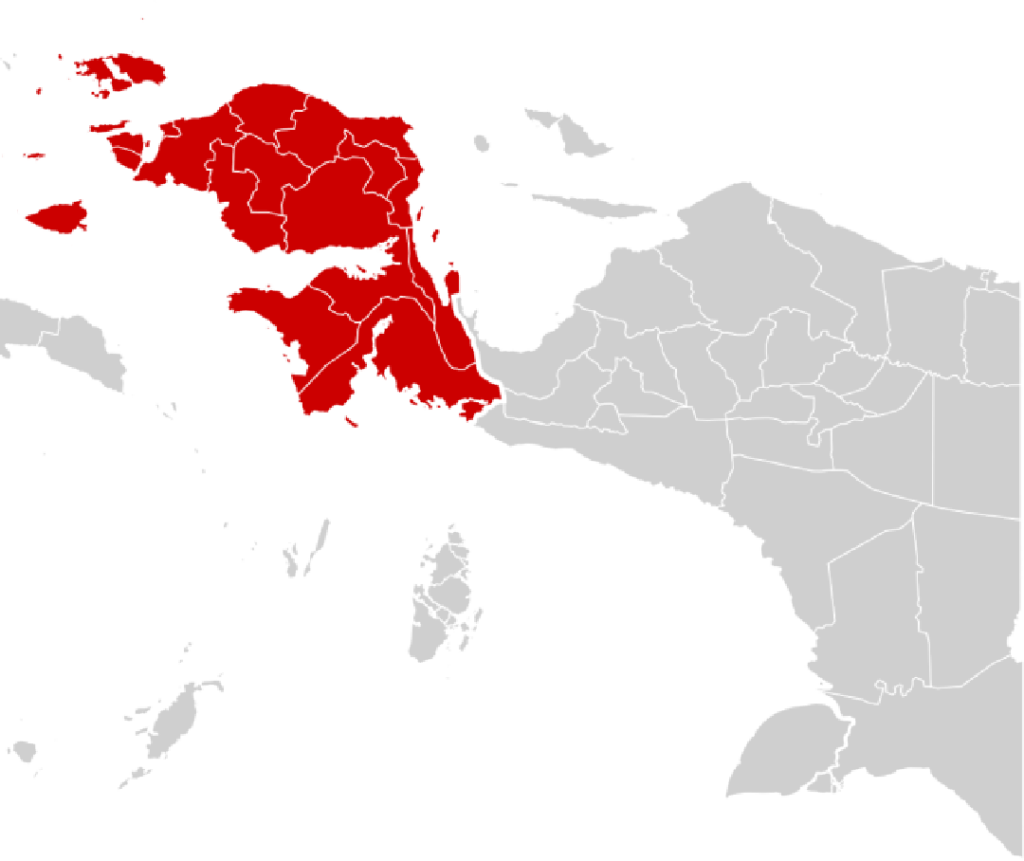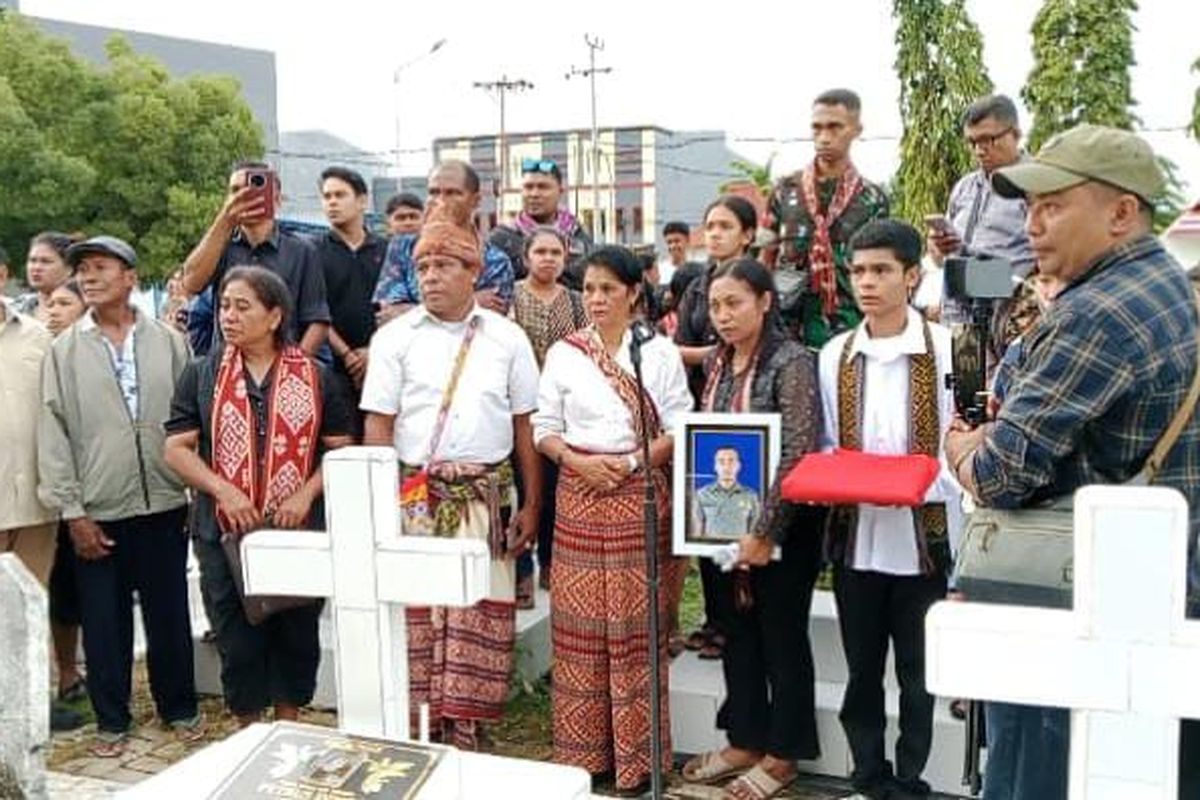
On 8 January 2026, a routine security mission in the remote highlands of Papua ended in tragedy. Praka Satria Taopan, a young Indonesian Army soldier from Kodam I Bukit Barisan, was shot and killed during an armed attack in Kampung Yuguru, Distrik Mebarok, Kabupaten Nduga, Papua Pegunungan. The attack was carried out by an armed group linked to the Free Papua Organization, known locally as OPM. News of his death spread quickly from the mountains of Papua to the coastal city of Kupang in East Nusa Tenggara, where his family and community waited in disbelief.
For the Indonesian National Armed Forces, his death was not only another loss in a long-running security challenge but also a deeply personal reminder of the risks faced by soldiers assigned to protect stability in Papua. For his family, Praka Satria was a son who left home with a sense of duty and never returned.
Serving in One of Indonesia’s Toughest Regions Nduga, a region in Papua, is notorious for its challenges, presenting significant difficulties for both the local population and those tasked with maintaining order. The landscape, a tangle of dense forests and rugged hills, coupled with a lack of developed roads, severely hampers movement, making it perilous. Over the years, sporadic armed assaults have targeted security forces, occasionally spilling over into disruptions of civilian life.
Praka Satria was assigned to a unit responsible for upholding security and safeguarding the local communities. Military sources indicate that his presence in Kampung Yuguru was part of a routine patrol and observation mission. Soldiers in these roles are not only charged with securing the area but also with fostering trust among the residents, ensuring that their everyday lives can proceed without constant anxiety.
On that January morning, the patrol was abruptly ambushed. Gunfire erupted from hidden positions.
In the midst of the turmoil, Praka Satria fell. His comrades rushed to help, but the extent of his injuries and the remoteness of the site rendered a medical evacuation unfeasible. He succumbed there, leaving his fellow soldiers in shock and mourning.
A Long and Painful Evacuation
The difficulties posed by Papua’s landscape became starkly apparent following the attack. Lacking immediate vehicle access, Praka Satria’s body had to be carried by his comrades for roughly five kilometers across difficult terrain. The evacuation stretched on for hours, demanding both physical stamina and emotional fortitude from those involved. Carrying a fallen comrade through the dense forest is an experience that forever changes a soldier.
For those who fought beside Praka Satria, the mission was a final tribute, a bond forged in shared experience. Military leaders later stated that these evacuations starkly illustrated the challenges faced by soldiers in Papua’s remote regions.
From Kupang to the Frontlines
Praka Satria Taopan’s roots were in Kupang, a world away from the mountains where he would ultimately perish. His early years were shaped by a life of modesty and structure. Family members remember a young man of resolve and respect, traits that would later characterize his service.
His path to the Indonesian Army was anything but straightforward. Praka Satria reportedly faced rejection from the entrance selection process nine times.
Many would have thrown in the towel after facing so many obstacles, but he kept at it, training and preparing, convinced that sticking with it would eventually lead to success. His perseverance was rewarded when he finally got the call from the TNI.
Those who knew him well say the hardships he endured early on forged his character. He became known as a soldier who never grumbled, who followed orders without fail, and who treated everyone, from superiors to subordinates, with respect.
Experience Beyond Borders
Before heading to Papua, Praka Satria had the chance to serve overseas, part of an Indonesian contingent in a United Nations peacekeeping mission. Working under the UN flag gave him a firsthand look at international military standards and humanitarian work, expanding his view of peacekeeping.
Commanders who served with him during that time described him as adaptable and disciplined.
The experience solidified his conviction that military duty was fundamentally about safeguarding lives, not merely holding ground. It also amplified his pride in serving Indonesia internationally.
Dreams Deferred
Beneath the uniform, Praka Satria was a young man with aspirations of his own. He envisioned a June 2026 wedding, a detail that would later intensify the grief experienced by his family and community. He frequently discussed with relatives his desire to return home, establish a family, and continue his service with renewed vigor.
Those aspirations were abruptly halted by the events in Nduga. His parents, though heartbroken, publicly acknowledged their son’s commitment to service.
He’d departed, they said, fully cognizant of the dangers, accepting them as part of his service. In their sorrow, they voiced their pride that he had died a soldier, doing what he believed was right for his country.
Kupang Grieves
When Praka Satria’s remains returned to Kupang, the city erupted in grief. Hundreds of people came out to join the funeral procession. Streets were filled with those who had never known him, yet felt a bond through a shared sense of loss and admiration.
He was interred at the TMP Dharma Loka military cemetery, with all the honors due. Military leaders, local dignitaries, religious figures, and citizens stood together, offering prayers.
The ceremony was a somber affair, infused with both grief and a sense of honor.
For Kupang, the funeral was more than just a farewell to a young man; it was a moment to recognize the sacrifices made by soldiers deployed far from their homes. Many who were there spoke of the event as a stark reminder that conflicts in far-flung places still have tangible effects on families throughout Indonesia.
The Ongoing Security Challenge in Papua
Praka Satria’s death underscores the persistent security challenges in Papua. Armed groups associated with the OPM continue to resist the state’s authority through violence, frequently targeting security personnel stationed in isolated regions. These attacks hinder the pursuit of enduring peace and stability.
The Indonesian government and the TNI are clear: their strategy in Papua goes beyond just security measures. It’s about development and connecting with the people. Soldiers are supposed to lend a hand with humanitarian efforts, back infrastructure projects, and help make sure everyone has access to the essentials.
But, as the events in Kampung Yuguru demonstrate, the situation is still precarious. Each attack forces a reevaluation of how to safeguard both civilians and the security forces while striving for lasting solutions.
A Testament to Commitment and Resolve
Within the military, Praka Satria Taopan’s story has become a powerful example of determination. His persistent efforts to join the TNI, his experience in international peacekeeping, and his eventual posting in Papua all speak to a life devoted to service.
Commanders from Kodam I Bukit Barisan painted a picture of a soldier who was nothing if not disciplined, a man who never wavered in his duties. They made it clear that his sacrifice would be remembered, and that the work of keeping Papua secure would go on.
The human toll of conflict is always present. Praka Satria’s story highlights this, a reminder that every fallen soldier leaves behind a family, friends, and dreams that will never be realized. For families like his, the grief is a constant presence.
Yet, his life also speaks to a quieter kind of heroism.
He sought neither accolades nor commendation, opting instead for a challenging course of action, which he pursued with unwavering dedication until his demise.
Conclusion
The passing of Praka Satria Taopan in Papua Pegunungan serves as a poignant testament to the sacrifices endured by Indonesian soldiers in their quest for peace and security. His narrative embodies resolve, valor, and a steadfast commitment to his responsibilities.
In Indonesia’s ongoing pursuit of peaceful resolutions within Papua, the remembrance of individuals such as Praka Satria is essential to maintaining the human aspect at the forefront of the discourse. His sacrifice necessitates renewed endeavors to curtail violence, safeguard lives, and ensure that subsequent generations are spared similar tribulations.