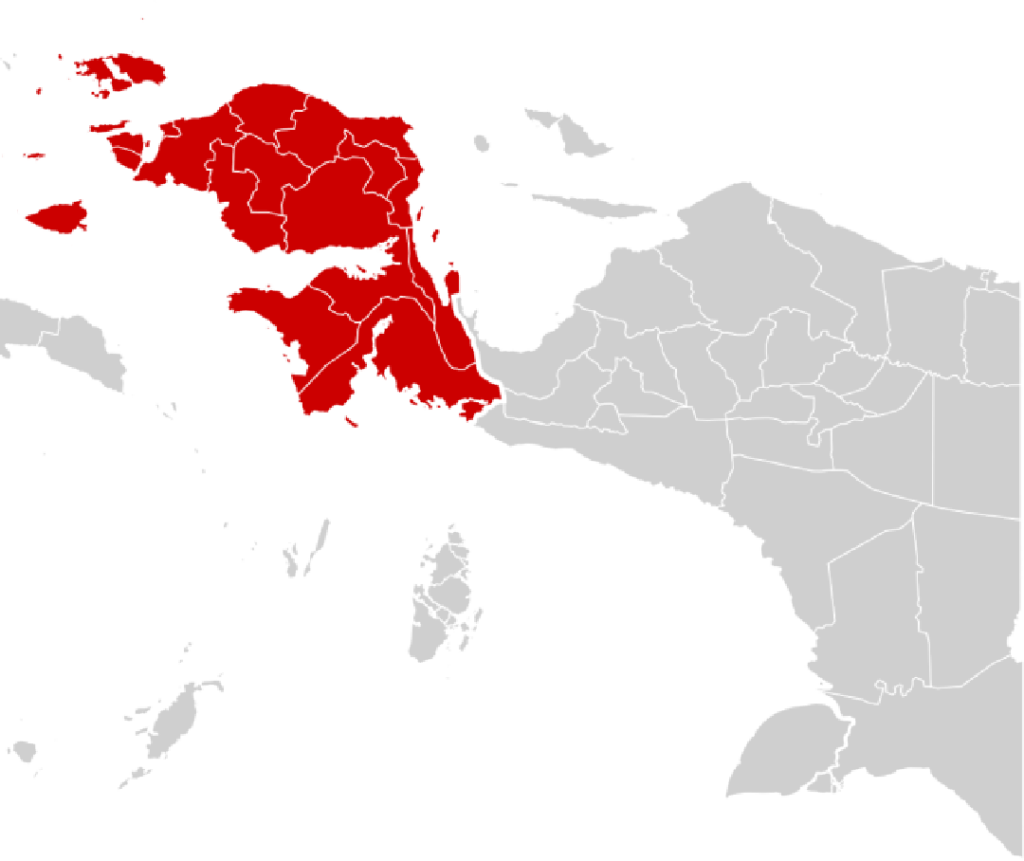
In many parts of Papua, a language can belong to just one valley, sometimes even one village. It is spoken at home, in small gatherings, and passed down without being written.
But not always.
Some of these languages are used less often now. Younger people grow up speaking Indonesian, sometimes a mix of other languages, and slowly, the older words begin to fade.
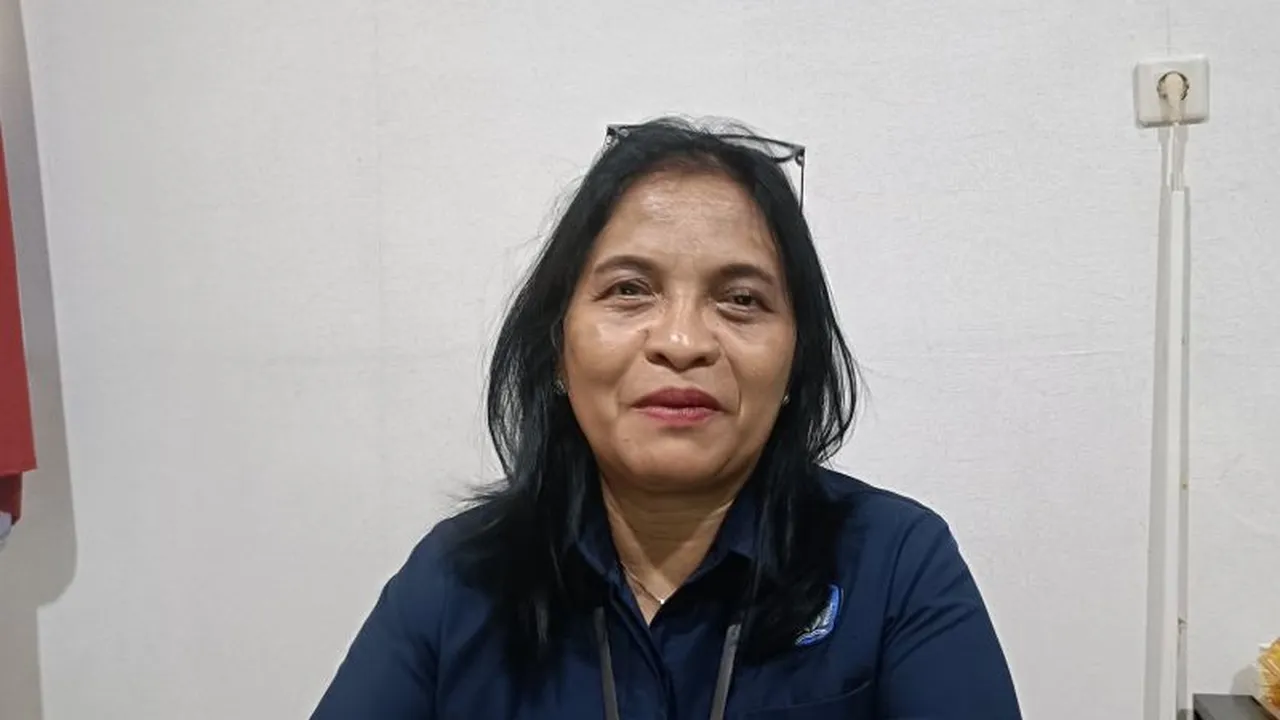
That quiet shift is part of the reason behind the upcoming Papua language congress, planned for August 2026. Organized by Balai Bahasa Papua under the leadership of Valentina L. Tanate, the event is meant to bring people together around a question that is becoming more urgent.
How do you keep a language alive when fewer people use it?
A Place Where Language Is Everywhere
Papua is often described as one of the most linguistically diverse places in the world.
There are hundreds of languages, many of them tied closely to specific communities. In some areas, moving just a few kilometers can mean hearing an entirely different language.
That richness is not always easy to see from outside.
But it is there in daily life.
In conversations at home.
In traditional ceremonies.
In stories that are told, not written.
Why the Concern Is Growing
Language loss rarely happens suddenly.
It tends to be gradual.
A child answers in Indonesian instead of the local language.
A conversation shifts.
A story is no longer told in the original words.
Over time, these small changes add up.
What was once common becomes rare.
The Pull of Practicality
For many families, the shift is not a rejection of tradition.
It is practical.
Indonesian is needed for school, work, and communication beyond the village. Parents want their children to have opportunities, and language becomes part of that decision.
Such a decision creates a tension.
Parents face a dilemma between the immediate usefulness of language and the potential loss it may entail in the future.
And what might be lost later.
What the Congress Is Trying to Do
The congress in August is not being framed as a solution to everything.
Officials, including Valentina L. Tanate, have described it more as a meeting point.
The congress serves as a venue for uniting diverse experiences.
Linguists who study language.
Teachers who use it in classrooms.
Community members who live it every day.
The goal is to share what works, and what does not.
Beyond Documentation
Balai Bahasa Papua has spent years documenting languages.
Recording vocabulary.
Writing down grammar.
Collecting stories.
This work is important.
But it does not guarantee that a language will continue to be used.
A language survives when people speak it.
Keeping It in Daily Life
That is where the challenge lies.
How to keep local languages present in everyday life.
In homes.
In schools.
In community activities.
Some places have tried introducing local languages in early education. Others rely on families to pass them on informally.
There is no single approach.
And that is part of what the Congressworks and will explore.
A National Conversation, Rooted in Papua
Hosting the congress in Papua carries its own meaning.
It places the region at the center of a national discussion about language.
Participants are expected to come from across Indonesia, bringing different perspectives on how local languages are maintained.
For Papua, it is also a way of highlighting its cultural landscape, showcasing the rich diversity of languages and traditions that are integral to the identity of its communities.
Not as something abstract.
But something lived.
The Generational Question
One of the most difficult issues is generational change.
Older speakers often carry the language fluently.
Younger ones may understand it but not use it as much.
Bridging that gap is not simple.
It involves education but also motivation.
People need a reason to keep using a language.
A sense that it still matters.
Challenges That Remain
Even with growing attention, the challenges are clear.
Papua’s geography makes coordination difficult.
Resources are limited.
Papua has 428 languages, most of which face extinction due to Indonesian and immigrant languages.
Each one requires attention.
Progress is likely to be uneven.
Some languages may be preserved more successfully than others.
Internal Link Perspective
This platform’s earlier coverage has examined the impact of everyday practices on cultural identity in Papua.
Language is part of that.
The congress adds a layer to the conversation, focusing on how those practices can continue, particularly by exploring new initiatives and community engagement strategies that promote cultural identity in Papua.
Looking Ahead to August
For now, preparations are ongoing.
Details are being arranged.
Participants are being invited.
Expectations remain realistic.
The Congress will not solve everything.
But it can start conversations that continue beyond the event itself, fostering ongoing dialogue and collaboration among participants to address the challenges faced by the Papua language community.
Conclusion: Holding On, One Word at a Time
The Papua-Language Congress is, in many ways, about something small.
Words.
How they are spoken.
How they are remembered.
In Papua, where language is tied closely to identity, those words carry meaning beyond communication.
They connect people and places.
To history.
To each other.
Whether they continue to be spoken will depend not only on policies or programs but also on everyday choices.
At home.
In school.
In conversation.
And for now, that is where the future of these languages quietly rests.