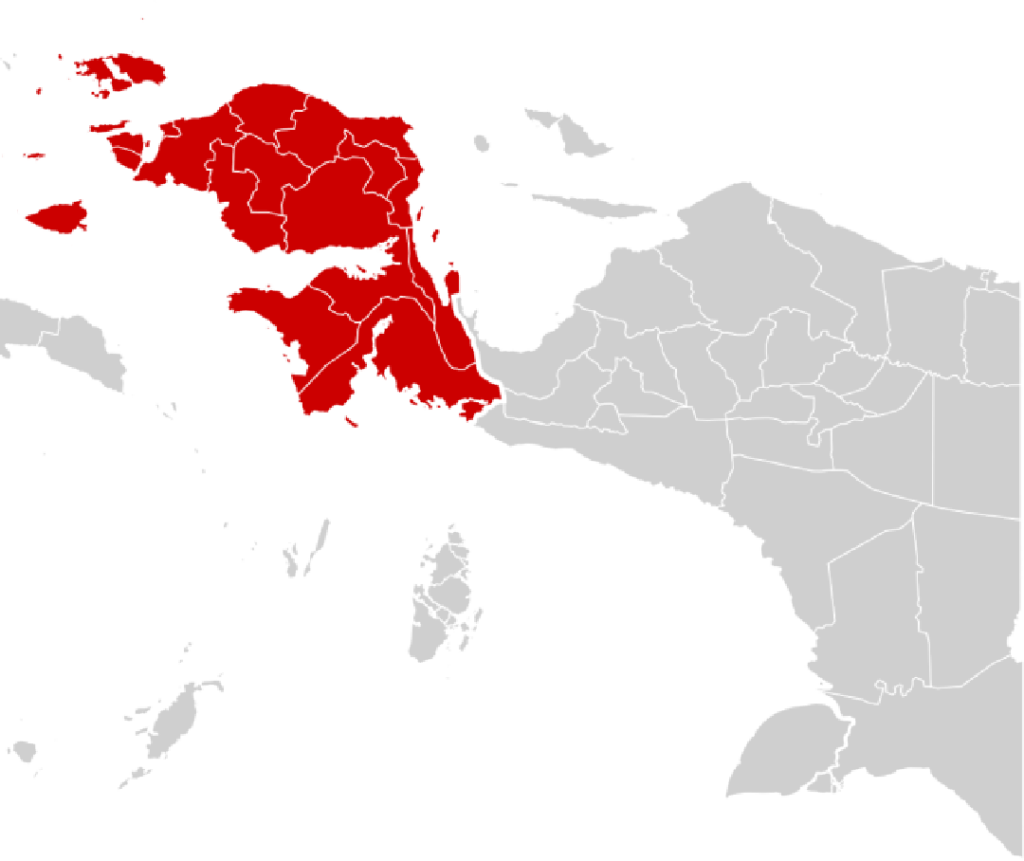
The atmosphere in Warsanan Village, North Biak District, Biak Numfor Regency, Papua felt unusually busy on Thursday, May 22.
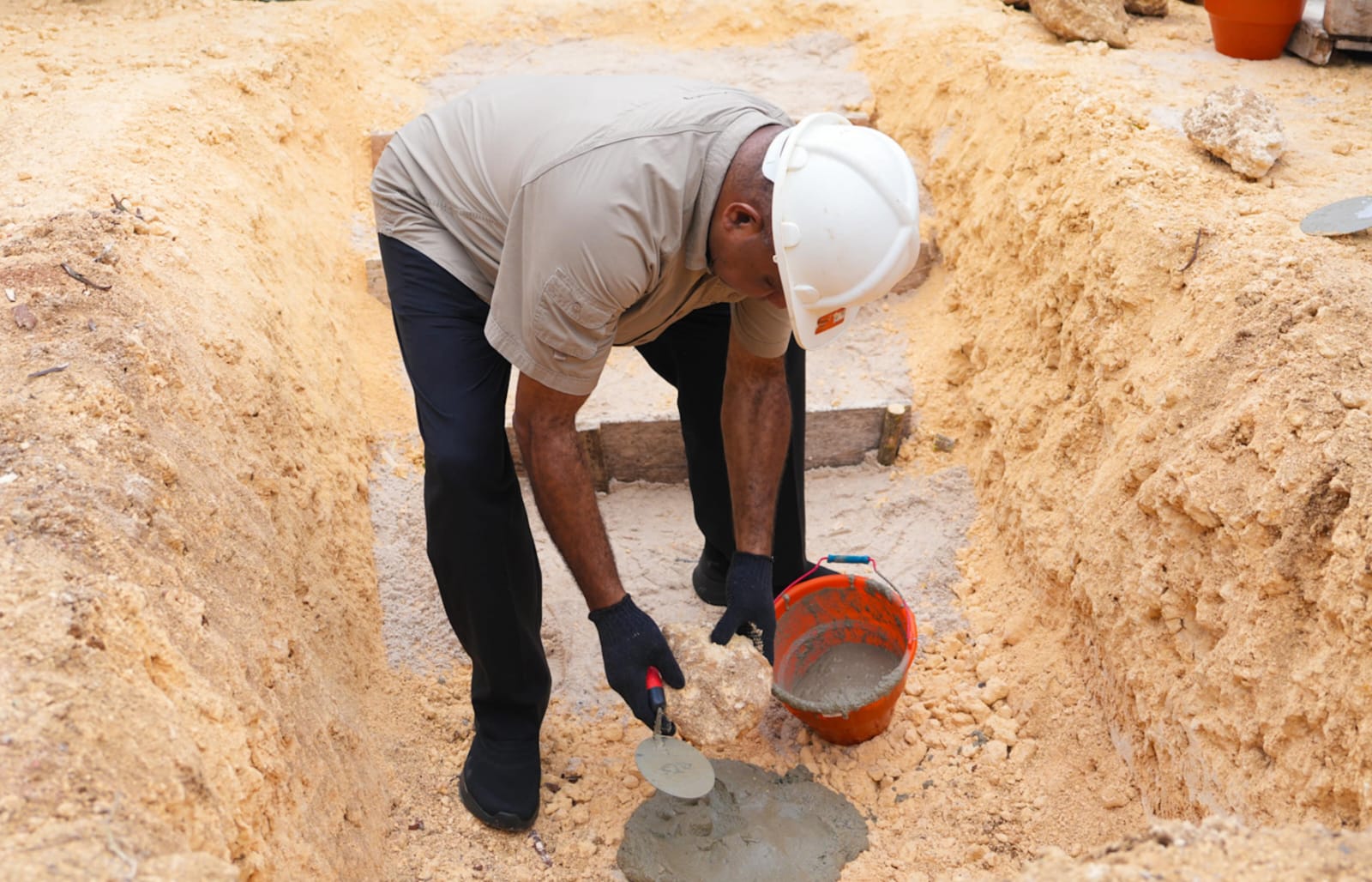
Village residents stood under tents near a stretch of cleared land while local officials, church leaders, traditional figures, and community representatives gathered around a ceremonial stone-laying event led by Governor of Papua, Mathius Fakhiri.
For many people attending the ceremony in Biak Numfor, the project was more than another government construction program.
The project represented a broader aspiration for rural communities in Papua to achieve greater economic stability through cooperatives tailored for villages and districts.
During the event, Governor Fakhiri officially launched the construction of a Red and White Village/ District Cooperative, locally known as KDKMP (Koperasi Desa/Kelurahan) Merah Putih, in Warsanan Village, Distrik Biak Utara.
At the same time, the Papua provincial government announced plans to build 13 KDKMP cooperative outlets throughout 2026 as part of broader efforts to strengthen community-based economic activity across rural Papua.
“This cooperative must become a place that truly benefits the people,” Fakhiri said during the groundbreaking ceremony on May 22, according to local reports covering the event.
Papua Sees Cooperatives as a Grassroots Economic Tool
For years, many villages in Papua have depended heavily on small-scale trade, fisheries, farming, and informal community markets.
But despite rich natural resources, rural economic growth has often moved slowly because of transportation problems, limited access to financing, and weak distribution systems.
That reality was mentioned repeatedly during discussions surrounding the launch of the cooperative project in Warsanan.
Provincial officials said village cooperatives could help organize local economic activity more effectively by connecting small traders, farmers, and fishermen through shared business structures.
Rather than operating individually, communities are expected to manage production and distribution collectively through the KDKMP system.
Officials involved in the program said the cooperative model is particularly relevant for Papua because many villages still maintain strong traditions of cooperation and collective work.
Groundbreaking Ceremony Held in Warsanan Village
Fakhiri Places First Stone on May 22
The groundbreaking ceremony took place in Warsanan Village, North Biak District, on May 22, with Governor Mathius Fakhiri personally placing the first stone for the new cooperative building.
According to reports from the event, local residents welcomed the initiative enthusiastically, although several community figures also stressed the importance of long-term management and follow-up support.
Fakhiri reportedly told residents that cooperatives should not stop physical construction alone.
He said community participation would determine whether the project succeeds economically in the future.
“This is not only about buildings,” he said during the event. “The important thing is how the community manages and develops it together.”
Local officials attending the ceremony also emphasized the need for cooperatives to maintain transparency and accountability in order to gain public trust.
North Biak Considered Strategic Area
Officials said Warsanan Village was selected partly because North Biak already has active village economic activity involving fisheries, agriculture, and local trade.
Provincial authorities believe the area could become one of the examples for future cooperative development in other districts.
Residents attending the ceremony said many rural communities still struggle with unstable product prices and limited access to broader markets.
Some village representatives expressed hope that the cooperative could later help local producers market goods more consistently.
Papua Targets 13 Cooperative Outlets in 2026
Expansion Plan Announced by Provincial Government
Alongside the groundbreaking ceremony, the Papua Provincial Government confirmed plans to develop 13 KDKMP cooperative outlets during 2026.
According to provincial officials quoted this week, the outlets are expected to function as community business centers supporting rural trade and local product distribution.
Officials said the initiative forms part of Papua’s broader effort to strengthen village economies while reducing dependence on outside distribution networks.
The government believes cooperatives can create more organized market systems for rural communities that often operate informally.
Several officials also argued that stronger village economic institutions are necessary if Papua wants more balanced development between urban and rural areas.
Villages Remain Main Focus
The cooperative expansion program primarily targets villages and districts with limited access to formal economic infrastructure.
In several parts of Papua, transportation costs remain expensive and supply chains are still inconsistent.
Officials acknowledged those conditions make it difficult for many small businesses to compete fairly.
Because of that, provincial authorities increasingly see cooperatives as practical mechanisms for strengthening local bargaining power.
Several participants in the May 22 discussions said rural economic programs often fail when communities are not directly involved in management.
That concern also became part of conversations during the launch ceremony.
National Program Expands Across Indonesia
Papua Included in Wider Government Initiative
The Indonesian government promotes the KDKMP initiative in Papua as part of a broader national program.
Earlier this year, President Prabowo Subianto inaugurated operational activities involving 1,061 KDKMP cooperatives in Papua during a centralized event held in Jayapura Regency.
Government officials state that the national cooperative program aims to bolster local economic resilience and promote more inclusive development in rural areas.
Papua remains one of the regions receiving particular attention because many villages continue facing geographic and economic challenges.
According to local officials, cooperative-based development is considered more suitable for some Papuan communities because it allows broader participation rather than concentrating economic activity in larger urban businesses alone.
Economic Participation Considered Important
Provincial authorities said cooperatives may also help younger Papuans become more involved in entrepreneurship and local economic management.
Several participants at the Warsanan event expressed concern that many young people increasingly leave villages because of limited economic opportunities.
Officials hope the cooperative program can gradually create more local business activity that encourages communities to remain economically active in their regions.
Challenges Still Remain
Despite optimism surrounding the KDKMP initiative, officials admitted that maintaining village cooperatives over the long term will not be simple.
Several cooperative programs in Indonesia historically struggled because management systems weakened after early government support ended.
During discussions in Biak Numfor, officials openly mentioned that issue.
Officials emphasized the importance of training, supervision, and financial transparency for the cooperatives’ sustainable survival.
Transportation infrastructure also remains a major obstacle for rural economic expansion in Papua.
Some villages still face high logistics costs and irregular access to larger markets.
Provincial authorities acknowledged those limitations but argued that organized cooperative systems could gradually improve economic coordination at the village level.
Papua Continues Searching for Inclusive Growth
Currently, discussions across Papua reflect the KDKMP expansion, focusing on how to distribute economic growth more evenly.
While urban centers continue developing, many rural communities still depend heavily on subsistence economies and small-scale trade.
Several local officials said village-based cooperatives could help strengthen grassroots economic participation if managed consistently.
For many residents attending the May 22 ceremony, the project represented a practical attempt to bring economic development closer to ordinary communities rather than concentrating it only in cities.
Conclusion
The groundbreaking ceremony for the Red and White Village Cooperative in Warsanan Village on May 22 highlighted Papua’s growing focus on strengthening rural economies through community-based institutions.
During the event, Governor Mathius Fakhiri emphasized that local communities should genuinely manage and utilize cooperatives.
With plans to build 13 KDKMP outlets during 2026, the Papua Provincial Government hopes village cooperatives can support small businesses, improve local trade networks, and create stronger economic opportunities in rural areas.
For residents in Biak Numfor, the project is still in its early stages. But many villagers now see the cooperative not only as a new building under construction but also as a test of whether community-based economic programs can truly improve everyday livelihoods in Papua’s rural districts.