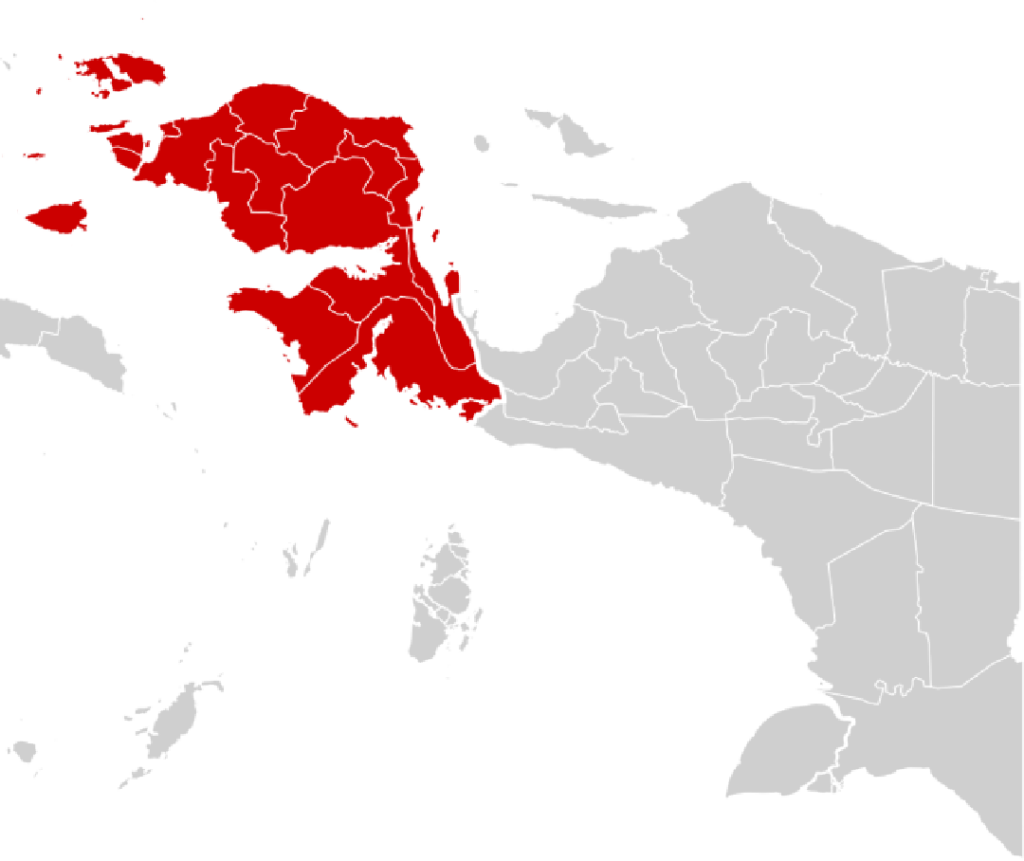
Indonesia is accelerating reforms to its Free Nutritious Meals (MBG) program by placing Papua among the highest priorities for implementation and service improvement. The policy reflects the government’s broader commitment to ensuring that children, pregnant women, breastfeeding mothers, and other vulnerable groups living in Indonesia’s 3T regions comprising disadvantaged, frontier, and outermost areas receive equal access to safe, nutritious, and high quality meals.
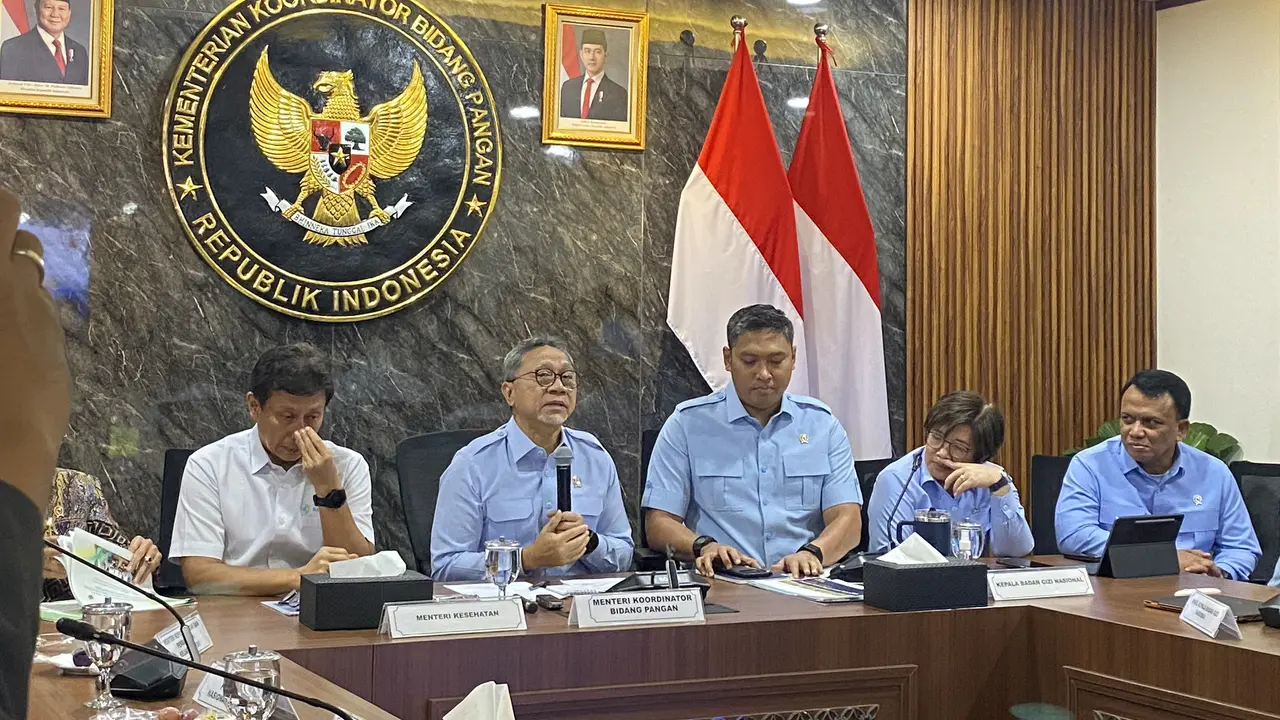
The renewed focus follows a comprehensive national evaluation ordered by President Prabowo Subianto, who instructed relevant ministries and the National Nutrition Agency (Badan Gizi Nasional or BGN) to strengthen governance across thousands of nutrition service units while improving beneficiary verification, food safety standards, operational management, and distribution systems. Government officials have been given one month to accelerate improvements and ensure the program operates more effectively nationwide, with Papua identified as one of the principal priorities due to its geographical challenges and persistent nutritional disparities.
Officials explain that strengthening nutrition services in Papua represents more than a food assistance initiative. It forms part of Indonesia’s long term investment in human capital development by addressing childhood nutrition during critical stages of physical and cognitive growth. Better nutritional outcomes are expected to contribute to improved educational performance, healthier communities, and stronger economic productivity in the future.
By prioritizing remote provinces such as Papua, Indonesia seeks to narrow development gaps while ensuring that children living far from major urban centers benefit from the same public services available elsewhere in the country.
Papua Becomes a Strategic Priority
Government officials have consistently emphasized that Papua occupies a unique position within Indonesia’s national development agenda.
The province’s mountainous geography, scattered settlements, transportation constraints, and varying levels of infrastructure make the delivery of public services significantly more complex than in many other parts of the country.
These logistical realities have influenced the government’s decision to prioritize Papua during the current restructuring of the Free Nutritious Meals program.
According to the National Nutrition Agency, implementation strategies in Papua require greater flexibility to accommodate local conditions while maintaining national standards for food quality, nutrition, and operational accountability.
Rather than applying identical operational models across every region, authorities are adapting implementation mechanisms to ensure services remain effective despite geographical challenges.
Government representatives have also highlighted that improving nutrition services aligns closely with broader efforts to accelerate human development across eastern Indonesia.
Reducing disparities in nutrition and healthcare remains an important component of Indonesia’s long term strategy to strengthen inclusive national development.
Officials note that better nutrition during childhood contributes directly to improved educational outcomes, workforce readiness, and long term economic growth.
Strengthening Governance Across Thousands of Nutrition Centers
One of the central objectives of the current reform is improving governance throughout the rapidly expanding network of Nutrition Fulfillment Service Units (SPPG) responsible for preparing and distributing nutritious meals.
The National Nutrition Agency has conducted a comprehensive evaluation of tens of thousands of operational units nationwide to identify areas requiring improvement.
Officials explained that the review covers multiple aspects of service delivery, including beneficiary data verification, procurement procedures, kitchen management, food preparation, quality control, logistical coordination, financial accountability, and operational supervision.
The evaluation also includes a review of incentive mechanisms to ensure service providers maintain consistent standards while encouraging high quality performance.
Authorities believe that stronger governance will improve efficiency while increasing public confidence in the long term sustainability of the program.
For Papua, maintaining high operational standards remains particularly important because transportation distances, supply chain complexity, and environmental conditions require careful planning to ensure food quality is preserved throughout distribution.
Food Safety and Nutrition Standards Receive Greater Attention
Alongside administrative improvements, food safety has become one of the principal priorities during the reform process.
Officials from the Papua Provincial Government have instructed all Nutrition Fulfillment Service Units operating within the province to comply fully with national nutritional standards and food safety requirements.
The objective is to ensure every meal distributed through the program provides balanced nutrition while meeting strict hygiene standards throughout preparation, storage, transportation, and serving.
Nutrition specialists emphasize that successful school meal programs depend not only on increasing food availability but also on maintaining consistent quality.
Balanced menus containing adequate protein, carbohydrates, vegetables, fruits, vitamins, and minerals play an essential role in supporting healthy child development.
Authorities have therefore intensified monitoring and supervision to ensure nutritional guidelines are implemented consistently across every service unit.
Government officials believe that maintaining public trust requires transparent quality assurance supported by continuous evaluation and professional management.
Reaching Indonesia’s Most Remote Communities
Delivering nutritious meals in Papua requires solutions specifically designed for remote environments.
Many communities are located in mountainous areas accessible only through limited road networks, air transportation, or river routes.
These logistical challenges increase operational complexity compared with more densely populated regions.
To address these conditions, authorities are accelerating the establishment of additional nutrition service points while improving transportation planning and strengthening coordination among regional governments, local communities, healthcare providers, schools, and food suppliers.
Officials also recognize the importance of sourcing food locally whenever possible.
Encouraging local agricultural products within the nutrition program supports rural economies while shortening supply chains and improving the freshness of food ingredients.
This approach creates mutual benefits by strengthening food security, supporting farmers, and expanding economic opportunities within local communities.
Investing in Human Capital Through Better Nutrition
Government policymakers increasingly view the Free Nutritious Meals program as an investment in Indonesia’s future rather than solely a social assistance initiative.
International research consistently demonstrates that adequate nutrition during childhood contributes to improved learning capacity, stronger immune systems, higher educational attainment, and greater economic productivity later in life.
By prioritizing Papua, authorities seek to ensure children living in remote regions receive similar developmental opportunities as those growing up in larger cities.
Officials have repeatedly stated that reducing nutritional disparities remains fundamental to achieving balanced national development.
Improving access to quality nutrition complements broader government investments in education, healthcare, sanitation, clean water, and community development already underway across Papua.
Together, these initiatives aim to strengthen human capital while creating conditions that support sustainable economic growth over the coming decades.
Supporting Development in Indonesia’s 3T Regions
The decision to prioritize Papua and other 3T regions reflects Indonesia’s broader effort to reduce development disparities across the archipelago. The term 3T refers to disadvantaged, frontier, and outermost regions where geographic isolation often presents significant challenges to delivering education, healthcare, and other essential public services.
Officials have acknowledged that implementing the Free Nutritious Meals program in these areas requires greater logistical planning and stronger institutional coordination than in more accessible regions. Transportation constraints, limited infrastructure, and scattered populations demand flexible operational models capable of maintaining consistent service quality despite difficult conditions.
Papua has therefore become a strategic focus in the ongoing restructuring of the program. Authorities believe that improving nutrition services in remote communities represents an important step toward strengthening social equity while supporting broader regional development goals.
By ensuring that children in remote villages receive the same nutritional support as those in urban centers, the government seeks to promote more balanced human development throughout Indonesia.
The accelerated establishment of approximately 13,000 additional MBG service points nationwide also reflects this commitment to expanding equitable access, with Papua Highlands and several eastern provinces receiving priority attention due to their higher logistical complexity and nutritional needs.
Local Food Systems Strengthen Nutrition Services
An important component of the government’s strategy involves integrating local agricultural production into the nutrition program wherever feasible.
Officials have encouraged Nutrition Fulfillment Service Units to cooperate with local farmers, fisheries, cooperatives, and small food producers to supply fresh ingredients while maintaining national nutritional standards.
This approach generates multiple benefits.
First, it improves the availability of fresh food ingredients by shortening supply chains.
Second, it supports local economic development by creating stable markets for farmers and food producers.
Third, it strengthens regional food security by reducing dependence on long-distance transportation for every component of the meal program.
For Papua, where transportation costs remain relatively high because of geography, utilizing locally produced vegetables, fish, eggs, fruits, and other commodities offers practical advantages while supporting rural livelihoods.
Development experts frequently emphasize that nutrition programs become more sustainable when linked to local food systems, creating a mutually reinforcing relationship between improved nutrition and community economic development.
Officials believe this integrated model will strengthen both public health outcomes and regional economic resilience over the long term.
Accountability Builds Public Confidence
As the Free Nutritious Meals program expands rapidly across Indonesia, transparency and accountability have become central priorities.
Government institutions have emphasized that continuous evaluation is necessary to ensure public resources are managed efficiently while maintaining high service quality.
The National Nutrition Agency’s review of thousands of Nutrition Fulfillment Service Units reflects an effort to identify operational challenges before they affect beneficiaries. The evaluation includes food preparation standards, beneficiary verification, financial management, procurement systems, logistics, and supervision.
Authorities have also announced adjustments to incentive mechanisms to encourage stronger operational performance while reinforcing accountability throughout the program.
For Papua, maintaining public confidence remains particularly important because communities often depend on reliable government services to overcome logistical barriers associated with remote geography.
Officials from the Papua Provincial Government have likewise instructed all service providers to comply fully with nutrition guidelines and food safety standards, emphasizing that every meal distributed should meet nationally established requirements for quality, hygiene, and balanced nutrition.
These measures are intended to strengthen trust while ensuring that the program delivers meaningful health benefits for children and other eligible beneficiaries.
Nutrition as an Investment in Indonesia’s Future
The government’s renewed emphasis on nutrition reflects a broader understanding that investments in human capital generate long term national benefits.
International evidence consistently demonstrates that children receiving adequate nutrition during their early years generally achieve better educational outcomes, experience improved health, and become more productive members of society later in life.
Indonesia’s Free Nutritious Meals program therefore represents not only a social assistance initiative but also a strategic investment in future economic development.
For Papua, improving nutrition complements ongoing investments in schools, healthcare facilities, clean water infrastructure, transportation, and community development.
Together, these initiatives contribute to strengthening the quality of life while expanding opportunities for future generations.
Officials have repeatedly emphasized that reducing regional disparities remains essential to achieving Indonesia’s long term development vision.
Ensuring equal access to quality nutrition regardless of geography forms an important component of this national commitment.
Looking Ahead
Indonesia is expected to continue strengthening the governance of the Free Nutritious Meals program through improved oversight, standardized operational procedures, stronger food safety controls, and expanded services in remote regions. Papua is likely to remain a strategic priority as authorities accelerate the development of additional nutrition service units, improve logistics, and encourage greater use of locally sourced food. By combining institutional reform with community participation and better nutrition services, the government aims to build a more resilient public health system while supporting inclusive human development across eastern Indonesia.
Conclusion
The government’s decision to prioritize Papua in the reform of the Free Nutritious Meals program demonstrates a broader commitment to strengthening human development through equitable access to quality nutrition. By improving governance, expanding nutrition service units, reinforcing food safety standards, and focusing on Indonesia’s 3T regions, authorities seek to ensure that children and vulnerable communities receive reliable nutritional support regardless of geographical challenges. Beyond addressing immediate dietary needs, the reforms reflect a long term investment in education, public health, and national productivity. As implementation continues, stronger coordination among government institutions, regional administrations, local communities, and food suppliers will remain essential to delivering sustainable improvements in nutrition services throughout Papua and across Indonesia.