
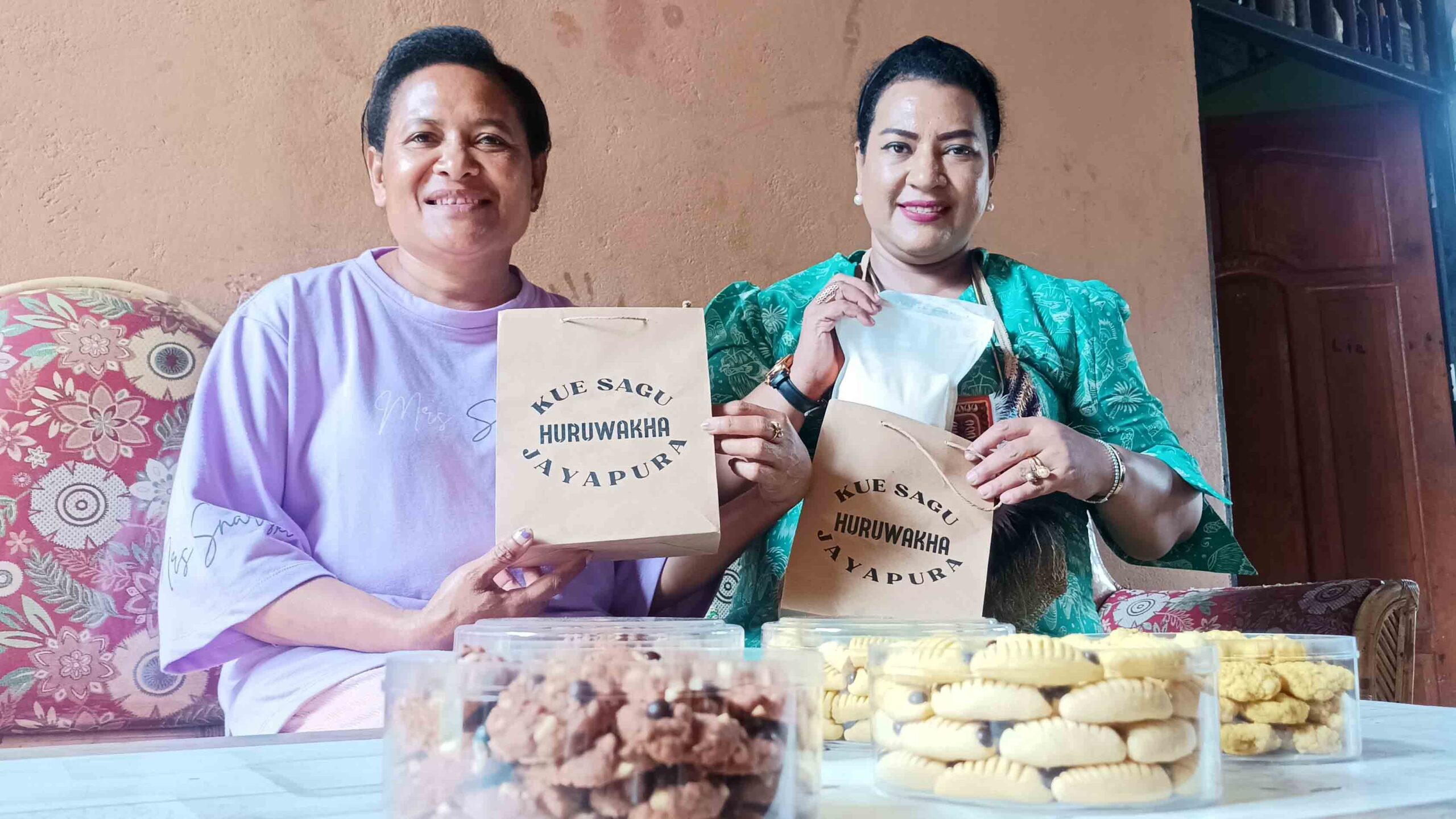
Indonesia has stepped up efforts to boost small businesses in Papua, with government institutions ramping up support for entrepreneurs looking to obtain halal certification in anticipation of new national regulations coming into force in October 2026.
As many as 934 micro, small, and medium enterprises (MSMEs) in the Papua region have already received halal certificates, said the Organizing Agency for the Assurance of Halal Products of Papua (BP3H). The number continues to grow, officials say, as entrepreneurs increasingly realize that certification is no longer simply a religious requirement but a key business asset that enhances competitiveness, consumer confidence, and access to larger domestic markets.
With the deadline for mandatory halal certification for various food and beverage businesses looming in a few months, government agencies, universities, and halal assistance centers are intensifying outreach programs to ensure entrepreneurs, especially indigenous Papuan business owners, are not left behind.
The initiative is part of Indonesia’s wider strategy to boost Papua’s people-centered economy by improving business standards, expanding market access, and promoting sustainable growth for local MSMEs.
Halal Certification Becomes a National Priority
October 2026 Marks an Important Transition
Halal certification has been gradually made mandatory in Indonesia under the national framework of Halal Product Assurance.
Beginning in October 2026, national regulations will require halal certification for many food, beverage, and related products available in the market.
The government is focusing on enhancing education and simplifying the registration process and providing free certifications to eligible micro and small enterprises. However, it is also aware that many small businesses still face administrative and technical challenges.
In Papua, the policy is considered by entrepreneurs not only as regulatory compliance but also as an opportunity to improve product quality and increase public trust.
The officials say halal certification is advantageous to consumers because it provides transparency in production processes and at the same time increases the commercial value of local products.
Papua Records Steady Progress
934 Certified Businesses Across Papua
BP3H Papua has issued 934 halal certificates for MSMEs in Papua, reports BP3H Papua.
The achievement is steady progress considering the vast geography of Papua, where businesses are spread across urban centers, coastal communities, and remote mountainous regions.
Authorities acknowledge the challenges ahead before October 2026, but they are optimistic that ongoing collaboration among central government institutions, local governments, universities, and community organizations will significantly boost the number of certified businesses.
The certification program targets micro-enterprises producing traditional foods, snacks, beverages, fishery products, and household food industries that are the backbone of Papua’s local economy.
Universities Join the Halal Campaign
IAIN Papua Encourages Entrepreneurs to Register
Educational institutions have become important partners in speeding up halal certification.
Rektor Institut Agama Islam Negeri (IAIN) Fattahul Muluk Papua secara terbuka mengajak para pengusaha untuk memanfaatkan program sertifikasi halal gratis dari pemerintah sebelum diwajibkan.
University officials say many small business owners still wrongly believe certification is expensive or difficult to obtain.
Universities conduct seminars, offer consultation services, and reach out to the community to correct such misconceptions and help entrepreneurs complete the necessary paperwork.
Halal Centers at higher education institutions also offer technical assistance during the certification process, helping businesses to understand production standards, documentation requirements, and inspection procedures.
The partnership shows how universities can contribute to regional economic development in addition to their educational role.
Helping Indigenous Papuan Entrepreneurs Grow
Improving Competitiveness Through Better Standards
Many Papuan indigenous entrepreneurs depend on small businesses to generate income for their families.
Traditional food products, fisheries, agricultural products, and locally processed ingredients remain important to community livelihoods.
Halal certification could give these businesses a better chance to compete outside local markets, officials said.
More and more retailers, supermarkets, government procurement programs, and consumers are demanding certified products with verified food safety and quality standards.
Officials say certification doesn’t change Papua’s culinary traditions.
Instead, it shows that the production processes are consistent with nationally recognized standards while maintaining local recipes and cultural identity.
Opening Wider Market Opportunities
Certification also opens up opportunities for Papuan products to be included in larger distribution networks.
Halal-certified companies have an easier time getting into trade exhibitions, online marketplaces, tourism promotion programs, and government-supported MSME exhibitions.
Transportation costs in Papua are still relatively high, so the credibility of the product becomes even more important in attracting buyers outside the region.
Officials believe that improved access to the market can eventually translate into higher household income and more sustainable local economic growth.
Government Assistance Goes Beyond Regulation
Education Before Enforcement
The government’s immediate priority is education, not punishment, authorities say.
However, socialization programs are still being carried out in Papua to explain the benefits of certification and practical steps to get certification.
Officials are encouraging business owners to get a jump on the process while free help is still plentiful and not to wait until the last minute to apply.
We are simplifying the digital registration systems and expanding consultation services to reduce administrative barriers.
The idea is to make sure compliance happens through partnership and not just through enforcement.
Supporting the People’s Economy
The halal certification campaign is consistent with Indonesia’s overall economic agenda for Papua.
Recently, the government has implemented several programs to strengthen MSMEs, encourage entrepreneurship, assist indigenous Papuan producers, and enhance the value-added processing of local commodities.
Halal certification plays a role in supporting these efforts by allowing companies to adhere to recognized quality standards and boost consumer confidence.
Officially, it is believed that stronger MSMEs ultimately contribute to employment creation, household income growth, and regional economic resilience.
Building Consumer Trust
For small businesses, consumer confidence continues to be one of the most important assets.
A halal certificate is proof that products have been inspected according to national procedures.
While certification primarily targets Muslim consumers, many non-Muslim buyers also associate certified products with improved hygiene, standardized production, and transparent supply chains.
For businesses in Papua’s burgeoning tourism sector, certification can also boost appeal to domestic visitors from around Indonesia.
This increased mobility is making the need for standardized products more important in opening up business opportunities.
Preparing Papua’s MSMEs for the Future
The issuance of 934 halal certificates is an encouraging development, but many businesses still need help before the deadline of October 2026, officials said.
However, the continuous cooperation of BP3H, local governments, universities, halal centers, business associations, and community organizations is still important to ensure broader participation.
You can also check out our related coverage from the previous features “Festival UMKM Papua Strengthens Local Creative Economy” and “From Farm to Free Meals: Papua’s Push for Local Food and Inflation Control” on how government initiatives are helping indigenous entrepreneurs improve competitiveness through quality standards, market access, and sustainable local production.
Conclusion
Papua’s halal certification campaign is a case study in how regulatory policy can serve as an economic empowerment tool as well. Indonesia is helping local entrepreneurs prepare for the October 2026 requirement by providing free certification, technical assistance, university partnerships, and public education while strengthening the long-term competitiveness of indigenous Papuan businesses. As more MSMEs receive the halal certification, the initiative is expected to increase consumer confidence, facilitate access to markets, and improve the role of small enterprises as one of the main drivers of inclusive economic development in Papua.

