
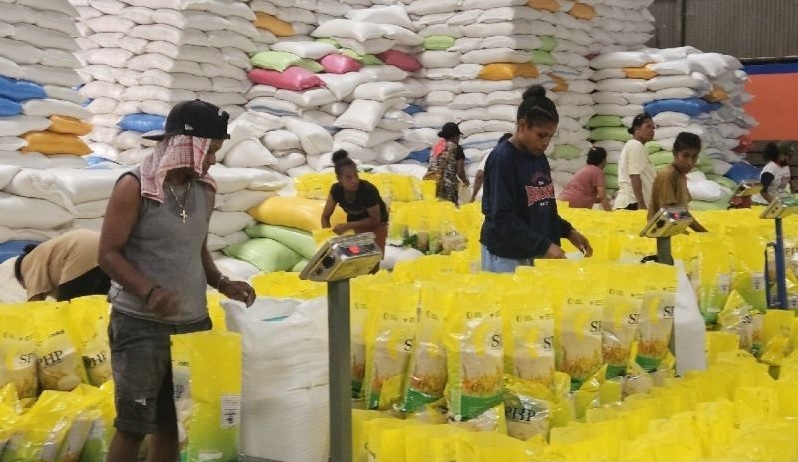
On 23 January 2026, the Indonesian state-owned logistics agency Perum Bulog (Logistics Affairs Agency) achieved a major milestone in its effort to ensure food security and stabilize food prices in the far-flung provinces of Papua and Papua Barat. Under the Stabilisasi Pasokan dan Harga Pangan (Stabilization of Food Supply and Prices/SPHP) program, Bulog reported that approximately 20,567 tons of rice had been distributed throughout Papua, which represents a substantial allocation of staple food resources in the early weeks of the year. Such a large volume reflects not only a logistical achievement but also a determined government commitment to protect the purchasing power of local communities and guard against sharp price fluctuations in essential commodities.
The SPHP initiative is a key part of Indonesia’s broader strategy to maintain food affordability and prevent inflationary pressure on essential goods. In regions like Papua, where geographic and infrastructure challenges make distribution costly and complex, such interventions become all the more crucial. This piece examines the Bulog program’s January 2026 rollout, its core goals, the obstacles it encountered, and its implications for food security in eastern Indonesia.
A Closer Look at the SPHP Program
The SPHP program serves as a key government tool aimed at stabilizing rice supply and retail prices throughout Indonesia. Rice, a dietary cornerstone for the Indonesian populace, is particularly sensitive to price swings, which can quickly diminish the purchasing power of households, particularly those with limited means. In response to supply chain issues and escalating food prices, policymakers opted to expand and sustain the program’s year-round implementation in 2026.
The distribution goals for SPHP in 2026 are quite ambitious.
Nationwide, Bulog’s goal is to distribute millions of tons of rice through SPHP, a program designed to stabilize retail prices and keep rice accessible, even in the most remote locations. Though much of the attention is often on Indonesia’s more populated islands, such as Java and Sumatra, the Papua region, both vast and ethnically varied, presents distinct challenges. These require specialized logistics and collaboration with local partners.
January 2026: A Promising Beginning in Papua
By the close of January, Bulog’s offices in Papua and Papua Barat had managed to deliver 20,567 tons of SPHP rice to communities across the region. This initial figure accounts for a significant share of the year’s regional distribution plan, highlighting Bulog’s operational effectiveness, even in a territory marked by considerable geographic obstacles. Government and Bulog officials viewed this distribution as a positive sign of advancement toward the broader food security objectives set for 2026.
Ahmad Mustari, who oversees Bulog Papua and Papua Barat, emphasized the SPHP program’s importance in stabilizing market prices and keeping essential foods affordable for everyone. His remarks underscore the program’s proactive approach: the government aims to prevent price surges by supplying rice to regions susceptible to shortages before they occur.
Distribution Strategy and Challenges
Papua’s geography presents a unique set of hurdles. Dense forests, steep mountains, and remote communities, many only accessible by air or through informal river routes, characterize the region. These factors complicate large-scale distribution efforts. Air freight, for instance, is costly and vulnerable to weather disruptions.
Even with these hurdles, Bulog remains committed to serving even the most isolated communities.
To tackle distribution difficulties, Bulog has teamed up with thousands of retail stores and cooperatives across six provinces in Papua. By using a mix of distribution methods, from traditional markets to partner sellers, the agency hopes to get SPHP rice to consumers in both cities and remote areas.
The plan involves stocking supplies in strategic locations and working with local governments on transportation. These actions show how the SPHP program has moved from a temporary fix to a more organized, year-round system for keeping basic food prices steady.
Reaching the Target: Ambitious Goals Ahead
January’s distribution of 20,567 tons is a solid start, but the program’s ambitions stretch far beyond that. Badan Pangan Nasional (National Food Agency/Bapanas) aims to distribute 87,000 tons of SPHP rice to Papua and Papua Barat by 2026. This represents a fourfold increase compared to the same period in prior years, a clear indication of both the growing demand and the heightened expectations for supply chain efficiency in the area.
Achieving this goal will demand ongoing collaboration with provincial officials, transportation providers, and local vendors. Bulog’s efforts will continue to focus on delivering rice not just to urban centers but also to remote villages, where food insecurity is often most severe.
Price Stability and Consumer Impact
A key goal of the SPHP program is to keep rice prices at retail outlets manageable, ensuring families can afford it, no matter where they live. Papua, with its difficult terrain and limited local rice farming, often sees food prices climb above the national average. To address this, the government distributes SPHP rice at subsidized or regulated prices, aiming to reduce regional imbalances and shield vulnerable consumers from abrupt price fluctuations.
In Papua and Papua Barat, SPHP rice prices generally align with the Harga Eceran Tertinggi (Highest Retail Price/HET) set by the government. In more remote areas, for instance, the HET is usually higher to reflect the added costs of getting the rice there. This regulated pricing system, however, protects consumers from market prices that could otherwise be beyond their means.
Retailers participating in the SPHP program must offer rice at the same price or a lower price than the HET. To combat price gouging and the sale of SPHP rice at inflated rates, Bulog and local authorities have implemented guidelines and oversight in certain regions. The program’s credibility and success depend on consistent enforcement of these regulations.
Supporting Economic and Social Stability
Food security encompasses more than just the availability of food; it also relates to social stability, the resilience of households, and the overall economy. In Papua, where economic development indicators trail the national averages, providing access to affordable staple foods alleviates some of the financial strain on low-income households.
By smoothing out the spikes in food prices, the SPHP program helps families stretch their budgets to cover other vital expenses like healthcare, schooling, and getting around.
Schools and community organizations gain, too, when basic foods are both affordable and consistently available. Kids are less likely to miss school because they’re hungry, and parents aren’t as tempted to resort to unhealthy or costly ways of coping when prices climb.
Collaborative Governance and Partnerships
The SPHP program’s effectiveness in Papua hinges on more than just Bulog’s internal capabilities; it also relies on working together with local partners. Regional governments are key, helping with transport, pinpointing areas of greatest need, and keeping an eye on market prices.
The past few months have showcased a successful partnership between Bulog, local governments, and law enforcement, a model of integrated action. Collaborative distribution efforts in late 2025, for instance, helped to ensure ample supplies before peak demand periods like the holidays, highlighting the importance of forward-thinking planning and cooperation between different institutions.
Community involvement is also key. Local merchants, as part of the SPHP distribution network, serve as the crucial link between national supplies and the public. Their established reputations and compliance with pricing rules are vital for maintaining public confidence in the system.
Looking ahead: Expansion and Improvement
Looking forward, Bulog’s efforts in Papua are poised to maintain their current pace. The promising start in January 2026 indicates the agency’s capacity to achieve, and perhaps surpass, its distribution targets in the area. To successfully traverse the challenging landscape and ensure every community receives assistance, sustained investments in logistics, infrastructure, and collaborative relationships will be essential.
National objectives also support the expansion of SPHP rice’s availability. Indonesia’s overarching food security plan for 2026 encompasses sustaining a consistent rice supply throughout the nation, bolstering domestic production, and reinforcing safety nets in regions facing inherent disadvantages.
Beyond numerical goals, such as distribution volume, quality control and effective price regulation will continue to be of paramount importance.
Meeting quality standards and keeping prices in check for distributed rice is just as critical as achieving the desired tonnage.
Conclusion
The distribution of 20,567 tons of SPHP rice by Bulog in January 2026 marks a significant milestone in Papua and Papua Barat’s efforts to bolster food security. This achievement is a testament to meticulous planning, logistical determination, and a strong dedication to price stability in regions grappling with persistent geographical and economic hurdles.
By ensuring basic food staples remain both accessible and affordable, the SPHP program supports household resilience, economic stability, and social well-being throughout the region. As the year unfolds and Bulog continues its work, the early success of these distributions offers a hopeful indication that Indonesia’s food security strategies are making headway, even in the nation’s most geographically diverse areas.

