From February 13 to 15, 2026, the quiet border town of Mae Sariang in Mae Hong Son Province, Thailand, became the site of something very human. A football field in the middle of hills and rivers that mark the border between Thailand and Myanmar became a place where people from different cultures, stories, and hopes could come together.
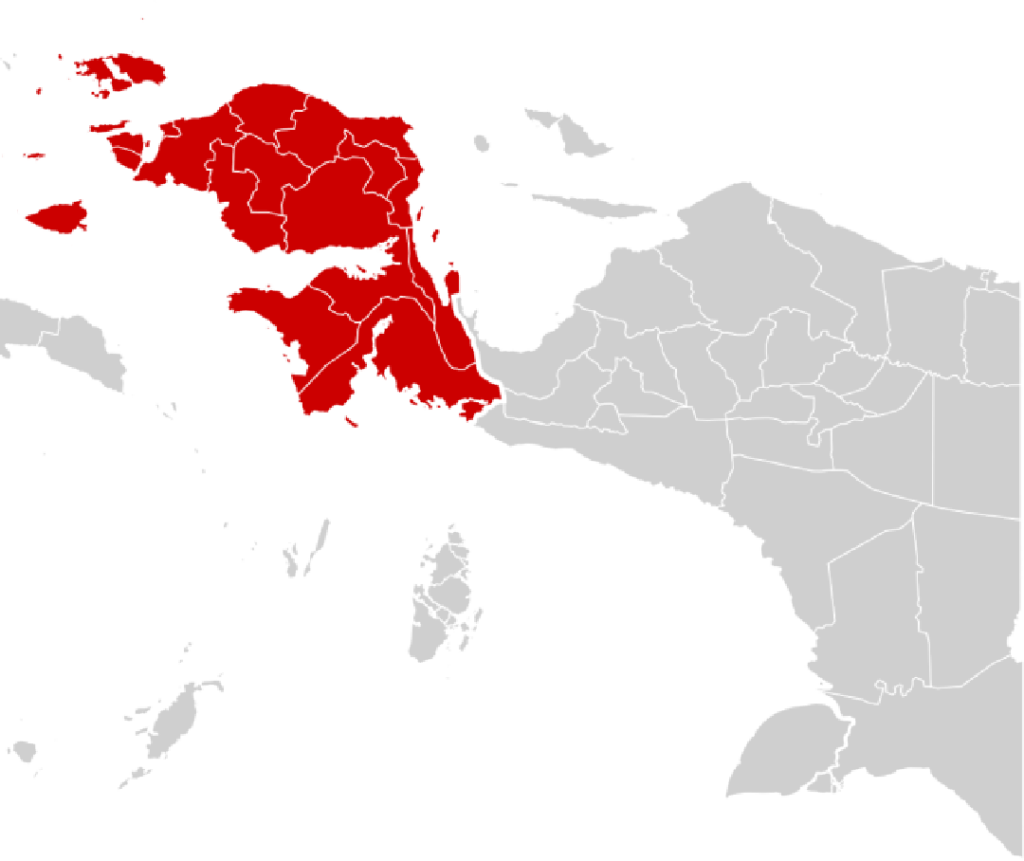
Players and coaches from Uni Papua FC, a grassroots football group from Indonesia’s easternmost region, were on that field. They had come thousands of kilometers from Papua, not to win a tournament trophy, but to spread a message of peace through football.
In a place where people move around a lot, are displaced, and are socially vulnerable, the sound of kids laughing over a rolling ball had a different kind of power.
Why Mae Sariang is important
Mae Sariang is not a big city. It is a border district that is better known for being close to Myanmar than for hosting international sporting events. There are migrant communities and families in the area that are dealing with problems that cross borders.
There aren’t many chances for structured youth programs. The recreational facilities are not very nice. But the need for connection and meaningful interaction is real.
This is exactly why Uni Papua FC agreed to come.
The three-day event in Mae Sariang wasn’t just a series of friendly matches. It was a planned football development program that aimed to give young people more power and build the skills of people in the area.
The Invitation That Started It All
The leaders of Uni Papua FC say that they got involved after being invited by Dr. Joe Manickam, who started Arelti, a non-profit organization based in Kansas, United States.
Dr. Manickam has been working on peace and community development projects in border areas for a long time. He thought that football could be a universal language that could bring people together.
Harry Widjaja, the CEO of Uni Papua FC, said that the invitation fit well with the club’s values.
He said that the idea behind Uni Papua FC is that football is not just about winning, but also about building character, giving young people power, and bringing people back together. The club saw Arelti’s invitation to join the Football for Peace program in Mae Sariang as a chance to show the world Papua’s strong spirit.
Three Coaches, One Goal
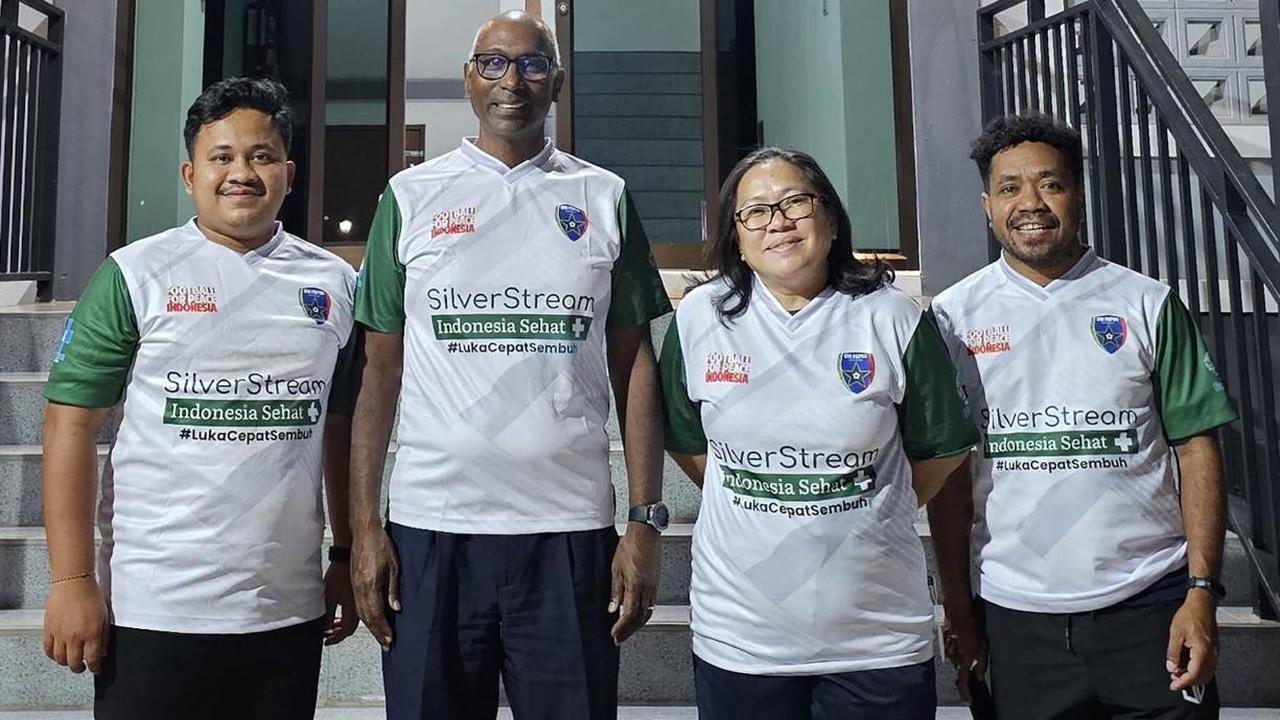
Uni Papua FC didn’t send players by themselves. They sent three of their best coaches to Mae Sariang.
Frans Gasper Paraibabo, the head coach of Uni Papua FC, has an AFC B coaching license. He was in charge of the technical program for the three days and was known for his strict training style and focus on tactical intelligence.
Willy Gultom, who was licensed by PSSI C, was with him. Willy is known for his grassroots development style, which focuses on the basics and getting everyone involved.
Hirma Sjarif, the club’s main female coach and secretary general of Uni Papua FC, was the last member of the trio. Hirma is well-known for supporting programs that help young people play football and help athletes recover from injuries. Her presence added an important aspect to the project, especially in getting girls and young women to play sports.
The three coaches all had the same goal: to share what they knew, improve the skills of local coaches, and give young athletes in Mae Sariang more power.
What Went On Between February 13 and 15, 2026
The three days were planned out very carefully.
Day One: Getting to Know Each Other and Building Trust
The program started on February 13, 2026, with introductions and group warm-ups. Teachers, coaches from the area, and kids all came together on the field.
Frans Paraibabo led tactical drills, and Willy Gultom taught the players how to control the ball. Hirma Sjarif worked closely with young girls and encouraged everyone to take part.
The focus was on working together, not competing.
Day Two: Helping Coaches and Teachers Build Their Skills
On February 14, 2026, the focus changed to training teachers and local football coaches.
There were workshops on training methods that are right for the age, avoiding injuries and getting better, and mental health support for young athletes.
Structured programs for grassroots development.
Hirma Sjarif talked about what she learned from working with youth rehabilitation programs in Papua. She stressed that football can help people heal emotionally, especially kids who grow up in unstable situations.
Teachers from nearby primary and secondary schools paid close attention, took notes, and asked questions.
Day Three: Community Celebration and Friendly Games
On February 15, 2026, youth teams from Mae Sariang and Uni Papua FC played friendly games against each other.
The mood was happy but respectful.
Parents stood on the sidelines. Younger kids ran after balls that weren’t theirs. Both teams’ coaches stood side by side, watching and cheering.
When goals were scored, people cheered from all sides.
The score wasn’t the most important thing; it was the clear sense of belonging. For a few hours, the border felt more like a place we all shared than a line that separated us.
Using Football to Build Peace
The Football for Peace initiative showed how sports can be a way to build relationships between countries.
The program was more about shared human experiences than political talk. Passing drills turned into chances to talk. Tactical talks led to cultural exchange.
Frans Paraibabo later thought about how football had its own language, even though there were language barriers. A nod of encouragement, a high five, or a supportive gesture didn’t need to be translated.
Seeing an international team spend time on the development of local youth sent a strong message: they are seen, valued, and capable.
The Bigger Picture
The Mae Sariang initiative and other events help people around the world talk about sports and peacebuilding.
More and more, international groups are recognizing how football can bring people together. Sport has been used to help young people who are vulnerable and bring people together in places like Africa and Latin America.
Uni Papua FC’s involvement gave this movement an Indonesian voice.
It also made Papua look better to people around the world. Papua is often shown as a place of isolation or conflict, but in this case, it became a source of positive outreach and leadership.
Human Moments That Made the Event What It Was
One moment summed up the three days.
A young boy from Mae Sariang thought twice before joining a drill led by Willy Gultom. He looked like he wasn’t sure of himself. After some kind words and a patient demonstration, he tried the drill again and did it right this time.
The applause that followed came from both his teammates and the coaches of Uni Papua FC.
His smile said it all.
In the meantime, Hirma Sjarif talked to a group of teenage girls who were standing on the sidelines at first. They were fully involved in training exercises by the end of the second day.
These little changes made a difference.
Problems and Things to Learn
It took a lot of planning to put together an international community program in a border area.
Arelti and local community leaders worked together to handle logistics, translation, housing, and scheduling.
They were careful when talking about security issues. The goal was to keep the atmosphere friendly without making things too tense.
The experience showed that peace efforts must be based on cooperation, not forcing people to do things.
A Message That Goes Home
When Uni Papua FC came back to Indonesia after February 15, 2026, the effects of Mae Sariang went with them.
The players and coaches told stories of times when they all laughed, worked hard, and were thankful.
Harry Widjaja said that the experience confirmed the club’s founding philosophy. Football can do things that formal diplomacy can’t.
The young people of Mae Sariang will probably remember those three days for a long time after the field goes quiet again.
Why This Is Important for the World
In a time of division and geopolitical tension, grassroots projects like this one show the world that peacebuilding can start at the local level.
It’s not easy to cross the border between Thailand and Myanmar. Papua has its own problems. But through football, people from these faraway places were able to connect.
The message was clear from Papua to Mae Sariang.
Not every time does peace start in a conference room. It can start on a simple football field, where people who don’t know each other become teammates and borders don’t matter as much.