Not the lack of sound, since the rainforest in Papua is never really quiet. Birds call across the canopy. Insects hum in a steady beat. There are things that you can’t see that make the leaves shake. When you stand at the base of a Korowai treehouse and look up, the stillness is different.
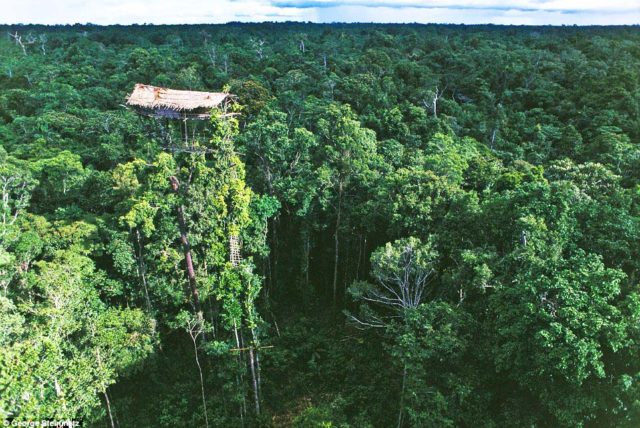
A house sits in the trees above you, sometimes as high as 30 or 40 meters.
It doesn’t look like it’s going to go away. It doesn’t seem weak. It rises with quiet confidence, held up by wooden poles and the strength of living trunks. There is a light breeze blowing smoke from a thatched roof. A kid is laughing somewhere above.
This is not a show made for tourists. The Korowai people of Papua, one of Indonesia’s most isolated and culturally unique Indigenous groups, made this real home. As the world becomes more and more made of concrete and steel, these treehouses are a living reminder that architecture can come from the wisdom of the forest, not from factory blueprints.
A House in the Sky
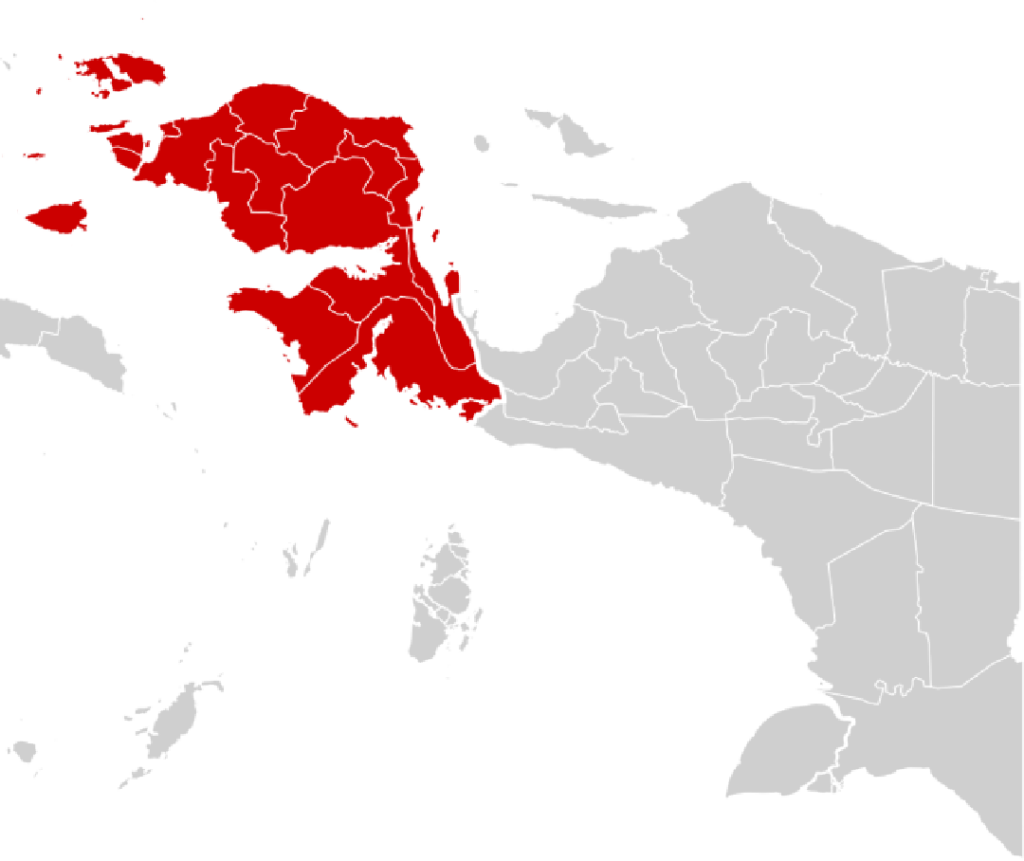
The Korowai live in the rainforests of southern Papua’s lowlands. For generations, they have built their homes high up in the air, and sometimes the heights are so high that visitors get dizzy just thinking about climbing them.
The immediate question for people who don’t know is easy. Why live so high?
The answers are both useful and based on a lot of history. The ground in the forest is not easy to walk on. When it rains a lot, it floods. There are wild animals, bugs, and pests that carry diseases. Living high up in the trees keeps you safe from animals and seasonal waters. It also protected people from fighting with other groups in the past.
But that’s not the whole story.
The Korowai treehouse, or “uma,” is more than just a place to stay. It shows a way of thinking in which people adapt to nature instead of changing it completely. You can’t conquer the forest. It is something to know.
Built by Hand and Guided by Memory
These buildings aren’t held together by metal nails. There are no electric drills or cranes. The forest around them provides the wood, vines, bark, and leaves that they use to build everything.
Picking the right tree is the first step. Builders look for strong trunks that can hold the building in place. Carefully place the long poles. To hold beams together, rattan vines are tightly woven together. To make roofs that can stand up to tropical rain, sago leaves are stacked on top of each other.
Building is something that everyone does together. Men climb and hold the framework in place. Women get things ready. Kids learn by watching and doing things, not by reading books.
An elder once told me that making a treehouse takes time and listening. He said, “The forest tells us what is strong.” “If you make the wrong choice, the house won’t last.”
That knowledge, which has been passed down orally through the years, is just as important as the wood itself.
Life Above the Ground
Most people will never forget the experience of climbing into a Korowai treehouse. The ladder is not very wide. You need to pay attention to each step. As you go up, the air gets cooler. The view from the platform is of layers of green canopy.
The inside of the house is simple but works well. There is a hearth on one side where food is cooked over an open flame. There are sleeping areas set up on the wooden floor. You don’t have a lot of things, but the ones you do have are important.
Life goes on pretty much the same way it always has. At dusk, families get together to tell stories. Sago, plants from the forest, and animals that have been hunted are used to make food. Kids learn by watching and copying the gestures of their parents and grandparents.
The forest looks different from up here. You can see the sunlight coming through the leaves in different ways. You can hear birds at eye level instead of above your head. You feel like you’re part of the forest instead of being under it.
A Culture That Challenges Assumptions
For international audiences, the Korowai treehouses can appear extraordinary, even surreal. But calling them “exotic” doesn’t really explain what they are.
These homes are a smart way to adapt to the environment. They show an understanding of architecture that is based on ecology. The Korowai have been practicing a kind of environmental integration for a long time, and many modern societies are only now starting to rediscover it.
Their homes break down naturally. The things they use can be used again. When a building gets old or unsafe, it naturally goes back to the forest.
This kind of behavior is not by chance. It shows that values that value balance over excess.
The Forest as a Friend
The Korowai have a close relationship with the forest. Each kind of tree serves a purpose. Some kinds of wood are strong enough to be used as beams. Some are strong enough to be woven. Sago palms give you food and building materials.
The forest has spiritual meaning as well. It is not just a background to life. It is a part of who you are.
Elders tell kids that they should only take trees when they need them. If too many of them are taken, the environment that supports them will get weaker. The house’s height stands for being alert and aware, which is a reminder that life requires being aware of what’s going on.
People who come to see the Korowai sometimes ask if they will stop living in treehouses and move into modern homes. The answer is not simple. Some families have started to build shorter buildings in areas that have been changed by outside development. Some people still want to live in high-rise buildings.
Change is going to happen. Still, for many, the treehouse stands for continuity.
Between Tradition and the Modern World
Journalists, anthropologists, and travelers have been interested in the Korowai in recent decades. Pictures of huge treehouses have been shared around the world, sparking interest.
This visibility brings both chances and problems. Tourism can bring in money. Government programs can help people get health care and education. But being exposed can also lead to cultural misunderstandings or commercialization.
A lot of the time, community leaders say that respect should come with appreciation. The treehouses aren’t rides at a theme park. They are places where people live that are shaped by history and respect.
People around the world should see the Korowai not as relics of the past, but as modern people who are dealing with change on their own terms.
Indonesia’s Cultural Mosaic
There are more than 17,000 islands and hundreds of ethnic groups in Indonesia. It has a lot of different places, like the temples of Java, the longhouses of Kalimantan, and the highland villages of Papua.
The Korowai treehouses are one of the most beautiful examples of that diversity. They remind people that Indonesia has a lot more to offer than just beaches and city skylines.
For a lot of Indonesians, learning about the Korowai makes them appreciate the country’s diversity even more. The treehouses tell a fascinating story about how people adapt to their surroundings all over the world.
A Living Heritage
Standing high above the rainforest floor makes you think.
The Korowai did not make tall buildings. They built homes that are good for the weather, the land, and the people who live there. Their buildings don’t stand out in the landscape. It lives with it.
Their approach makes sense in a time when protecting the environment is very important. They teach that new ideas don’t always need new tools. It can grow from paying close attention and learning from older people.
Their homes show that being strong doesn’t mean fighting nature; it means working with it.
A Living Legacy
The Korowai treehouses don’t stay the same. They are living structures that are kept up, fixed, and rebuilt as needed. Kids who climb ladders today might one day build their own homes.
People often talk about cultural heritage as something to keep safe. But in Papua’s rainforest, people practice their heritage every day. It breathes. It changes.
People who see these houses will remember them for a long time. It makes people question what they think they know about comfort and modernity. It makes people think about how societies define progress.
Above all, it makes you think about how the environment shapes human creativity instead of being separate from it.
Conclusion
In Papua’s rainforest canopy, homes made of wood and vines reach up to the light that comes through the green leaves. They are strong but quiet statements about who you are, how you fit in, and where you belong.
The Korowai treehouses are more than just interesting buildings. They are living examples of how rich Indonesia’s culture is. They tell a story of strength in one of the most remote forests in the world. They show how people can build up without losing touch with the ground.
And for anyone who looks up from below, they serve as a simple but powerful reminder.
People have always found ways to make a home, even in the most unlikely places.
Sometimes, that home is just in the sky.