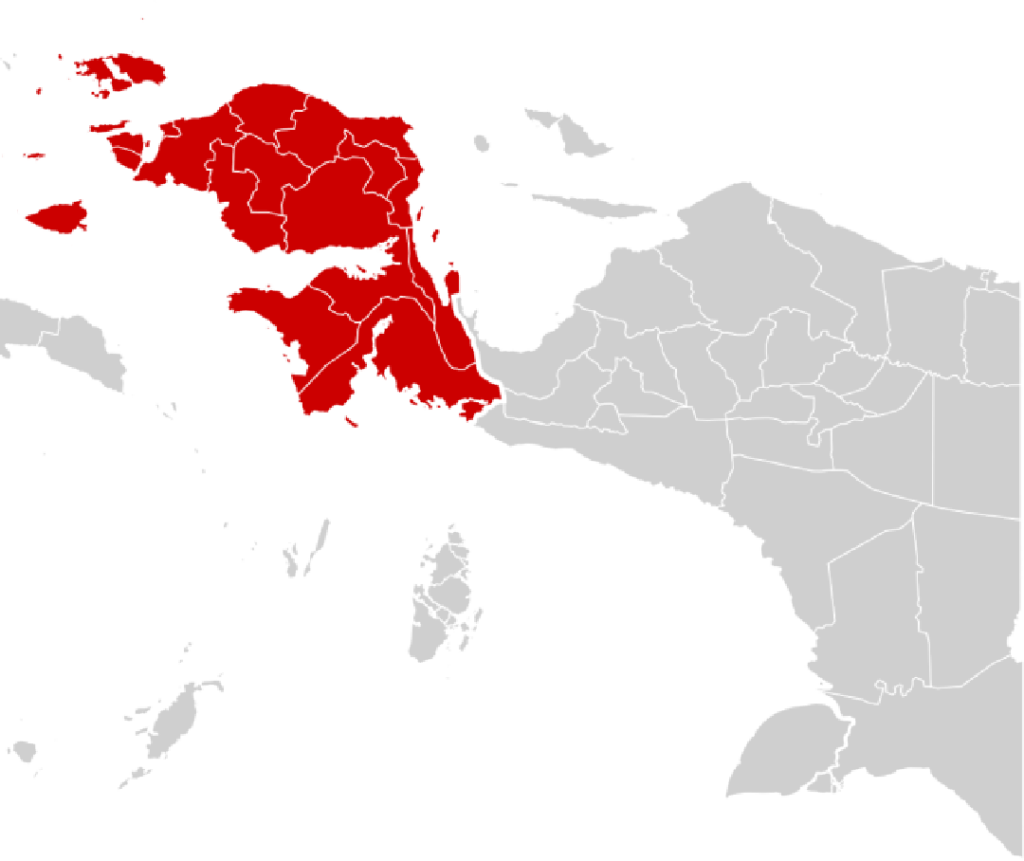
Malaria is an issue that extends beyond the walls of clinics in Mimika, Papua Tengah (Central Papua) Province. It’s part of everyday life, as reflected in days missed at work, children kept at home, and people saying they are sick without necessarily saying they have malaria.
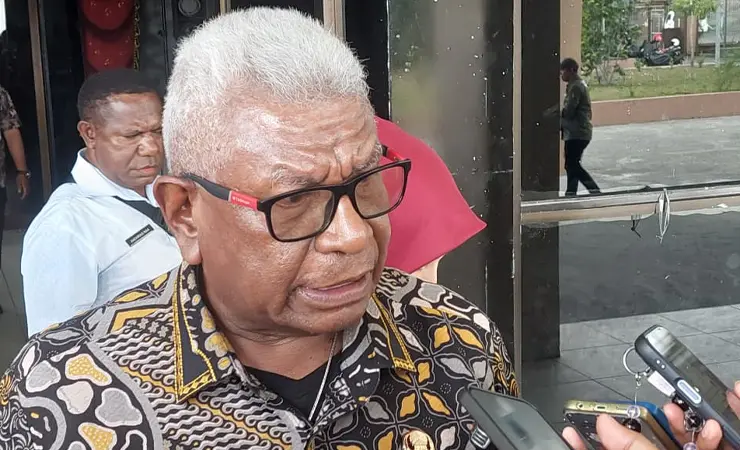
That is the context. On April 24, 2026 Regent Johannes Rettob announced a plan to deal with the problem. “Eradicating malaria in Mimika will not come from high technology and big announcements. It starts with a more basic approach.
The first step is to make sure people are taking their medication as prescribed.
A Familiar Problem, Still Hard to Break
Malaria has been around long enough in Papua that many communities have learned to live with it.
Not comfortably.
But consistently.
The environment makes it difficult to remove. Warm temperatures, standing water, and scattered settlements create conditions where mosquitoes continue to thrive.
Even as national targets shift towards elimination, areas like Mimika continue to grapple with the fundamentals.
The Issue With Treatment
Doctors and health workers often point to the same pattern.
People start medication.
Then they stop early.
Sometimes because they feel better. Sometimes because of side effects. Sometimes because access to follow-up care is not straightforward.
But when treatment is incomplete, malaria tends to return.
Not always immediately.
But often enough.
That is why local messaging has become very direct. Finish the medicine. Do not stop halfway.
Although it sounds simple, changing behavior is rarely easy.
Trying Something Different
There have also been efforts to test new approaches.
One of them involves higher-dose primaquine therapy, aimed at improving how effectively malaria is cleared from the body.
These kinds of trials are not dramatic on the surface.
They happen quietly, through health facilities and controlled programs.
But they signal a shift.
This shift represents a transition from maintaining the status quo to making necessary adjustments.
Working Closer to Communities
Another part of the strategy has been moving outside formal settings.
Health messages are not only delivered in clinics anymore.
They reach into neighborhoods, smaller gatherings, and local discussions.
Occasionally the conversations are informal.
Occasionally they are repeated more than once.
Because awareness, in this case, is not about hearing something once.
It is about remembering it when it matters.
A System That Needs to Keep Up
Beyond individuals, there is also the system itself.
Local health services have been trying to improve coordination, data tracking, and program evaluation.
These are not changes people notice immediately.
But they influence how consistent care becomes over time, leading to better health outcomes and increased patient satisfaction.
And consistency is often what determines whether progress holds.
The Environment Does Not Stay Still
Malaria control in Papua is also tied to environmental shifts.
Weather patterns change.
Rainfall varies.
Mosquito behavior follows.
This variability makes the situation less predictable than it might appear.
Programs have to adjust, sometimes quickly, sometimes gradually.
What Progress Looks Like Here
Success in Mimika will not look dramatic.
It will be quieter.
Fewer repeated cases.
More people completing treatment.
Health workers are seeing the same patients less often.
These are small indicators.
But together, they show movement.
Conclusion
The strategy for eliminating malaria in Mimika is not built around a single breakthrough.
In Mimika, it is more about persistence.
Repeating messages.
Adjusting methods.
Paying attention to what works and what does not.
If malaria eventually fades here, it will likely happen this way.
Gradually, and almost unnoticed at first.