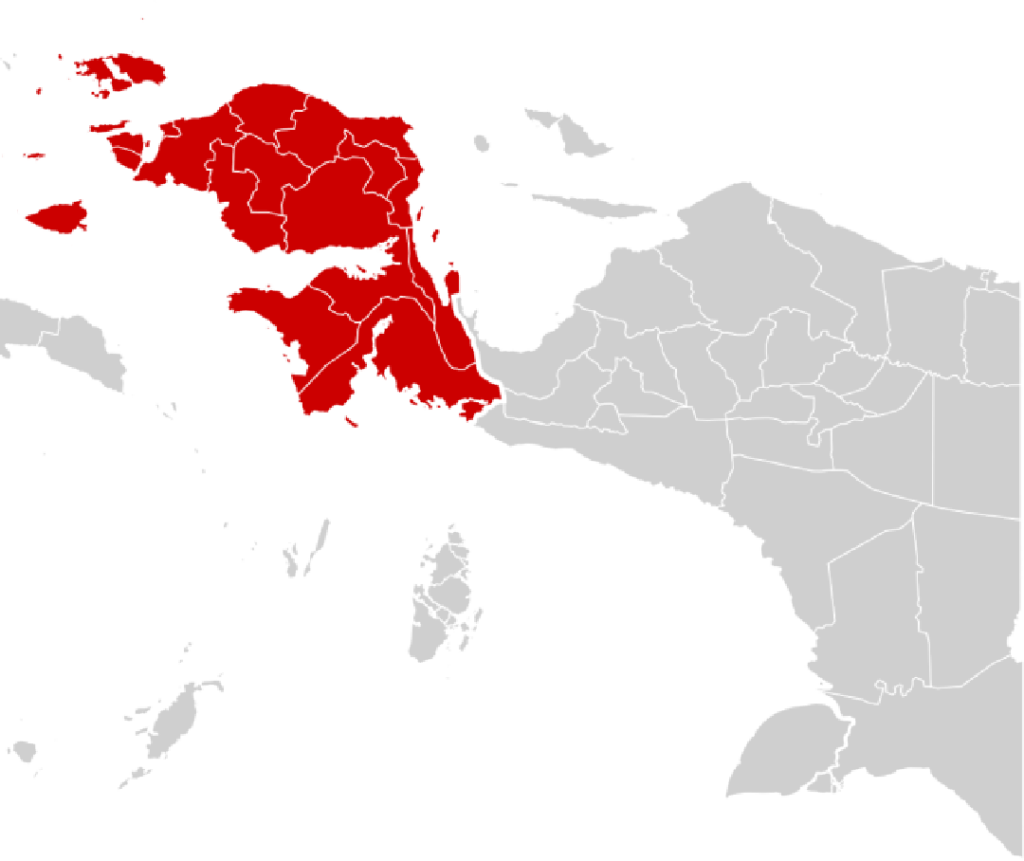
On February 11, 2026, a routine docking at Ahmad Yani Port in Ternate, North Maluku, led to a big step forward in protecting wildlife. Conservation officers and uniformed officers stood around piles of cages that had been taken from a passenger ship. Inside were dozens of scared, live animals that live in the forests of Papua. Their survival depends on the delicate balance of one of the world’s richest ecosystems.
This scene was the result of careful planning and cooperation between several Indonesian agencies. They were able to stop 114 Papuan endemic animals that had been illegally packed and prepared for smuggling to other markets. The operation was a big win for both law enforcement and conservation, but it also makes it clear how much danger Papua’s unique natural heritage is still in.
For environmentalists, local communities, and the government, this event was more than just a seizure. It was a rescue mission for living treasures and a stark reminder of the ongoing challenges in protecting Indonesia’s biodiversity.
A Secret Cargo Is Revealed
On that February morning, officers from the Ditpolairud Polda Maluku Utara (Water Police), Lanal Ternate (Naval Base), Balai Konservasi Sumber Daya Alam (BKSDA) Maluku Wilayah I, and the Karantina Kesehatan Ternate checked the cargo on the KM Sinabung, a passenger ship that had come from Manokwari, Sorong, and Bacan before arriving in Ternate. Authorities thought the ship was carrying more than just passengers and luggage based on intelligence reports and tips from worried citizens.
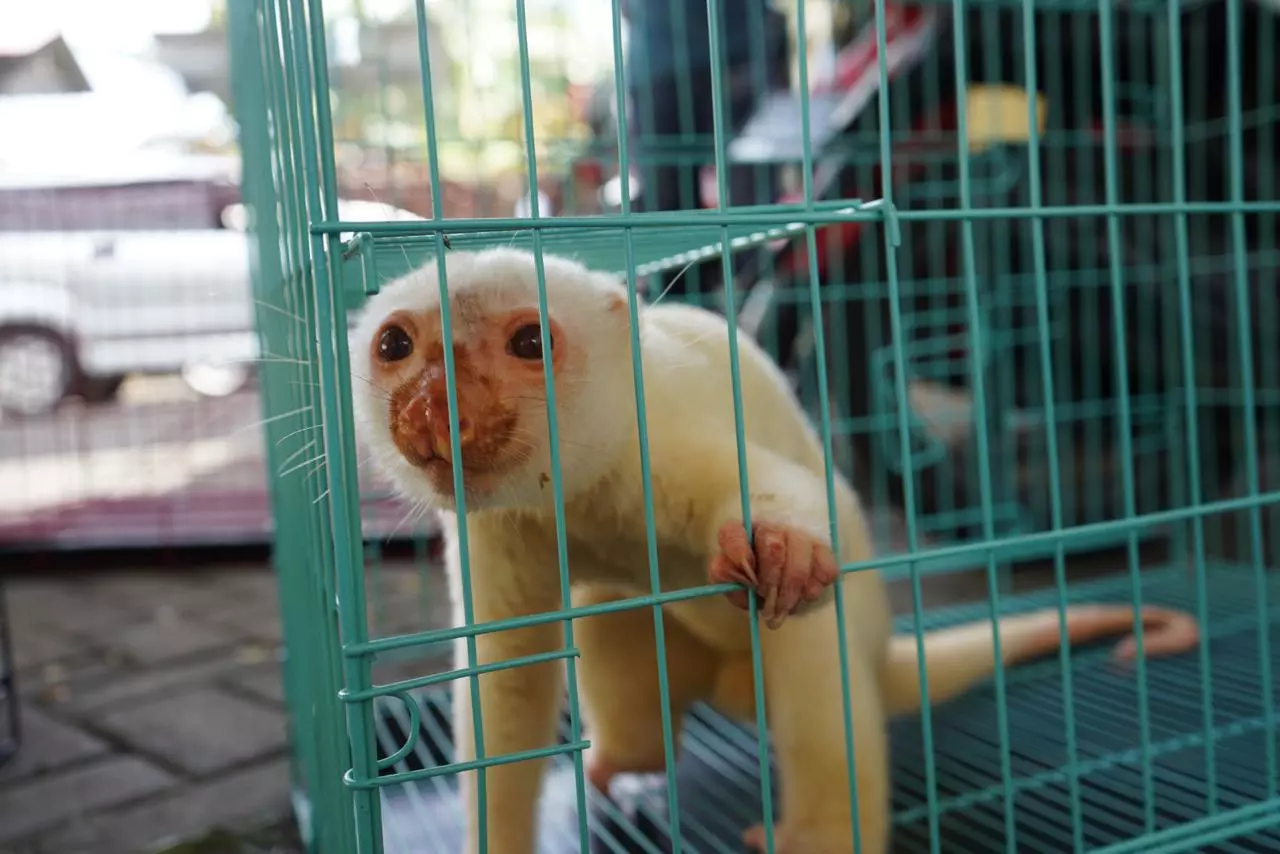
Officers opened cages that were stacked on top of other cargo and found a shocking mix of animals. The animals that were kept in cages were lizards, snakes, possums, and tree kangaroos. All of these animals are native to Papua’s forests and are protected by Indonesian law.
There were Papuan monitor lizards, forest monitor lizards, different kinds of constrictor and venomous snakes, kuskus (marsupials that live in trees), and tree kangaroos, such as the Dendrolagus ursinus, which is known for its unusual look and tree-dwelling lifestyle.
The way these animals were moved was not good. Some were too hot and too dry. Later reports said that 14 animals died because they were stressed and not taken care of well enough during the trip.
A Network Disrupted and Lives Saved
The police acted quickly. Two people who are thought to have been involved in the smuggling operation were taken into custody for questioning. Reports from local news say that police and wildlife officials were looking into the suspects to find out what part they played in this illegal business.
At the same time, the animals that lived were taken to BKSDA facilities, where wildlife veterinarians and caretakers began the long and difficult process of medical evaluation and rehabilitation. Each animal got its own care, with the most fragile ones getting the most attention.
For the little possums and tree kangaroos, this meant quiet enclosures, constant access to water and shade, and regular vet visits to keep an eye on dehydration and stress. As the keepers tried to figure out which animals could be safely returned to the wild, they looked for injuries and signs of trauma in the birds and reptiles. Officials made it clear that rehabilitation must be finished before anyone can go back into Papua’s forests.
The Bigger Fight Against Smuggling in Wildlife
The biodiversity of Papua is famous around the world. There are plants and animals that live in its forests, rivers, and mountain ranges that can’t be found anywhere else on Earth. Birds of paradise are famous for their colorful feathers and courtship dances, which draw attention from all over the world. Some animals, like tree kangaroos and monitor lizards, are very important to the environment because they help spread seeds and keep forests healthy.
But these same traits that make Papua’s animals special also make them targets for the illegal wildlife trade. Smugglers often catch animals to sell in city markets or to international collectors who want rare and exotic species.
For a long time, conservationists have said that smuggling throws off the balance of ecosystems. Taking seed dispersers like possums or certain birds out of the forest has an impact on how plants grow back, how the forest is built, and how species depend on each other. This can lead to a chain reaction of ecological decline over time.
The interception in Ternate shows how big the threat is and how important it is to keep an eye on things. Authorities thought that if the operation had gone on without being stopped, hundreds of animals crammed into small cages could have been sold across the islands or shipped out of the country. The successful action probably stopped populations that were already weak from getting weaker.
Law, Enforcement, and Protection in the Future
Indonesia has some of the strictest laws in Southeast Asia when it comes to protecting wildlife. Without the right permits, it is against the law to catch, move, trade, or sell protected animals. The state is committed to protecting biodiversity, so people who break the law face jail time and big fines.
Investigators plan to take legal action based on evidence collected during the Ternate interception. To build a case that might reveal larger smuggling networks, authorities have gathered testimony, reports on the condition of the animals, and custody of the suspects. Law enforcement wants to break up the supply chains that make wildlife smuggling possible, in addition to punishing those directly involved.
Officials also stressed how important it is for people in the community to be aware of and involved in conservation efforts. Police stations and schools across eastern Indonesia are working to improve programs that teach people about protected species and the consequences of breaking the law.
People’s Stories in the Operation
For a lot of the people who took part in the raid, it was a very personal experience. People on the joint task force talked about how they felt when they first saw the crowded cages full of scared animals. One officer, who grew up in Papua, remembered how the colorful songs of birds of paradise filled the air as he grew up. He said that walking through the cages that day made him sad and gave him strength.
Local volunteers who helped care for the animals said they worked late into the night to help animals that were dehydrated and stressed. One young conservation assistant said that when he was feeding a small tree kangaroo, it grabbed his finger. He said this was “a reminder that these are living beings, not commodities.” These stories make what could be a boring enforcement report more interesting.
A Message to Smugglers and Communities
Officials have made it clear that smuggling animals will not be tolerated. The publicized interception is both a warning and a reminder of what will happen if you break conservation laws. But the action also gives people hope. It shows that even big smuggling operations can be stopped when government agencies, local communities, and conservationists work together.
People in Papua and all over Indonesia are encouraged to report any suspicious activity related to the wildlife trade. To protect biodiversity and make sure ecosystems stay healthy for future generations, we need to work together like this.
A Look at the Future
The animals that were saved may be able to get better and go back to the forests of Papua. This possibility gives conservationists hope because they see each animal as a thread in a bigger ecological tapestry.
If they are released successfully, these animals would go back to their homes in the forest, where they would help keep food webs, habitat diversity, and cultural values tied to nature alive.
It was more than just stopping a crime when 114 Papuan endemic animals were caught on February 11, 2026. It showed how police and conservationists can work together to protect the most fragile animals in nature. It reminded everyone that even though threats are still there, so is the determination to protect Indonesia’s natural heritage.