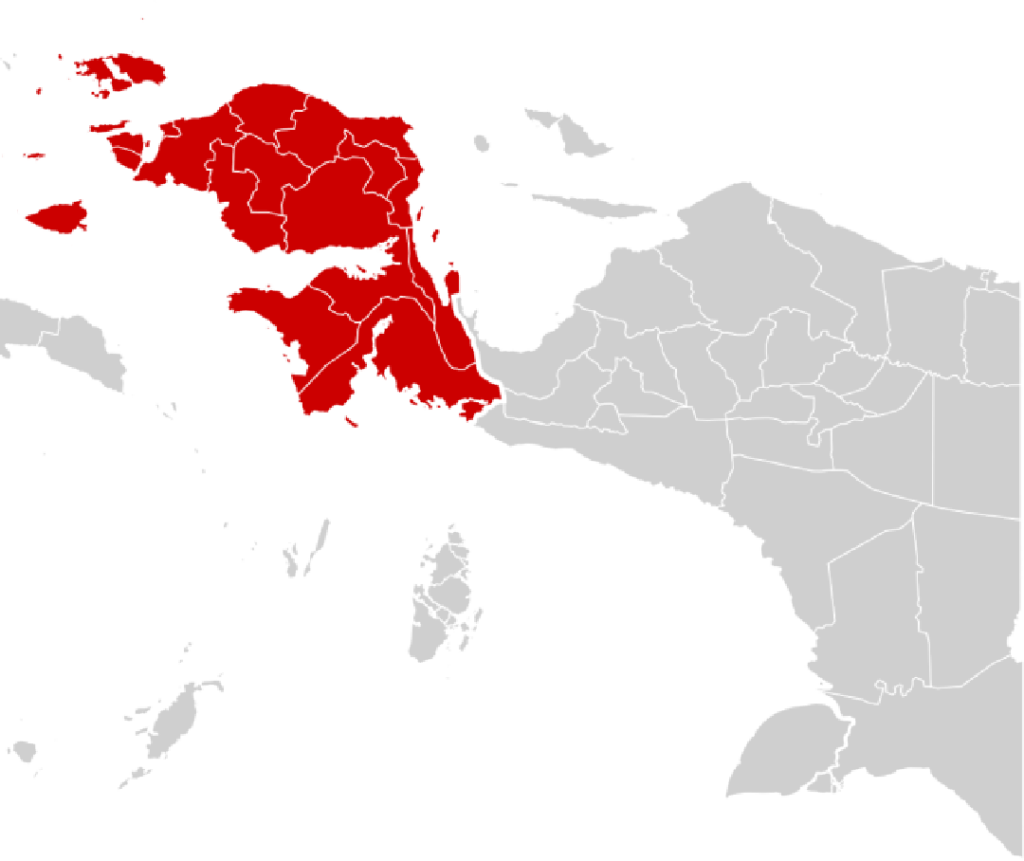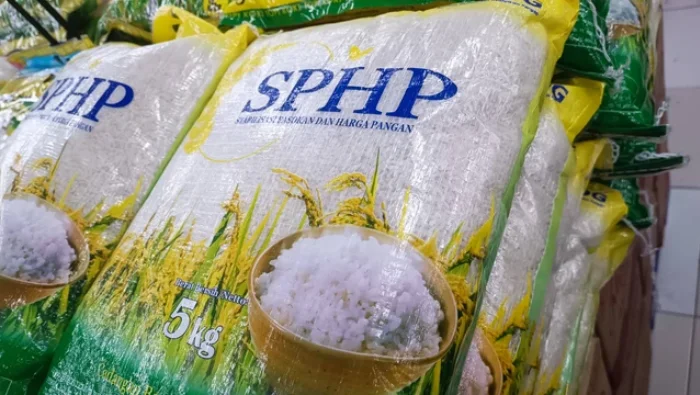
As the holiday season approached in late December 2025, residents across Papua began to feel pressure in their daily lives long before the carols had started and the streets were lit. Prices of basic food staples, especially rice, were rising faster than many families expected. In a region where dependence on rice as a central element of daily meals runs deep, the impact of such price shocks can stretch far beyond individual budgets. For those who already struggle to make ends meet, the prospect of paying more for a basic staple threatened to overshadow what should be a season of communal joy.
Responding to growing public concern and early signs of price escalation, Indonesia’s logistics agency BULOG (Badan Urusan Logistik) stepped in with a decisive and substantial measure. On December 22, 2025, BULOG, in coordination with regional authorities, announced the dispatch of 1,200 tons of affordable rice to Papua, aiming to stabilize food prices and ensure that families could access essential nutrition at a predictable cost through the holiday period. The program was timed strategically to cushion the impact of seasonal price volatility often associated with increased demand during Christmas and New Year celebrations.
This delivery, one of the largest in recent memory for Papua, encapsulated both the complexity of food logistics in eastern Indonesia and the weight of public policy in ensuring economic stability. It also reflected broader systemic efforts to protect consumers in areas that are geographically distant from major production centers and therefore more vulnerable to supply chain disruptions and price spikes.
Rising Prices and Growing Concerns Across Papua
As December wore on, reports from markets and retailers across Papua began to show clear signs of rising prices for staple foods. Among the commodities under pressure, rice stood out as particularly volatile. Prices were growing due to a combination of factors. Seasonal demand naturally rises toward the end of the year as families prepare for celebrations, and supply routes to Papua are longer and more costly than those to Java or Sumatra. Transportation challenges, port logistics constraints, and increased local demand collectively created upward pressure on food prices in open markets.
In many communities throughout Papua, particularly in smaller towns and villages, rice is not just food. It’s the centerpiece of meals, celebrations, and communal gatherings. When its price climbs sharply, families must choose between spending more of their limited income on essential calories or cutting back on other necessities. In some border areas where income levels are lower and access to goods is harder, the situation can quickly become acute.
Local leaders and consumer advocates began to raise the alarm, calling on authorities to monitor prices more closely and to step in sooner rather than later. The concern was not just economic but also social. Papua has often battled food security issues because of its challenging geography and the added cost of transporting goods over long distances. As a result, communities in the region are highly sensitive to price shocks, especially during festive seasons when consumption naturally increases.
BULOG’s Strategic Response: Affordable Rice Distribution
Faced with these conditions, BULOG moved swiftly to avert a broader price crisis. The agency, which is tasked with stabilizing food supplies and ensuring affordable access to staples like rice, announced the delivery of 1,200 tons of affordable rice to Papua. The supplies were sourced from central reserves and dispatched to local distribution points in collaboration with law enforcement and military units, including the local Police (Polres) and Military District Commands (Kodim) in Papua. This approach reflected an integrated effort to ensure both logistical precision and community trust.
The affordable rice was priced below prevailing market rates, sometimes significantly so, depending on location and supply conditions. By releasing reserves at subsidized prices, BULOG provided immediate relief to consumers, making staple food more accessible while also signaling that authorities were actively monitoring and responding to food security challenges.
According to BULOG officials, this intervention served two purposes. First, it directly increased the availability of rice in local markets at controlled prices. Second, it acted as a price anchor in the face of speculation and extreme price fluctuation that can occur when supplies are expected to tighten during holiday periods.
Wide distribution was planned, ensuring that the rice reached locations where demand was both high and expected to surge. Sellers participating in the affordable rice program were directed to offer rice at prices that would assist low- and middle-income families while also easing the inflationary impact of seasonal demand.
Collaborative Delivery to Local Communities
Importantly, the program was not designed as a top-down distribution alone. BULOG coordinated with local enforcement agencies and community representatives to oversee distribution points and ensure that affordable rice reached as many households as possible. Police units and the Indonesian military helped ensure orderly distribution, preventing hoarding and ensuring equitable access across communities.
In Papua’s rugged and scattered geography, such coordination was essential. Rural districts and interior regions often have limited access to central markets, so delivery routes had to be planned carefully in advance. Some rice shipments reached distribution points by sea, others by land routes that wind through mountainous terrain. The logistical challenge of moving 1,200 tons of rice in a matter of days was formidable, requiring close cooperation among government agencies, logistics specialists, and local partners.
Authorities also urged citizens to participate responsibly. They asked shopkeepers to sell the subsidized rice at designated affordable prices and called on residents to refrain from hoarding or reselling the supplies at higher rates. In markets across Papua, particularly in districts and sub-districts linked to urban centers like Jayapura, Timika, and Merauke, the affordable rice distribution offered both a practical benefit and a psychological reassurance that the government was actively supporting economic stability.
Mitigating Seasonal Price Pressure
While rice supply and pricing are influenced by national production levels and broader global markets, local price movements can be especially volatile in regions like Papua, where supply chains are long and infrastructure is less developed. Seasonal festivals such as Christmas and New Year often coincide with increased demand for staple foods, pushing traders to hold out for higher prices or causing temporary shortages that amplify price jumps.
By injecting a substantial quantity of affordable rice into the local market, BULOG proactively aimed to counter those seasonal pressures. The strategy was part of a broader seasonal resilience plan that the government deploys each year, but the scale of the 1,200-ton delivery underscored the seriousness with which authorities viewed the early signs of price escalation.
Experts in agricultural economics have long argued that preventive measures such as strategic supply releases can be more effective at stabilizing markets than reactive policies implemented after prices have already spiked. In this regard, Indonesia’s food security apparatus leveraged both its stock reserves and its institutional capacity to act before the worst of the seasonal surge took hold.
Reflections from Local Markets and Families
In markets across Papua, the affordable rice deliveries were met with visible relief. In one busy bazaar on the outskirts of Jayapura, families lined up at stalls where subsidized rice was being sold at controlled prices. Parents with children in tow spoke about how the price relief would make a difference in their household budgets. One mother explained that while she had set aside funds to buy rice at any price she could afford, the subsidized rice allowed her to reallocate money toward school fees and medicine for her elderly parents.
In another community in the highlands of Papua, a small shopkeeper noted that prior to the BULOG distribution, the price of rice had climbed rapidly, making it harder for customers to buy even basic quantities. The arrival of subsidized rice, he said, had brought a sense of calm and reassurance. Customers felt more confident that they could celebrate the holidays without having to stretch their money beyond its limit.
These personal stories underscored a broader truth about the role of affordable food supplies: they do more than fill stomachs. They help stabilize family finances, reduce anxiety about the future, and uphold dignity by ensuring that families can feed themselves with dignity during significant cultural and religious celebrations.
Systemic Challenges in Papua’s Food Supply
Papua’s food price dynamics are influenced by multiple structural factors that go beyond seasonal fluctuations. The province’s geography, which includes isolated highlands and islands separated by water, poses inherent challenges to efficient distribution. Many communities must rely on food that is transported over long distances, leading to higher transport costs that are ultimately passed on to consumers.
In addition, infrastructure gaps such as limited storage facilities and road networks exacerbate the cost and complexity of managing food supplies. During extreme weather events or logistical disruptions at ports, the flow of goods can see unexpected delays, triggering localized shortages and price spikes.
These structural challenges are familiar to public officials, NGOs, and community leaders throughout Papua. They have been the subject of policy discussions for years, and while efforts to improve infrastructure and strengthen local agricultural production continue, short-term interventions like the BULOG rice distribution remain a necessary complement.
Government Commitment and Future Expectations
Government officials emphasized that the 1,200-ton affordable rice distribution was part of a broader policy to ensure food security and economic resilience. The Ministry of Agriculture, BULOG, and regional governments all played roles in planning and executing the delivery. By acting collectively, authorities aimed to demonstrate that food price stability is a shared responsibility that requires proactive coordination.
In public statements, BULOG representatives reaffirmed that the agency is prepared to continue monitoring food prices in Papua and other vulnerable regions. If necessary, authorities indicated that similar operations would be undertaken to stabilize markets, especially in times of heightened demand or unexpected supply disruptions.
Analysts noted that while temporary supply injections help stabilize prices in the short term, long-term solutions require investments in local production, storage infrastructure, and transportation networks. Strengthening agricultural extension services and supporting local farmers to increase production of staple crops such as rice were also highlighted as complementary strategies.
The Broader Context of Rice Pricing in Indonesia
Nationally, rice pricing remains a sensitive political and social issue in Indonesia. Rice is the principal source of carbohydrate for the majority of Indonesians, and its affordability is closely tied to public satisfaction, especially among low-income households. The government has a long history of managing rice stocks through BULOG and utilizing buffer stocks to prevent extreme price volatility.
The seasonal distribution of affordable rice aligns with periodic interventions that the government has carried out in other regions, particularly in eastern provinces and in areas where price inflation tends to be more pronounced. What distinguishes the Papua distribution in 2025 is its timing and scale, coming just as holiday demand was increasing and local prices were showing early signs of significant upward movement.
By stepping in early, authorities in Indonesia demonstrated a willingness to act in anticipation rather than in reaction to market stress. It was a policy choice that acknowledged the unique vulnerabilities of regions like Papua and the broader national interest in maintaining food price stability.
Conclusion
As Papua moved through the holiday season, the affordable rice distribution helped to temper price inflation and reduce economic anxiety among families preparing for Christmas and New Year celebrations. The 1,200-ton shipment was not a cure-all for every structural challenge, but it served as a strong symbol of government responsiveness and a practical measure that eased daily life for many.
In the weeks following the delivery, market observers noted that price spikes had moderated, even as demand remained elevated. For families, shopkeepers, and small vendors across Papua, the distribution offered a reminder that in times of economic stress, coordinated public policy can make a tangible difference.
The 2025 holiday rice distribution by BULOG will likely be remembered not only for its immediate impact but also as a case study in how targeted food security interventions can work when they are timely, collaborative, and grounded.