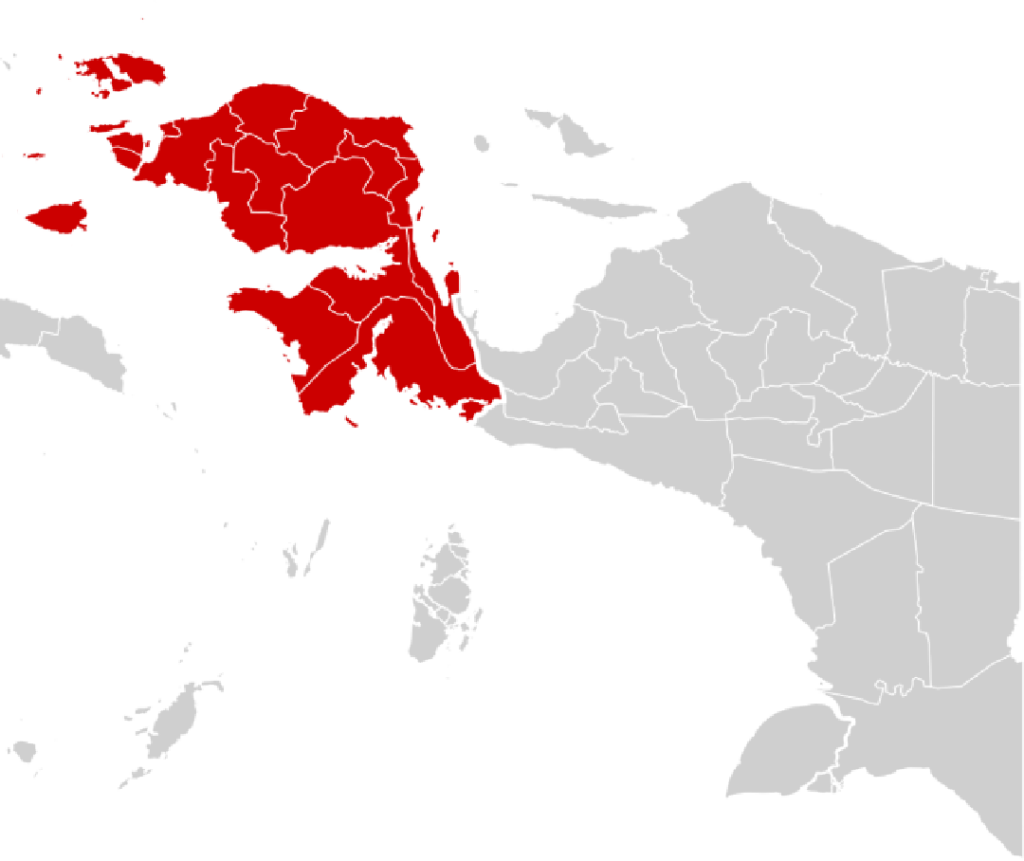
A convoy of cars slowly made its way along a mountainous road called MP 50 in Tembagapura, Mimika Regency, Papua Tengah (Central Papua) Province, on the morning of February 11, 2026. This was in the operational area of PT Freeport Indonesia. The air was thin, the ground was rough, and security escorts were common in an area that had seen sporadic armed violence for a long time.
What started out as a normal flow of cars quickly turned deadly.
Gunfire could be heard coming from the highlands nearby. There was a lot of panic in the convoy. Security staff came to help, trying to keep the area safe and protect workers and civilians. Sertu Arifin Cepa, an Indonesian National Armed Forces member, was shot and killed in the exchange that followed. Sertu Arifin Cepa lost his life while performing his duties, a significant distance from his hometown and family.
The armed separatist group TPNPB OPM is responsible for the attack, which once again showed how weak security is in Papua’s strategic economic zones. In addition to the immediate tragedy, the incident highlights larger worries about how ongoing violence affects the economy, social stability, and public trust in one of Indonesia’s most resource-rich areas.
A Convoy Became the Target
Official reports say that the convoy in Tembagapura was made up of working vehicles that were connected to PT Freeport’s mining operations. Because of past events in the area, security forces always go with these kinds of movements. The mountains provide natural cover, which makes ambushes a constant danger.
As the cars got closer to Mile Post 50, gunfire came from higher ground. Security officers tried to respond and protect the convoy. During the fight, Sertu Arifin Cepa was hurt badly and died.
Later, officials said that the attackers were thought to be members of TPNPB OPM who ran away into nearby forests. Security forces were sent out to find the people who were responsible.
The attack brought back memories of past problems for people who work in the area. A lot of them don’t live in the area. They go to Mimika to work and send money home to their families in other parts of Indonesia. Safety is not just a theoretical concern for them. It decides if they can work and get home safely.
The Man Who Wears the Uniform
There is a person behind every uniform. Sertu Arifin Cepa was more than just a number in a security report. He was a soldier who had spent years serving his country. Friends said he was quiet and disciplined, and he didn’t complain much about hard work.
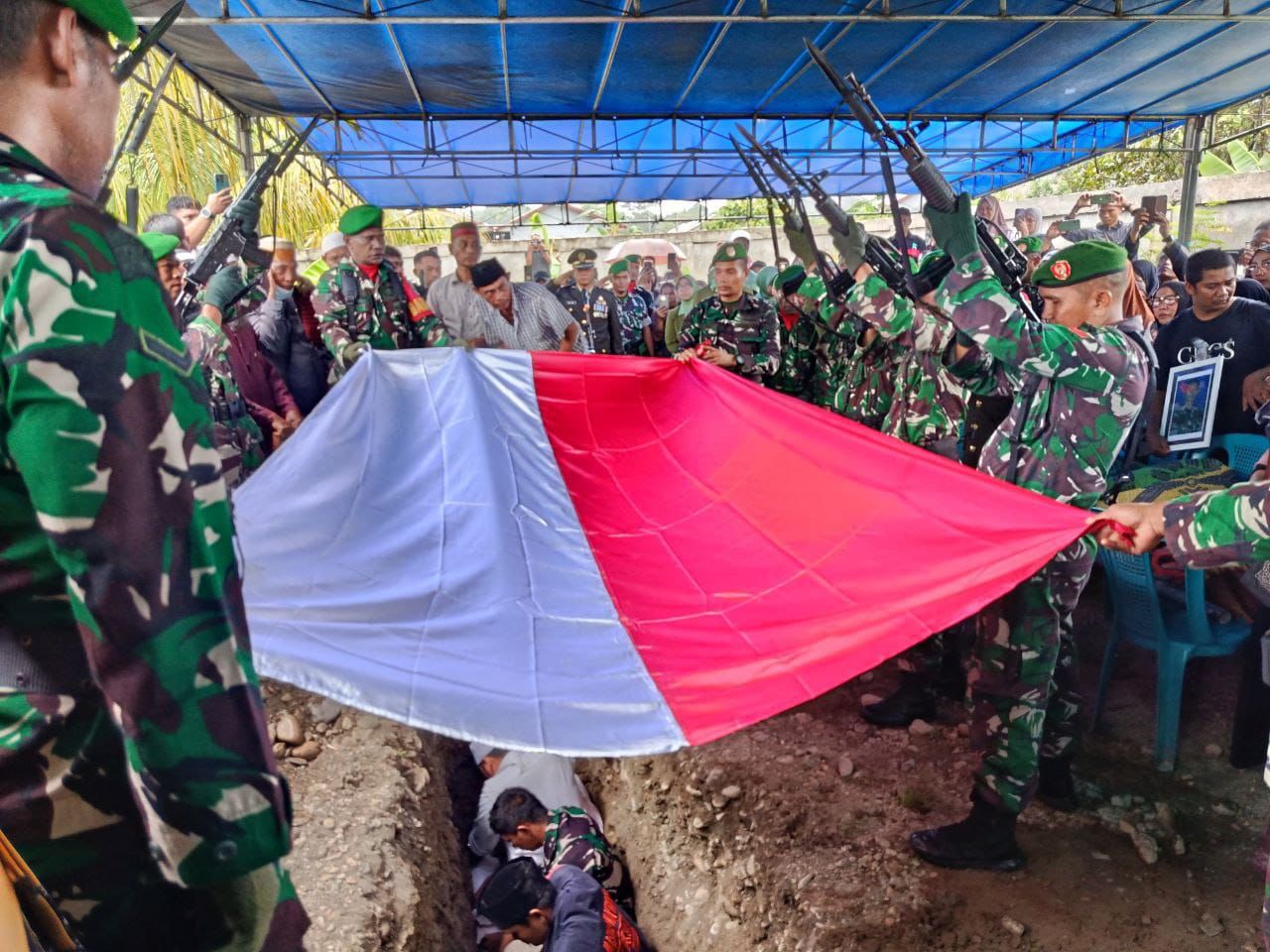
After the event, his body was brought back and buried with full military honors. The ceremony was serious, with flag draping and gun salutes. Family members cried quietly while other soldiers stood at attention around them.
His death adds to the list of security personnel who have died in violence related to the conflict in Papua. Every news alert makes families of soldiers stationed in dangerous areas nervous.
One coworker remembered that Arifin often talked about his kids and hoped they would grow up in a peaceful Indonesia. His job included going to Papua. It was also part of a larger mission to keep important economic areas safe.
Freeport and Papua’s Economic Pulse
The attack’s location is not random. Mimika’s PT Freeport mining area is one of Indonesia’s most important economic areas. The Grasberg mine complex makes a lot of money for the country by mining copper and gold.
The stability of operations in this area is important to thousands of workers, contractors, and people who live there. When violence stops transportation or production, the effects go beyond Mimika.
Things that need to be delivered are late. Families of workers become worried. Markets go up and down. Local businesses that depend on mining-related work are feeling the pressure.
The economy in Papua is very dependent on security conditions. Attacks on operational convoys or workers make investors less confident and raise operational costs.
A Pattern of Terror
This most recent attack is part of a pattern of armed attacks in Papua that have targeted security personnel and economic infrastructure. In the last few years, there have been ambushes, shootings, and attempts to sabotage in the area.
Every event makes people in the area more worried because they want things to go back to normal. When instability rises, it has an indirect effect on teachers, healthcare workers, traders, and students.
Security experts say that attacks in economic zones often try to get attention and hurt important industries that the government supports. But the victims are real people, not just ideas. They are people like Sertu Arifin Cepa, civilians in convoys, and local workers who are just trying to make a living.
The Effect on Communities’ Social Life
People in Mimika and the surrounding areas are careful when they talk about security issues. Many people depend on Freeport’s economy for jobs or chances to start their own businesses. Gunfire in the hills sends shockwaves through neighborhoods.
Parents are worried about their kids going to school. Vendors are hesitant to move goods. Local transportation companies change routes or stop services for a short time.
A shop owner near Tembagapura said that sales drop after each attack because workers stay inside or stay away from certain areas. “We want peace so we can work,” he said in a low voice.
For indigenous people who live near operational zones, things are complicated. Some people want to be included in the economy and see improvements in infrastructure. Some people are worried about land rights and the environment. Violence makes it harder to talk to each other and makes people less trusting.
Security Response and Investigation
After the attack, Indonesian security forces stepped up their patrols in the Tembagapura area. Search operations moved into wooded areas where the suspects were thought to have gone to hide.
Officials emphasized that efforts would focus on protecting civilians and maintaining operational continuity while pursuing those responsible.
The government said again that attacks on security personnel and civilian infrastructure would not stop efforts to stabilize the area.
Visible patrols give residents some peace of mind. But a lot of people also hope that long-term peace efforts will deal with the problems that are causing the tensions.
National Reaction
Indonesian media quickly spread the news of Sertu Arifin Cepa’s death. Political leaders sent their condolences and promised to keep supporting security forces in dangerous areas.
Officials in parliament and in public statements stressed the importance of protecting important national assets while putting the safety of civilians first.
People still have different opinions about whether to use stricter enforcement measures or more open dialogue. What many voices have in common is that they all agree that violence hurts development goals.
The Price of Instability in the Economy
Papua’s growth depends a lot on building more infrastructure, managing natural resources, and helping local businesses grow. These efforts are in danger because major economic zones are unstable.
International investors pay close attention to security conditions. When attacks happen, insurance premiums go up. Higher security needs raise the costs of logistics.
It’s not just businesses that are at risk; everyday workers are too. Truck drivers, mechanics, engineers, and service providers work in places where violence can happen at any time.
Stable economic growth gives young Papuans looking for work a chance. Disruption slows hiring and delays projects that could generate local income.
A Wider Context
Papua’s past is full of complicated political, social, and economic issues. Armed groups say they are doing it for political reasons. The state claims sovereignty and stresses growth.
Ordinary people who want stability are stuck between stories. They want roads that work, schools that stay open, and workplaces that aren’t scary.
Sertu Arifin Cepa’s death shows how much people can suffer when conflicts are not resolved.
Honoring a Dead Soldier
At his military funeral, his coworkers stood in silence to honor him. The ceremony was a way for the whole country to honor sacrifice. But there are still questions about how to stop more deaths from happening in the future.
For his family, the loss is real and will last forever. It makes other soldiers more aware of the risks. For people who live in Mimika, it’s another reminder of how quickly everyday life can turn into something terrible.
Looking Ahead
Authorities are still looking into what happened and doing security work in the area. PT Freeport has followed operational rules while working with security forces.
Leaders in the area ask people to stay calm and not let fear get the best of them.
The broader challenge lies in balancing security enforcement with long-term strategies aimed at addressing root causes of unrest.
Conclusion
The attack in Tembagapura that killed Sertu Arifin Cepa is more than just a security issue. It is a clear example of how violence in Papua hurts the economy, social stability, and people’s lives.
Families all over Indonesia hope that the area can become more peaceful as investigations continue and patrols get stronger.
Papua has a lot of economic potential. The people in its communities are strong. But stability is still the base on which development must stand.
In the hills of Mimika, where trucks drive along winding roads under watchful peaks, the memory of a soldier who died there still lingers. His story is one of many in a region that is still looking for peace that will last.