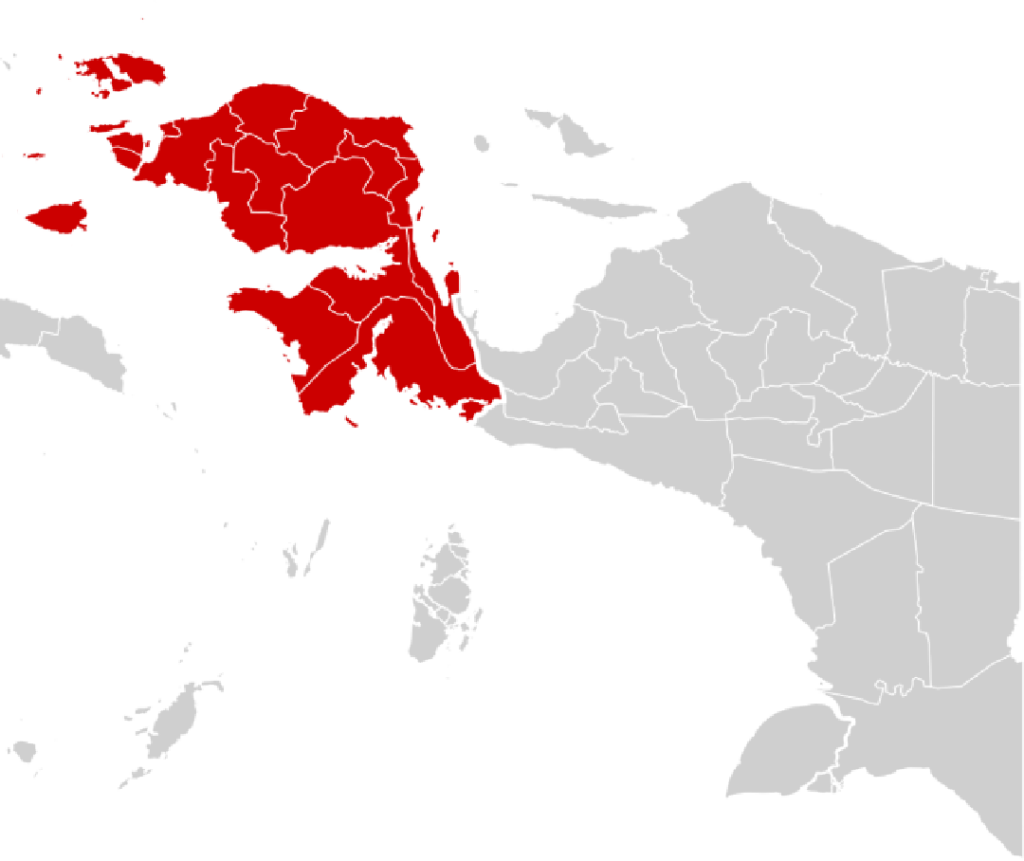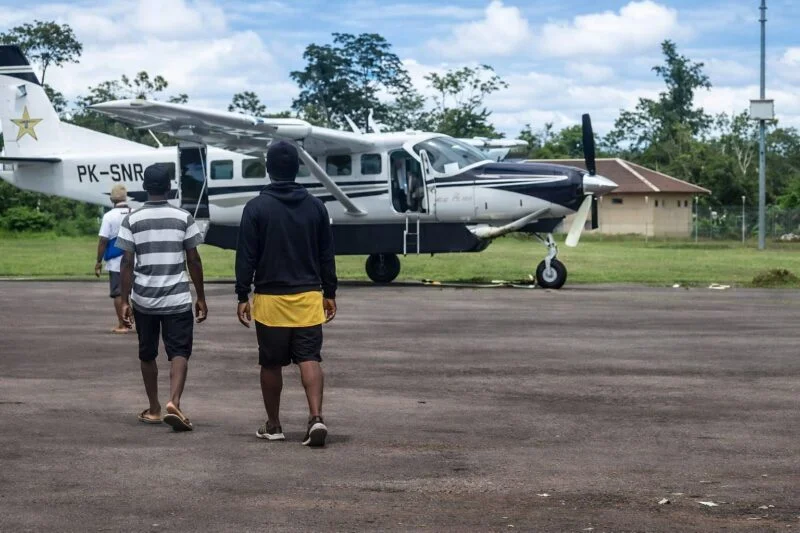
On February 11, 2026, at 10:05 AM, at Korowai Airstrip in Boven Digoel, Papua Selatan (South Papua), what should have been a normal landing turned into a catastrophe. A Smart Airplane (PK-SNR) from PT. Smart Air Aviation with 13 passengers, most of whom were civilians who relied on air travel as their only option to get in touch with the outside world, was getting ready to land. Gunfire broke out just a few minutes after landing. The plane was hit. Things became crazy after that.
Captain Egon Irawan and co-pilot Captain Baskoro had both died by the time the gunfire ended. The 13 passengers lived, but they were frightened. The incident sent shockwaves through Papua and beyond, bringing up once more the critical need to think about how safe civil aviation is in areas afflicted by conflict.
The armed separatist group TPNPB OPM is being blamed for the attack by the authorities. For a lot of Indonesians, especially those who live in remote areas of Papua, the shooting in Korowai wasn’t a unique event. It was part of a scary pattern. Civil aviation, which is a lifeline in areas with mountains and forests, has become a bigger target.
A Lifeline Under Attack
In Papua, planes are not a luxury. They are necessary. Air travel is necessary because there are huge areas of jungle, steep mountain ranges, and few roads. Small planes routinely bring food, teachers, medical supplies, and government staff to remote areas. For a lot of people, the sound of a jet landing means connection, not conflict.
That day, the Smart Air flight was doing a normal job. Reports say that gunshots hit the plane as it was landing. Even though the plane was attacked, the crew was able to land it safely enough for the passengers to get out. The pilots died.
People who lived nearby said it was terrifying to hear gunfire near the airstrip. Some people hurried to the jet to help the people inside. Some people hid out of terror. The airstrip, which is usually a sign of hope and freedom, became a place of sadness.
People in Indonesia quickly lamented the loss of Captain Egon Irawan and Captain Baskoro. Both were called dedicated professionals who knew how dangerous it was to fly in difficult terrain. They opted to serve routes that many others didn’t want to since they realized that communities needed them.
A History of Violence Against Civil Aviation
The Korowai incident is part of an increasing trend of violence against civil aviation in Papua.
One of the most talked-about examples was the kidnapping of Phillip Mark Mehrtens, a New Zealand pilot who worked for Susi Air. Mehrtens was held hostage in the Paro District of Nduga Regency, Papua Pegunungan (Papua Highlands) Province, just after he landed on February 7, 2023. He was held captive for more than a year, until he was freed on September 21, 2024.
The world kept a close watch on Papua while he was in captivity. Governments, humanitarian groups, and individuals in the aviation industry closely monitored the situation. The kidnapping messed up important services for people in the area. There were no more flights. It was harder to get supplies. Fear spread.
On August 5, 2024, another tragedy happened. Glen Malcolm Conning, a helicopter pilot from New Zealand, was killed in Alama District, Mimika, Papua Tengah (Central Papua) Province. His death made it clear how dangerous it is for pilots who work in isolated areas.
These events show a worrying pattern when taken together. There is a bigger security conflict going on that civil aviation has gotten caught up in. Pilots, planes, and passengers who are not involved in political fights have been put in danger.
The Cost to People
There is a very personal story behind each headline. Captain Egon Irawan was more than just a name in the press. He was a son, a coworker, and a professional with years of training and experience. Captain Baskoro had duties and contacts outside of the cockpit as well.
People who work in aviation in Papua typically have families that are quietly worried. They realize that the land is hard to get around and the weather is unpredictable. But they don’t think there will be gunshots.
One coworker said that Egon was calm under pressure and thought that serving rural routes was a way to help. He is alleged to have once declared that flying into remote areas meant helping kids obtain school supplies and patients get to hospitals.
The 13 people who survived the Korowai attack will always remember what happened. Some were going to see family. Some people were moving things. Everyone got on the plane expecting a normal trip.
Fear and Its Effects
Security experts say that assaults on commercial aviation are meant to scare people and get their attention. But the effects are often worst for the people who live there. When airlines stop flying to certain places because of safety concerns, villages become even more cut off. Prices of things go up. Healthcare and education become harder to get.
Shutting down planes can effectively block off whole districts in areas where there aren’t many roads.
The Korowai shooting has been called an act of terror against citizens by the Indonesian government. Officials have promised to make airstrips that are easy to attack safer and make sure that air travel can continue.
For the government, keeping civil aviation safe is more than just keeping the transportation system running. It is about protecting the lifeline of growth.
Aviation as a Neutral Space
When civil aviation neutrality is broken, it sends a bad message.
The targeting of pilots like Phillip Mark Mehrtens and Glen Malcolm Conning, as well as Indonesian pilots Egon Irawan and Baskoro, shows how rapidly neutrality can break down in war zones.
Historically, aircraft has been a way to help people in Papua. For decades, missionary flights, medical evacuations, and cargo deliveries have helped communities. Making planes into targets might hurt that legacy.
Safety and Trust in the Community
After the Korowai incident, security personnel stepped up patrols around important airstrips. Government officials stressed that steps would be taken to stop similar acts from happening again. Aviation authorities looked over the rules and worked with people in the area.
But patrols alone won’t bring back trust. People in communities need to feel safe. Pilots need to know that the routes are safe. Airlines need to trust that their crews are safe.
Local leaders in Papua Selatan have called for better cooperation between the government and communities, saying that civilians shouldn’t have to deal with the effects of armed conflict.
International Interest and Diplomatic Care
Attacks against aircraft in Papua get a lot of attention from around the world since some of the victims have been foreign nationals. When citizens of a country are implicated, that country will always respond with care.
The kidnapping of Phillip Mark Mehrtens led to diplomatic talks between Indonesia and New Zealand. People all over the world were happy when he was finally released, but his protracted imprisonment showed how weak airline workers are.
The death of Glen Malcolm Conning also brought up concerns regarding safety guarantees for foreign pilots flying in rural parts of Indonesia.
The Korowai shooting, which killed Indonesian pilots, shows that being from a certain country doesn’t keep you safe.
A Call to Protect Civilians
Civil society groups in Indonesia have said again that civilians should not be targeted. No matter what political issues you have, hurting non-combatants is wrong and hurts the communities that are at the heart of the war.
In Papua, where there are still big gaps in development, the end of air travel makes things even worse.
Teachers had to fly to get to school. Air travel is how healthcare professionals get immunizations. Families need planes to remain in touch.
These networks shake every time an airplane is attacked.
Looking Forward
The losses of Captain Egon Irawan and Captain Baskoro will always be a sad part of Papua’s aviation history. Their coworkers keep flying, knowing the hazards but wanting to help people in remote areas.
Officials have promised to find those guilty and make security stronger. Communities have shown support for the families of the victims.
The bigger problem is making sure that airstrips in Papua become symbols of connectedness again instead of war.
Conclusion
The shooting at Korowai Airstrip was not only a one-time act of violence. It was a powerful example of how weak civil aviation is in areas afflicted by war. There has been a worrying sequence of events, from Phillip Mark Mehrtens’s extended imprisonment to the killings of Egon Irawan and Baskoro, and now Glen Malcolm Conning’s death.
Papua relies on planes for transportation; therefore, protecting civil aviation is a must. It is necessary for survival, growth, and respect.
Families all around Indonesia pray that no more pilots will board aircraft that end in tragedy as investigations continue and security measures get stronger. The skies over Papua need to be safe again, not scary places.