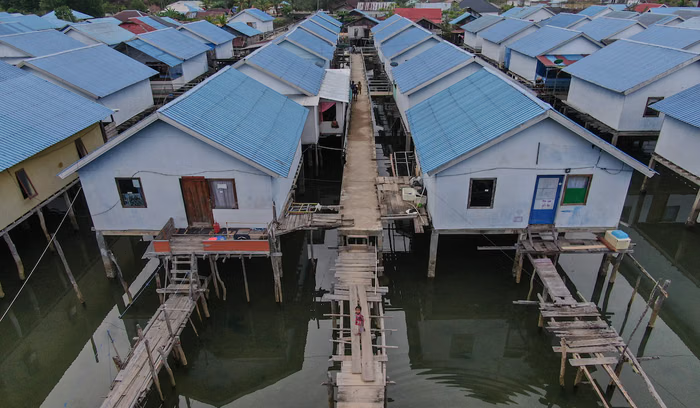
Every morning, before the sun comes up, a group of fishermen gathers on the calm beach of a little coastal village in Papua. The boats bob on calm waters while the fishermen get their nets ready by fixing threads that have been worn down by salt and time. Women wash containers nearby, while kids run around on the sand, laughing as the sea breeze carries their laughter.
For years, families like these have made a living by fishing in the ocean. The sea has been a source of food, a place to learn, and a way to get help for villages along Papua’s long coast. But even if the waterways bring a lot of income, the people who depend on them have traditionally been on the verge of prosperity. Their catch feeds their family, but they don’t make enough money to cover more than their basic requirements. Costs of transportation and limited access to markets cut into revenues. People still utilize traditional fishing gear because new options are too pricey. A lot of the time, education and health services are out of reach.
To deal with these problems, the Indonesian government is putting money into a big plan. On February 11, 2026, the Ministry of Marine Affairs and Fisheries (KKP) announced intentions to make the Kampung Nelayan Merah Putih program much bigger and better in Papua. The goal is to make coastal communities stronger and improve the lives of those who live on the shore. The program helps fishing villages all around the archipelago and appeals to both national pride and economic growth.
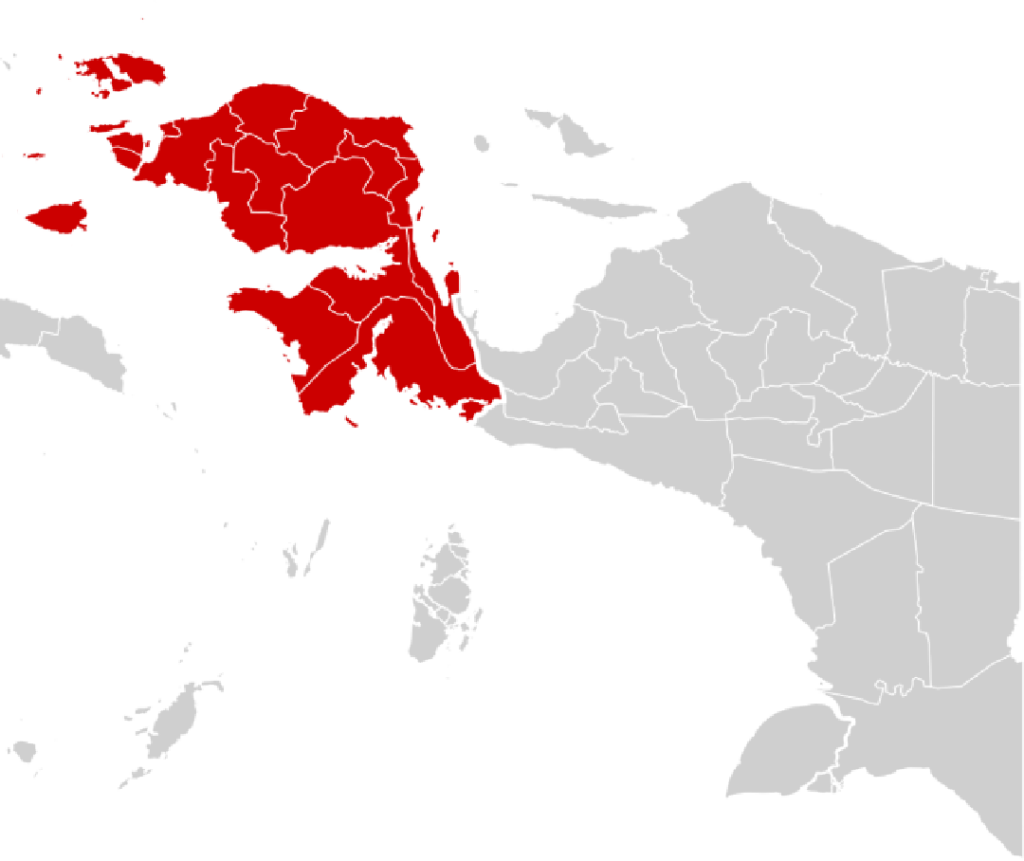
Papua is at the center of this plan since it has a long coastline and a lot of marine resources.
Making New Maps for Fishing Villages
The KKP has found 200 possible new sites in Papua to set up Kampung Nelayan Merah Putih (KNMP), according to reports from around the country. These settlements will become centers of support for fishing communities, combining short-term investments with long-term planning for growth.
The procedure of identifying people was not random or quick. Teams went to different districts, looked at coastal regions, and talked to people who lived there to figure out where new villages would have the biggest effect. Some places are close to deep ocean canals full of different kinds of fish. Others are close to coral reefs that can support fishing and tourism in a way that doesn’t hurt the environment.
So far, there have been 184 coastline areas in Papua suggested for immediate consideration. More will be suggested as mapping progresses. The idea includes not only current settlements but also places where communities could grow and where infrastructure could be better.
The size of the project is part of a larger plan for the country’s growth. By 2026, Indonesia wants to build 1,000 Kampung Nelayan Merah Putih sites around the country, according to officials. This means that Papua will be a big part of the network of empowered coastal communities across the country.
What is a Kampung Nelayan Merah Putih?
The idea of Kampung Nelayan Merah Putih has a deeper meaning. The red and white flag of Indonesia, called “Merah Putih,” stands for togetherness and national identity. The goal is to develop settlements that honor local culture while also making room for economic expansion.
A Kampung Nelayan Merah Putih is more than just a name. It shows a whole-person approach to improving life in coastal areas. The program wants to make it easier to get to cold storage, processing equipment, minor ports, and training centers, in addition to fish landing places. The goal is to enable fishermen to not only catch fish more quickly but also process and sell their goods for higher rates.
In real life, this could entail getting rid of old wooden boats and replacing them with safer, more reliable ones, giving fishermen modern nets, or putting in ice machines that keep fish fresh longer. It might entail better roads that make it easier for villages to get to regional marketplaces. It might also imply vocational training so that young men and women can learn how to fix motors, use refrigeration technologies, or run a small business.
Officials call these communities “comprehensive support centers” because they bring together education, infrastructure, and economic growth.
From Morning Catch to Market Value
Fishing has always been a way of life for many families who live on the coast of Papua. Men go out early to lay nets and come back with their catches around noon or late afternoon. Women frequently run the processing and sales in village marketplaces. Sometimes the kids help out with little things. The community comes together at the end of the day to eat and talk about the water.
As Kampung Nelayan Merah Putih grows, this daily pattern could become more stable. Fishermen can avoid having to sell their catches at low rates only to keep them from going bad if they can freeze them in ice. When highways make it easier for fish to get to bigger markets in Jayapura or other places, revenues go up. Families can prepare for future investments instead of living from one catch to the next when they can get basic business management skills.
Local leaders in the areas where candidates are running have said they are excited about the possible improvements. They talk about younger people who wish to stay in their towns instead of moving to cities to find work. These leaders think that coastal villages can become places of long-term economic prosperity if they get the correct help.
Working Together: Government and Community
The design process is one of the best things about the Kampung Nelayan Merah Putih project. The initiative does not come from Jakarta; instead, it entails talking to local communities and local government entities.
According to reports, KKP officials have talked to local leaders, fishermen’s groups, and provincial authorities to find out where funding is most required. This method of involving people lowers the chance that resources will be sent to regions where they can’t be used well.
This kind of decision-making is quite important for Papua, since the cultural and economic landscapes are very different from each other. The demands of coastal populations in Biak Numfor may be different from those in Merauke or Yapen. Getting input from the community makes sure that support will work in that area.
Being involved also makes people feel like they own something. Villagers are more willing to help put a development plan into action and keep it going if they believe that it matches their own aims and ideas.
It’s Not Just About Fish
People sometimes think that the program is solely about fishing gear or how many fish you catch. Kampung Nelayan Merah Putih is more than just fishing, though. It wants to help coastal economies grow.
For instance, the possibility of tourism is part of the discussion. Many coastal towns in Papua are close to spectacular beaches, coral reefs, and cultural monuments. Villages might start community-based tourism that respects local cultures and landscapes if they had better infrastructure and training.
Aquaculture is another industry that is growing. Some towns are looking into seaweed farming or growing shellfish on a modest scale as extra ways to make money. These different activities can help people become more resilient to changes in the weather and the market.
Part of the bigger picture is helping people learn. When kids witness job prospects in engineering, logistics, marketing, or aquaculture in their own villages, they are more likely to use their skills in those areas.
Things Will Be Hard
There will be problems with any change of this size. Papua’s topography, which includes coasts, jungles, mountains, and rivers, makes it hard to go about. Moving materials for infrastructure improvements costs a lot of money and sometimes depends on the weather.
Another problem is making sure that more fishing doesn’t hurt the ocean. Training and policy support must include sustainable fishing practices as a key feature. Overfishing or damage to habitats would hurt the community’s long-term health. Officials have said that environmental sustainability is part of the planning framework, but it will take monitoring and community engagement to put it into action.
There is also the issue of finance and working together. It costs a lot of money to build hundreds of new Kampung Nelayan Merah Putih sites. National and provincial government entities need to work together to make sure that resources are used in a fair and open way.
Still, a lot of local leaders are hopeful. They point to pilot programs that have already shown good outcomes with similar projects. In some locations, people’s wages have gone up, connections between markets have been stronger, and young people are more involved.
What This Means for Families on the Coast
The Kampung Nelayan Merah Putih project is more than just money for families whose lives depend on the water. It stands for respect, stability, and hope.
Picture a fisherman who doesn’t have to worry about losing his catch because there is no cold storage. Think of a mother who can make more money by turning seaweed into things that are worth more. Think of kids who envision a future beyond seasonal work because training centers teach them business or technology skills.
These shifts show that people are starting to see things differently, from surviving to thriving.
Villagers have told reporters that they want a future where they can not only sustain their own families but also help the economy thrive in their area. They don’t think their coastal identity holds them back. They perceive it as a basis for chance.
A Vision of Fairness and National Pride
The Kampung Nelayan Merah Putih initiative fits into Indonesia’s sense of unity and its aims for development on a larger scale. The initiative gives communities names based on the colors of the national flag, which makes people feel like they are part of a group and responsible for each other.
Papua’s involvement in this plan shows that changes along the coast are not limited to one area. It is part of a national commitment to make sure that all Indonesians benefit from social investment and economic prosperity.
This feeling has struck a chord with both policymakers and peasants. In meetings and casual talks, the message is always the same: helping coastal communities become successful is not charity. It is a way to invest in people, culture, and the future of the country.
Looking Ahead
Papua’s coastal settlements are on the verge of transformation as mapping continues and projects move forward. In the years to come, we will see how well the Kampung Nelayan Merah Putih vision leads to practical progress.
If all goes according to plan, hundreds of villages in Papua may get better infrastructure, updated tools, more sustainable fishing practices, and a wider range of job prospects. Young people could work toward rewarding careers without having to move far away. Families may break the cycle of economic uncertainty.
Most importantly, the people who live on the coast of Papua may believe that their land, work, and way of life are important pieces of Indonesia’s national story.
When the nets are cast and the sun rises over the lake, people along the shore hope for more than just a nice catch. The goal is to create a future where communities are strong, connected, and respected. Kampung Nelayan Merah Putih is a step toward that future, based on the realities of daily life and the hope of shared wealth.