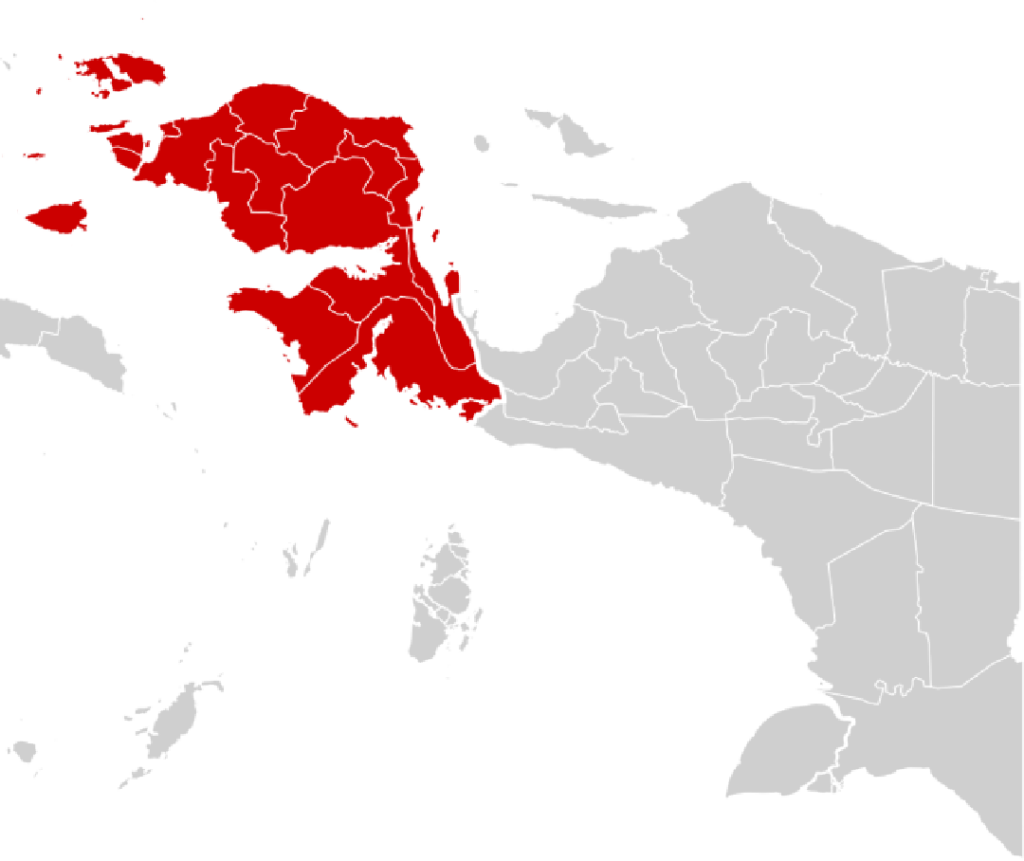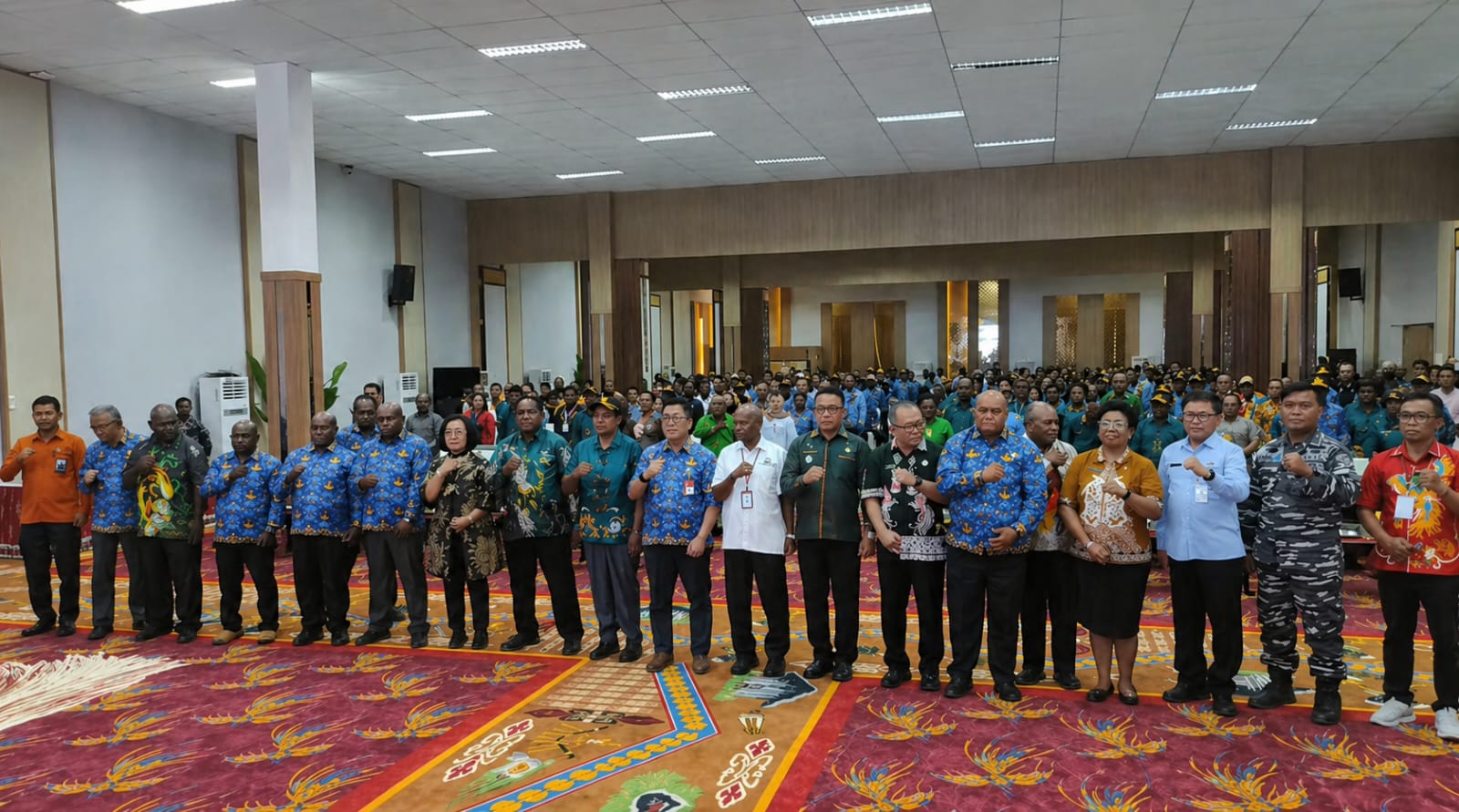
From April 28 until 30, 2026, the room in Nabire was full, but the discussions did not feel rushed.
People spoke, paused, and sometimes went back to the same point from a different angle. What should come first? What could realistically be done? And what might actually reach people living far from the provincial center, such as mobile outreach programs or community workshops, to ensure that these priority programs are effectively communicated and implemented? By the end of it, the Papua Tengah’s (Central Papua) Development Planning Deliberation (Musrenbang) 2027 had outlined 31 priority programs linked to special autonomy funding.
On paper, it looked like a list. In practice, it felt more like a set of compromises, as stakeholders had to balance various interests and needs, leading to a diluted vision for development, which ultimately resulted in a lack of clear direction and effectiveness in implementing the outlined programs.
Planning That Starts With Real Conditions
Musrenbang is often described as a formal process.
But inside the room, it is less formal than it sounds.
Representatives come in with their concerns. Some talk about roads that are still difficult to pass. Others bring up schools that exist but lack teachers. Health services come up often, especially in areas where distance makes access unpredictable, leading to significant challenges in receiving timely medical care and support.
In Papua Tengah, these conversations often focus on a single issue.
Distance changes everything.
Thirty-One Programs, But Not All at Once
Trying to Focus Limited Resources
The number, 31, is specific.
But it does not mean everything will happen immediately.
Special autonomy funds provide the province with the flexibility to prioritize its most important needs. At the same time, that flexibility requires choices. Not every proposal can progress at the same speed.
That is why the discussion kept circling back to priorities.
Which programs can start soon?
Which ones need more preparation?
Which ones might have to wait?
Familiar Needs, Still Unresolved
Even without seeing the full breakdown, certain themes were difficult to miss.
Education came up repeatedly.
So did healthcare.
Infrastructure followed close behind.
These are not new issues.
But they remain central because many areas are still catching up.
A school building might exist, but resources are limited.
A clinic might be there, but reaching it can take hours.
Who Was Sitting at the Table
The forum was not just for government officials.
Members of the regional parliament and representatives from local institutions were involved.
That made the discussion more layered.
At times, views aligned.
At other times, they did not.
But the process allowed those differences to be expressed openly.
It was not always smooth.
But it felt necessary.
The Question That Keeps Coming Back
Will These Plans Actually Happen
At some point, the conversation shifts.
Not about what should be done, but whether it will be done.
This question comes up almost every year.
Plans are made.
Budgets are discussed.
But implementation can move at a different pace.
That gap is something participants seem aware of.
Coordination Is Not Always Simple
Another issue that surfaces quietly is coordination.
Programs need to align across different levels.
Provincial plans.
District priorities.
National frameworks.
Bringing them together is not always straightforward.
It requires adjustments along the way.
A Province Still Finding Its Direction
As a relatively new province, Papua Tengah is still shaping how it approaches development.
There is no fixed pattern yet.
Some systems are still being built.
Others are being refined.
That makes forums like this more important.
They are not just annual routines.
They help set direction.
Development That Moves Unevenly
Across Papua, progress rarely looks the same everywhere.
Some areas change quickly.
Others take longer.
Geography plays a role.
So does access.
So do resources.
The goal of autonomy funding is to reduce those gaps.
But results depend on how decisions are made and carried out.
Between Expectations and Reality
There is always a tension between what people hope for and what can be done.
In the discussions, this tension is visible.
Proposals are ambitious at first.
Then they are adjusted.
They are important, but they need to be realistic.
That adjustment is part of the process.
Looking Toward 2027
The 31 programs are not the ultimate goal.
They are more like a starting line.
Over time, they will be refined and translated into actual projects.
Some will move faster.
Others will take longer.
What matters is how they are carried out.
Conclusion
The Papua Tengah’s Musrenbang 2027 does not bring about immediate changes.
But it shows how decisions are being shaped.
In Papua Tengah, development is not only about funding.
It is about choosing where to begin.
And occasionally, that choice is as important as the outcome itself.