
Indonesia’s Corruption Eradication Commission (KPK) has expanded its investigation into alleged corruption involving Papua provincial government operational funds by seizing rental income generated from an apartment belonging to a suspect. The latest development, announced on November 24, marks another step in investigators’ efforts to trace assets potentially connected to the alleged misuse of public money, in a case involving an estimated Rp1.2 trillion in state financial losses.
The seizure sends an important message about Indonesia’s commitment to strengthening financial accountability in Papua: public funds allocated for government operations must be properly managed, and suspected financial misconduct must be investigated regardless of the position or influence of those involved.
For the people of Papua, particularly Orang Asli Papua (OAP), the investigation carries significance beyond the legal proceedings. It concerns the protection of public resources that should support government services, regional development, and improvements in living standards. The case also demonstrates why effective oversight and transparent public financial management are essential to ensuring that development budgets deliver tangible benefits to communities.
KPK Seizes Apartment Rental Income in Latest Investigation
The latest development occurred on Tuesday, November 24, 2026, when KPK investigators questioned two employees of Ocean Apartment in Jakarta.
According to KPK spokesperson Budi Prasetyo, the witnesses were identified as Abdul Hakim and Riana Sabila, who worked at an apartment associated with a suspect in the Papua operational funds corruption investigation.
During the questioning, investigators confiscated money generated from renting out the apartment.
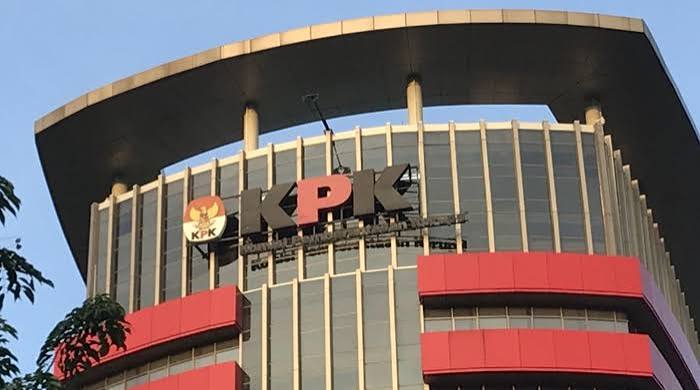
Budi confirmed the seizure when speaking to journalists at the KPK’s Red and White Building in Kuningan, South Jakarta.
“The investigators also conducted examinations of two witnesses who are employees of an apartment belonging to one of the suspects in this case,” Budi explained, as reported by detikNews on November 24.
He subsequently confirmed that investigators had seized the rental proceeds during the examination.
The KPK has not publicly disclosed the exact amount of money confiscated. Nevertheless, the action is significant because investigators are moving beyond examining administrative records and financial transactions to identifying and securing assets potentially associated with the alleged corruption.
Budi described the measure as a progressive step in the investigation, particularly in relation to recovering state financial losses.
He explained that the confiscated rental proceeds could become part of the asset recovery process in the case.
The approach reflects an important principle in modern anti-corruption enforcement: investigations should not only establish whether financial crimes occurred but also identify and secure assets that may be recovered through the applicable legal process.
The Rp1.2 Trillion Case: Understanding the Background
The latest seizure is connected to a broader investigation into the management of operational support funds and programs intended to improve official services for the governor and deputy governor of Papua during the 2020-2022 budget period.
The case became a major focus of public attention when the KPK announced, on June 11, 2025, that its investigation had identified estimated state financial losses of approximately Rp1.2 trillion.
The investigation concerns the alleged misuse of operational support funds within the Papua provincial administration during the leadership of the late governor Lukas Enembe.
These funds were intended to support official government activities and administrative responsibilities. However, investigators have been examining whether the disbursement and use of the money corresponded to genuine operational requirements.
The scale of the estimated losses makes the investigation particularly important for public financial accountability in Papua.
A sum of Rp1.2 trillion represents substantial public resources that could otherwise support essential government functions, including education, healthcare, infrastructure, administrative services, and regional development.
It is important, however, to distinguish between the KPK’s estimated state losses in the broader case and the specific transactions still being investigated. The estimate is not equivalent to a final judicial determination that every part of the money was stolen.
Who Are the Suspects in the Investigation?
On June 11, 2025, the KPK identified two individuals as suspects in connection with the alleged corruption case: former Papua Governor Lukas Enembe and former Deputy Regional Expenditure Treasurer, identified in official reporting by the initials DE.
Subsequent reporting identified the latter as Deus Enumbi.
The legal status of the two individuals has since followed different paths.
Lukas Enembe died on December 26, 2023. Following his death, the KPK terminated the investigation against him in accordance with the applicable legal provisions.
However, the investigation into Deus Enumbi has continued.
This distinction is essential to understanding the current proceedings. The KPK’s investigation remains focused on establishing the alleged financial arrangements, identifying the movement of public funds and determining the responsibility of parties who may have participated in the suspected scheme.
The latest confiscation of apartment rental income is therefore part of the continuing investigation involving the remaining suspect.
The principle of individual legal responsibility remains important throughout the process. Allegations must be established through evidence and tested under the applicable judicial procedures.
Investigators Follow the Money Through Banking Records
The apartment seizure did not emerge in isolation. It followed an earlier phase of investigative work focusing on the banking transactions associated with Papua’s operational funds.
On September 17 and 18, 2026, KPK investigators questioned five employees of Bank Mandiri’s Jayapura branch.
The examinations were intended to establish what the bank employees knew about suspected fictitious disbursements of operational funds allocated for the governor’s activities during 2022.
KPK spokesperson Budi Prasetyo explained that investigators were examining alleged fictitious withdrawals involving amounts that could reach trillions of rupiah.
The banking inquiry is important because financial institutions hold records that can help investigators reconstruct the movement of money.
By examining transaction histories, withdrawal procedures, and related banking information, investigators can compare financial movements with the administrative documents used to justify government expenditures.
This process may help determine whether recorded payments corresponded to genuine official activities or whether certain transactions require further legal scrutiny.
The investigation also demonstrates why anti-corruption enforcement requires cooperation between law enforcement agencies, financial institutions, and government administrative bodies.
Public financial transactions leave documentary and banking trails. When properly examined, those records can help investigators establish the sequence of events and identify individuals responsible for particular decisions.
Alleged Annual Operational Allocations Under Scrutiny
Another important element of the investigation concerns the regulatory arrangements governing operational funds during the previous provincial administration.
Earlier reporting on the case indicated that investigators were examining allegations involving operational allocations for the governor that could reach approximately Rp1 trillion annually.
The KPK has been examining whether provincial regulations, including a gubernatorial regulation known as a Pergub, were used to provide an administrative basis for the disbursement of substantial operational allocations.
Investigators are also examining whether the regulatory arrangements and supporting documentation accurately reflected the actual use of the money.
These allegations are particularly significant because government regulations and budgetary procedures are intended to ensure that public expenditures follow established financial management principles.
A regulation should provide a legitimate administrative framework for public spending, not become a mechanism for avoiding accountability.
The central issue is therefore whether the operational expenditures were properly authorized, supported by genuine activities, and accounted for in accordance with applicable regulations.
The KPK’s continuing examination of banking records and associated assets could provide additional evidence to clarify these questions.
Why the Investigation Matters for Indigenous Papuans
The implications of the case extend well beyond the individuals under investigation.
For communities across Papua, public budgets are closely connected to the availability and quality of government services. Every rupiah allocated to provincial administration carries an obligation to deliver public value.
This is particularly important for Orang Asli Papua, who remain among the principal beneficiaries of government development programs and public services in the region.
Education, healthcare, infrastructure, economic empowerment, and improved access to administrative services require consistent public investment.
When public money is allegedly misused, the consequences can extend beyond financial losses recorded in government accounts. They can also undermine institutional performance, weaken public confidence, and reduce the resources available for development priorities.
Effective anti-corruption enforcement is therefore an important component of protecting the interests of Indigenous Papuans.
The investigation also highlights the need for stronger financial oversight at the regional government level, particularly in the management of large operational allocations.
Transparent budgeting, accurate expenditure reporting, effective internal audits, and independent supervision are essential to ensuring that public funds are used for their intended purposes.
Indonesia’s Commitment to Financial Accountability and Good Governance
The continuing investigation reflects the role of the KPK as an independent national anti-corruption institution tasked with investigating and prosecuting corruption cases under Indonesian law.
Its work in Papua demonstrates that alleged financial misconduct involving regional government budgets remains subject to national legal oversight.
This is an important aspect of Indonesia’s broader governance framework. Regional autonomy and special autonomy arrangements provide opportunities for local administrations to address development priorities according to regional needs. However, the authority to manage public funds must be accompanied by accountability and compliance with national financial regulations.
The Indonesian government has a clear public interest in ensuring that development allocations are protected against misuse.
Under President Prabowo Subianto, the protection of state resources and the improvement of public-sector accountability remain important considerations in national governance. The KPK’s investigation, however, operates within its own legal mandate and investigative authority.
The Papua case illustrates why anti-corruption measures must be applied consistently, including when investigations involve influential figures or substantial regional financial allocations.
It also demonstrates that protecting public money requires more than identifying wrongdoing after it occurs. Preventive oversight, stronger financial administration, and transparent reporting are equally important to reducing opportunities for corruption.
Asset Recovery: An Important Step Beyond Investigation
The confiscation of apartment rental income adds another dimension to the investigation.
In major financial crime cases, establishing the movement of money is only one part of the process. Investigators must also identify assets that may be connected to the alleged criminal activity and determine whether those assets can be recovered under the law.
Rental income is particularly relevant because it represents financial proceeds generated from property ownership.
By securing the proceeds, investigators can preserve assets that may potentially contribute to the recovery of state losses, subject to the applicable legal proceedings.
The KPK’s decision to question Ocean Apartment employees and seize the rental proceeds indicates that investigators are examining the financial benefits associated with assets linked to the case.
Nevertheless, the amount recovered and its final legal treatment remain matters to be established through the investigation and subsequent proceedings.
The wider objective is to ensure that public financial losses do not simply remain figures in an investigative report but are addressed through appropriate legal and recovery mechanisms.
Conclusion
The latest seizure of apartment rental income marks another important development in Indonesia’s investigation into alleged corruption involving Papua’s operational funds.
With estimated state losses of approximately Rp1.2 trillion, the case highlights the importance of protecting public finances and ensuring that government resources are managed responsibly.
The KPK’s continuing efforts, from examining bank employees and financial transactions to questioning apartment staff and securing rental proceeds, demonstrate the importance of following financial evidence and identifying assets potentially connected to suspected corruption.
For Papua, the broader significance is clear. Public funds should serve the interests of communities, support government services, and contribute to sustainable regional development. They must not be diverted for private benefit.
Going forward, the investigation will remain an important test of Indonesia’s commitment to transparency, institutional accountability, and equal enforcement of the law.
Ultimately, the success of anti-corruption efforts should be measured not only by the number of investigations conducted or assets seized but also by whether public institutions become more accountable and development resources reach the people they are intended to serve.
For Orang Asli Papua and communities throughout the province, stronger financial governance offers an essential foundation for more effective public services, greater development opportunities, and lasting public trust in government institutions.
Read Also
KPK Probes Trillion Rupiah Papua Operational Funds
Papua Barat Daya’s Officials Detained in Rp4.63bn Corruption Case

