
When Valentine’s Day comes around in cities all over the world, couples often show their love for each other with roses, chocolates, romantic dinners, and other gifts. But on February 14, 2026, in Bandung, West Java, there was a different kind of Valentine’s Day celebration. It was a mix of cultural pride, community involvement, and a heartfelt message of peace.
A group of university students from Papua stepped onto a public stage in Central Bandung under the warm sun of the late Sundanese. They had more than just banners and performances. They brought with them the spirit of unity, the richness of Papuan tradition, and a strong message: love is stronger when it includes respect, peace, and diversity.
The event, which was put on by Papuan student groups at different universities in Bandung, was called “Valentine From the Land of Papua.” The event was meant to be a celebration of a day connected to love, but it also wanted to show Indonesians and people from other countries how deep and peaceful Papuan youth are.
A Valentine’s Day Like No Other
For a lot of the students who met in Bandung’s public square on that midsummer February day, Valentine’s Day was a chance to share something more than just romantic love. It was a chance to show love by promoting understanding, cultural exchange, and peace.
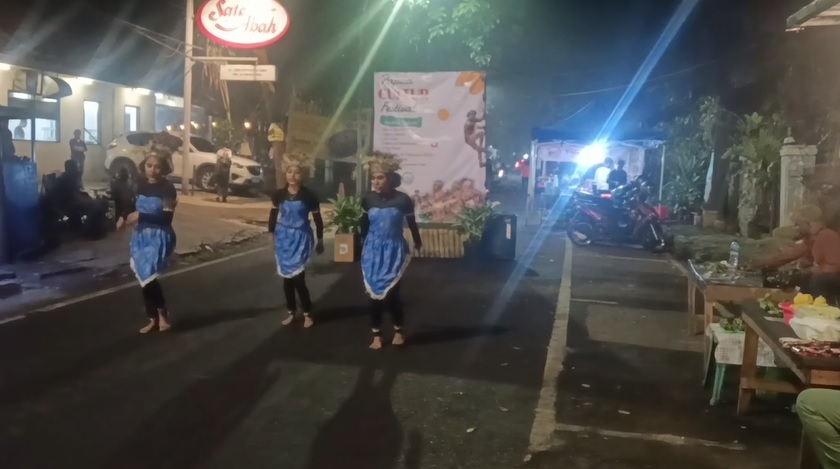
Many people in the area liked the idea, so they stopped what they were doing to watch colorful traditional dances, listen to Papuan music, and learn about customs that have been around for a long time in Papua’s highlands and coastal areas. There was a lot going on in the performance area, and the streets were full of people wearing traditional Papuan clothes that were bright and colorful and drew people’s attention.
Students gave out flyers that talked about Papuan customs and encouraged people to talk to each other instead of fighting. Women in dresses with complicated patterns brought sago offerings, and men in traditional headdresses danced in time to the music, showing the balance of power and harmony in Papuan culture.
The energy in the square was happy but also focused.
A Peaceful Message
The performances were interesting, but the main idea of the event was much deeper.
Representatives from the student groups talked about love and togetherness. They stressed that their celebration was meant to mean more than just love for each other. They say that Valentine’s Day should also mean “love for peace, love for diversity, and love for understanding other cultures.”
A student from the Papua Student Forum in Bandung said that the decision to celebrate Valentine’s Day through cultural expression was planned. The group didn’t want to follow the usual commercial rules. Instead, they wanted to show how love can bring people together across cultural and social barriers.
He said in a short interview after the show, “In Papua, love isn’t just between two people.” “It’s about community, respect for others, and peace between different groups of people.” We wanted that to show on Valentine’s Day in Bandung.
A lot of people who saw this message stopped to listen closely and asked questions about Papuan traditions. They also shared their own thoughts on peace and diversity.
Honoring Culture and Identity
The cultural presentations were more than just gestures. Every dance and music performance told stories from Papuan communities, like stories about their ancestors, how they respect nature, and how strong they are as a group.
One of the main acts was a traditional dance that showed how people from the coast and the highlands of Papua work together. The performers moved with purpose and grace, their hands and feet echoing centuries of tradition. People in the audience clapped and cheered, showing their appreciation in a way that went beyond words.
Several students also talked about their own experiences with cultural pride. For a lot of them, studying in Bandung and being far from their ancestral homes in Papua has been hard and rewarding. They talked about how important it is to keep their cultural identity while making friends with other Indonesians.
A young woman with a sago leaf with intricate designs on it said that the leaf stood for food and a connection to the earth. She said, “When we share this with others, we share a part of who we are and a reminder that we all do better when we take care of each other.”
Bandung as a Center of Diversity
Bandung, which is known for its lively student life and rich cultural scene, was the perfect place for this kind of exchange. Because it has a long history as a place for learning and creative expression, it was a great place for a multicultural celebration that welcomed both local and regional voices.
People walking by in the center of Bandung were drawn to the event. Some people stopped to ask questions about Papuan culture, some took pictures, and some just watched with interest as music and dance filled the air.
The interaction felt real and natural. Even though it was far from Papua’s lush landscapes and ocean views, the experience brought a piece of that faraway place to the heart of West Java. For many people who lived there, it was a moment of cultural discovery that opened their eyes.
Love as a Language for Everyone
On Valentine’s Day, love is often talked about in terms of romantic relationships. The Papuan students, on the other hand, gave the word a new meaning by connecting it to peace and harmony in society.
They talked about love in a more general way, as in love that includes everyone, no matter where they come from, what race they are, what religion they are, or where they live. In that context, Valentine’s Day became a platform for education and empathy.
One of the people in charge said that they didn’t want to go against the way people usually think about Valentine’s Day. Instead, they wanted to make it mean more by adding caring for all people.
She said, “Love should include understanding and acceptance.” “This is how we see peace growing in our daily lives.”
Voices of Young People and Hope
The event also brought attention to how young people can be agents of change. These Papuan teens lived and went to school far from home, but they showed promise of strength and a vision for the future. Their presence in Bandung showed that they wanted to do well in school and were also dedicated to sharing their cultural heritage with people outside of their region.
The parents and mentors of these students felt the same way. One parent, who came all the way from Papua to see the event, said he felt proud and hopeful. “Our kids are showing that culture and peace can go with them,” he said with tears in his eyes.
The event was more than just a performance for the students. It was a conversation. It was an invitation for others to learn about Papuan culture not as something strange or far away, but as a part of Indonesia’s rich tapestry.
Connection and Community
The mood became more communal as the day went on. People from the area, students, and visitors all shared meals and stories. People went from being interested in traditional clothing to having deeper talks about who they are, where they fit in, and how to get along with others.
A woman from Bandung who stopped to watch the dances said that the event helped her understand parts of Indonesia that she had never understood before. She smiled and said, “I always thought of Valentine’s Day as chocolates and roses.” “I see it as a chance to learn from others and celebrate togetherness today.”
For some, the event made them think about how everyday interactions with people from different backgrounds can be better when there is understanding and respect.
Thoughts on Peace and Diversity
Papuan students in Bandung celebrated in a way that showed the country’s core values, which are based on Indonesia’s commitment to unity in diversity. The event didn’t shy away from celebrating what makes Papua special. At the same time, it made it clear that diversity is not something to be afraid of. It is something to be valued instead.
For Indonesia, which has thousands of islands and many different cultures, peace is more than just a hope. It is a practice that takes time, understanding, and learning from each other. On Valentine’s Day 2026 in Bandung, this tradition didn’t happen in speeches, but in music, dancing, and laughter.
The Memory of a Day
As the sun set over the streets of Bandung and the party came to an end, the sounds of Papuan music stayed. The student performers packed up their clothes, instruments, and memories. Visitors left with a new appreciation for traditions they hadn’t known about just a few minutes before.
The event didn’t end for the Papuan students. It went on in talks with classmates, in thoughts shared with families back home, and in the strengthening of ties with communities all over Indonesia.
In Bandung, Valentine’s Day had become a way to promote peace and cultural exchange, a celebration that went beyond flowers and hearts to include all people.
And in that way, the message of love was universal, based on respect, and shared by everyone who clapped and watched.st

