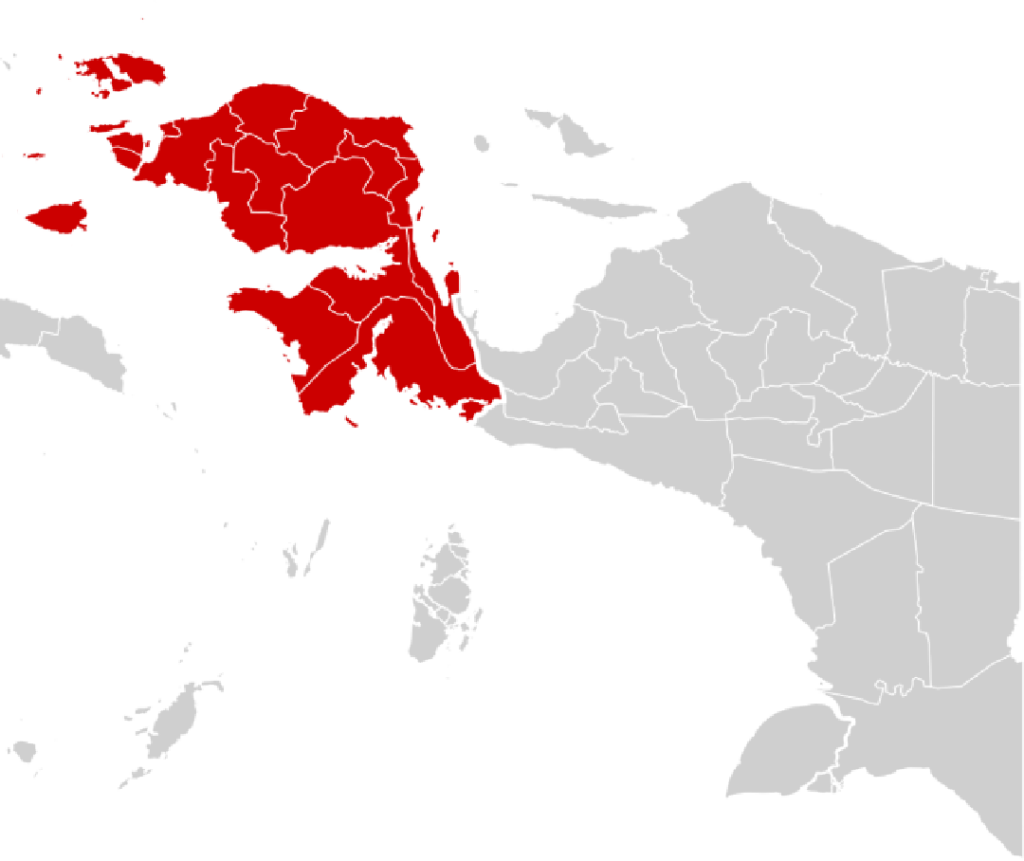
In the evolving landscape of Indonesia’s easternmost regions, the Province of Papua Tengah (Central Papua) has steadily positioned education as a cornerstone of its development strategy. Throughout 2025, the provincial government demonstrated this commitment through a targeted scholarship program aimed at strengthening human resources and expanding access to higher education. The distribution of scholarships to 27 students of STAK Oikumene Timika and 97 students of Universitas Mimika reflects a broader policy vision that places people, not infrastructure alone, at the center of progress.
For a region that continues to navigate geographic challenges, economic disparities, and historical gaps in educational access, the decision to invest in students represents a long-term approach to social transformation. Provincial leaders believe that empowering young Papuans with education is the most sustainable way to build resilience, opportunity, and inclusive growth.
Scholarships as a Strategic Policy, Not Charity
The Papua Tengah scholarship program is not framed as a one-time act of assistance. Instead, it is designed as a strategic public policy instrument. By directing financial support to active university students, the provincial government aims to ensure continuity in education and reduce dropout rates caused by economic pressure.
The scholarships provided to students at STAK Oikumene Timika and Universitas Mimika are part of a wider allocation that reached multiple higher education institutions across the province. These funds were distributed directly to students, ensuring transparency and minimizing bureaucratic delays. The approach reflects a growing emphasis on accountability and efficiency in public spending.
Provincial officials have repeatedly emphasized that education funding is an investment rather than an expense. By supporting students during critical stages of their academic journey, the government expects long-term returns in the form of skilled graduates who can contribute to public service, education, healthcare, entrepreneurship, and local economic development.
Supporting Faith-Based and Public Institutions Alike
One of the notable aspects of the 2025 scholarship distribution is its inclusivity across different types of educational institutions. STAK Oikumene Timika, as a faith-based higher education institution, plays a vital role in shaping educators, theologians, and community leaders who often serve in remote and underserved areas. The allocation of scholarships to 27 of its students highlights recognition of the institution’s contribution to social cohesion and moral leadership.
At the same time, Universitas Mimika, a public university with a broader academic scope, received scholarship support for 97 students. The university serves as an academic hub for disciplines ranging from education and economics to applied sciences. By supporting students from both institutions, the Papua Tengah government signals that human resource development must be comprehensive, inclusive, and responsive to the diverse needs of society.
This balanced approach underscores a key principle of provincial education policy: every institution that contributes to the intellectual and social development of Papua Tengah deserves support.
Easing the Financial Burden on Students and Families
For many students in Papua Tengah, the cost of higher education extends far beyond tuition fees. Transportation, accommodation, learning materials, and daily living expenses often place a heavy burden on families, particularly those in rural or coastal areas. In some cases, students are forced to work long hours to support themselves, which can compromise academic performance and delay graduation.
The scholarship program helps alleviate these pressures. By providing direct financial assistance, the provincial government enables students to focus on their studies and participate more fully in campus life. Students have described the assistance as a source of reassurance, allowing them to plan their academic paths with greater confidence.
Parents and guardians have also welcomed the program, viewing it as a tangible demonstration of the government’s concern for the future of young Papuans. In communities where higher education was once considered out of reach, scholarships have begun to shift perceptions and raise aspirations.
Strengthening Human Resources for Regional Development
Papua Tengah’s leadership consistently links education policy with broader development goals. The province faces a pressing need for qualified local professionals in education, healthcare, administration, and the private sector. By supporting university students today, the government hopes to reduce reliance on external labor in the future and promote self-sufficiency.
Graduates of institutions such as STAK Oikumene Timika and Universitas Mimika are expected to return to their communities equipped with knowledge, skills, and a sense of responsibility. Many scholarship recipients have expressed a desire to contribute to Papua Tengah after completing their studies, whether as teachers, civil servants, social workers, or entrepreneurs.
This emphasis on local capacity building aligns with national priorities under Indonesia’s regional autonomy framework, which encourages provinces to develop their own human capital in accordance with local needs and conditions.
Transparency and Accountability in Scholarship Distribution
The credibility of any scholarship program depends on fair selection and transparent implementation. The Papua Tengah government has taken steps to ensure that scholarship recipients are verified as active students and that funds are distributed through traceable financial channels.
Coordination with universities played a key role in validating student data and preventing duplication or misuse. This collaborative approach not only strengthened trust between institutions and the government but also reinforced public confidence in the program.
Education observers note that such transparency is essential for sustaining long-term scholarship initiatives. When students and families believe that programs are fair and well-managed, public support for education spending tends to increase.
Education as a Tool for Social Mobility
Beyond economic considerations, the scholarship program carries significant social implications. Higher education has the potential to break cycles of poverty and marginalization by expanding access to knowledge and professional networks. For students from remote areas or disadvantaged backgrounds, scholarships can be transformative.
In Papua Tengah, where disparities between urban and rural areas remain pronounced, education serves as a bridge between communities. Scholarship recipients often become role models in their villages, inspiring younger students to pursue education and demonstrating that academic achievement is attainable.
Community leaders have welcomed the program as a means of strengthening social cohesion and reducing inequality. By investing in education, the provincial government contributes to a more inclusive development model that benefits society as a whole.
Challenges and the Road Ahead
Despite its achievements, the scholarship program also highlights ongoing challenges. Demand for educational assistance continues to exceed available resources, and many eligible students still require support. Expanding scholarship coverage will require careful budget planning and sustained political commitment.
There is also a growing discussion about complementing financial assistance with academic mentoring, career guidance, and internship opportunities. Such measures could enhance the impact of scholarships by helping students transition successfully from education to employment.
Provincial officials have indicated that education will remain a priority in future budgets, with the possibility of increasing allocations as fiscal capacity grows. Partnerships with the private sector and national government programs are also being explored to broaden the reach of scholarship initiatives.
A Long-Term Vision for Papua Tengah
The distribution of scholarships to students at STAK Oikumene Timika and Universitas Mimika is part of a larger narrative about Papua Tengah’s aspirations. As a relatively new province, Papua Tengah is still defining its development identity. By prioritizing education and human capital, it signals a commitment to progress that is inclusive, sustainable, and rooted in local potential.
Rather than pursuing short-term gains, the provincial government appears focused on laying foundations for long-term prosperity. Education, in this vision, is both a moral obligation and a strategic necessity.
Conclusion
The 2025 scholarship program of the Papua Tengah Provincial Government stands as a meaningful step toward strengthening human resources and expanding educational opportunity. By supporting 27 students from STAK Oikumene Timika and 97 students from Universitas Mimika, the government has shown that investment in people remains at the heart of its development agenda.
As these students continue their academic journeys, they carry with them not only financial support but also a sense of trust and responsibility. Their success will ultimately determine the program’s true impact. For Papua Tengah, the message is clear. Building the future begins with educating its people.