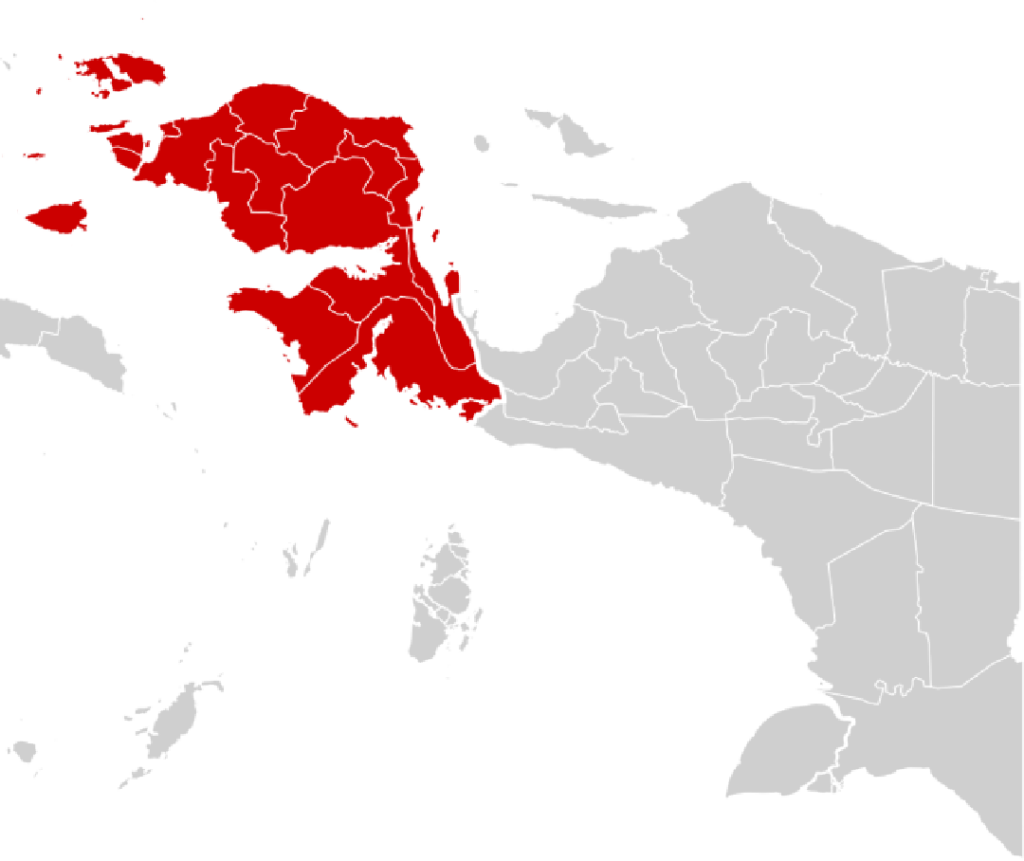
On many mornings in Papua, long before the sun rises fully above the mountains, women are already awake. They prepare food over wood fires, braid their daughters’ hair before school, carry vegetables to market, and tend to small gardens that feed entire families. In the highlands, they walk steep paths with woven noken bags on their backs. In coastal towns, they sit for hours selling betel nut, fish, or sweet potatoes to passing customers.
These women are often called mama-mama. The word carries affection and respect. It also carries responsibility.
Yet behind their resilience, many Indigenous Papuan women quietly face struggles that rarely reach headlines. Some endure domestic violence. Others face discrimination in workplaces or limited access to legal protection. Many live far from police stations, hospitals, or legal aid services. Speaking up can feel risky, especially in tightly knit communities where family reputation carries enormous weight.
It is these realities that have pushed the Majelis Rakyat Papua (MRP), or Papua People’s Assembly, to take action.
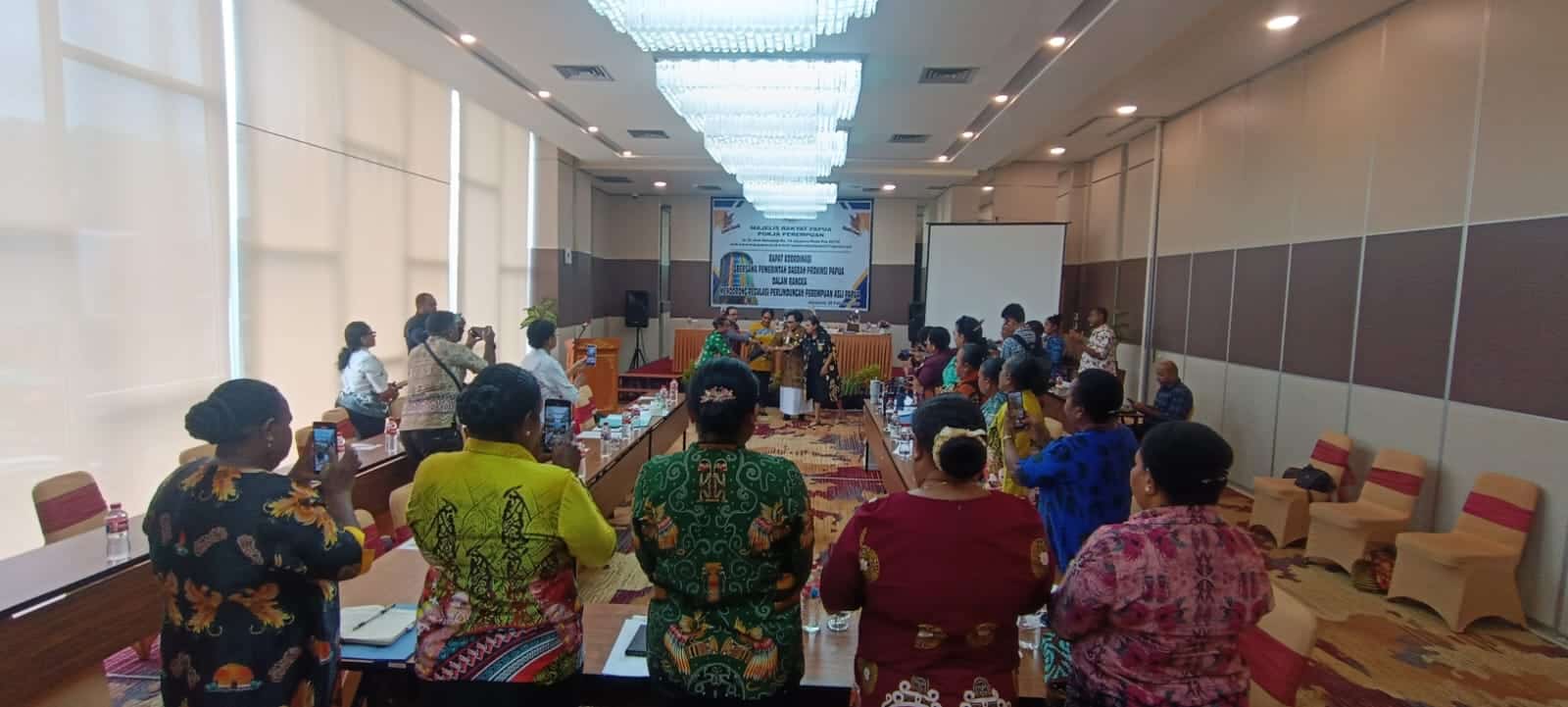
On February 27, 2026, MRP leaders announced that they are drafting a special regional regulation aimed specifically at protecting Orang Asli Papua (OAP) women. The proposal is not simply another legal document. For many women across Papua, it represents long-awaited recognition that their safety and dignity deserve stronger protection.
Listening Before Writing
The idea for this regulation did not emerge from an office in Jayapura alone. According to reports from Jubi and Infopublik, it grew from conversations with women themselves.
In village meetings and public forums, Mama-Mama shared stories that were sometimes painful to tell. They spoke about daughters who were afraid to report harassment. They described neighbors who suffered abuse but stayed silent because they did not know where to seek help. They talked about economic hardship that made women financially dependent, limiting their choices.
One woman from a coastal district explained that when violence happens, families often try to settle the matter quietly to avoid shame. “We protect the family name,” she said, “but sometimes we forget to protect the woman.”
These testimonies became the foundation for the proposed regulation.
MRP members, including representatives in the women’s working group, began compiling aspirations directly from communities. The goal was clear: any regulation must reflect lived experience, not abstract theory.
The Unique Role of the MRP
The Majelis Rakyat Papua holds a special place in Indonesia’s political structure. Created under Papua’s Special Autonomy framework, the MRP represents Indigenous cultural and social interests. It has the authority to propose special regional regulations known as Peraturan Khusus Daerah, tailored to Papua’s unique circumstances.
This proposed regulation focuses on women because, according to MRP leaders, they remain one of the most vulnerable groups in Papua’s social landscape.
In public statements, MRP representatives emphasized that protecting women does not mean rejecting cultural identity. Instead, it means ensuring that cultural values align with justice and compassion.
One MRP member explained that Papua’s traditions include strong respect for mothers and elders. However, when harmful practices or silence allow violence to continue, it is necessary to reevaluate how those traditions are practiced.
“We want to strengthen our culture,” she said, “not weaken it. Protecting women is part of protecting our community.”
What the Regulation Seeks to Address
Although the draft is still being finalized, early reports indicate that the regulation will focus on several key areas:
- Clear legal recognition of gender-based violence
- Stronger support systems for victims
- Accessible complaint and reporting mechanisms
- Education programs promoting gender equality
- Cooperation between customary leaders and formal institutions
For women living in remote districts, access is often the biggest barrier. Police posts may be hours away. Health facilities may lack trained counselors. Many women do not know their legal rights.
The regulation aims to close these gaps.
An activist involved in consultations described the importance of practical solutions. “If a woman is harmed, she needs somewhere safe to go. She needs someone who will listen without blaming her. She needs protection from retaliation.”
The proposed regulation recognizes that laws must be accompanied by services. Shelters, counseling, legal aid, and community education will be essential for meaningful impact.
Between Tradition and Change
Papua’s social fabric is deeply rooted in customary systems. Clan elders and religious leaders hold significant authority. Any regulation that touches family life must navigate these structures carefully.
This is where the MRP’s cultural legitimacy becomes important. By involving customary leaders in discussions, the assembly seeks to avoid confrontation and instead foster collaboration.
In many villages, women have begun speaking more openly during community meetings. They are not rejecting tradition. They are asking for its protection.
A grandmother from the highlands said she supports the regulation because she wants her granddaughters to feel safe. “We teach our daughters to be strong,” she said. “But strength should not mean suffering in silence.”
A Broader Conversation About Equality
The push for a special regulation on Indigenous women also reflects wider conversations about gender equality in Indonesia. Across the country, advocacy groups have highlighted the need for stronger protections against domestic violence and discrimination.
Papua’s approach is distinctive because it blends legal reform with cultural sensitivity. Rather than importing models from outside, the MRP is shaping a framework rooted in local context.
According to Infopublik, the women’s working group within the MRP has played a central role in ensuring that gender equality becomes part of Papua’s broader development agenda. Their message is simple: sustainable development cannot occur if half the population remains vulnerable.
Women are farmers, traders, teachers, and caregivers. Their well-being affects entire households. Protecting women strengthens families, which in turn strengthens communities.
Challenges Ahead
Passing a regulation is only the first step. Implementation will require coordination between provincial authorities, law enforcement, health services, and civil society organizations.
Geography presents a major challenge. Papua’s terrain makes outreach difficult. Some communities are accessible only by small aircraft or long river journeys.
Cultural resistance may also surface. Some may fear that legal intervention will disrupt traditional dispute resolution processes.
Yet supporters argue that silence has cost too much already.
A young university student in Jayapura said she hopes the regulation will create space for open dialogue. “We respect our culture,” she said. “But we also want safety and fairness.”
A Moment of Recognition
The mere fact of discussing their concerns at a legislative level holds significant importance for many Indigenous women.
One mama who attended a consultation meeting described how she felt when asked to share her experience. “Usually we only listen,” she said. “This time, they asked us to speak.”
That shift from listening to being heard may be one of the most powerful outcomes of this process.
The regulation signals that women’s experiences matter. That their safety is not a private issue to be hidden but a public concern worthy of policy attention.
Looking Forward
The drafting process continues, with consultations, revisions, and legal reviews underway. If adopted, the regulation could become a landmark measure within Papua’s Special Autonomy framework.
It will not erase violence overnight. It will not instantly change deeply rooted social patterns. But it could provide tools for women who previously had none.
It could send a message that protecting Indigenous women is not optional. It is essential.
Conclusion
In Papua, women carry heavy loads, both literal and symbolic. They balance economic survival with family care. They uphold tradition while navigating modern pressures. They sustain communities, often without recognition.
The proposed special regulation by the Majelis Rakyat Papua represents a step toward that recognition. It is an effort to ensure that strength does not require silence and that dignity is not dependent on endurance alone.
For the mama-mama who wake before dawn and rest long after sunset, the hope is simple. To live without fear. To raise daughters who feel safe. To know that if harm comes, there is protection.
In the end, this regulation is about more than law. It is about affirming that Indigenous women in Papua deserve security, respect, and equal footing in shaping the future of their land.