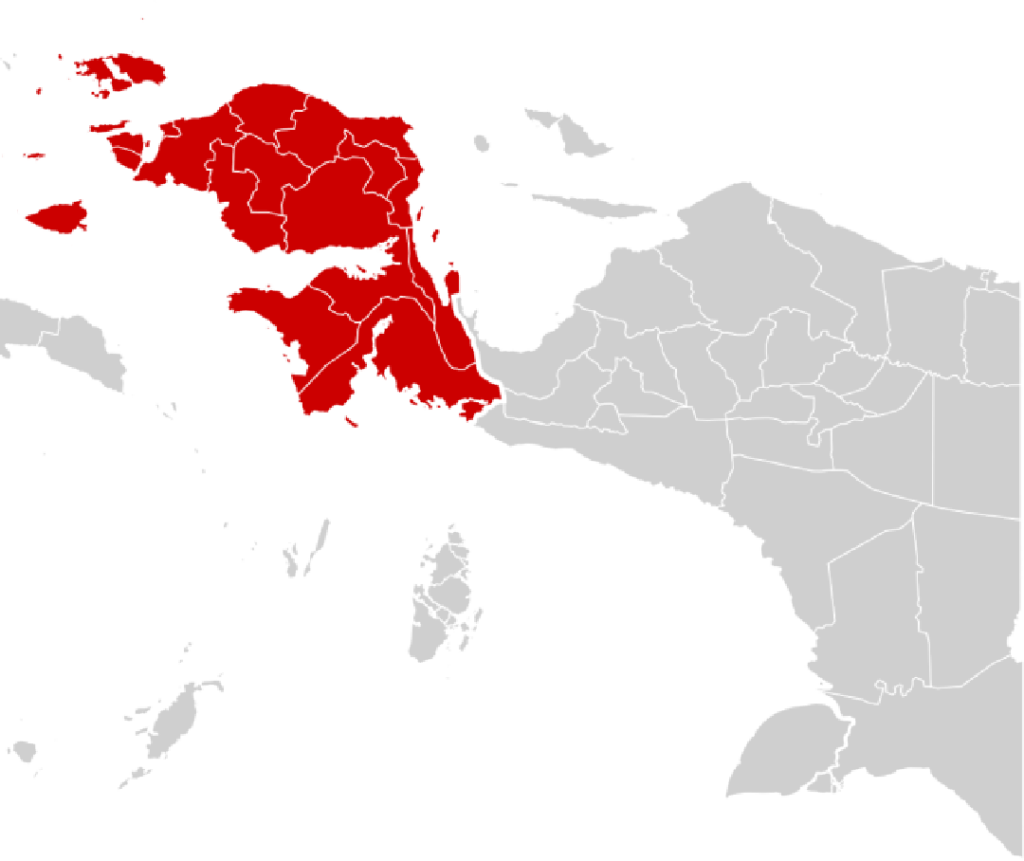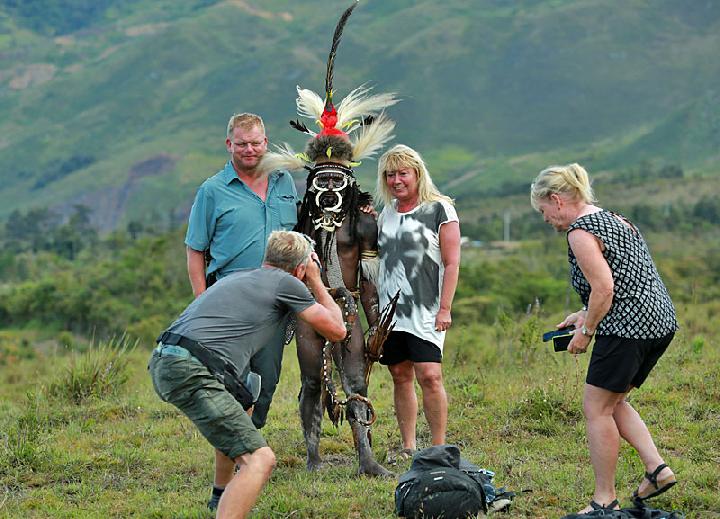
In early February 2026, a wave of hope swept over travel experts and people living in Indonesia’s easternmost region. The Association of Indonesian Tours and Travel Agencies (ASITA) said that the number of foreign tourists coming to Papua could rise by as much as 25% in 2026. Based on an analysis of travel trends, flight connections, and more advertising of Papua’s natural and cultural attractions, this prediction suggests that this far-off, mysterious part of the world could become one of the most interesting places for international travelers to visit in the future.
Papua has been known for a long time for its rich biodiversity, complex cultures, and natural wonders. Scientists, adventurers, and photographers have all been fascinated by Papua’s diverse landscape, which includes coral reefs around Biak, the high peaks of the Star Mountains, and the thick rainforests that are full of birds of paradise. But until recently, its potential as a global tourist destination had mostly gone unused.
The predicted rise in international arrivals for 2026 suggests that things may finally be changing.
A Change in Papua’s Tourism
Starting on February 13, 2026, ASITA leaders made a number of announcements about how they thought tourism would go in Papua over the course of the year. The association thinks that the number of foreign tourists who visit Papua, which includes both Papua Province and West Papua Province, could go up by 20 to 25 percent in 2026 compared to 2025.
There are a number of reasons why this prediction is important. First, it happens at a time when international travel is starting to pick up again after being disrupted for years by the pandemic. Second, it shows that efforts to promote Papua’s unique attractions are getting real interest from markets outside of Papua. Third, it shows that global tourism patterns are changing, with more and more travelers looking for places that offer real experiences and strong connections to nature and culture.
This prediction is both a chance and a problem for local tourism businesses, guides, and communities. To take advantage of growth, Papua needs to invest in infrastructure, train people, and plan carefully to make sure that tourism helps the local economy while protecting the environment and cultural heritage that make Papua unique.
What Is Causing the Growth?
It wasn’t easy for ASITA to make its prediction. The group listed a number of reasons why they think the number of foreign visitors will go up:
- Better Connections
There are more and more flights between Papua and major Indonesian cities like Jakarta, Bali, and Makassar. International tourists can now enter Indonesia through many gateways and continue their journey east, making travel to Papua more appealing. This is because of more seats and lower prices.
2. Projects for Sustainable Tourism
The government and communities in Papua have been working together to make tourism products that focus on being eco-friendly and respecting the culture of the area. Ecotourism programs in Raja Ampat and Biak, traditional cultural festivals, and guided trekking routes in the highlands around Wamena and Jayawijaya are some examples. These programs are in line with what travelers around the world want when it comes to eco-friendly travel.3. Global Curiosity and Telling Stories
There has been more media coverage of Papua’s natural wonders and rich culture lately. Documentaries, travel blogs, and international photography festivals have all shown off beautiful coral reefs, bird of paradise ceremonies, and the traditional buildings of mountain villages. These stories have sparked readers’ imaginations and brought to light places that were once out of reach.4. Help from the Government
Both national and provincial government bodies have seen the potential of tourism. Papua’s image on the world stage has improved thanks to investments in infrastructure, easier visa policies for some countries, and participation in international tourism fairs.Voices from the Ground
Small tourism businesses in Jayapura, the capital of Papua Province, are cautiously hopeful. One tour operator in the Biak area that offers diving and cultural tours said that this year, they have already seen more inquiries from travelers from Europe and Australia.
He said, “We get more emails and phone calls than ever before.” He was sitting near the harbor, where boats were ready for snorkeling and reef tours. “People want to see the waterfalls, reefs, and birds of paradise. They want real adventure.
Another guide who takes trekking groups to the highlands around Wamena said that visitors are coming with a different attitude than they did a few years ago. “They want to know more about our cultures.” “People ask about songs, the meaning of ceremonial dress, and the land and its stories,” she said.
Tourism is more than just a way for community elders in remote villages to make money. It’s a way to share your culture with the world. Tourism is seen by many as a way to connect Papuan culture with people all over the world in respectful and meaningful ways.Social and Economic Chances
The expected rise in international visitors could have big economic benefits. Tourism can bring in money for hotel staff, restaurant owners, craftsmen, and artisans, as well as guides and drivers. It can help small businesses grow, from homestays to groups that put on cultural performances.
Local governments are already making plans to get ready for more visitors. Plans include language training for hospitality workers, better signs and museums, and training programs for guides.
Education and skill development are likely to be very important. Provincial tourism offices have stressed that teaching young people how to deal with customers, speak a foreign language, and care for the environment will help make sure that the benefits of tourism are shared by as many people as possible.Preservation Comes First
Tourism growth is a good thing, but it also has risks. Many communities are worried about things like too many people, damage to the environment, and the commercialization of culture.
Local leaders have worked to set visitor limits and eco-guidelines in places like Raja Ampat, which is famous around the world for its marine biodiversity, to protect coral reefs and cut down on pollution. Other parts of Papua are also talking about similar plans because they expect tourism to grow.
A community leader from the quiet Kaimana area, which is known for its beaches and diving spots, said that local leaders are determined to learn from what works in other parts of the world. “We want visitors,” he said, “but not if it means losing our land and water.”
Keeping sacred places safe and following traditional customs are still important. Plans for tourism development are putting more and more emphasis on participatory decision-making, which makes sure that local voices shape how tourism grows.
A Year of Global Attention
According to ASITA’s 2026 forecast, Papua is becoming a popular travel destination. Travelers all over the world are looking for places that have a mix of nature, culture, and realness. This trend is in line with the growing interest in Papua.
Papua’s path to becoming a must-see place, on the other hand, needs more than just good advertising. It needs dependable infrastructure, safe travel conditions, cultural integrity, and protection for the environment.
This has been recognized by both local and national governments. They stress how important it is to connect tourism with bigger development goals like creating jobs, giving communities more power, and making the environment stronger.
Things to Work On
Even though things look good, there are still problems. Traveling within Papua can be hard because of its rough terrain and few roads. Infrastructure improvements, like better airport facilities and road maintenance, are still going on, but they need a lot of money to keep going.
Another thing that worries me is how travelers in remote areas can get medical care. Health offices in the provinces have started working with tourism offices to map out clinics and emergency response capabilities in areas that are likely to get more visitors.
Safety and security are still the most important things. Even though major incidents don’t happen very often, authorities still keep an eye on the stability of the region and give advice to visitors.
Digital connectivity is also important, along with physical infrastructure. More and more, tourists need internet access to find their way, make reservations, and stay safe. Part of long-term support for tourism is to improve mobile network coverage, especially in rural areas.
A Tale of Hope and Connection
Papua’s story is about its beautiful nature and strong communities. Birds that live nowhere else call out in its forests. Photographers and scientists have been recording the life on its coral reefs for decades. Its highland cultures have songs, dances, and customs that link the past to the present.
Papua is ready to welcome travelers in 2026 with open arms and stories to tell.
The prediction that the number of international visitors will go up by 25% is more than just a number. It gives hope to local economies and invites people from all over the world to come see a place where nature and culture live together in peace.
The next year could change everything for Papua. If handled correctly, the increase in tourism will not only boost the economy, but it will also create chances for people from different cultures to learn about each other and work together to protect one of the world’s most beautiful places.