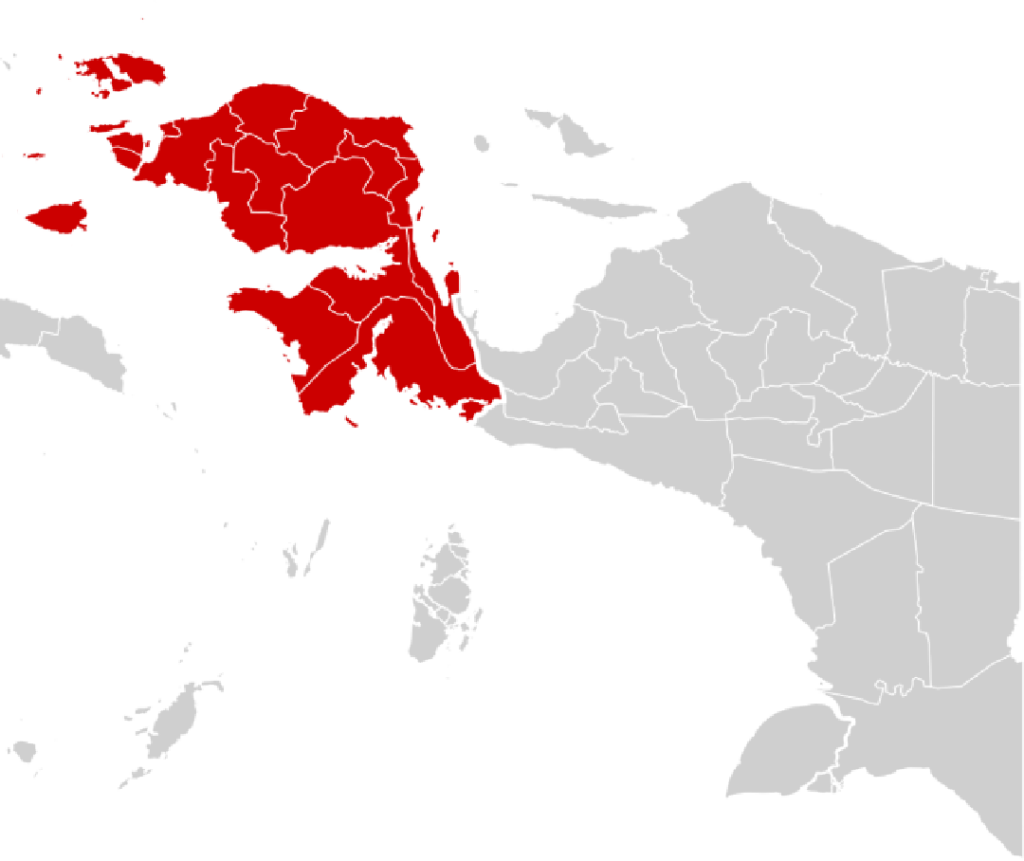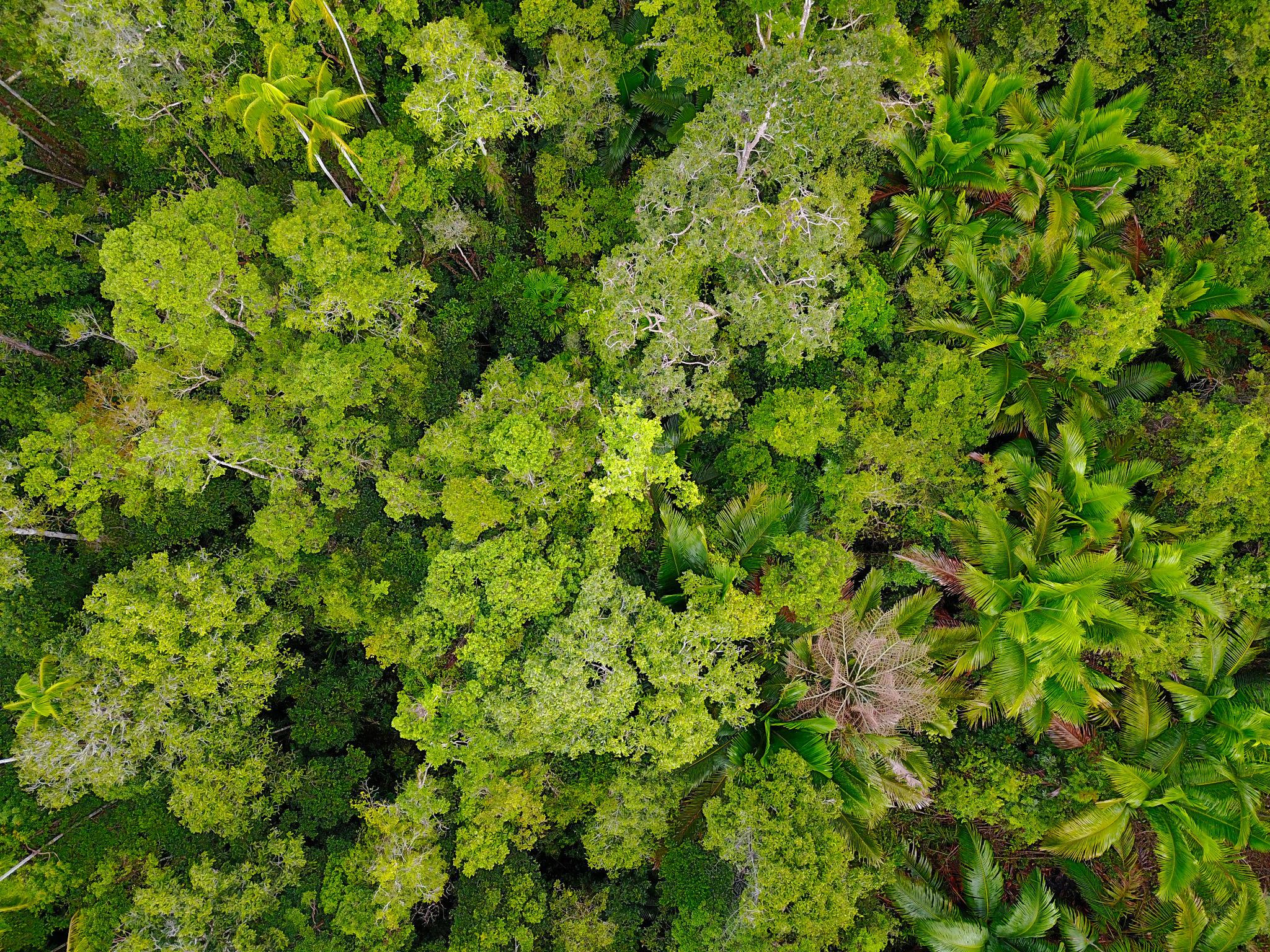
In the early morning, when the mist is still low over the forest floor in Papua, you can sometimes hear footsteps under the tall trees. These are not human footsteps; they are the slow steps of a cassowary looking for fallen fruit in thick underbrush. A pig-nosed turtle swims through clear water in a quiet river that is shaded by a forest. It comes up for a moment before going back down into the current.
Papua still has scenes like this today. That fact alone is amazing in a world where forests are getting smaller and animals are going extinct at an alarming rate. What makes Papua’s story even more interesting is that many of these animals are living in both protected conservation areas and production forests that are actively managed for economic use.
It seemed impossible for a long time that logging and protecting wildlife could happen at the same time. People often thought that production forests were the first step toward destroying habitats. But in Papua, things are going differently. The region has been able to protect some of its most famous native species, like the cassowary and the pig-nosed turtle, while still letting communities and businesses use forest resources.
It is not a perfect system, and it does have its problems. But it is a human story about making careful choices, knowing the area, getting help from scientists, and learning that forests are not just things to take but living systems that need to be cared for.
A Forest That Is Still Alive
Papua has one of the largest remaining areas of tropical rainforest in the Asia-Pacific region. These forests have changed over millions of years, making homes that are not found anywhere else on Earth. The forest is more than just a pretty view for people who live nearby. It gives people food, medicine, a place to live, and a sense of who they are.
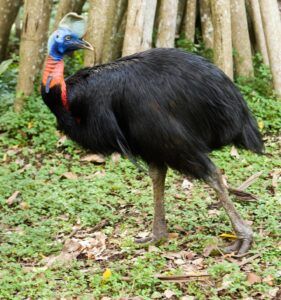
The cassowary is one of the animals that needs these forests the most. People often say that this big bird is shy and hard to find, but it plays an important role in the environment. When cassowaries eat fruit and walk around large areas of forest, they spread seeds that help trees grow back. Many big fruit trees would have a hard time living without cassowaries.
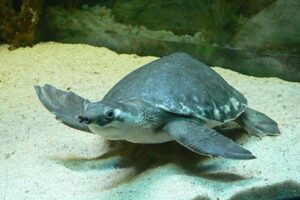
The pig-nosed turtle tells a similar story from the water. This turtle can only be found in parts of Papua and northern Australia. It needs clean rivers and healthy forests to live. The forest keeps the riverbanks safe, keeps the water temperature stable, and stops sediment from covering up nesting areas. Turtles follow when forests go away.
For many years, conservationists were afraid that production forests would break up these habitats and scare away animals. Researchers are now seeing something different in Papua that makes them think something else is possible.
Thinking Again About What a Production Forest Can Be
A production forest doesn’t have to mean destruction. In Papua, rules that limit how much forest can be used, how trees can be cut down, and which areas must stay untouched are what make sustainable production forest management work.
Logging is done in a way that doesn’t clear large areas all at once. Protected are sensitive habitats like wildlife corridors and riverbanks. Forest managers must carefully plan their work and keep an eye on how it affects the environment over time.
Researchers who are looking into these forests have found some good news. Camera traps and surveys have found more than 100 cassowaries living in areas where trees are grown for timber. These results suggest that the structure of the forest is still strong enough to support breeding, feeding, and movement.
This is a big deal for scientists. Cassowaries are known to stay away from places that are noisy. Their presence shows that the way forests are managed is keeping the conditions they need to live.
Following the Animals’ Steps
Researchers in the field often talk about how long it takes to walk through thick forest, follow faint trails, and listen for movement. One researcher remembered the time a cassowary crossed a logging road that had been carefully planned to cause as little disruption as possible. The bird didn’t get scared. It moved slowly, as if it still owned the forest.
The research team remembered that moment. It suggested that wildlife doesn’t leave right away when forests are managed carefully. Animals adapt instead, as long as their basic needs are met.
Pig-nosed turtles have also been seen doing similar things. Researchers keep finding turtles nesting and eating in rivers that run through forests that are managed in a way that is good for the environment. The water is still clear, shady, and full of life. Buffer zones along rivers keep heavy machinery from hurting banks and places where animals breed.
These results go against the long-held belief that wildlife must always suffer when forests are cut down for production.
People Who Live in the Forest Story
Policy alone does not drive sustainable forest management in Papua. It depends a lot on the people who live in and near the forest.
For generations, Indigenous people have lived with cassowaries and turtles. They know where animals eat, where they build their nests, and which areas should be left alone. This old knowledge is now an important part of how we manage forests today.
In a lot of places, people who live there help keep an eye on animals and report crimes. They help map important habitats and tell forest managers about seasonal changes. This partnership builds trust and makes sure that conservation is not forced on people from the outside, but instead comes from the people who know the land best.
For people who live in the village, protecting wildlife isn’t just about big ideas about the environment. It’s about keeping things in balance. Forests change when animals go away. People’s lives change when forests change.
Government Responsibility and Policy
The Indonesian government has been very important in setting the rules for sustainable production forests in Papua. Before any forest area can be used, rules say that environmental assessments, community input, and long-term planning must be done.
Authorities also keep an eye on compliance and support certification programs that reward good forest management. Companies that do business in these areas must follow strict rules or risk penalties.
This way of thinking is part of a bigger change in how people think. Policymakers are trying to make conservation and development work together instead of choosing between them. It is possible to make this work when rules are followed and communities are involved, as shown by the fact that cassowaries and pig-nosed turtles live in production forests.
The Bigger Picture of Climate Change
Sustainable forests in Papua are important for fighting climate change, in addition to being home to wildlife. These forests hold a lot of carbon, which helps slow down global warming. They also control the amount of rain that falls and keep water sources safe for communities.
As climate change makes the weather less predictable and the temperatures rise, forests that are still standing become even more valuable. They protect against floods, droughts, and the collapse of ecosystems.
Papua’s production forests help both locally and globally by keeping forests standing while allowing limited economic use. They help people make a living without hurting the future.
Not a Perfect Story, But a Real One
Being honest is very important. There are risks involved in managing a sustainable production forest. Illegal logging, weak enforcement, and pressure from the economy are still big problems. The balance can quickly fall apart if rules are not followed.
Researchers and community leaders say that success depends on always being on the lookout. Monitoring must go on. People in communities need to be heard. Businesses need to be held responsible.
Just because cassowaries and pig-nosed turtles are around today doesn’t mean they’ll be around tomorrow. It does show that destruction doesn’t have to happen if people are careful, scientific, and respectful.
A Different Way to Go
Papua gives us a different view of the world, where forests are often just numbers and things to sell. In this area, production forests are becoming places where people live and work together.
A cassowary walking through a forest that also supports human life is a strong message. Not all conservation means keeping people out. Sometimes it means learning how to use space wisely.
Papua’s experience is important for people from other countries. It shows that protecting biodiversity is possible in working landscapes, not just in areas that are strictly protected. It reminds us that people are not separate from ecosystems; they are part of them.
The Forest’s Quiet Success
When a pig-nosed turtle lays eggs in a riverbank that is protected by sustainable forest management, there are no big ceremonies. There are no headlines that say when a cassowary successfully raises its young. These wins are quiet.
But they are real.
Every animal that lives is proof that choices do matter. Every forest that is still standing is proof that people can hold back from using too much.
Sustainable production forests in Papua are not just about taking care of trees. They are keeping stories, species, and the future safe. The forest itself tells us that living together is still possible as long as cassowaries keep moving around and turtles keep swimming.