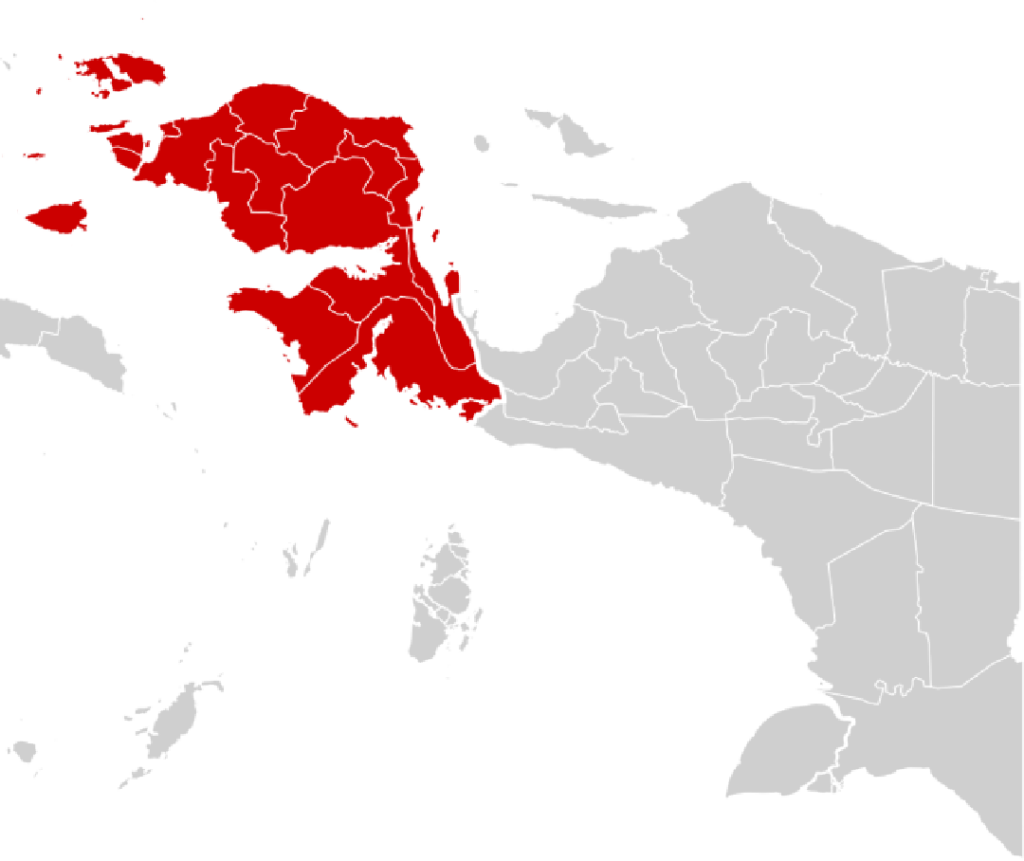
Throughout 2025, Papua remained one of Indonesia’s most complex security environments, shaped by rugged geography, historical grievances, and the continued presence of Armed Criminal Groups (KKB) affiliated with the Free Papua Movement, or OPM. In this challenging context, the Damai Cartenz Task Force carried out a series of sustained operations aimed at reducing violence, protecting civilians, and restoring a sense of security across affected regions. Rather than relying on short-term responses, the task force pursued a long-term strategy built on intelligence-driven operations, law enforcement, and community engagement.
By the end of the year, the achievements recorded by the task force reflected not only tactical successes on the ground but also a growing capacity to confront the evolving nature of armed threats in Papua. From confiscating illegal firearms to dismantling propaganda networks operating in cyberspace, the task force demonstrated that modern security challenges require a combination of physical presence and strategic adaptation.
Weakening Armed Capacity Through Weapons Seizures
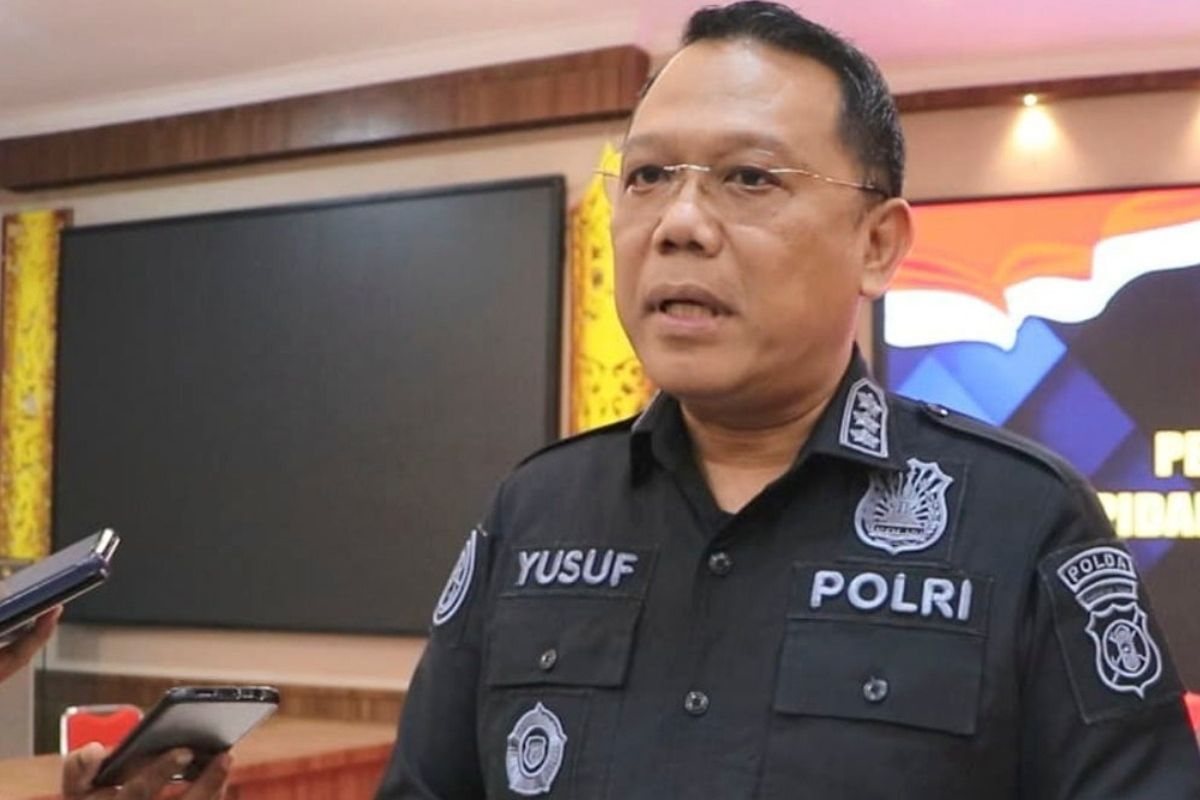
One of the most concrete indicators of progress in 2025 was the significant reduction in the operational capacity of armed criminal groups through weapons seizures. Over the course of the year, the Damai Cartenz Task Force successfully confiscated 29 firearms from KKB elements operating across multiple districts in Papua, said Head of Public Relations for the Gartenz Peace Operation Task Force, Senior Commissioner of Police Yusuf Suteja, in a statement to reporters. These weapons included long rifles and handguns that had previously been used in attacks against civilians, security personnel, and public infrastructure.
Alongside firearms, security forces also seized 4,194 rounds of ammunition, 45 of magazines, 2 explosives, 57 documents related to KKB and other items associated with violent activity, including homemade weapons and traditional arrows adapted for modern conflict. The recovery of these materials took place in more than ten regencies, including Jayapura, Mimika, Nduga, Yahukimo, Puncak, and Pegunungan Bintang, areas that have historically experienced recurring security disturbances.
Each weapon removed from circulation represented more than a statistical achievement. For local communities, it meant a reduced risk of sudden violence and a gradual restoration of normal daily activities. By systematically limiting access to arms, the task force weakened the ability of KKB groups to launch coordinated attacks or intimidate residents, particularly in remote areas where law enforcement presence had previously been limited.
Law Enforcement Actions and the Rule of Law
Beyond confiscating weapons, the Damai Cartenz Task Force focused on enforcing the law through arrests and targeted operations against individuals directly involved in violence. Throughout 2025, 20 KKB members were apprehended, with many formally named as suspects and processed through the legal system. These arrests were the result of careful intelligence work, surveillance, and cooperation between police and military units operating under a unified command structure.
In several cases, armed confrontations occurred when suspects resisted arrest or posed an immediate threat to security forces and civilians. According to official data, 15 KKB members were killed during engagements in 2025. While such outcomes underscore the dangers faced by personnel in the field, authorities emphasized that lethal force was used only as a last resort in situations where lives were at risk.
The task force also succeeded in dismantling 14 KKB base camps. These locations had served as logistical hubs, training sites, and safe havens for armed groups. Their destruction disrupted command structures and limited the ability of KKB leaders to coordinate movements across regions. Over time, this erosion of infrastructure contributed to reduced mobility and operational effectiveness among armed elements.
Fighting the Information War in the Digital Space
Security challenges in Papua during 2025 were not confined to physical terrain. The Damai Cartenz Task Force also confronted a growing digital dimension of conflict, as armed groups increasingly relied on online platforms to spread propaganda, mobilize support, and shape narratives. Throughout the year, authorities identified more than 44,171 online links containing content that promoted violence, misinformation, or separatist propaganda associated with KKB activities.
This digital campaign represented a significant challenge, particularly among younger audiences who are highly connected through social media. The task force responded by strengthening its cyber monitoring capabilities and collaborating with relevant institutions to identify, document, and counter harmful content. Officials stressed that the goal was not to restrict legitimate expression but to prevent the spread of material that incited violence or distorted facts in ways that endangered public safety.
One notable development during the year was the task force’s clarification regarding individuals often perceived as spokespersons for OPM or KKB networks. Security officials explained that certain figures functioned more as online influencers rather than official representatives. This distinction was important in understanding how propaganda networks operate in a decentralized manner, making them harder to dismantle through traditional approaches.
New Challenges From a Younger Generation
While operational achievements were evident, the Damai Cartenz Task Force also acknowledged emerging challenges that will shape security dynamics in the coming years. Among these is the increasing involvement of younger individuals in armed groups. Authorities observed that some recruits belonged to a generation that is more digitally literate and influenced by online narratives, making recruitment methods more subtle and adaptive.
This shift has required adjustments in strategy. Younger recruits may not respond to traditional deterrence measures in the same way as previous generations. They are often influenced by identity narratives, social media campaigns, and peer networks that transcend geographic boundaries. Recognizing this trend, the task force began placing greater emphasis on preventive measures, including community outreach, education, and collaboration with local leaders to counter radicalization before it turns into violence.
Protecting Civilians and Restoring Public Confidence
At the heart of the Damai Cartenz Task Force’s mission is the protection of civilians. For many communities in Papua, years of sporadic violence have disrupted livelihoods, education, and access to basic services. Armed attacks have not only caused loss of life but have also created a climate of fear that undermines social cohesion.
Throughout 2025, increased patrols and rapid response units helped restore a sense of security in previously vulnerable areas. In several regencies, residents reported improved freedom of movement and greater confidence in conducting daily activities such as farming, trading, and attending school. While challenges remain, the consistent presence of security forces has contributed to a gradual normalization of life in some regions.
Importantly, the task force sought to avoid a purely militaristic approach. Leaders emphasized that lasting peace cannot be achieved through force alone. Instead, security operations were paired with efforts to engage communities respectfully and understand local concerns.
A Human-Centered Approach to Security
In parallel with enforcement actions, the Damai Cartenz Task Force implemented a human-centered approach designed to build trust with local populations. Throughout the year, personnel participated in cultural activities, community meetings, and social programs aimed at reducing tension and fostering dialogue. These initiatives were particularly important in areas where historical mistrust toward state institutions remains strong.
One symbolic moment occurred toward the end of the year, when task force members joined local communities in Jayapura during the holiday season, distributing gifts to children and supporting community events. While modest in scale, such gestures carried symbolic weight, reinforcing the idea that security forces are present not only to enforce the law but also to serve and protect the community.
These efforts reflected a broader understanding within the task force that security is inseparable from social trust. By engaging with communities as partners rather than adversaries, authorities hope to reduce the social space in which armed groups operate.
Measuring Progress in a Complex Environment
Evaluating success in Papua requires a long-term perspective. The achievements of the Damai Cartenz Task Force in 2025 demonstrate measurable progress in reducing armed capacity, disrupting violent networks, and countering propaganda. However, officials have been careful to emphasize that these gains do not mark an end to the challenges facing the region.
Papua’s security landscape remains dynamic, influenced by geography, socio-economic disparities, and evolving tactics among armed groups. The task force’s experience in 2025 has reinforced the importance of adaptability, coordination, and sustained commitment.
Conclusion
As Indonesia moves into 2026, the lessons learned from the Damai Cartenz Task Force’s 2025 operations will shape future strategies. Authorities are expected to continue refining intelligence capabilities, strengthening digital monitoring, and expanding community-based prevention programs. The goal is not only to respond to violence but also to address the underlying conditions that allow it to persist.
The record of 2025 suggests that a comprehensive approach combining firm law enforcement with human engagement can produce meaningful results. While peace in Papua remains a work in progress, the efforts of the Damai Cartenz Task Force have laid important groundwork toward reducing threats and building a more stable environment for civilians.
In a region where security challenges are deeply intertwined with human realities, the task force’s work stands as a reminder that lasting peace requires persistence, patience, and a commitment to protecting both lives and dignity.