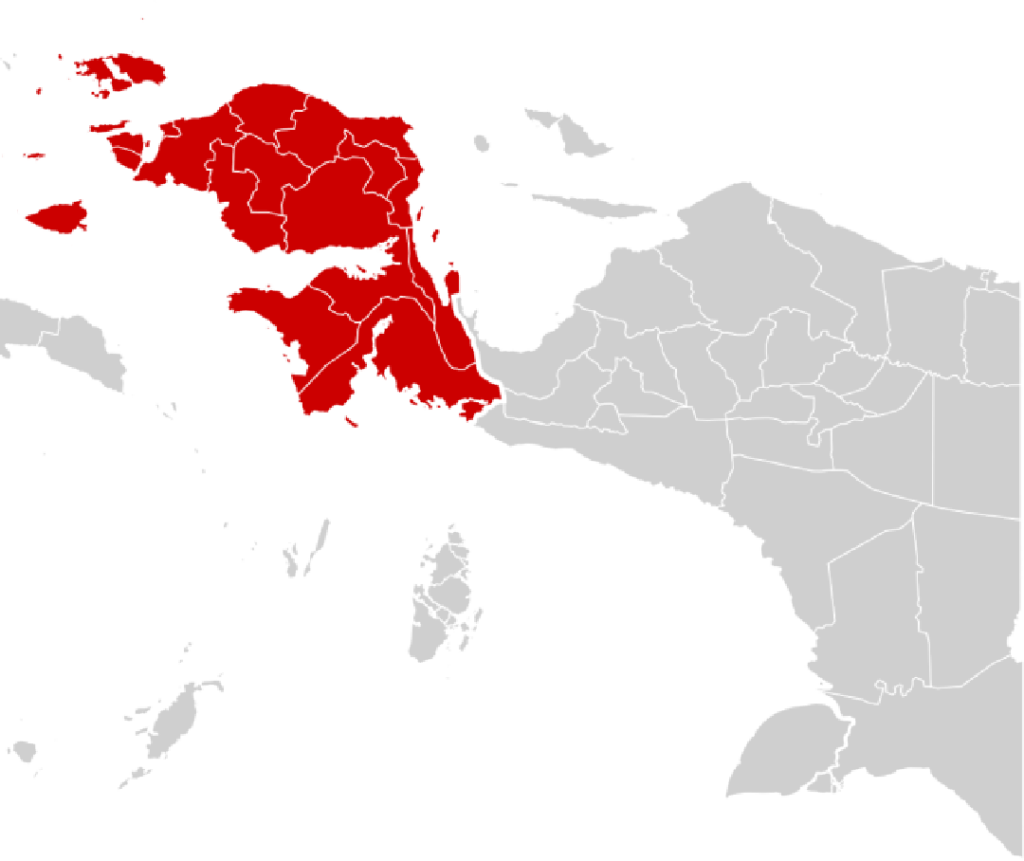
For many Papuans, government policy is not just discussed in meeting rooms in Jakarta. It is felt in classrooms where children wait for teachers, in remote clinics that struggle to provide medicine, and in villages where infrastructure determines whether communities can connect to markets or remain isolated. When President Prabowo Subianto announced that Papua’s Special Autonomy Fund (Dana Otonomi Khusus, or Otsus) would be restored to Rp 12 trillion for the 2026 fiscal year, the decision resonated far beyond the national budget tables.
The policy marked a clear reversal from earlier projections that suggested Papua’s special autonomy allocation could fall to around Rp 10 trillion. Instead, Prabowo chose to return the funding to its full level, sending a political and moral message that Papua remains a priority within Indonesia’s national development agenda. For communities across Papua, the decision was interpreted not merely as a fiscal adjustment, but as a sign of renewed attention, trust, and responsibility.
Understanding the Weight of the Special Autonomy Fund
The Papua’s special autonomy framework was designed to address long-standing inequalities. The region’s vast geography, difficult terrain, and historical development gaps have always made service delivery more complex than in many other parts of Indonesia. Through special autonomy, Papua receives additional authority and financial resources to manage its own development according to local needs.
The Special Autonomy Fund plays a central role in this framework. It supports essential sectors such as education, health care, poverty alleviation, indigenous empowerment, and infrastructure development. In many districts, particularly in remote highland and coastal areas, the special autonomy is the backbone of public service delivery. Any reduction in its value can have immediate consequences for daily life.
When early discussions emerged suggesting that the 2026 allocation could drop significantly, local leaders expressed concern. Projects that required continuity, such as school construction, health facility upgrades, and scholarship programs, faced uncertainty. Community leaders feared that budget instability could undermine the fragile progress achieved in recent years.
It was against this backdrop that President Prabowo’s intervention carried particular weight.
A Clear Message from the President
During a high-level meeting with regional leaders from across Papua, President Prabowo addressed the issue directly. He acknowledged the concerns raised by governors, regents, and mayors, and he made a firm commitment to restore the Special Autonomy Fund to approximately Rp 12 trillion for 2026.
According to reports by national news, the president described the decision as a reflection of his commitment to the Papuan people. He emphasized that special autonomy is not symbolic but practical. It must translate into tangible improvements in welfare, education, and health. By restoring the fund to its full value, Prabowo signaled that Papua’s development should not move backward.
However, the decision was accompanied by a strong message on accountability. Prabowo stressed that the funds must be used responsibly and directly for the benefit of the people. He warned against wasteful spending and emphasized that local governments must prioritize programs that create real impact on the ground.
This balance between generosity and discipline became a defining feature of the policy.
Accountability as a Condition for Trust
President Prabowo’s approach to Papua’s special autonomy funding reflects his broader governance philosophy. He has repeatedly stated that large budgets must be matched by strong accountability. In the case of Papua, this message was delivered clearly and publicly.
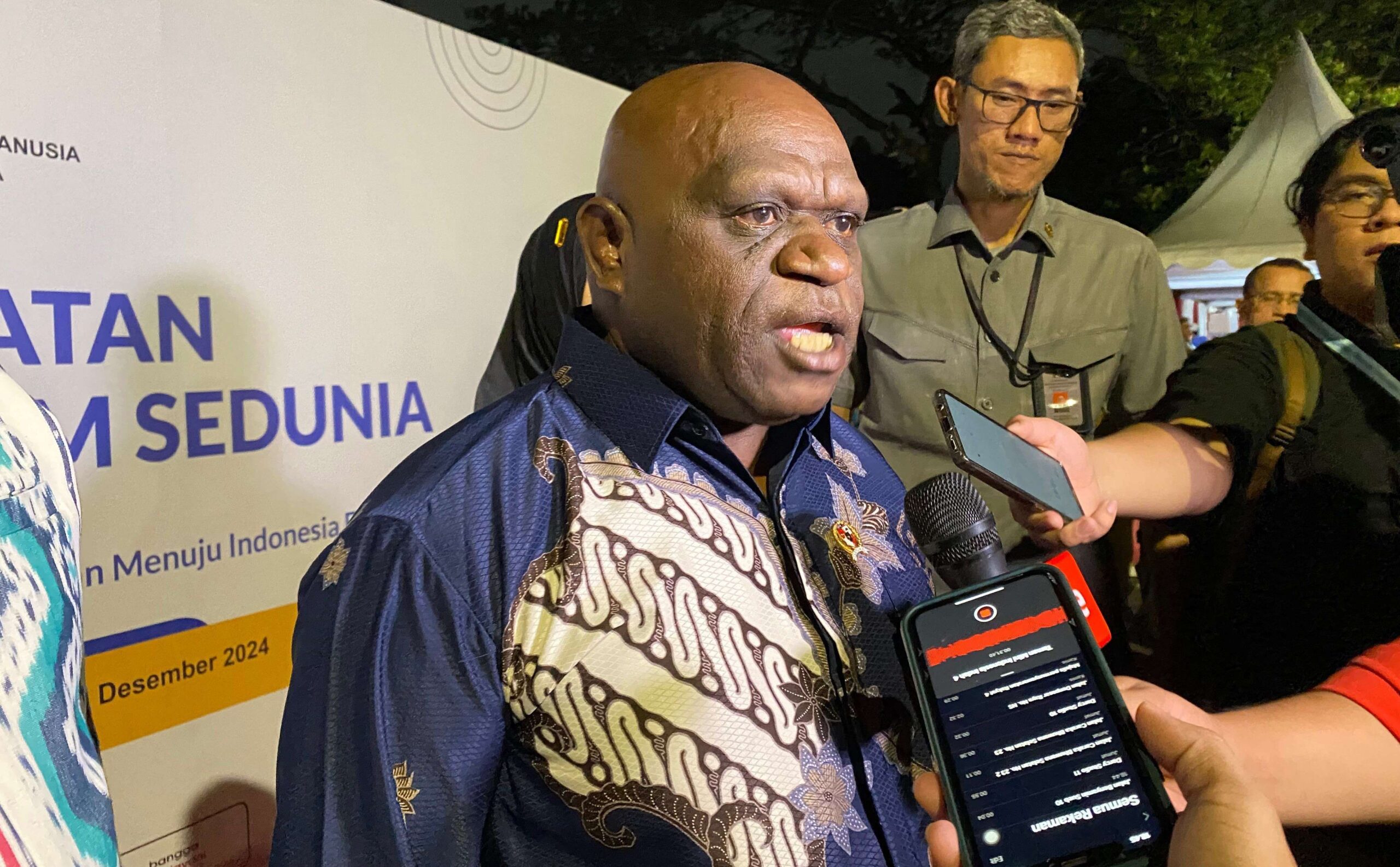
He reminded regional leaders that special autonomy funds are not meant for ceremonial expenses or overseas travel that does not serve public interest. Instead, the money must strengthen human development, improve access to basic services, and reduce poverty. This emphasis was echoed by Minister of Human Rights Natalius Pigai, himself a Papuan, who described the restored funding as concrete proof of Prabowo’s concern for the Papuan people.
Pigai highlighted that restoring the fund was not an easy political choice, especially amid broader national budget pressures. Yet, according to him, the President understood that cutting Papua’s funding would send the wrong message and risk deepening distrust. Restoring the full amount, therefore, became a matter of moral responsibility as much as fiscal policy.
Local Reactions Across Papua
Across Papua, the reaction to the announcement was largely positive. Provincial governments welcomed the clarity and stability that the restored funding would provide. With a confirmed allocation for 2026, planning could proceed with greater confidence.
In urban centers such as Jayapura and Sorong, education officials spoke about the importance of consistent funding for scholarship programs and school operations. Many students from indigenous Papuan backgrounds rely on special autonomy funding to access higher education. Uncertainty in funding often translates into uncertainty for students and families.
In more remote districts, the response carried a deeper sense of relief. Village leaders spoke about infrastructure projects that had been delayed in the past due to budget constraints. With the restored allocation, they hoped to resume road construction, clean water initiatives, and electrification projects that directly affect quality of life.
Health workers also welcomed the policy. Many clinics in Papua operate under difficult conditions, with limited equipment and staff. Special autonomy funding often supports mobile health services, maternal care programs, and nutrition initiatives for children. Stability in funding means continuity in care.
A Political Signal to Papua and the Nation
Beyond its practical impact, the decision to restore the Special Autonomy Fund carries political significance. Papua has long been sensitive to signals from the central government. Policies related to autonomy and development are often interpreted as reflections of how Jakarta views Papua’s place within the Republic.
By restoring the fund to its full value, President Prabowo sent a message that Papua is not being sidelined. Instead, it is being treated as a region that requires sustained investment and attention. This approach aligns with the president’s broader vision of national unity built on fairness and inclusion.
Political observers have noted that the decision strengthens the legitimacy of the special autonomy framework itself. At a time when some critics question the effectiveness of autonomy policies, restoring the fund demonstrates a willingness to improve implementation rather than abandon the concept.
Challenges That Remain
Despite the optimism surrounding the restored funding, challenges remain. Papua’s development issues are complex and cannot be solved by budget increases alone. Effective governance, transparency, and capacity building at the local level are essential to ensure that funds translate into meaningful outcomes.
There have been past concerns about inefficiency and misuse of special autonomy funds in some regions. President Prabowo’s emphasis on accountability reflects an awareness of these challenges. Moving forward, stronger monitoring mechanisms and clearer performance indicators will be critical.
Local governments are also expected to improve planning and coordination. Fragmented programs and overlapping initiatives can dilute impact. With a substantial budget at their disposal, Papuan administrations face higher expectations from both the central government and their own communities.
A New Chapter for Special Autonomy
The restoration of Papua’s Special Autonomy Fund to Rp 12 trillion for 2026 marks an important chapter in the relationship between Papua and the central government. It reflects a policy choice rooted in trust, responsibility, and long-term vision.
For President Prabowo, the decision reinforces his stated commitment to building Indonesia from its peripheries, not just its centers. For Papuans, it offers reassurance that their voices are being heard at the highest level of government.
The true measure of this policy, however, will not be found in budget documents alone. It will be seen in improved schools, healthier communities, stronger local economies, and greater confidence among Papuans that development is moving in the right direction.
As 2026 approaches, expectations are high. With restored funding comes renewed responsibility. The challenge now lies in transforming this financial commitment into lasting progress that honors the purpose of special autonomy and strengthens the bond between Papua and the nation as a whole.