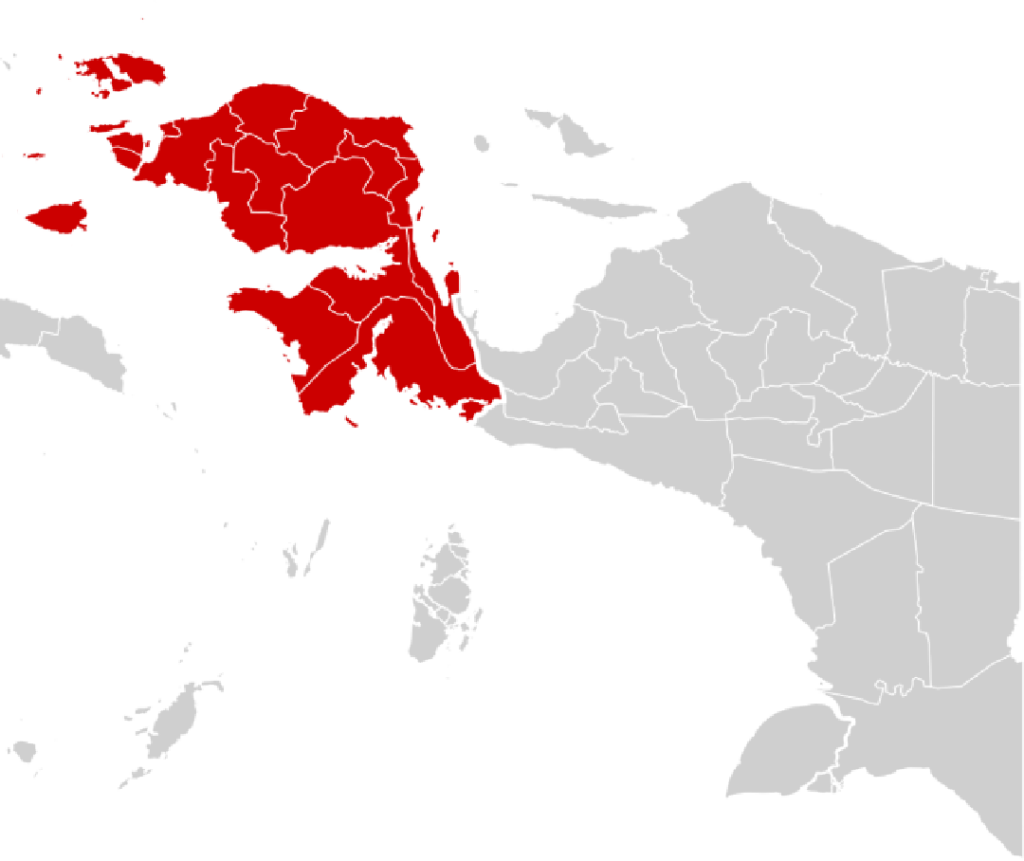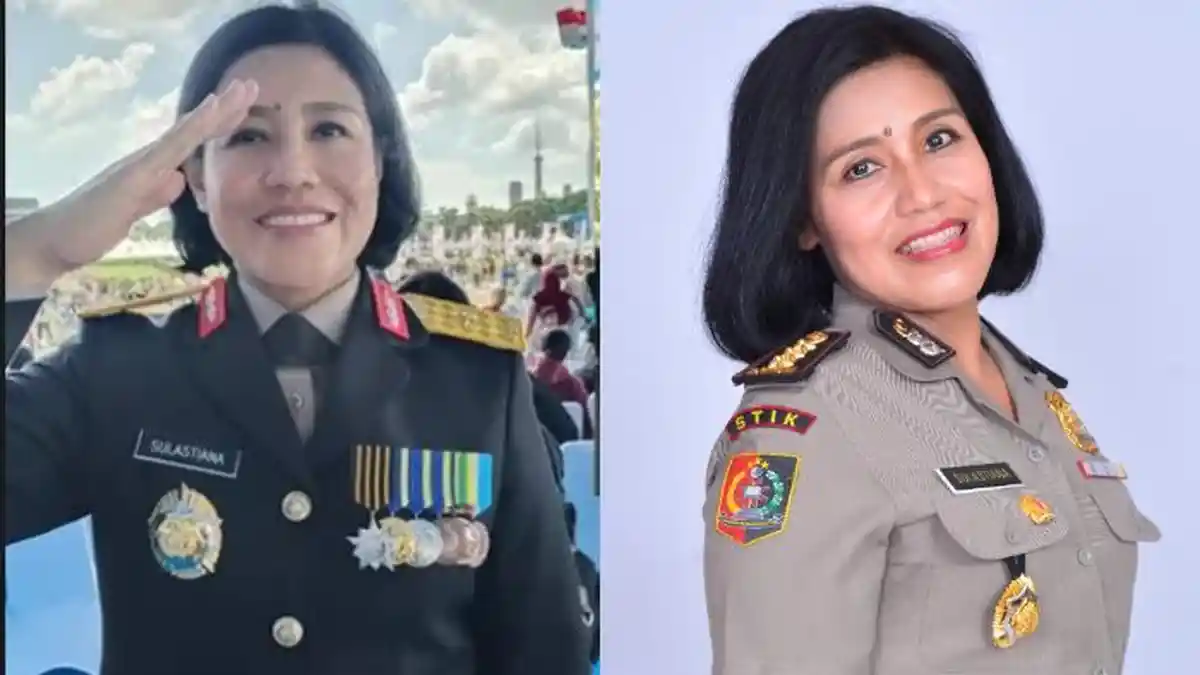
The appointment of Brigadier General of Police Dr. Sulastiana as Deputy Chief of the Papua Barat (West Papua) Regional Police marked a significant moment not only within the Indonesian National Police (Polri), but also in the social and institutional life of Papua Barat itself. Announced as part of a large-scale police rotation and promotion involving more than a thousand personnel, her designation stood out for its symbolic and practical importance. For the first time, a woman with an extensive academic background and decades of professional experience was entrusted with one of the most strategic leadership roles in the region’s law enforcement structure.
Across Papua Barat, from Manokwari to Sorong, the news prompted discussion, reflection, and expectation. Many residents saw the appointment as more than an administrative decision. It was perceived as a signal of change, an affirmation that leadership in the police force is increasingly shaped by merit, education, and integrity rather than tradition alone. For communities that have long hoped for policing that listens as much as it enforces, Dr. Sulastiana’s arrival represented cautious optimism and renewed trust.
A Leader Shaped by Education and Discipline
Brig. Gen. Pol Dr. Sulastiana’s career is often described as uncommon, even within the Indonesian National Police. She is not only a senior officer, but also a scholar whose academic journey parallels her professional service. Her educational background spans political science, public administration, law, and criminology, culminating in a doctoral degree that she earned with distinction. This academic foundation has deeply influenced how she approaches policing, governance, and institutional responsibility.
Before assuming her role in Papua Barat, Dr. Sulastiana served as a Senior Auditor at the Police Internal Supervisory Inspectorate. In that position, she was tasked with ensuring accountability, transparency, and compliance across police units nationwide. Her work required precision, independence, and the courage to uphold standards even in challenging circumstances. Colleagues often describe her as firm yet measured, someone who prioritizes principles without losing sight of human realities.
Beyond her institutional duties, she has also been active in academia as a lecturer, sharing her knowledge with students and young professionals. In lecture halls and seminars, she emphasized that policing is not merely about authority, but about understanding social dynamics, human behavior, and the ethical responsibilities of power. This combination of academic insight and operational experience has become one of her defining strengths.
Breaking a Barrier in Papua Barat
Dr. Sulastiana’s appointment carries historical weight. She is the first woman to serve as Deputy Chief of the Papua Barat Regional Police, a position that places her at the heart of decision-making in a region known for its complexity. Papua Barat presents unique challenges in law enforcement, shaped by geography, cultural diversity, and social dynamics that require sensitivity and adaptability.
For many women within the police force, her rise is deeply inspiring. It challenges long-standing perceptions about leadership roles in security institutions and opens conversations about equal opportunity based on competence. Younger female officers see in her career a tangible example that professional dedication and continuous learning can lead to the highest levels of responsibility.
Community leaders in Papua Barat also recognize the symbolic importance of her appointment. In a society where representation matters, having a woman in such a senior role sends a message about inclusivity and modernization within public institutions. It suggests that the police force is evolving, becoming more reflective of the society it serves.
Public Expectations and Community Hopes
The response from the public has been marked by hope rather than celebration. Residents understand that leadership changes alone cannot instantly resolve long-standing challenges. Yet many believe that Dr. Sulastiana’s background equips her with the tools needed to strengthen trust between the police and the community.
In conversations among civil society groups, religious leaders, and local elders, several hopes consistently emerge. There is a desire for policing that prioritizes dialogue and prevention, particularly in areas where misunderstandings can escalate into conflict. People want to see law enforcement officers who are present in communities not only during crises, but also in everyday life, building relationships and understanding local concerns.
There is also hope that her leadership will encourage internal reform, especially in professional standards and human resource development. Her experience in supervision and auditing has led many to believe that she will emphasize discipline, ethical conduct, and transparency. For communities that measure trust by consistency and fairness, these qualities are seen as essential.
Understanding Papua Barat’s Unique Context
Papua Barat is unlike any other region in Indonesia. Its vast terrain, remote areas, and cultural richness require policing strategies that are both firm and flexible. Law enforcement officers often operate in challenging conditions, traveling long distances to serve communities that are geographically isolated. In such an environment, leadership must be adaptive and grounded in local realities.
Dr. Sulastiana’s academic training in criminology and political science provides her with a framework to analyze these challenges holistically. Rather than viewing security issues in isolation, she is known to consider social, economic, and cultural factors that influence public order. This approach resonates with community expectations that policing should be responsive rather than reactive.
Local leaders have expressed hope that her tenure will strengthen cooperation between the police, local governments, and customary institutions. In Papua Barat, traditional leaders play an important role in maintaining harmony. Effective policing often depends on respectful engagement with these structures, something many believe Dr. Sulastiana understands well.
Leadership Beyond Authority
Those familiar with Dr. Sulastiana’s career often highlight her leadership style. She is described as disciplined yet approachable, decisive yet willing to listen. These qualities are particularly valued in Papua Barat, where mutual respect can determine the success or failure of law enforcement initiatives.
Her experience as an educator has shaped her belief that leadership is also about mentoring. Within the police force, she is expected to play a key role in guiding younger officers, helping them navigate the ethical and professional demands of policing. This internal focus is seen as critical for long-term institutional strength.
Observers also note her consistent emphasis on protecting vulnerable groups, including women and children. Given national priorities to combat violence and improve victim protection, her leadership is expected to align Papua Barat’s policing strategies with broader efforts to safeguard human dignity.
A Moment of Transition and Opportunity
The timing of Dr. Sulastiana’s appointment is significant. Indonesia is undergoing continuous reform in its public institutions, including the police. Expectations for transparency, professionalism, and community engagement are higher than ever. In this context, her appointment reflects an institutional willingness to embrace leaders who combine experience with new perspectives.
For Papua Barat, this moment represents an opportunity to deepen trust between citizens and law enforcement. Trust is not built through statements alone, but through consistent actions over time. Residents understand that challenges remain, yet many are willing to give space for leadership that demonstrates sincerity and accountability.
Media coverage of her appointment has largely focused on her achievements and the historic nature of her role. However, among ordinary citizens, the conversation is more personal. People speak of wanting to feel safer in their neighborhoods, to see fair treatment, and to know that their concerns are heard. These everyday expectations form the real measure of leadership success.
Conclusion
As Brig. Gen. Pol Dr. Sulastiana begins her tenure as Deputy Chief of the Papua Barat Regional Police, she steps into a role shaped by responsibility and public scrutiny. Her journey reflects a blend of discipline, intellect, and perseverance, qualities that resonate with the aspirations of many in the region.
Her appointment does not signal an end to challenges, but it does mark a new beginning. It invites dialogue about what policing should look like in a diverse and evolving society. It encourages reflection on leadership that values integrity over image and service over status.
For Papua Barat, the hope is simple yet profound. That under inclusive and capable leadership, the police will continue to grow as a professional institution that protects, serves, and respects the communities it represents. In this sense, Dr. Sulastiana’s appointment is not only about one individual’s achievement, but about a shared vision for a more responsive and humane approach to public security.