In many parts of Papua, food does not simply arrive. It travels.
Rice, the staple for most Indonesians, often comes from ships or planes, crossing long distances before reaching local markets. By the time it arrives in places like Jayapura or Keerom, it carries more than just grain. It carries the cost of transport, the uncertainty of supply, and the reality of dependence.
For years, this has been part of daily life.
Now, the provincial government is trying to change that.
A Plan That Starts With Land
In 2026, authorities in Papua set a target that immediately caught attention. They want to develop around 18,000 hectares of new rice fields across several regions.
On paper, the number is large.
On the ground, it represents something more practical.
Land that can be planted. Water that can be managed. Work that can be created.
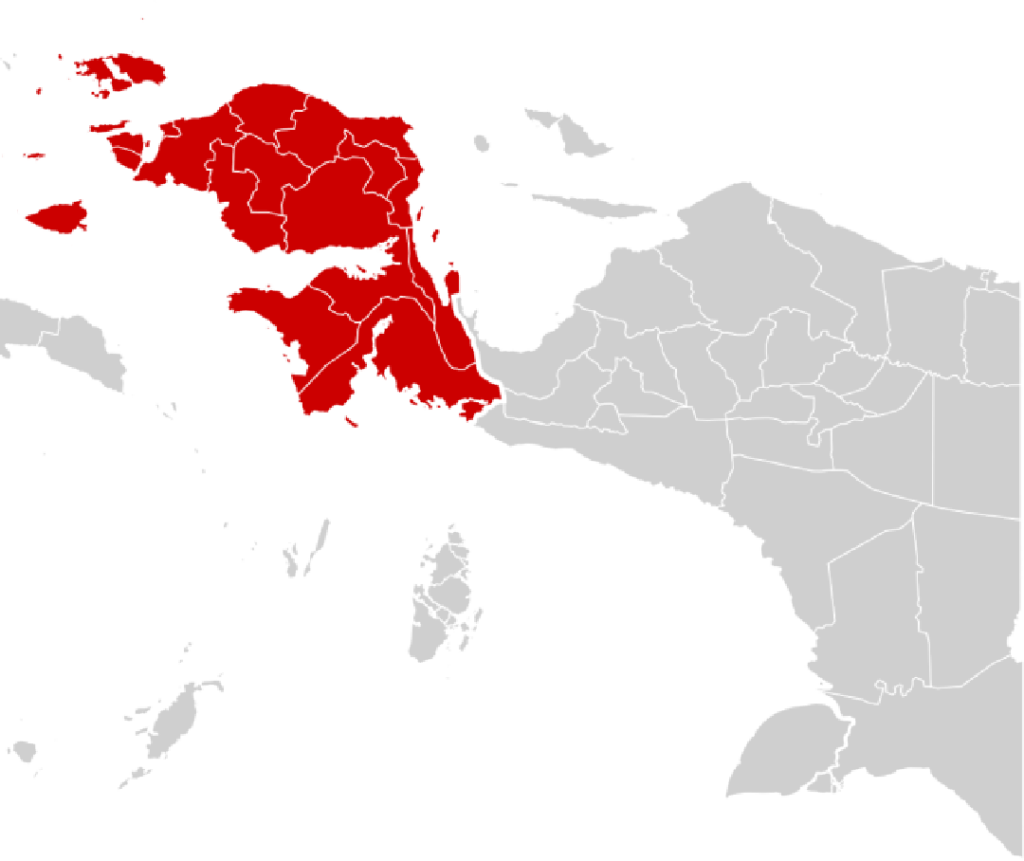
The focus is on areas such as Keerom, Jayapura, Waropen, and Yapen. These are not random choices. They are places where the land has potential, where access is possible, and where agriculture can realistically grow.
Officials say the program builds on earlier efforts. About 1,000 hectares had already been prepared the previous year. What is happening now is an expansion, not a sudden leap.
Still, the scale matters.
If successful, it could change how Papua feeds itself.
Why Rice Matters Here
Papua has never been a traditional rice region.
Local communities have long relied on crops like sago and sweet potatoes. These foods are part of daily life and cultural identity.
But over time, rice has become increasingly important.
Urban populations have grown. Consumption patterns have shifted. Demand has risen.
The problem is that supply has not kept up locally.
Much of the rice consumed in Papua comes from other parts of Indonesia. That creates a gap between what people need and what the region can produce.
And that gap comes with consequences.
Prices can rise. Supply can fluctuate. Dependence becomes normal.
This is what the new program is trying to address.
From Dependence to Production
At its core, the plan is about reducing reliance on external supply.
If Papua can produce more of its own rice, it becomes less vulnerable to disruptions. It gains a measure of control over its food system.
That idea is simple.
But putting it into practice is not.
Developing rice fields in Papua requires more than land. It requires preparation.
Soil must be tested. Water systems must be built. Roads must connect fields to markets.
It is a process that takes time.
The Work Behind the Fields
In places like Keerom, early stages of development are already visible.
Land is being cleared carefully. Irrigation systems are being planned. Farmers are beginning to prepare for planting.
It is not dramatic work.
There are no large machines transforming landscapes overnight.
Instead, it is gradual.
A piece of land prepared here. A water channel built there. A group of farmers trained in new techniques.
Step by step, the system takes shape.
One agricultural worker described it simply.
“You cannot rush this. If you rush, it fails.”
What It Means for Farmers
For local communities, the project is not just about food.
It is about opportunity.
Agriculture at this scale creates work. Farmers are needed to cultivate the land. Others are involved in maintaining irrigation, transporting crops, and managing distribution.
In regions where formal employment can be limited, this matters.
A farmer in Jayapura explained it in practical terms.
“If there is land and support, people will work. If people work, life improves.”
That connection between land and livelihood is not new.
But it is being strengthened.
Building Skills Along the Way
One of the less visible parts of the program is training.
Farmers are being introduced to new methods. Agricultural extension workers are helping them understand soil management, planting cycles, and crop maintenance.
This is important.
Rice farming requires different techniques than traditional crops.
Without proper knowledge, yields can be low. With the right approach, productivity increases.
The goal is not just to plant rice.
It is to do it well.
A National Context
The initiative in Papua is not happening in isolation.
Across Indonesia, there has been a growing focus on food security. The government has been looking for ways to strengthen local production and reduce reliance on imports.
Papua is part of that picture.
Its vast land area offers potential, even if that potential has not always been fully utilized.
By increasing rice production in Papua, the country moves closer to a more balanced system.
Each region contributes.
Each region supports itself.
Challenges That Cannot Be Ignored
Despite the ambition, the project faces real challenges.
Papua’s geography is not always friendly to large scale agriculture. Some areas are suitable for rice, others are not. Water management can be complex. Infrastructure is still developing.
There are also social considerations.
Land in Papua is closely tied to communities and traditions. Development must respect local ownership and involvement.
Without that, progress can be difficult.
Then there is the question of sustainability.
Expanding agriculture must be balanced with environmental protection. Papua’s ecosystems are among the richest in Indonesia.
Protecting them while developing land is a careful process.
A Different Pace of Development
One thing becomes clear when observing the project.
It moves at its own pace.
Not slow, but deliberate.
Officials understand that large targets cannot be achieved overnight. Each phase builds on the previous one.
Preparation leads to planting. Planting leads to harvest. Harvest leads to evaluation.
It is a cycle.
And like any cycle, it takes time to stabilize.
What Success Could Look Like
If the program reaches its goals, the impact will be visible in everyday life.
Rice will be more available locally. Prices may become more stable. Dependence on shipments from other regions could decrease.
For families, this translates into something simple.
Food that is easier to access.
For farmers, it means income.
For the region, it means resilience.
Looking Ahead
The next steps will be critical.
Land development must continue. Infrastructure must be completed. Farmers must receive ongoing support.
Monitoring progress will also matter.
Not every area will perform the same way. Adjustments will be needed.
But the direction is set.
Papua is moving toward a more self-sufficient food system.
Conclusion
For a long time, rice in Papua has been something that comes from elsewhere.
The new initiative aims to change that.
By developing 18,000 hectares of rice fields, the government is working to shift the balance from dependence to production.
It is not a quick fix.
It is a process.
But for communities that have long relied on external supply, even gradual change can make a difference.
In the end, the story is not just about agriculture.
It is about control.
Control over food, over livelihood, and over the future.