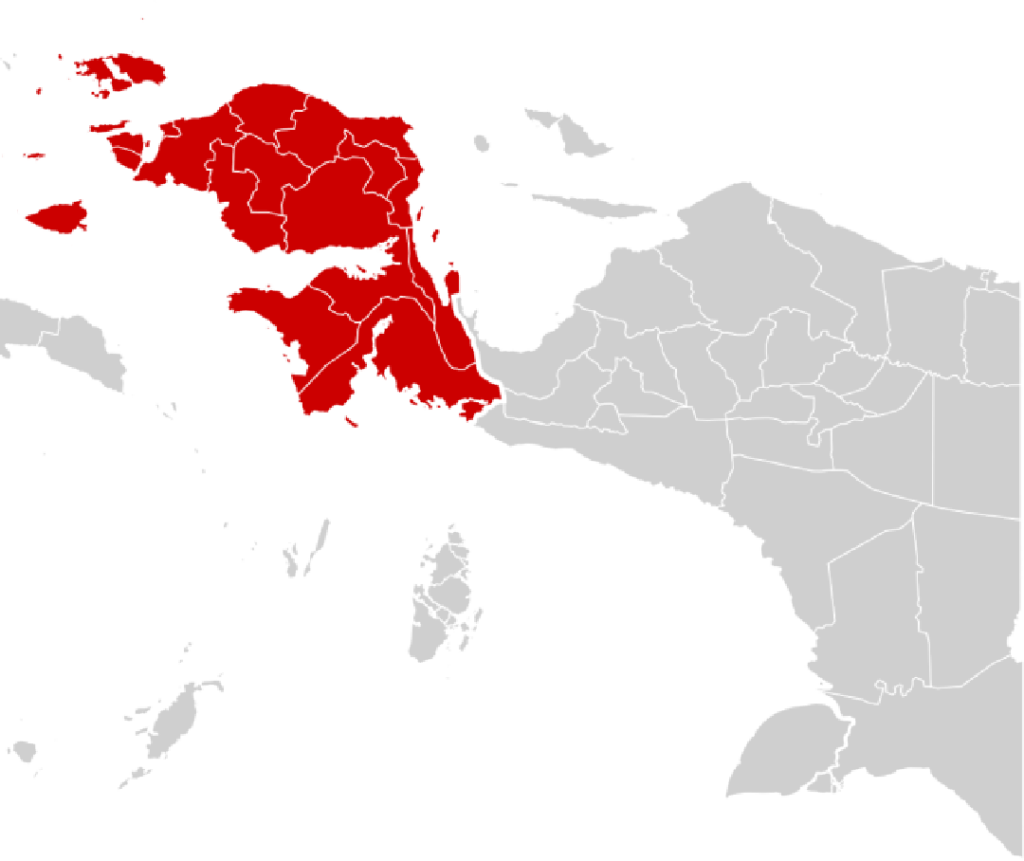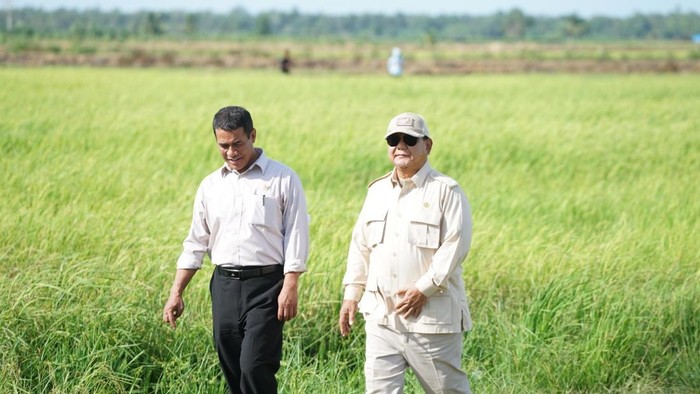
The fields of Papua Selatan (South Papua) get a lot of sun in the morning. They haven’t been used much in a long time, and they’re far from the country’s economic centers, but they have a lot of potential. In this part of Indonesia, which is very far away and hard to get to, a brave plan is coming together. This project could change not only the look of the area, but also the future of food security and infrastructure in one of the most important parts of the country.
The Food Estate Papua Selatan is a program run by the government. Its goals are to boost agricultural production, make the country’s food supply more stable, and speed up the construction of important infrastructure. Papua Selatan used to be seen as a small part of Indonesia, but it is now an important part of the country’s long-term food plan.
A Strong Vision
Food Estate is based on a simple but big idea. It wants to build big farms in places where there is land, enough water, and the chance to grow over time. As worries about climate change, food prices that go up and down all the time, and supply chain problems that affect Indonesia and the rest of the world grow, this vision has gained support in Papua Selatan.
The main goal of the Food Estate project is to make sure that Indonesia can grow rice, corn, and soybeans in a lot of different places instead of just a few. Papua Selatan is a good place for this kind of farming to grow because it has a lot of land and not many people.
How Papua Became a Food Center
The government officially started the Food Estate project in Papua Selatan on February 3, 2026. They said they would be farming on hundreds of thousands of hectares of land in the area. Andi Amran Sulaiman, the Minister of Agriculture, is one of the most well-known supporters of Papua Selatan’s Food Estate. He has said that it could be a “motor of national food security.”
During a press conference in Jakarta, the minister said that the Food Estate in Merauke, which is one of Papua Selatan’s most important regencies, would be a major driver of rice production and other important crops. He said that the program’s size might help communities depend less on food imports and make new jobs. He then said that the long-term goal is for Papua Selatan to become a major food producer for the whole country.
This point of view was echoed by national news sources, which said that the program had two main goals: to make Indonesia less dependent on food imports and to speed up the development of infrastructure in a region that has long been cut off from investment and connectivity.
From Thought to Growth
The idea of a food estate isn’t new in Indonesia. Other places, such as Central Kalimantan, have tried similar things. Papua Selatan’s version, on the other hand, is different because it includes both agricultural development and a full plan for infrastructure.
As part of the project, roads, irrigation systems, and places where goods can be stored and moved are being built. Connecting fields to processing centers, storage facilities, and market networks is getting extra attention. These changes are meant to fix things that have been hurting Papua’s economy for a long time, like bad roads, not enough energy, and not enough ways to manage water.
Officials have made it clear that the Food Estate program in Papua Selatan is not just about farming. It’s about building a system that connects farming to transportation, energy, and the development of human capital. This approach is different from traditional rural farming programs because they often only think about production and not how it fits into the larger economy.
The Base of Growth: Infrastructure
The Food Estate program can lead to changes in infrastructure that will help more than just farming. This is one of the most important things about it.
The Minister of Agriculture told the news that building roads and bridges to help with Food Estate activities will also help with other projects. New roads make it easier to get to schools, hospitals, and markets because they cut down on the time it takes to get from one hamlet to another. The electricity and water systems that were built to support farming and industry could be expanded to include nearby towns.
In a country like Indonesia, which has many different types of terrain, connectivity is very important. For decades, Papua’s interior was cut off from economic activity because it was hard to get there and there wasn’t any investment. The Food Estate program is a catalyst for improvements to infrastructure, which could lead to long-lasting changes that go beyond farming.
Corporate Participation and Its Impact on the Community
The business world has also helped move the Food Estate plan forward, along with the government. The Jhonlin Group is one of the most well-known backers of the project. The company has publicly said it will help. In interviews with the media, the company made it clear that it is not focused on making money right away. Instead, its job is to help the country reach its goals of food security and growth in the region.
The company’s involvement is part of a larger trend: everyone agrees that the government, businesses, and local communities need to work together to help Papua Selatan’s agriculture grow. Businesses put money, machinery, and technical know-how into their work, and the government makes sure that the needs of local people are met.
The Food Estate program shows many villagers in Papua Selatan new ways to make money. Farming on a large scale creates jobs that are more than just planting and harvesting. You need to learn how to run a business, use modern farming methods, and do logistics. These jobs can help young people who live in remote areas find work that wasn’t available before.
The People Who Work in the Fields
The need to survive and the cycles of nature affect the daily lives of many families. People in Papua Selatan have been farming for a long time. Traditional subsistence farming has fed families for generations, but it has also made them vulnerable to changes in the weather and limited their access to markets.
There will be a new chapter in this story thanks to the Food Estate program. The goal of the project is to protect the land that people depend on while making farming more productive by combining old and new ways of doing things.
Farmers who join the Food Estate need to learn new ways to think about how to grow things. They need to learn how to use new tools, make big plans for when to plant, and understand how supply chains work in markets other than their own. Making this change isn’t always easy. People in the community and agricultural extension staff have to work together, train, and spend a lot of time together.
But a lot of people are excited about the chance to make their lives better and have a steady job. For the first time, a lot of farmers see a way to make their crops more reliable, get better prices for them, and feel more connected to the national food chain.
Food Security in a World Where Things Are Not Certain
The Food Estate program in Papua Selatan is important for more than just the people who live there and the country as a whole. It is also part of a larger global conversation about food security in a world where the weather is changing and politics are unstable.
Extreme weather, problems with the global supply chain, and a rise in demand for important crops have all shown how weak food systems are all over the world. Indonesia and other countries with large populations need to be ready for times when making things at home is important for health and stability.
Papua Selatan’s Food Estate is more than just a regional project; it’s a smart way to make the country stronger in this context. When rice, corn, and other basic foods are grown in a lot of places, the chances of localized disasters or crop failures are lower. When production is spread out, it puts less stress on single sources and makes sure that people all over Indonesia can get food even when things go wrong.
Problems and Risks on the Way
Food Estate has a lot of potential, but it also has problems coming up. You need to be very careful about how big farming operations affect the environment. The ecosystems in Papua Selatan are very special and fragile, so farming growth must be balanced with efforts to protect them.
Another important thing to think about is how to deal with water. It is important to build irrigation systems that everyone can use without harming natural habitats or drying up rivers. You need to check the soil’s condition and see if it’s good for certain crops to keep the land from getting worse.
You should also think about social factors. People in a community can change how they live and do things when big projects happen. For long-term sustainability, it is important that development respects cultural values and helps the people who live there.
Government officials have said they understand these concerns. They stress that the Food Estate project protects the environment and gives people in the community a chance to get involved. Plans are in place to make sure that development is good for the environment and open to everyone.
The Path to Sustainability
The Food Estate vision is all about being able to last. The goal isn’t just to grow more food right now; it’s also to make systems that will last.
All of these goals work together: sustainable communities, infrastructure, and agriculture. When roads, irrigation systems, training programs, and markets are built in a way that works together, they make a stronger base for growth that will last for future generations.
Papua Selatan really cares about this method. The area’s diverse plant and animal life and long-standing indigenous cultures show that people have lived in harmony with nature. The Food Estate project wants to honor that tradition while also giving communities the tools they need to thrive in a world that is always changing.
A New Chapter Begins
The first seedlings that are planted as part of the Food Estate idea are not just crops. They stand for a new beginning that gives farmers hope, policymakers certainty, and a country that is facing uncertainty around the world strength.
The fields in Papua Selatan are more than just farmland. They are the blank page on which Indonesia’s plan for food security is being written. It’s a sign of a future where food is not only grown but also protected when tractors turn the soil and irrigation channels carry water across fields.
The change is both useful and emotional for the people of Papua Selatan. The whole country is now working toward something that used to be far away and hard to get to. What used to be subsistence farming is now part of a bigger economy. And what used to be the edge of the country is now the center of a story about self-reliance and national power.
Papua Selatan has begun the Food Estate program. In the next few years, we’ll find out not only if the crops grow well, but also if the people of Indonesia really want a stronger and fairer country. This project is about more than just eating. It’s about making a future that is safe, lasts, and is open to everyone.