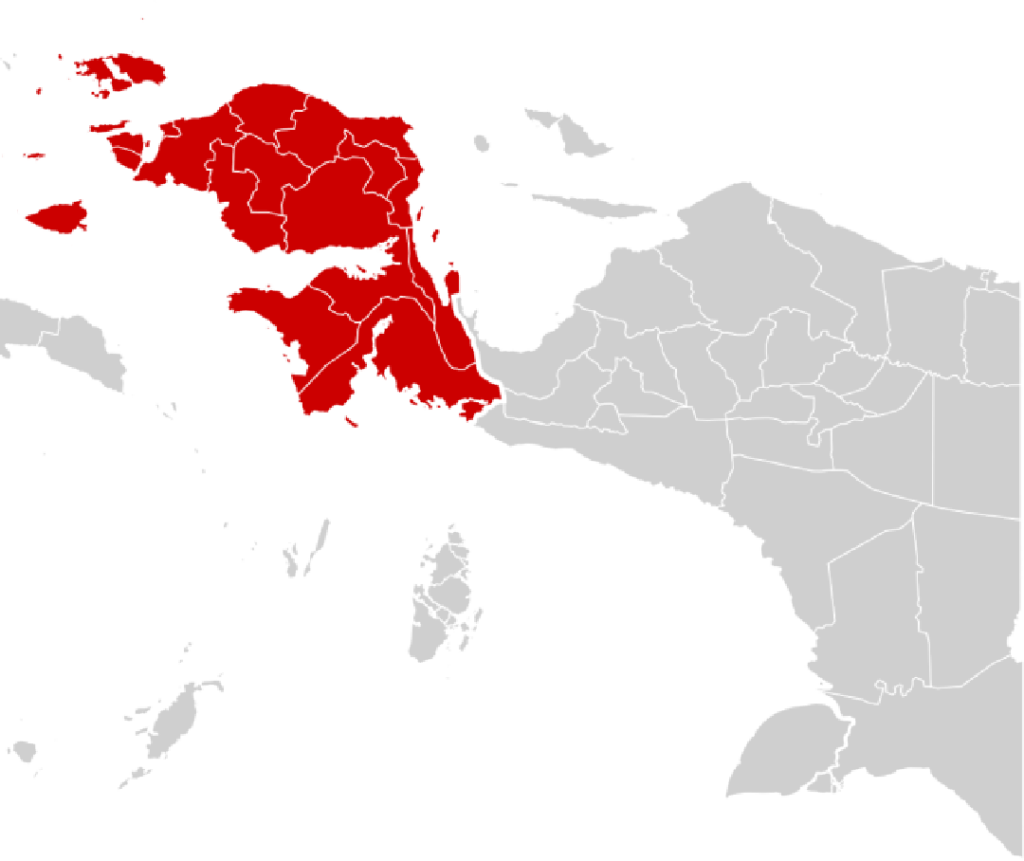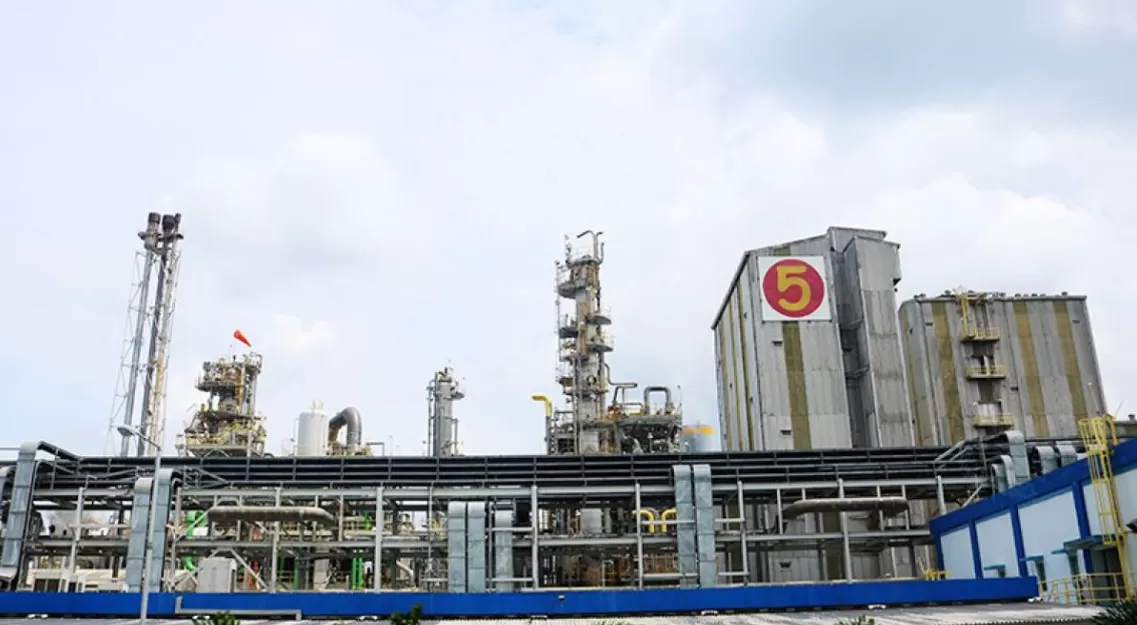
Papua has long been recognized as one of Indonesia’s most fertile yet most challenging regions for agricultural development. Despite abundant land and favorable natural conditions, farmers across Papua continue to struggle with one persistent obstacle: limited access to affordable fertilizer. In response to this long-standing issue, the Indonesian government is now preparing a major breakthrough. A fertilizer factory is planned to be built in Fakfak, West Papua, with the aim of addressing fertilizer shortages, reducing production costs, and supporting food self-sufficiency across Papua.
The plan, which has gained strong backing from national and regional stakeholders, represents more than an industrial investment. It is a strategic intervention designed to unlock Papua’s agricultural potential while strengthening local economies and supporting Indonesia’s broader food security agenda.
Fertilizer Shortages as a Structural Problem in Papua For years, farmers in Papua have faced difficulties securing fertilizer during planting seasons. Unlike regions in western Indonesia that benefit from proximity to fertilizer plants and logistics hubs, Papua depends heavily on supplies shipped from Java and other distant locations. This reliance creates delays, raises costs, and exposes farmers to supply disruptions.
Reports highlight that fertilizer prices in Papua are often significantly higher than in other regions. Transportation costs, storage limitations, and weather-related disruptions further complicate distribution. As a result, many farmers are forced to reduce fertilizer use or delay planting, leading to lower yields and income instability.
Government officials and agricultural experts agree that fertilizer scarcity is not merely a logistical issue but a structural barrier to achieving food self-sufficiency in Papua. Without reliable access to fertilizer, efforts to expand agricultural production and improve farmer welfare remain constrained.
Fakfak as a Strategic Location for the Fertilizer Industry
The choice of Fakfak in West Papua as the site for the fertilizer factory is based on strategic considerations. Fakfak has access to supporting infrastructure, proximity to energy resources, and a coastal location that facilitates logistics and distribution to other parts of Papua.
The planned fertilizer industry is expected to support both West Papua and neighboring provinces by shortening supply chains and stabilizing fertilizer availability. By producing fertilizer closer to farming areas, the government aims to reduce dependence on long-distance shipments and lower the overall cost structure faced by farmers.
Regional leaders have described the project as a turning point that could reposition Papua from a consumer of agricultural inputs into an active contributor to Indonesia’s agricultural supply chain.
National Commitment to Food Security and Industrial Downstreaming
The fertilizer factory in Fakfak is part of a broader national strategy focused on food security and industrial downstreaming.The government has emphasized that food self-sufficiency cannot be achieved without strengthening domestic fertilizer production and ensuring equitable access across all regions.
Officials have noted that industrial downstreaming in Papua has historically been limited, with most raw materials processed elsewhere. The fertilizer project aims to reverse this trend by establishing value-added industries directly in Papua, creating jobs and supporting regional economic growth.
The initiative is aligned with Indonesia’s long-term vision to build resilient food systems capable of withstanding global supply chain disruptions and climate-related challenges.
Billy Mambrasar’s Perspective on Economic Impact
Billy Mambrasar, a member of the Presidential Executive Committee for Papua Special Autonomy, has publicly supported the fertilizer factory plan, highlighting its potential to generate broad economic benefits. According to Mambrasar, the project is not only about fertilizer production but also about strengthening Papua’s agricultural ecosystem.
He emphasized that affordable fertilizer will encourage farmers to increase planting intensity and diversify crops.Increased productivity can, in turn, boost household incomes and invigorate local economies. Mambrasar also highlighted the ripple effects of industrial growth, such as job creation and a heightened need for ancillary services.
He views the fertilizer industry as a clear illustration of how strategic infrastructure can transform special autonomy policies into real benefits for local communities.
Alleviating Farmer Worries During Planting Seasons
A key immediate benefit anticipated from the fertilizer factory is the alleviation of the uncertainty that farmers face during planting seasons. Reports have indicated that farmers frequently begin planting periods with concerns about fertilizer availability and cost.
The establishment of a local fertilizer plant is expected to stabilize both supply and pricing, thereby giving farmers more assurance when planning their crops. This stability is essential for boosting productivity and fostering long-term agricultural investment.
Agricultural stakeholders are convinced that reliable fertilizer access will also boost the impact of government initiatives designed to increase rice, corn, and horticultural output in Papua.
Supporting Self-Sufficiency Through Local Production
Food self-sufficiency is a key focus in Indonesia’s development plans. In Papua, reaching this objective means tackling specific geographical and infrastructural hurdles.
The government’s plan to build a fertilizer factory in Fakfak is intended to bolster local production capabilities and lessen dependence on imported agricultural supplies. This strategy is viewed as vital for enabling Papua to maintain its own food systems while also contributing to national reserves.
Officials have emphasized that fertilizer availability must be coupled with farmer training, irrigation improvements, and better market access. Consequently, the factory is expected to be part of a larger agricultural development strategy.
Environmental Responsibility and Sustainability Considerations
Despite the substantial economic and agricultural advantages presented by the fertilizer factory, environmental responsibility is of paramount importance. Given Papua’s renowned biodiversity and vulnerable ecosystems, meticulous planning is indispensable.
Authorities have signaled their intention to implement environmental impact assessments and contemporary production technologies to mitigate ecological hazards. The objective is to reconcile industrial expansion with environmental preservation, thereby ensuring that agricultural advancement does not jeopardize the region’s natural assets.
Advocates contend that localized fertilizer production could ultimately diminish emissions linked to long-distance transportation, thereby fostering a more sustainable supply chain.
Creating Jobs and Strengthening Local Capacity
Beyond its agricultural applications, the fertilizer plant is poised to generate jobs during both its construction and operational stages. Local residents are slated to gain from training initiatives designed to cultivate technical and industrial expertise.
The project is also likely to invigorate interconnected sectors, including transportation, maintenance, and small-scale logistics. These indirect benefits could contribute to a more varied economy in Papua, lessening its reliance on resource extraction.
Local authorities are hopeful that the fertilizer industry will inspire young Papuans to consider careers in technical fields, thereby fostering long-term human capital growth.
Integrating Central and Regional Development Goals
The fertilizer factory proposal signifies a closer alignment between Papua’s central and regional governments.
Successful implementation hinges on collaboration, transparent governance, and active community involvement, according to officials.
Local governments are expected to assist with land access, regulatory adherence, and outreach to farmers. This collaborative strategy aims to ensure the project’s advantages reach all communities fairly.
Observers point out that this kind of coordination is vital for turning national development goals into tangible results at the local level.
A Long-Term Vision for Papua’s Agriculture
The fertilizer plant in Fakfak represents a long-term vision, not a quick fix, for reshaping Papua’s agricultural landscape. The project seeks to build a foundation for lasting growth by tackling input shortages, boosting industrial capacity, and supporting farmers.
Analysts suggest that, if executed well, the factory could serve as a blueprint for similar projects in other isolated parts of Indonesia. It shows how infrastructure investments, when tailored to local circumstances, can foster inclusive growth.
In conclusion, the proposed fertilizer factory in Fakfak represents a crucial advancement in Papua’s efforts to build agricultural resilience and achieve food self-sufficiency. By tackling fertilizer shortages, lowering expenses, and aiding farmers, the project could fundamentally alter Papua’s agricultural environment.
Beyond being just an industrial site, the factory embodies a dedication to fair development and enduring sustainability. As Papua continues to face its development hurdles, projects like this provide a route toward a more secure and prosperous future for its agricultural communities.